Things That Go Good With Wine
Wondering what pairs perfectly with your favorite wine? You’re not alone—finding the right match can elevate any gathering or quiet evening. Whether you’re pouring a bold red or a crisp white, we’ve got you covered. In this article, we’ll quickly walk through delicious food and snack options that complement wine beautifully, from cheeses to chocolates and beyond. No guesswork needed—just straightforward, tasty suggestions to help you enjoy your wine to the fullest. Let’s dive in!
What Are the Best Foods to Pair with Wine?
Classic Pairings That Never Fail
When in doubt, stick to the classics that have stood the test of time. Red wine pairs beautifully with rich, hearty dishes like steak, lamb, or aged cheeses, as the tannins complement the fats and proteins.
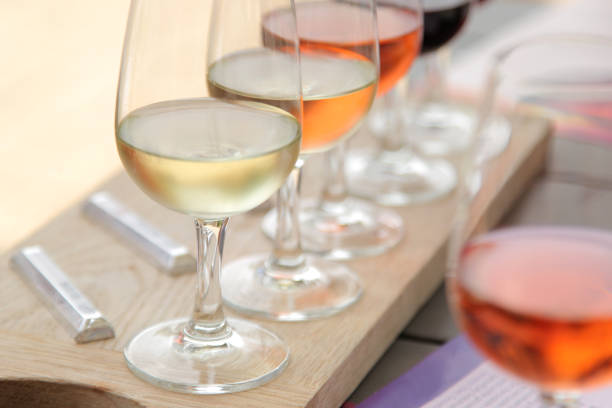
For white wines, think seafood like grilled shrimp, salmon, or a fresh lobster roll—these lighter dishes match the crisp acidity of whites. If you prefer rosé, it’s incredibly versatile and goes well with everything from charcuterie boards to light pasta dishes.
These combinations work because they balance flavors and textures, creating a harmonious dining experience. Don’t overcomplicate it—start with these reliable pairings and build from there. Whether you’re hosting a dinner party or enjoying a quiet night, these classics will always hit the spot.
Keep these go-to options in mind for stress-free meal planning.
How to Balance Flavors and Textures
Pairing wine is all about creating balance between the drink and the dish. Acidity in wine cuts through rich, fatty foods like creamy pasta or fried chicken, making each bite refreshing. Sweet wines, on the other hand, complement spicy dishes by cooling down the heat—think a Riesling with Thai curry.
Consider texture too: bold red wines stand up to hearty meats, while delicate whites suit lighter fare like salads or white fish. The goal is to neither overpower nor underwhelm the food. Tannins in reds can clash with salty or overly sweet dishes, so keep that in mind.
Experiment with contrasting or matching flavors to find what works best for your palate. A little trial and error can lead to delicious discoveries that elevate your meals.
Tips for Quick and Easy Pairings
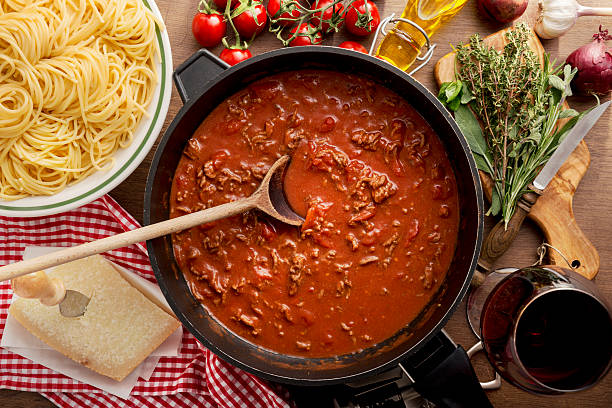
Short on time? Focus on simple, versatile pairings that don’t require a lot of planning. Sparkling wines like Champagne or Prosecco are fantastic appetizers and pair with almost anything—from salty snacks to light appetizers. If you’re serving pizza or takeout, a medium-bodied red like Chianti is a safe bet.
For cheese plates, offer both white and red options to accommodate different tastes. Don’t stress about perfection—regional pairings often work well, like Italian wine with pasta or French wine with cheese. Trust your instincts and enjoy the process.
With these quick tips, you can confidently match wine with everyday meals without overthinking it. Remember, the best pairing is one you enjoy, so have fun exploring combinations that make your taste buds happy.
Perfect Pairings for White Wines
Light and Crisp Options for Sauvignon Blanc and Pinot Grigio
If you’re pouring a chilled Sauvignon Blanc or Pinot Grigio, you’ll want dishes that match their bright, refreshing vibe. These wines are perfect with light appetizers like fresh salads, seafood, or zesty goat cheese.
Try pairing a crisp Pinot Grigio with lemon herb grilled shrimp or a classic caprese salad for a effortless yet delicious combination. Sauvignon Blanc shines alongside acidic foods, so don’t shy away from dishes with citrus or tomato bases.
A simple chicken pesto pasta or grilled white fish with a squeeze of lime will make the wine’s flavors pop. These pairings are ideal for warm weather gatherings or casual dinners, keeping the meal feeling light and satisfying.
Remember, the goal is to complement the wine’s crispness without overpowering it, so stick to fresh ingredients and simple preparations. Your guests will love how the wine enhances every bite.
Rich and Creamy Dishes for Chardonnay
Chardonnay, especially when oaked, deserves a partner with a bit more weight and texture. Think creamy sauces, buttery flavors, or roasted dishes that stand up to the wine’s richness.
A lobster mac and cheese or fettuccine Alfredo is a dream match, letting the wine’s buttery notes meld beautifully with the dish. Grilled chicken with a mushroom cream sauce or even a savory quiche with gruyère cheese works wonders here.
If you’re feeling adventurous, try pairing Chardonnay with baked brie or a rich risotto. The key is balance—you want the food to complement the wine’s full body without clashing. These hearty combinations turn a simple meal into something indulgent, perfect for cooler evenings or special occasions.
Just remember to keep seasoning in check so the dish’s richness shines through alongside the wine.
Sweet and Salty Bites for Riesling
Riesling’s sweet and tangy profile makes it a fun wine to pair with sweet and salty flavors. It’s fantastic with spicy Asian dishes like Thai curry or Szechuan noodles, as the wine’s sweetness cools the heat. For appetizers, try sharp cheddar cheese with honey-drizzled crackers or salty prosciutto-wrapped melon.
Riesling also loves fruit, so a fresh fruit tart or apple pie can be a delightful dessert pairing. The contrast between the wine’s acidity and the dish’s sweetness or saltiness creates a balanced, memorable experience.
Don’t be afraid to experiment—Riesling’s versatility means it can handle everything from barbecue ribs to sushi rolls. These pairings are perfect for casual get-togethers or when you want to impress with something unexpected. Your guests will appreciate the playful mix of flavors.
Red Wine Pairings for Every Occasion
Bold Meats and Cheeses for Cabernet Sauvignon
When you’re pouring a glass of Cabernet Sauvignon, reach for rich, hearty dishes that can stand up to its intense flavors. This full-bodied red shines alongside grilled ribeye steak or slow-cooked beef short ribs, as the protein’s fat content softens the wine’s tannins.
For cheese lovers, aged options like sharp cheddar or gouda are fantastic matches—their nutty, robust notes complement Cabernet’s dark fruit and oak hints. If you’re hosting a barbecue, throw on some lamb burgers or a pepper-crusted roast for an unforgettable meal.
The key is balancing the wine’s boldness with equally flavorful food, avoiding delicate dishes that might get overshadowed. Whether it’s a casual dinner or a celebration, these pairings elevate both the wine and the meal effortlessly.
Earthy Dishes for Pinot Noir
Pinot Noir’s lighter, elegant profile calls for dishes with earthy, herbal flavors. Mushroom risotto or roasted vegetable tarts are ideal choices, as the umami-rich ingredients harmonize beautifully with the wine’s subtle cherry and spice notes.
For meat lovers, try herb-crusted chicken or duck breast—their tender texture and savory seasonings enhance Pinot’s silky finish. This red also pairs wonderfully with soft, creamy cheeses like brie or camembert, adding a luxurious touch to your spread.
Avoid overly spicy or heavy sauces, which can overpower the wine’s delicate balance. Whether it’s a cozy weeknight meal or a garden party, Pinot Noir’s versatility makes it a crowd-pleaser. Stick to fresh, seasonal ingredients to let the wine’s nuanced flavors truly shine.
Savory Spreads and Tapas for Merlot
Merlot’s smooth, approachable character makes it a perfect match for savory tapas and spreads. Think charcuterie boards with prosciutto, salami, or olives—their salty, savory bites highlight Merlot’s plum and blackberry notes.
For a heartier option, try bruschetta topped with sun-dried tomatoes or roasted red peppers; the vibrant flavors pair wonderfully with the wine’s soft tannins. Merlot also complements dishes like tomato-based pasta or beef sliders, making it versatile for casual gatherings.
Skip overly sweet or acidic foods, as they can clash with the wine’s balanced profile. Whether you’re hosting a wine night or enjoying a quiet evening, these easy-to-assemble pairings keep things simple yet delicious. Merlot’s easy-drinking style ensures it’s always a hit with friends and family.
Sparkling and Rosé Wine Accompaniments
Appetizers and Finger Foods for Champagne
Champagne pairs beautifully with light, salty bites that complement its crisp bubbles. Try briny olives, shrimp cocktail, or goat cheese crostini to enhance its acidity. Smoked salmon blinis and mini quiches also work wonders, balancing the wine’s effervescence with rich flavors.
For something crunchier, almonds or Parmesan crisps add a satisfying contrast. Remember, the key is to avoid overpowering the wine—opt for delicate textures and subtle seasonings. These pairings are perfect for celebrations or casual gatherings, making every sip feel special.
Fresh and Light Options for Rosé
Rosé’s fruity and floral notes shine alongside fresh salads, grilled seafood, or caprese skewers. Its versatility makes it a great match for Mediterranean dishes like hummus with veggie sticks or prosciutto-wrapped melon. For a heartier option, try soft cheeses like Brie or Camembert with a baguette.
The wine’s bright acidity cuts through rich foods, while its subtle sweetness complements lighter fare. Perfect for summer picnics or brunch, these pairings highlight Rosé’s refreshing charm.
Dessert Pairings for Prosecco
Prosecco’s sweetness calls for fruit-based desserts like strawberry tarts, lemon bars, or berry parfaits. For a creamy twist, pair it with panna cotta or tiramisu—the bubbles balance the richness. Shortbread cookies or macarons also make delightful companions.
Avoid overly sugary treats; instead, focus on citrusy or nutty flavors to let the wine shine. These pairings elevate any dessert course, making it feel effortless yet elegant. Ideal for toasting special moments or ending a meal on a high note.
Snacks That Go Good with Wine
Cheese Boards and Charcuterie Ideas
A well-curated cheese board is a classic choice for wine pairing. Start with a variety of cheeses like creamy brie, sharp cheddar, and nutty gouda to cater to different tastes. Add cured meats such as prosciutto or salami for a savory contrast.
Pair these with sweet elements like figs or honey to balance the flavors. Don’t forget to include some crisp apples or pears for a refreshing crunch. When arranging, think about textures and colors to make it visually appealing.
For red wines, go for aged cheeses and bold meats, while lighter whites pair beautifully with soft cheeses and delicate charcuterie. This approach ensures something for everyone, making your wine night a hit.
Nuts, Olives, and Dried Fruits
Nuts, olives, and dried fruits are effortless yet sophisticated snacks to serve with wine. A bowl of mixed nuts like almonds or cashews adds a satisfying crunch and pairs well with both red and white wines.
Marinated olives bring a briny, tangy element that cuts through rich wines like Cabernet Sauvignon. Dried fruits such as apricots or cranberries offer a touch of sweetness, complementing lighter wines like Pinot Grigio. These snacks are low-maintenance but high-impact, perfect for casual gatherings or solo sipping.
Mix and match to find your favorite combinations—sweet and salty always work wonders together.
Crackers and Bread to Complement Your Wine
Crackers and bread are the unsung heroes of wine pairings. Opt for artisan crackers with seeds or herbs to add depth to your snack spread. A crusty baguette or sourdough loaf is perfect for mopping up leftover wine and enjoying with soft cheeses.
For a twist, try flavored breads like rosemary focaccia or olive ciabatta. These options provide a neutral base that lets the wine shine while still being delicious on their own. Whether you’re hosting a party or enjoying a quiet evening, these carbs are a must-have for any wine lover’s pantry.
Dessert and Wine Pairings
Chocolate and Red Wine Combinations
When pairing chocolate with red wine, the key is matching the intensity of the chocolate with the wine’s body. Dark chocolate (70% or higher) pairs beautifully with bold reds like Cabernet Sauvignon or Zinfandel because their tannins balance the cocoa’s bitterness.
Milk chocolate, being creamier, works best with lighter reds like Merlot or a fruity Pinot Noir. For a fun twist, try chocolate-covered strawberries with a glass of sparkling Shiraz—the bubbles and fruitiness enhance the chocolate’s sweetness.
Balance is crucial here; avoid pairing delicate chocolates with heavy wines, or the chocolate will overpower the wine. If you’re serving a chocolate truffle platter, offer a variety of wines to suit different tastes. Remember, the goal is to complement, not compete.
Experiment with small tastings to find your favorite combo, and don’t be afraid to ask a sommelier for recommendations based on the specific chocolate’s cocoa percentage.
Fruit-Based Desserts for White Wines
Fruit-based desserts shine when paired with crisp, acidic white wines that mirror their natural sweetness. A classic pairing is lemon tarts or Key lime pie with a Sauvignon Blanc, whose citrus notes highlight the dessert’s zesty flavors.
For berry treats like strawberry shortcake, a slightly sweet Riesling or Moscato d’Asti enhances the fruit’s juiciness. Acidity is key—the wine’s brightness should cut through the dessert’s richness without clashing. Apple-based desserts, like apple crisp, pair wonderfully with a chilled Chardonnay or off-dry Chenin Blanc.
If you’re serving poached pears, a late-harvest Gewürztraminer adds a lovely spiced finish. Avoid overly oaky whites, as they can overpower delicate fruit flavors. Keep the wine chilled and serve it in smaller glasses to preserve its aromatics.
This pairing creates a refreshing, light finish to any meal, leaving guests satisfied but not weighed down.
Sweet Treats for Port and Sherry
Port and Sherry are perfect companions for rich, decadent desserts because their sweetness and intensity stand up to bold flavors. A vintage Port pairs luxuriously with dark chocolate truffles or a flourless chocolate cake, as the wine’s deep berry notes complement the chocolate’s richness.
For nutty desserts like pecan pie or almond biscotti, a Tawny Port’s caramel and toffee flavors are a match made in heaven. Sherry shines with creamy treats—try a cream Sherry with crème brûlée or a Pedro Ximénez with vanilla bean ice cream.
Port and Sherry are versatile, so don’t hesitate to experiment with contrasting flavors, like pairing salted caramel with a dry Sherry for a sweet-salty balance. Serve these wines in small pours, as their higher alcohol content means a little goes a long way.
These pairings elevate any dessert course, turning a simple treat into a memorable experience.
Common Mistakes to Avoid When Pairing Wine and Food
Overpowering Delicate Wines
One of the biggest errors you can make is pairing a bold, heavy dish with a light, delicate wine like Pinot Grigio or a crisp Sauvignon Blanc. These subtle wines simply can’t compete against spicy curries, rich stews, or heavily smoked meats.
Instead of tasting the wine’s lovely fruit notes, you’ll only notice the food’s heat and intensity. To avoid this, always match wine body to the weight of your food.
Think of wine like a sauce: light wines suit lighter fare such as salads, seafood, or chicken, while fuller-bodied wines stand up better to beef or lamb. If you really want to serve that heavy roast, opt for a wine with more structure.
By respecting the delicate nature of lighter wines, you ensure delicate flavors shine through rather than getting lost on your plate, making every sip and bite a harmonious experience.
Ignoring Acidity and Tannin Levels
Overlooking acidity and tannins is a surefire way to ruin a good meal. High-acid wines, like a zesty Sauvignon Blanc, taste flat and sour when paired with creamy or sweet dishes, while high-tannin reds, such as Cabernet Sauvignon, can taste harsh and metallic alongside salty or spicy foods.
Tannins bind to proteins, so they work beautifully with fatty steaks but clash badly with lean fish or spicy tacos. Always aim for balance between the wine’s structure and the dish’s main components.
For example, cut through rich, fried foods with something high in acid to cleanse the palate, or use a bold red to complement a hearty steak.
Understanding how tannin structure interacts with fat and salt helps you create pairings that enhance both the food and the wine rather than battling each other for attention.
Mismatching Sweetness Levels
Nothing ruins a dessert course faster than serving a wine that is too dry for the food. If you pair a dry Chardonnay with a sweet chocolate cake, the wine will taste bitter, sour, and completely unpleasant.
A fundamental rule of thumb is to ensure your wine is at least as sweet as, or sweeter than, the dish you are serving. This creates a lovely harmony that highlights the wine’s fruitiness. A late-harvest Riesling or a Port is a much better match for sugary treats.
Be careful with savory sauces too; even a hint of sweetness in a glaze can make a dry red wine taste aggressively acidic. Keep sweetness levels in check to avoid bitter notes.
Remember, successful pairing often relies on fruit-forward profiles to bridge the gap, ensuring a smooth, delightful finish to your meal.
Frequently Asked Questions
What foods pair well with red wine?
Red wine pairs beautifully with red meats like steak, lamb, or hearty stews. It also complements strong cheeses, dark chocolate, and dishes with rich sauces like tomato-based pasta.
What snacks go with white wine?
White wine pairs well with lighter fare such as seafood, salads, and soft cheeses like brie or goat cheese. It also matches nicely with fresh fruit, nuts, and mild crackers.
Can I pair wine with spicy food?
Yes, but choose a wine with lower alcohol and slight sweetness, like a Riesling or Gewürztraminer, to balance the heat. Avoid very tannic reds, as they can intensify spiciness.
What desserts pair with wine?
Sweet wines like Moscato or Port pair well with fruit tarts, cheesecake, or dark chocolate. For lighter desserts, try a crisp sparkling wine like Prosecco.
How do I match wine with cheese?
Pair bold reds with aged cheeses like cheddar and soft whites with creamy cheeses like Camembert. For a foolproof match, try sparkling wine with salty cheeses like Parmesan.
What vegetarian dishes go with wine?
Vegetarian options like mushroom risotto pair well with earthy reds like Pinot Noir. For lighter dishes, try a Sauvignon Blanc with grilled vegetables or a Chardonnay with creamy pasta.
Can wine pair with breakfast foods?
Yes, sparkling wines like Champagne or Prosecco pair well with brunch items like eggs Benedict or pastries. A light rosé can also complement fresh fruit or pancakes.
Conclusion
Pairing wine with the right foods enhances both the drink and the meal. Remember to match light wines with delicate dishes and bold wines with hearty flavors. Cheese, charcuterie, chocolate, and fruits are timeless companions that elevate any wine experience. Don’t be afraid to experiment and find your perfect balance. Whether for a casual evening or a special occasion, the right pairing turns simple moments into memorable ones. Cheers to discovering your favorite combinations!