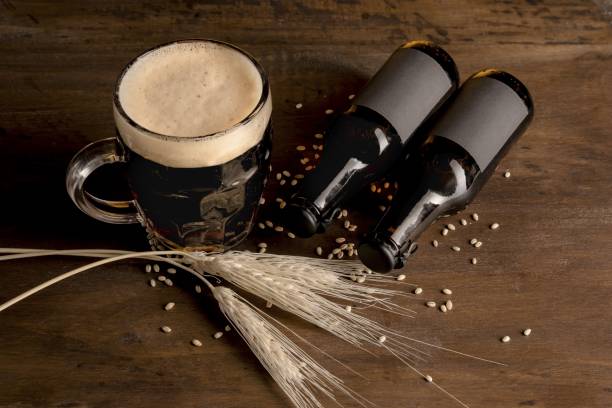
Stout Beer Making Kit
Ready to brew your own rich, creamy stout at home? A stout beer making kit is the perfect way to get started—no experience needed. Whether you love bold coffee notes or smooth chocolate flavors, there’s a kit tailored to your taste.
What is a Stout Beer Making Kit?
Components of a Typical Stout Beer Kit
A stout beer making kit includes all the essential ingredients and instructions needed to brew a rich, flavorful stout at home. Most kits contain malt extract, often a blend of roasted barley, chocolate malt, or black patent malt, which gives stout its signature dark color and coffee-chocolate notes.
They also include hops for balanced bitterness and aroma, as well as yeast specifically selected for stout profiles—either ale yeast for dry Irish stouts or neutral strains for smooth milk stouts. Many kits come with finings like Irish moss to clarify the beer and priming sugar for carbonation during bottling.
Some even include specialty grains for steeping, enhancing depth without requiring advanced brewing techniques. Clear step-by-step instructions guide beginners through sanitizing, brewing, fermenting, and bottling. With minimal equipment needed beyond what’s in the kit, it’s a complete starter solution ideal for novice brewers wanting authentic stout results.
Types of Stout Styles Available in Kits
Stout beer making kits offer a diverse range of stout styles, allowing brewers to explore bold flavors with ease. The most common is the Irish Dry Stout, known for its crisp, roasty character and light body, made famous by brands like Guinness.
Sweet or Milk Stouts include lactose sugar, adding a smooth sweetness that balances roasted bitterness. Oatmeal Stouts incorporate oat extracts for a silky mouthfeel and subtle nuttiness. For bolder palates, Imperial or Russian Stout kits deliver high alcohol content and intense flavors of dark chocolate, coffee, and dried fruit.
Some kits even feature pastry stouts or coffee-infused variants for modern twists. Each style comes with tailored ingredient blends and fermentation guidelines to ensure authenticity.
Whether you prefer a sessionable pint or a rich, dessert-like brew, there’s a kit designed for that specific profile, making it easy to experiment and refine your preferences without guesswork.
Why Choose a Kit Over All-Grain Brewing
Choosing a stout beer making kit over all-grain brewing offers convenience, consistency, and faster results, especially for beginners. Kits eliminate the complexity of mashing grains, requiring only steeping specialty malts and boiling the provided extract—cutting brewing time to under an hour.
This simplicity reduces the risk of mistakes and ensures reliable flavor profiles batch after batch. Most kits are optimized for 5-gallon batches and include precise ingredient measurements, removing the need for calculations. They also require less equipment—no mash tun or sparging setup—making them ideal for small spaces.
Despite their ease, these kits still produce high-quality, craft-level stouts rivaling all-grain versions. For those learning the basics or seeking a quick, satisfying brew, kits provide a low-barrier entry into homebrewing. They’re also perfect for gifting or trying new styles without a major time investment.
How to Choose the Best Stout Beer Making Kit
Key Features to Look For
When selecting a stout beer making kit, prioritize kits that include all-inclusive ingredients such as roasted barley, malt extract, hops, yeast, and detailed instructions. Freshness of ingredients is crucial—check manufacturing or packaging dates to ensure optimal fermentation.
Look for kits that specify original gravity (OG) and final gravity (FG) ranges, as these help predict alcohol content and flavor strength. Ease of sanitization is another critical factor; kits with wide-mouth fermenters or easy-to-clean components reduce contamination risks.
Consider whether the kit supports bottling or kegging, and if it includes a hydrometer or thermometer—tools that enhance precision. Lastly, recipe authenticity matters; kits modeled after classic Irish or imperial stouts deliver more traditional flavors. Reading customer reviews can reveal real-world performance and potential issues.
A well-rounded kit balances quality, clarity, and convenience to set you up for brewing success.
Beginner vs. Advanced Kits
For beginners, choose a complete starter kit that simplifies the brewing process with pre-measured ingredients, step-by-step guides, and basic equipment like fermenters, airlocks, and siphons. These kits focus on consistency and ease, often using extract brewing to minimize complexity.
Look for low time commitment—some beginner stouts can ferment in as little as two weeks. In contrast, advanced kits offer all-grain options, requiring mashing, sparging, and precise temperature control, ideal for brewers seeking full recipe customization. These kits may include specialty grains, dual-stage fermentation instructions, or options for barrel-aging.
Advanced brewers benefit from higher ABV potential and nuanced flavor profiles, such as coffee or chocolate infusions. Regardless of level, ensure the kit matches your equipment setup and skill.
Beginners should prioritize clarity and support, while advanced users should seek flexibility and depth in brewing techniques to fully explore the rich, complex world of stout.
Top Brands and Kit Recommendations
Several trusted brands stand out in the stout beer making kit market. Northern Brewer offers the ‘Sleeping Giant Imperial Stout Kit,’ known for its rich, bold flavor and beginner-friendly instructions. Austin Homebrew Supply provides the ‘Irish Stout Kit,’ praised for authentic taste and reliable yeast performance. **Mr.
Beer is ideal for newcomers, with compact, easy-to-use keg systems and a popular stout recipe that requires minimal equipment. For advanced brewers, Brewferm and Briess deliver high-quality all-grain options with complex malt profiles. Consider kits that include additive packs** like cocoa nibs or coffee for layered flavor.
Look for brands with excellent customer support and online brewing communities. Reading verified buyer feedback helps gauge consistency and taste. Whether you want a creamy dry stout or a high-octane imperial, choosing a reputable brand ensures ingredient quality, clear guidance, and satisfying results with every batch.
Step-by-Step Guide to Using a Stout Beer Making Kit
Sanitizing Your Equipment
Before beginning the brewing process, thoroughly sanitizing all equipment is essential to prevent contamination that could spoil your stout. Start by washing all items—fermenter, airlock, siphon, spoons, and bottles—with warm water and unscented cleanser, then rinse completely.
Next, prepare a no-rinse sanitizer according to the manufacturer’s instructions and apply it to every surface that will contact the beer post-boil. Pay special attention to hard-to-reach areas like the spigot of your fermenter and the underside of the lid. Allow all equipment to air dry on a sanitized surface.
Never skip this step, as even small amounts of bacteria or wild yeast can compromise flavor and clarity. Using a spray bottle for sanitizer makes coverage easier and reduces waste. Once sanitized, keep equipment covered until ready for use.
Proper sanitation is the foundation of successful homebrewing and ensures your stout develops rich, intended flavors without off-notes.
Mixing the Wort and Adding Hops
After sanitizing, begin mixing the wort by combining the malt extract from your stout beer making kit with 2–3 gallons of hot (but not boiling) water in your brew kettle. Stir continuously to prevent scorching and ensure the extract dissolves completely. Once smooth, bring the mixture to a gentle boil.
At this stage, add hops according to your kit’s schedule—typically, bittering hops go in at the start of the boil, while flavor or aroma hops are added in the last 15–5 minutes. Keep the boil vigorous but controlled to avoid boil-overs.
After the full boil cycle (usually 60 minutes), remove the kettle from heat. Rapidly cooling the wort using a wort chiller or ice bath is crucial to prevent bacterial growth and prepare for fermentation.
Transfer the cooled wort to your sanitized fermenter, topping up to the recommended volume with cold, filtered water.
Fermentation Process and Timeline
Once the wort is in the fermenter and cooled to around 68°F (20°C), pitch the yeast by sprinkling or stirring it in gently. Seal the fermenter with an airlock filled with sanitizer or water to allow CO2 to escape while keeping contaminants out.
Store the fermenter in a dark place with a stable temperature between 64–70°F (18–21°C)—ideal for most ale yeasts included in stout kits. Fermentation typically begins within 12–24 hours, indicated by bubbling in the airlock. Allow the beer to ferment undisturbed for 7–10 days, or until bubbling slows significantly.
Avoid opening the fermenter during this time to reduce contamination risk. After primary fermentation, you may transfer to a secondary fermenter for conditioning or proceed to bottling. Most stouts benefit from additional aging (2–4 weeks) to develop smooth, roasty flavors before consumption.
Essential Equipment Needed Beyond the Kit
Fermenters, Airlocks, and Siphons
A food-grade plastic or glass fermenter is essential for successful stout brewing, providing a controlled environment for fermentation. Choose a carboy or bucket with a 6–7 gallon capacity to allow headspace and prevent overflow during active fermentation.
Pair it with an airlock and stopper to let CO₂ escape while keeping contaminants out—this simple device ensures a clean, safe fermentation process. After fermentation, you’ll need a racking cane and auto-siphon to transfer the beer without disturbing sediment. Use sanitized tubing to avoid introducing bacteria or wild yeast.
These tools work together to maintain beer quality from brew day to packaging. Always sanitize thoroughly before each use, as even minor contamination can ruin a rich, complex stout. Investing in durable, easy-to-clean equipment pays off in consistent results and better-tasting beer batch after batch.
Bottling vs. Kegging Supplies
Deciding between bottling and kegging depends on your time, space, and serving preferences. For bottling, you’ll need glass or plastic bottles, caps, a capper, and a bottle filler attached to your siphon. Bottling is cost-effective and great for sharing or aging stouts, but it’s labor-intensive and requires careful sanitation.
Kegging, on the other hand, uses a corny keg, CO₂ tank, regulator, and beer lines for dispensing. It’s faster, reduces oxygen exposure, and allows precise carbonation control—ideal for creamy, nitrogen-infused stouts. While the upfront cost is higher, kegging saves time and offers draft-quality beer at home.
Consider a dual-pressure setup if you want to serve both carbonated and nitrogenated stouts. Whichever method you choose, sanitation and proper carbonation are key to preserving the smooth, roasty character of your stout.
Thermometers and Hydrometers
Accurate temperature monitoring and gravity readings are critical to mastering stout brewing. Use a floating or digital hydrometer to measure original and final gravity, allowing you to calculate alcohol content and confirm fermentation completion. For stouts, tracking gravity ensures the rich, full-bodied profile develops without stuck fermentation.
Pair this with a high-quality brewing thermometer to monitor mash, boil, and fermentation temperatures—yeast health depends on staying within optimal ranges. Choose a waterproof, easy-to-calibrate thermometer for consistent results. Taking readings at key stages helps troubleshoot issues early. Always sanitize tools before use to avoid contamination.
These small investments provide big returns: better control, improved consistency, and professional-quality stouts with balanced sweetness, roast, and alcohol—exactly what you want from a well-crafted homebrewed stout.
Common Mistakes When Using Stout Beer Kits and How to Avoid Them
Inadequate Sanitation Practices
One of the most common mistakes when using a stout beer making kit is failing to properly sanitize equipment. Even tiny amounts of bacteria or wild yeast can spoil your batch, leading to off-flavors or complete fermentation failure.
Everything that touches the wort after boiling—fermenters, airlocks, spoons, siphons, and bottles—must be thoroughly cleaned and sanitized. Use a no-rinse sanitizer like Star San to ensure safety and effectiveness. Avoid using household cleaners, which may leave residues toxic to yeast or harmful to drinkers.
Many beginners assume visual cleanliness is enough, but microbial contamination is invisible. Develop a consistent sanitation routine before starting the brewing process. Double-check all parts, including stoppers and tubing, and never skip this step—even if you’re in a hurry.
Proper sanitation is the foundation of successful homebrewing and ensures your stout develops rich, intended flavors without unwanted microbial interference.
Temperature Control During Fermentation
Maintaining consistent fermentation temperature is critical when brewing with a stout beer making kit. Yeast strains used in stouts are sensitive to temperature fluctuations, and fermenting too hot or too cold can produce off-flavors like sulfur, fusels, or stalled fermentation. The ideal range for most stout yeasts is 64–70°F (18–21°C).
Placing the fermenter in a location with wide temperature swings—like a garage or near a heater—can disrupt yeast activity. Use a fermentation chamber, swamp cooler, or temperature-controlled fridge to stabilize conditions. Monitor temperatures daily with a reliable thermometer or digital probe.
If temperatures rise too high, gradually cool the fermenter to avoid shocking the yeast. Conversely, if it’s too cold, use a brewing heater belt to gently warm the vessel.
Consistent temperature ensures clean, full fermentation and allows the roasted malt and chocolate notes in your stout to shine without unwanted byproducts.
Overcarbonation and Bottle Bombs
Overcarbonation leading to bottle bombs is a dangerous but preventable error in stout brewing. This occurs when excess priming sugar or bottling too early results in continued fermentation inside sealed bottles, building dangerous pressure.
Always measure priming sugar precisely—typically 3/4 cup of corn sugar for a 5-gallon batch—and dissolve it in boiled water to ensure even distribution. Wait until fermentation is fully complete, confirmed by stable gravity readings over 2–3 days, before bottling.
Using the wrong sugar type or uneven mixing can also create hot bottles. Store bottles at room temperature away from light for 2–3 weeks to carbonate safely. Never use glass bottles not designed for beer, and inspect bottles for cracks before use.
If a batch feels overly pressurized, refrigerate it immediately and open carefully. Preventing overcarbonation protects both your beer’s quality and your safety during enjoyment.
Tips for Improving Flavor in Kit-Based Stout Beer
Adding Specialty Grains and Coffee
Enhance the depth and complexity of your kit-based stout by steeping specialty grains during the brewing process. While most kits provide a solid base, adding grains like roasted barley, chocolate malt, or black patent malt can intensify the rich, dark flavors characteristic of stouts.
Use a muslin bag to steep 4–8 ounces of crushed grains in 150–160°F water for 20–30 minutes before boiling. For coffee-forward notes, add freshly ground coffee or cold-brew concentrate during fermentation. Avoid boiling coffee, as it can extract bitter compounds.
Instead, stir in 1–2 ounces of coarsely ground beans per 5 gallons during secondary fermentation. This preserves aromatic oils and smooth roast character. Experiment with different beans or blends to find your ideal balance.
These small additions elevate a basic kit into a custom craft experience, delivering a more nuanced and satisfying stout with layers of flavor that mimic high-end commercial brews.
Using Different Yeast Strains
One of the easiest ways to improve flavor in a kit-based stout is swapping the included yeast for a more expressive strain. Many kits come with generic dry yeast, but switching to a liquid or specialty dry yeast can dramatically alter the beer’s character.
For example, Irish ale yeast enhances the creamy, smooth mouthfeel and subtle fruitiness typical of dry stouts, while English ale strains can add notes of toffee and dried fruit. Always rehydrate dry yeast or make a starter for liquid cultures to ensure healthy fermentation and avoid off-flavors.
Ferment within the yeast’s ideal temperature range—usually 64–70°F—to prevent excessive esters or sulfur. This simple change allows you to tailor the flavor profile to your preference, transforming a standard kit into a more authentic, layered stout with distinctive regional character and improved drinkability.
Cold Conditioning for Smoother Taste
After fermentation, cold conditioning (lagering) your stout for 2–4 weeks significantly improves its smoothness and clarity. This process allows yeast and proteins to settle, resulting in a cleaner, more refined flavor.
Transfer the beer to a secondary fermenter or leave it in the primary, then lower the temperature gradually to 34–40°F. Cold conditioning helps mellow harsh alcohol notes and integrates complex flavors like roast and chocolate, creating a balanced, velvety mouthfeel.
Use a temperature-controlled fridge for best results, and avoid disturbing the beer during this phase. This step is especially effective for high-gravity stouts or those with bold adjuncts. Even a basic kit benefits from this patience, as it mimics professional brewery practices.
The result is a smoother, more polished stout that drinks far above its kit origins, impressing even seasoned craft beer enthusiasts.
Storing, Serving, and Enjoying Your Homemade Stout
Ideal Storage Conditions and Shelf Life
To preserve the rich, complex flavors of your homemade stout, store bottles in a cool, dark place with a consistent temperature between 50–55°F (10–13°C). Exposure to light and heat can cause off-flavors and degrade delicate roasted and chocolate notes.
Ensure bottles are stored upright to minimize surface area exposed to oxygen and reduce the risk of oxidation, which can lead to stale or cardboard-like tastes. Use dark glass bottles to further protect against light damage. Most stouts benefit from aging for 2–6 weeks, allowing flavors to mellow and integrate.
While many stouts remain enjoyable for up to 6 months, high-alcohol variants like imperial stouts can improve with cellaring for up to a year or more. Always label bottles with the brew date to track aging progress and optimize enjoyment.
Pouring Techniques for Maximum Flavor
Achieving the perfect pour enhances aroma, texture, and taste in your homemade stout. Use a clean, slightly tilted glass and pour steadily down the side to control foam formation.
Once the glass is about two-thirds full, straighten it and pour more directly into the center to build a dense, creamy head of 0.5 to 1 inch. This head traps volatile aromas and improves mouthfeel.
For nitrogen-infused stouts, consider using a beer widget or specialized tap system to mimic the smooth, cascading effect found in commercial versions. Let the beer settle briefly before serving to allow flavors to open up. Avoid over-pouring or rushing the process—patience ensures the full sensory experience.
The ideal pour showcases the stout’s deep color and rich lacing, setting the stage for maximum flavor appreciation.
Food Pairings That Complement Stout Beer
Homemade stout’s bold, roasted profile makes it a versatile companion to a range of foods. Pair with hearty dishes like grilled steak, beef stew, or lamb to match its robust intensity. The beer’s bitterness cuts through rich fats, enhancing each bite.
Chocolate-based desserts, especially dark chocolate cake or brownies, harmonize beautifully with the stout’s cocoa and coffee notes, creating a luxurious flavor fusion. For a savory twist, try blue cheeses or aged cheddar—their sharpness contrasts and elevates the beer’s sweetness.
Even breakfast items like bacon or maple-glazed sausages work well due to the stout’s malty depth. Avoid overly spicy dishes that can clash with the beer’s smoothness. Thoughtful pairings highlight the stout’s complexity and transform a simple drink into a gourmet experience.
Frequently Asked Questions
What is a stout beer making kit?
A stout beer making kit is a pre-packaged set of ingredients and instructions designed to help homebrewers easily brew stout beer at home. It typically includes malt extract, hops, yeast, and sometimes specialty grains specific to stout styles like Irish Dry or Imperial Stout.
What equipment do I need to use a stout beer making kit?
To use a stout beer making kit, you’ll need basic homebrewing equipment such as a fermenter, airlock, brewing kettle, siphon, bottles, and sanitizer. Most kits don’t include this equipment, so it must be purchased separately or already on hand.
How long does it take to make stout beer with a kit?
Brewing stout beer with a kit usually takes about 4 to 6 weeks, including fermentation and bottling. Some stouts benefit from extended aging to develop richer flavors, especially higher-alcohol varieties like Imperial Stouts.
Can beginners use a stout beer making kit?
Yes, many stout beer making kits are designed for beginners and come with step-by-step instructions. They often use extract brewing, which simplifies the process and requires less technical equipment.
Are ingredients for different stout styles included in the kit?
Yes, most stout beer making kits are style-specific and include ingredients tailored to produce a particular type, such as chocolate, oatmeal, or Irish Dry stout. This ensures authentic flavor profiles with minimal adjustments needed.
Do stout beer making kits require refrigeration during fermentation?
Stout should be fermented at controlled temperatures, typically between 62–70°F (17–21°C), so a stable, cool environment is important. While not refrigeration, temperature control helps prevent off-flavors and ensures clean fermentation.
Conclusion
Brewing stout at home with a stout beer making kit is simple, rewarding, and perfect for both beginners and experienced brewers. These kits provide all the essentials for crafting rich, flavorful stout with minimal effort. With consistent results and the joy of creating something unique, home brewing offers endless satisfaction. Try a stout beer making kit today and discover the delicious craft of homemade beer—one dark, creamy pint at a time.
