Red Wine Chilling Temperature
Wondering what temperature to chill red wine? You’re not alone—many people assume reds should always be served at room temperature, but that’s often too warm. The ideal chilling temperature for red wine is actually between 60°F and 68°F, depending on the variety. Lighter reds like Pinot Noir taste best slightly cooler, while fuller-bodied wines like Cabernet Sauvignon shine just below room temperature. In this article, we’ll break down the perfect serving temps for every red wine so you can enjoy them exactly as intended.
What Is the Ideal Chilling Temperature for Red Wine
Common Myths About Red Wine Serving Temperatures
A widespread myth is that all red wines should be served at room temperature, but this is misleading. Traditional ‘room temperature’ (around 68–72°F or 20–22°C) often means wines are served too warm, especially in heated modern homes. When red wine is too warm, alcohol becomes overpowering and delicate aromas fade.
Another misconception is that chilling red wine ruins its flavor—on the contrary, slight chilling enhances balance. Lighter reds like Pinot Noir benefit from cooler temps, while full-bodied wines like Cabernet Sauvignon need only a brief chill.
The idea that red wine must be served immediately after opening also leads to poor temperature control. Allowing wine to rest at the proper temperature before serving ensures optimal expression. Understanding these myths helps avoid common mistakes and elevates your wine experience with better temperature precision.
How Temperature Affects Red Wine Flavor
Temperature dramatically influences how we perceive a red wine’s aroma, body, and taste. When served too warm, alcohol volatility increases, making the wine seem hot and unbalanced. Cooler temperatures suppress alcohol perception and highlight acidity and fruit notes, improving drinkability.
However, if a red wine is too cold, its tannins can feel harsh and its bouquet muted. The ideal temperature unlocks the wine’s full sensory profile, allowing complex layers of flavor to emerge smoothly.
For example, a slightly chilled Merlot reveals softer tannins and brighter red fruit, while an overheated one tastes flat and boozy. Temperature also affects mouthfeel—cooler wines feel more structured, while warmer ones feel rounder but less defined.
By serving red wine within its ideal range, you ensure harmony between sweetness, acidity, tannin, and alcohol, creating a more enjoyable and nuanced tasting experience.
Best Temperature Range by Red Wine Type
Different red wines shine at specific temperature ranges based on body and structure. Light-bodied reds like Pinot Noir and Beaujolais taste best at 55–60°F (13–16°C)—cool enough to accentuate their bright fruit and acidity without muting aromas.
Medium-bodied wines such as Merlot, Sangiovese, and Tempranillo perform optimally at 60–65°F (16–18°C), balancing soft tannins and complexity. Full-bodied reds like Cabernet Sauvignon, Syrah, and Malbec should be served slightly warmer, around 65–68°F (18–20°C), to express their rich textures and deep flavors without excessive alcohol heat.
To achieve these temps, refrigerate for 15–30 minutes before serving if storing at room temp. Using a wine thermometer ensures precision. Serving each type at its ideal temperature maximizes flavor, aroma, and overall enjoyment, transforming an ordinary pour into a refined experience.
How to Properly Chill Red Wine at Home

Using a Refrigerator to Cool Red Wine
To properly chill red wine in a refrigerator, set the temperature between 55°F and 65°F (13°C–18°C), which is the ideal range for serving most reds. If your fridge is set to its standard 37°F–40°F (3°C–4°C), do not store red wine there long-term, as it’s too cold and can dull flavors.
For short-term chilling, place the bottle in the main compartment for 20–30 minutes before serving—lighter reds like Pinot Noir need less time (about 20 minutes), while fuller-bodied wines like Cabernet Sauvignon may need closer to 30.
Avoid the freezer unless monitored closely, as over-chilling can mute aromas and make tannins harsh. Always check the recommended serving temperature for your specific wine—older vintages often benefit from slightly warmer temps. Use a wine thermometer for precision, and let the wine sit out briefly if it’s too cold.
Fridge vs. Wine Cooler: Which Is Better
When storing and chilling red wine, a dedicated wine cooler outperforms a standard refrigerator. Wine coolers maintain a consistent temperature between 55°F and 65°F (13°C–18°C), the ideal range for serving and aging red wines, while regular fridges run too cold and can dry corks or mute flavors.
Wine coolers also offer stable humidity levels and UV protection, preserving wine quality over time. Refrigerators, on the other hand, are better suited for short-term chilling due to fluctuating temperatures and strong odors that can seep into corks.
If you frequently serve red wine, investing in a wine cooler ensures bottles are always at the perfect serving temperature without last-minute adjustments. For occasional drinkers, using the fridge for 20–30 minutes before serving is acceptable, but a wine cooler provides superior control, consistency, and long-term preservation for wine enthusiasts.
Quick Cooling Methods Without Damaging the Wine
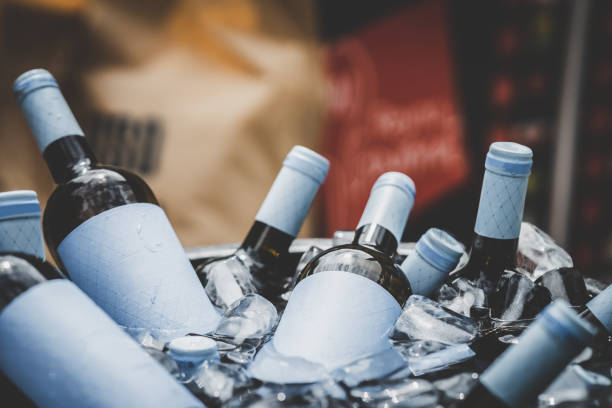
When you need to chill red wine quickly, use rapid but gentle methods to avoid shocking the wine. The fastest safe technique is the ice bucket method: fill a bucket with equal parts ice and water, then submerge the bottle for 10–15 minutes.
The water conducts cold more efficiently than ice alone, cooling the wine evenly. For even faster results, wrap the bottle in a damp towel and place it in the freezer for no more than 10 minutes, checking frequently to prevent over-chilling.
Avoid placing wine directly on freezer shelves, as extreme cold can cause precipitation of tannins and acids, altering texture and taste. Never use a microwave or hot water bath, as sudden temperature shifts damage delicate flavors.
Once chilled, serve immediately or transfer to a wine sleeve to maintain temperature, ensuring a balanced, enjoyable tasting experience.
Best Ways to Store Red Wine Before Serving

Ideal Long-Term Storage Conditions
To preserve the quality of red wine before serving, store bottles horizontally in a cool, dark place with a consistent temperature of around 55°F (13°C). This prevents the cork from drying out, maintaining an airtight seal and minimizing oxidation.
Fluctuations in temperature can cause the wine to expand and contract, potentially pushing the cork out slightly and allowing air to enter. Humidity levels around 70% help keep corks supple, especially in long-term cellaring.
Avoid storing red wine in areas exposed to light, vibration, or strong odors—such as above the refrigerator or near a stove—as these factors degrade wine over time. While most red wines are best consumed within 3–5 years, fine wines meant for aging require even more precise conditions.
Using a dedicated wine cooler or cellar ensures stable temperature and humidity, preserving the wine’s complexity and structure until it’s ready to be served.
How Long to Chill Red Wine Before Serving
The ideal serving temperature for most red wines is between 60–68°F (15–20°C), slightly cooler than room temperature. If the wine is stored at room temperature (around 70°F or higher), chill it in the refrigerator for 15 to 30 minutes before serving.
Lighter reds like Pinot Noir benefit from the cooler end of the range (55–60°F), so chill for 30–40 minutes. Fuller-bodied reds like Cabernet Sauvignon do best around 65°F—15–20 minutes in the fridge is usually sufficient. Avoid using the freezer, as rapid cooling can shock the wine and dull its flavors.
For faster chilling, use an ice bucket with water and ice for 10–15 minutes, rotating the bottle occasionally. Always use a wine thermometer or rely on tactile cues—bottle feels cool but not cold—to avoid over-chilling and ensure optimal aroma and taste.
Signs Your Red Wine Is Over-Chilled
An over-chilled red wine will feel numb or muted on the palate, with suppressed aromas and flattened flavors. Tannins may seem harsher, and fruity notes become difficult to detect, making the wine taste overly astringent or acidic.
Visually, very cold red wine might appear slightly hazy or develop harmless tartrate crystals, but the main clue is in the taste. If the wine seems closed-off or one-dimensional, let it warm up in the glass for 10–15 minutes.
Swirling the wine in the glass also helps release its bouquet as it reaches ideal temperature. Avoid reheating the bottle directly—instead, hold the bowl of the glass in your hands or let it sit at room temperature. Serving red wine too cold is a common mistake, but it’s easily corrected.
The goal is a balanced expression of fruit, acidity, and tannin—achieved only at the proper serving temperature.
Red Wine Varietals and Their Ideal Serving Temperatures
Light Reds: Pinot Noir and Gamay
Light red wines like Pinot Noir and Gamay benefit from a slightly chilled serving temperature between 55°F and 60°F (13°C–16°C) to preserve their delicate aromas and bright acidity. Serving them too warm can exaggerate alcohol and dull their vibrant fruit notes, while over-chilling masks their subtle complexity.
To achieve this ideal range, refrigerate the bottle for 30–45 minutes before serving—longer if the room is warm. These wines thrive when their crisp red fruit character—think cherry, raspberry, and strawberry—is balanced with freshness.
Avoid serving them at room temperature, especially in heated environments, as this can make them taste flat and overly alcoholic. Chilling enhances their food-pairing versatility, especially with dishes like roasted poultry, salmon, or mushroom-based meals.
Ultimately, a light chill unlocks their elegance and aromatic lift, making them more refreshing and enjoyable, particularly in warmer seasons or casual settings.
Medium-Bodied Reds: Merlot and Sangiovese
Medium-bodied reds such as Merlot and Sangiovese perform best when served at 60°F to 65°F (16°C–18°C), a temperature that balances their fruit expression with smooth tannins and acidity. Chilling them slightly enhances their structured yet approachable profile, preventing alcohol from dominating the palate.
To reach this ideal range, place the bottle in the refrigerator for 20–30 minutes before serving—this subtle cooling preserves their plum, red currant, and herbal notes while adding a refreshing lift. Serving too warm can make Merlot seem flabby and Sangiovese overly tannic, while excessive cold mutes their complexity.
This temperature sweet spot brings harmony to both fruit and earth components, making them excellent with pasta, grilled meats, and aged cheeses. Avoid room temperature in warm climates, as it often exceeds 70°F.
A brief chill ensures these versatile reds deliver their best texture and flavor, especially when enjoyed outside of formal dining settings.
Full-Bodied Reds: Cabernet Sauvignon and Syrah
Full-bodied reds like Cabernet Sauvignon and Syrah should be served slightly below traditional room temperature—ideally between 63°F and 68°F (17°C–20°C)—to showcase their depth without overwhelming the palate. While they require less chilling than lighter reds, a brief 15-minute refrigeration can help counteract excessive warmth, especially in heated rooms.
This slight cool-down tames alcohol heat and refines bold tannins, allowing dark fruit, spice, and oak nuances to shine. Serving them too warm can make Cabernet Sauvignon seem harsh and Syrah overly jammy, while over-chilling suppresses their rich aromatics.
The goal is a balanced mouthfeel where structure and flavor coexist—critical when pairing with steak, lamb, or hearty stews. Use a wine thermometer or test by taste to ensure precision.
Even robust reds benefit from temperature control: a minor chill enhances drinkability and reveals layers often masked by heat, making them more enjoyable from the first pour to the last.
Tools and Equipment for Temperature Control
Wine Fridges and Coolers
A dedicated wine fridge or cooler is essential for maintaining the ideal red wine chilling temperature of 55–65°F (13–18°C), depending on the varietal. Unlike standard refrigerators, which are too cold and can dry out corks, wine coolers offer precise temperature control and consistent humidity levels.
For optimal results, set your cooler to 60–65°F for full-bodied reds like Cabernet Sauvignon and 55–60°F for lighter reds such as Pinot Noir. Dual-zone wine coolers allow you to store both reds and whites at their ideal temperatures simultaneously.
Look for models with UV-protected glass doors and vibration reduction technology to protect wine quality. Whether you’re storing bottles long-term or chilling a bottle before serving, a wine cooler ensures your reds are always served at their best temperature, enhancing aroma, flavor, and overall drinking experience without over-chilling.
Using a Wine Thermometer
Accurately monitoring red wine temperature is simple with a digital wine thermometer, a must-have tool for enthusiasts who want precision. Insert the probe gently into the bottle (without touching the bottom) or use an infrared thermometer on the glass to get a quick reading.
The ideal serving range is 55–65°F (13–18°C), and a thermometer helps avoid serving reds too warm, which accentuates alcohol, or too cold, which dulls flavors. For best results, check the temperature after 15–20 minutes in the fridge.
Instant-read thermometers with laser targeting are especially helpful when decanting or serving multiple wines. By confirming the exact temperature, you ensure each varietal expresses its full aromatic complexity and balanced structure, elevating your tasting experience with professional-level accuracy and consistency every time.
Best Decanters for Temperature Maintenance
Choosing the right decanter can help maintain the ideal red wine chilling temperature during service, especially for extended tastings or dinners. Opt for decanters made from thick, insulated glass or those paired with cooling sleeves to slow temperature rise.
Wide-bottom decanters increase aeration, which benefits bold reds but can cause them to warm faster, so monitor serving time. Some modern decanters come with integrated cooling elements or fit into chilled stands for prolonged temperature control.
Crystal decanters not only enhance presentation but also preserve thermal stability better than thin glass. To maximize effectiveness, chill the decanter slightly before pouring in pre-chilled wine. This helps keep lighter reds like Gamay or Nebbiolo at their ideal 55–60°F range.
A well-chosen decanter supports both flavor development and temperature consistency, ensuring your wine stays perfect from the first to the last pour.
Serving Red Wine at the Right Temperature in Different Settings
At Home: Tips for Consistent Results
Achieving the ideal red wine chilling temperature at home ensures optimal flavor and aroma. Most red wines taste best between 60°F and 68°F (15°C–20°C), slightly cooler than room temperature. To reach this range, refrigerate the bottle for 15–20 minutes before serving if stored at room temperature.
For fuller-bodied reds like Cabernet Sauvignon, aim for the warmer end of the spectrum; lighter reds like Pinot Noir benefit from being closer to 60°F. Use a wine thermometer for precision, or rely on touch—after chilling, the bottle should feel cool but not cold.
Avoid the freezer, as over-chilling dulls flavors and can damage the wine’s structure. Storing wine in a dedicated wine cooler maintains consistent temperatures year-round. By following these simple chilling techniques, you preserve the wine’s balance and enhance your tasting experience with every pour.
At Restaurants: How to Request Properly Chilled Wine
When dining out, politely requesting properly chilled red wine can elevate your experience. Many restaurants serve reds too warm, which accentuates alcohol and dulls subtle notes. When ordering, specify, ‘Could you please serve this at slightly below room temperature, around 60–65°F?’ This signals knowledge and encourages attentive service.
If the wine arrives too warm, ask for an ice bucket or a brief chill in the refrigerator. Most sommeliers appreciate thoughtful requests and will accommodate. Remember, lighter reds like Gamay or Nebbiolo benefit more from cooling than heavy tannic wines. Avoid demanding ‘ice-cold’ reds, as extreme cold masks flavor.
Instead, emphasize balanced serving temperature for optimal taste. By communicating clearly and respectfully, you ensure the wine expresses its full character, enhancing both food pairings and enjoyment.
Outdoor Events: Keeping Wine Cool in Warm Weather
Serving red wine at the correct chilling temperature during outdoor events requires planning, especially in hot weather. The goal is to prevent overheating without over-chilling. Use an insulated wine sleeve or wrap the bottle in a damp cloth and place it in a shaded cooler with ice packs—never direct ice.
A portable wine thermos or vacuum-insulated jug can maintain temperature without dilution. Serve in smaller quantities and replenish bottles from a shaded, cool storage area. Avoid leaving wine in direct sunlight or warm vehicles.
For extended events, consider pre-chilling reds to 62°F (17°C) so they remain balanced as ambient heat rises. Educate hosts or servers on the importance of temperature control for reds, as misconceptions persist. With these practical cooling strategies, your red wine stays fresh, aromatic, and enjoyable—even in summer heat.
Common Mistakes When Chilling Red Wine and How to Avoid Them
Serving Room Temperature Wine Too Warm
Many people serve red wine at what they believe is ‘room temperature,’ but this often means too warm, especially in heated homes. The ideal chilling temperature for red wine is 55–65°F (13–18°C), cooler than typical indoor temperatures.
When served too warm, alcohol becomes more prominent, and delicate aromas fade, leading to a flat or unbalanced taste. To avoid this, refrigerate full-bodied reds like Cabernet Sauvignon for 15–20 minutes before serving, and lighter reds like Pinot Noir for 25–30 minutes.
Use a wine thermometer for accuracy, or simply feel the bottle—it should feel cool, not warm. This slight chill enhances freshness and structure, allowing the wine’s true character to shine. Remember, ‘room temperature’ in historical context referred to cooler European cellars, not modern living rooms.
Over-Chilling and How to Fix It
Over-chilling red wine dulls its aromas and makes tannins feel harsh, muting the flavors you want to enjoy. Chilling beyond 50°F (10°C) risks suppressing complexity, especially in bold reds like Syrah or Malbec.
If your wine is too cold, don’t panic—let it warm gradually in the glass or decanter for 10–15 minutes. Swirling the wine also helps release its bouquet faster.
Avoid quick fixes like holding the bowl of the glass or placing the bottle near heat, as these can damage the wine’s balance. To prevent over-chilling, set a timer when placing wine in the fridge—15 minutes is usually enough for most reds.
For longer chilling, use a wine cooler set to the proper range. Always aim to serve red wine cool enough to refresh but warm enough to express its full spectrum of flavors and aromas.
Misconceptions About Vintage and Chilling Needs
A common myth is that older vintages should never be chilled, but this isn’t true. Even aged reds benefit from being served at the optimal temperature range of 55–65°F (13–18°C). Proper chilling preserves balance and prevents alcohol from overwhelming delicate, evolved flavors.
Conversely, younger, fruit-forward reds can handle slightly cooler temperatures to highlight their vibrancy. The key is matching the chill to the wine’s structure, not its age alone. Lighter, older wines may need only a brief chill, while robust young reds can tolerate more cooling.
Use your palate as a guide—adjust temperatures slightly based on the wine’s response. By focusing on style and body rather than vintage year, you’ll serve every red wine at its best, revealing its intended harmony of fruit, tannin, and acidity.
Frequently Asked Questions
What is the ideal chilling temperature for red wine?
The ideal serving temperature for most red wines is between 60°F and 68°F (15°C–20°C). Lighter reds like Pinot Noir are best at the cooler end of this range, while fuller-bodied reds like Cabernet Sauvignon can be served slightly warmer to enhance their aromas.
Can you chill red wine too much?
Yes, chilling red wine below 55°F (13°C) can dull its flavors and aromas, making it seem flat or overly tannic. Over-chilled reds may also develop a sharper astringency, masking their complexity.
How long should I chill red wine in the refrigerator?
Chill red wine in the refrigerator for about 15–20 minutes to reach the ideal serving temperature. For quicker cooling, place it in the freezer for 10–15 minutes, but monitor it closely to avoid over-chilling.
Why should red wine be served slightly chilled?
Serving red wine slightly chilled helps balance its flavors, soften tannins, and preserve its aromatic complexity. It also prevents the alcohol from becoming too prominent, which can happen when wine is served too warm.
Do all red wines have the same chilling temperature?
No, different red wines have optimal serving temperatures. Lighter reds like Beaujolais or Lambrusco are best at 55°F–60°F (13°C–15°C), while fuller reds like Syrah or Malbec do well at 62°F–68°F (16°C–20°C).
Conclusion
Chilling red wine properly enhances its flavor and aroma, with most varieties best served between 60°F and 68°F. Lighter reds benefit from cooler temperatures, while fuller-bodied wines taste better slightly warmer. Avoid serving red wine at room temperature, especially in warm climates. Using a refrigerator or ice bath briefly can achieve ideal serving conditions. Experimenting with temperatures helps discover personal preferences. Enjoy the rich, balanced experience a well-chilled red wine can offer.