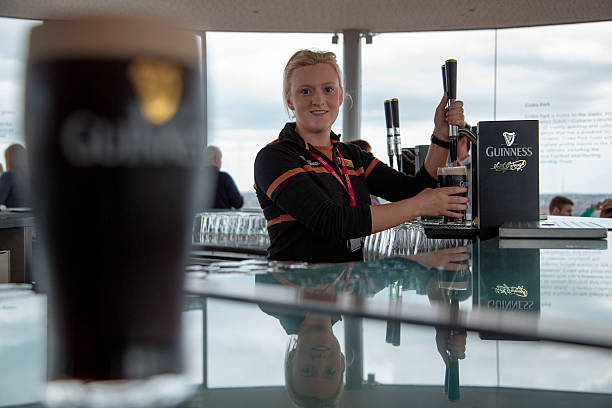
Pouring A Guinness On Tap
Don’t worry—we’ve got you covered. Whether you’re at a pub or serving at home, this guide walks you through the right angle, timing, and technique to pour a flawless Guinness every time. From tilting the glass to the two-stage pour, you’ll learn the secrets behind the smooth, rich taste and velvety finish that Guinness lovers crave. Get ready to pour like a pro in under a minute.
How to Pour a Guinness on Tap
Step-by-Step Guide to Draft Guinness
To pour a perfect pint of Guinness on tap, start by using a clean, dry tulip-shaped pint glass to ensure proper head formation and flavor preservation. Position the glass at a 45-degree angle under the tap nozzle and pull the handle fully down to initiate the flow.
Fill the glass approximately three-quarters full, allowing the dark stout to cascade and begin forming its signature creamy head. Once reached, pause and let the beer settle for about 60 to 90 seconds—this is crucial for achieving the smooth texture Guinness is known for.
After settling, return the glass to an upright position and complete the pour with a top-off to create a slight dome of foam. Avoid overfilling. The final result should display a rich, ruby-black body beneath a thick, creamy tan head.
This method ensures optimal carbonation balance and flavor expression with every sip.
The Two-Pour Method Explained
The iconic Guinness pour relies on the two-pour method, a technique designed to enhance both appearance and taste. Begin by angling the glass and releasing the first pour until it reaches the 75% mark—this activates nitrogen and CO2 dispersion, creating the beer’s unique surge and swirl.
Allow the beer to settle completely before the second pour; this rest period lets nitrogen bubbles rise and form a dense, velvety head. The second pour, delivered straight down into the center of the glass, tops off the pint with precision.
This two-stage process separates Guinness from standard draft beers, ensuring a smoother mouthfeel and balanced flavor. The visual transformation during settling is not just for show—it reflects the careful engineering behind every pint. Mastering this method elevates the drinking experience, delivering the authentic pub-quality stout served in Ireland.
Why the Settling Time Matters
The 90-second settling period between pours is not optional—it’s essential to achieving an authentic Guinness experience. During this time, nitrogen bubbles coalesce and rise, transforming the initially frothy liquid into a smooth, creamy beverage. Unlike carbon dioxide, nitrogen produces smaller, more stable bubbles that create Guinness’s signature silky texture.
Skipping the wait results in an overfoamy, rushed pint that lacks depth and balance. The settling phase allows the flavor profile to stabilize, bringing out the roasted barley and subtle sweetness beneath the bold appearance.
It also ensures the perfect ratio of liquid to foam—roughly 3/4 beer, 1/4 head—for ideal aroma release and sipping consistency. Patience during this stage reflects respect for the craft behind the pour. In premium bars and Irish pubs, this wait is standard because it guarantees quality with every glass.
What Equipment You Need for Tap Guinness
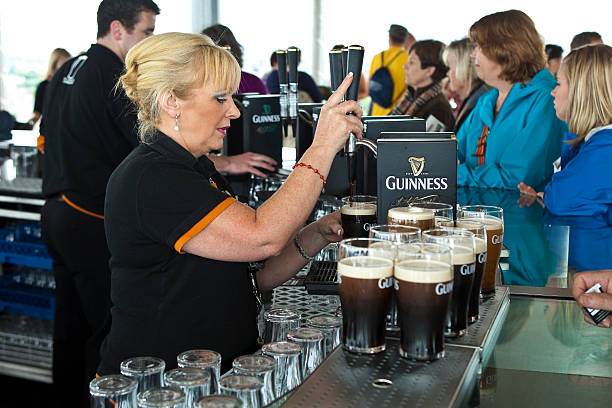
Essential Components of a Guinness Tap System
To pour a perfect pint of Guinness on tap, you need a properly configured draft system designed specifically for nitrogenated beers.
The key components include a keg of Guinness, a nitrogen-CO₂ gas blend (typically 75% nitrogen, 25% CO₂), a beer cylinder or nitrogen tank, a regulator, a beer line, a Guinness-specific coupler (also known as a tap key), and a specially designed restrictor plate faucet.
The nitrogen blend is crucial because Guinness relies on nitrogen for its creamy texture and slow cascade effect. Using the correct pressure (around 30 psi) ensures optimal pour quality. The beer line should be appropriately sized—usually 3/16 inch in diameter—to maintain resistance and control flow.
All components must be compatible and properly connected to avoid flat or over-pressurized beer. Setting up the system correctly from the start ensures every pint poured meets the high standards of a traditional Irish stout.
Choosing the Right Draft Beer Faucet
Pouring Guinness correctly requires a specially engineered faucet with a restrictor plate, often called a ‘Guinness stout faucet’. Unlike standard beer faucets, this type contains a small plate with tiny holes that aerate the beer and create the iconic surge and settle effect unique to Guinness.
The restrictor plate slows the flow, allowing nitrogen to activate and form the dense, creamy head. Opt for a high-quality, stainless steel faucet to resist corrosion and ensure long-term performance. Avoid standard or CO₂-only faucets, as they won’t replicate the proper pour.
The faucet must also be compatible with your draft system’s shank and beer lines. Installing the correct faucet is essential—not just for taste and texture, but for authenticity.
When paired with the right pressure and properly chilled beer, a Guinness faucet delivers the smooth, velvety pour that fans expect, making it a non-negotiable part of any home or commercial tap setup aiming to serve an authentic pint.
Maintaining Your Beer Lines and Coupler
Consistently pouring a perfect Guinness requires regular cleaning and maintenance of beer lines and the coupler. Over time, yeast, bacteria, and beer stone can build up, affecting flavor, flow, and foam quality.
Clean beer lines every two weeks using a food-grade line cleaning solution and proper cleaning kit to ensure freshness and hygiene. The coupler, which connects the keg to the beer line, should be disassembled and sanitized regularly to prevent contamination.
Use only approved cleaners and rinse thoroughly to avoid chemical residue. Inspect all components for wear, cracks, or leaks that could disrupt pressure or introduce oxygen. Proper maintenance not only preserves the distinctive taste and texture of Guinness but also extends the life of your draft system.
A well-maintained tap ensures every pour replicates the smooth, rich experience of a professionally served pint, straight from the keg to the glass.
Setting Up the Perfect Pour Environment

Ideal Temperature for Serving Guinness
To pour a perfect Guinness on tap, maintaining the ideal serving temperature is essential. Guinness should be served at a consistent 38°F (3°C), which allows the beer to maintain its smooth texture and rich flavor profile.
Temperatures that are too cold can dull the taste and inhibit proper nitrogen release, while warmer temperatures may result in excessive foam and poor head retention. Use a calibrated thermometer to verify the temperature at the tap, not just the keg fridge, as lines can warm the beer before dispensing.
Refrigerated beer lines and proper insulation help maintain this temperature throughout the system. Ensure your refrigeration unit runs steadily and avoid frequent door openings that disrupt the cold environment.
By keeping the entire draft system at 38°F, from keg to glass, you preserve Guinness’s signature creamy mouthfeel and ensure every pour meets the high standards expected of a perfectly poured pint.
Correct CO2 and Nitrogen Pressure Settings
Achieving the perfect Guinness pour requires the correct gas blend and pressure settings. Guinness uses a 75% nitrogen and 25% CO2 mix, which creates its signature smooth, creamy head and reduces carbonation bite. The recommended dispense pressure is 30 psi when using a nitrogen regulator.
This precise pressure ensures the beer flows at the right rate and allows the nitrogen to properly emulsify during the pour. Too much pressure causes over-foaming, while too little results in a flat, lifeless pour. Use a dedicated nitrogen regulator calibrated for blended gas and check for leaks regularly.
Always balance your system by matching gas pressure to line length and diameter to maintain consistency. Proper gas setup is critical—it affects both the visual appeal and taste of the beer.
By maintaining the correct blend and pressure, you ensure each pint delivers the iconic slow-rising surge and dense, velvety head Guinness is known for.
Cleaning and Sanitizing Your Draft System
A clean draft system is critical for preserving Guinness’s quality and taste. Residual beer, yeast, and bacteria in unclean lines can spoil flavor and ruin the pour. Clean your draft lines every two weeks using a food-grade line cleaning solution designed for beer systems.
Circulate the solution for at least 15 minutes, followed by a thorough rinse with cold water to remove all traces of cleaner. Don’t neglect faucets, couplers, and air gaps—these components also harbor contaminants. Sanitize all parts that contact beer to prevent microbial growth. Use a no-rinse sanitizer for final treatment.
Regular cleaning prevents off-flavors, poor head formation, and clogs. Keep a maintenance log to track cleaning schedules. A well-maintained system ensures every Guinness poured is fresh, smooth, and true to its character. Remember: clean lines equal perfect pints—it’s not just maintenance, it’s part of the craft.
Common Mistakes When Pouring Guinness from a Tap
Overfilling the Glass Too Soon
One of the most common mistakes when pouring a Guinness on tap is overfilling the glass too quickly at the start. Fill the glass only two-thirds full during the first pour to allow room for the nitrogen bubbles to rise and create the iconic creamy head.
Pouring too fast or filling the glass completely prevents proper separation of the beer and foam, resulting in a flat or overly foamy pint. Hold the glass at a 45-degree angle under the tap spout and pull the handle fully down to start the flow smoothly.
As the dark beer cascades down the side of the glass, it should form a rich, ruby-red body with a growing tan head. Stop precisely when the beer reaches the shoulder of the glass.
This controlled initial pour ensures the ideal balance between liquid and foam, setting the stage for a perfect finish after settling.
Skipping the Settle Time
Failing to allow adequate settle time is a critical error when pouring a Guinness from a tap. After filling the glass two-thirds full, let the beer rest for 119 seconds—this allows the nitrogen bubbles to rise and form the signature dense, creamy head.
Rushing this step by topping off immediately results in a head that’s too loose or collapses quickly. During this pause, the beer undergoes a visual transformation: the surge of bubbles stabilizes, creating a smooth, velvety texture. Patience ensures optimal mouthfeel and presentation.
This rest period is not optional—it’s scientifically essential for nitrogenated stouts like Guinness. Once the beer has settled completely and the head has formed, proceed to the second pour. Skipping this step compromises both flavor and authenticity, turning what should be a perfectly balanced pint into a subpar experience.
Using the Wrong Glassware
Serving Guinness in improper glassware undermines the entire pouring process and affects both taste and appearance. The official Guinness tulip glass is engineered to enhance aroma, support head retention, and showcase the beer’s color and cascade effect.
Using pint glasses, mugs, or stemless vessels disrupts the balance of nitrogen dispersion and head formation. The tulip shape narrows slightly at the top, which helps concentrate the aroma and maintain the creamy head throughout consumption.
Additionally, the etched harp at the bottom of authentic glasses promotes a steady bubble stream, enhancing visual appeal. Always ensure the glass is clean and free of residue—grease or soap film can destroy foam stability.
Using the correct glass isn’t just branding; it’s a critical component of the perfect pour and overall drinking experience.
Tips for Consistent Guinness Draft Quality
Checking for Proper Beer Flow Rate
Maintaining the correct beer flow rate is essential for achieving the perfect Guinness draft. The ideal pour should take between 110 to 120 seconds to complete, allowing the nitrogen and carbon dioxide to properly mix and form the signature creamy head.
To check flow rate, measure how long it takes to pour 11.2 fluid ounces (the standard pint size). If the pour is too fast, it may indicate excessive pressure or a worn tap line; if too slow, it could be due to kinks in the line, low pressure, or blockages.
Regularly monitor keg pressure, which should be maintained at 30 psi for optimal dispensing. Additionally, ensure beer lines are the correct length and diameter—typically 3/16 inch diameter and 4 to 5 feet in length. Schedule routine line cleaning every two weeks to prevent buildup that can affect flow.
Consistent flow ensures a smooth, controlled pour every time.
Inspecting for Froth and Head Issues
A proper Guinness pour should finish with a rich, creamy 1/2-inch head that settles perfectly over the dark ruby-brown body. If the head is too thick, foamy, or dissipates too quickly, it’s a sign of underlying draft system issues.
Excessive froth may stem from incorrect gas pressure, dirty glassware, or poorly maintained beer lines. Conversely, a flat or absent head often indicates low nitrogen levels, warm beer temperature, or a clogged faucet. Always use clean, residue-free glasses rinsed with cold water before pouring—avoid soap residue or air drying.
Check that the beer is stored at the ideal temperature of 38°F (3°C) to maintain proper gas solubility. Inspect the dip tube and widget in the keg setup to ensure nitrogen dispersion is functioning correctly.
Addressing these factors consistently ensures the iconic smooth mouthfeel and visual appeal of every Guinness served.
Training Staff on Correct Pour Technique
Consistent Guinness quality starts with proper staff training on the two-part pour method. Begin by tilting the glass at a 45-degree angle and pulling the tap fully open to fill the glass to the 75% mark.
Allow the beer to settle completely for 119 seconds, letting the nitrogen bubbles rise and form the creamy head. After settling, top off the glass in a straight, vertical motion to achieve the ideal 1/2-inch head.
Emphasize the importance of using the official Guinness glassware, which is engineered to enhance flavor and presentation. Train staff to recognize signs of improper pours and to report system issues immediately. Conduct regular refresher sessions and pour audits to maintain standards.
Empower bartenders with knowledge about the science behind the pour—understanding nitrogen dispersion and viscosity helps them appreciate precision. Well-trained staff ensure every pint meets Guinness’s high expectations.
Troubleshooting Tap Guinness Problems
Fixing Flat or Overly Foamy Pours
Achieving the perfect creamy head and smooth texture of a draft Guinness starts with proper pressure and temperature control. The ideal serving temperature is 38°F (3°C)—too warm causes excessive foam, while too cold suppresses carbonation.
Check that your CO2 pressure is set between 12–14 psi, as higher pressure over-carbonates the beer, leading to foam overflow. Ensure the beer line length and diameter are correctly balanced for Guinness’s nitrogen blend; typically, 3/16-inch inner diameter lines at 40–50 feet in length work best.
Clean your tap lines every 4–6 weeks to prevent clogs and microbial buildup that disrupt flow. Use a clean, dry tulip glass and pour at a 45-degree angle until three-quarters full, then let settle before topping off.
If issues persist, verify the nitrogen/CO2 mix (75% nitrogen, 25% CO2) in your gas cylinder. Consistent maintenance and calibration are critical for optimal pour quality.
Dealing with Slow Dispense Speed
A slow pour often stems from incorrect line resistance or low pressure. First, confirm the regulator is delivering 12–14 psi—pressure below this range won’t push the thick Guinness stout efficiently. Inspect the beer lines for kinks, blockages, or excessive length, which increase resistance and slow flow.
Lines longer than 50 feet may require adjustment or a longer dwell time. Cold spots or warm sections in the line can also affect viscosity; ensure the entire system maintains 38°F consistently. Clean lines thoroughly, as yeast or bacteria buildup narrows the interior diameter.
If pressure and lines are sound, check the tap valve and coupler for debris or wear—replace if necessary. Consider using a shorter, wider diameter beer line if the system layout allows.
A properly tuned draft system should pour a pint of Guinness in about 50–60 seconds, allowing for ideal settling and head formation.
Identifying Leaks in the System
Leaks compromise beer quality and pressure, leading to flat pours and wasted product. Begin by inspecting all gas and beer line connections—tighten any loose fittings and replace worn washers or O-rings.
Use a soapy water solution to check for bubbles around couplers, regulators, and keg posts; visible bubbles indicate gas leaks. Listen for hissing sounds near the CO2 tank, manifold, or nitrogen blender. Check the keg itself for dents or faulty seals, and ensure the spear is properly seated.
Monitor pressure gauges—if pressure drops without dispensing, a leak is likely present. Inspect hoses for cracks or brittleness, especially near clamps. Address leaks immediately, as even small ones disrupt the nitrogen balance critical to Guinness’s texture. Regular system audits prevent downtime and maintain pour consistency.
Best Ways to Serve Guinness in a Commercial Setting
Optimizing Tap Setup for High Volume
To ensure consistent quality when pouring Guinness on tap in a high-volume commercial setting, proper tap system configuration is essential. Use a dual-pressure system or restrictor plate to balance the nitrogen and CO₂ mixture at the ideal 75:25 ratio, which creates Guinness’s signature creamy head and smooth texture.
Maintain beer lines at 38°F (3°C) and clean them every two weeks to prevent buildup that can affect pour speed and flavor. Install long-draw systems with proper insulation if the keg is far from the tap, minimizing temperature fluctuations.
Utilize dedicated Guinness faucets with the correct 3mm widget tap design to replicate the cascading effect. Staff should monitor keg rotation and pressure gauges daily, ensuring seamless service during peak hours.
A well-maintained system reduces waste, improves customer satisfaction, and upholds brand standards, making it easier to serve perfect pints efficiently all day long.
Customer Presentation and Glass Etiquette
The way Guinness is presented significantly impacts customer perception and enjoyment. Always use clean, dry, branded Guinness glasses—preferably tulip or pint-shaped—to enhance aroma and visual appeal. Begin pouring at a 45-degree angle, filling the glass two-thirds full, then pause to allow the surge and settle, which typically takes 119 seconds.
This pause is critical for developing the rich, creamy head that defines a proper pour. Finish by topping straight to the brim, aiming for a perfect 1-inch foam crown. Present the beer with the label facing the customer and serve immediately.
Train staff to explain the two-part pour process as a mark of authenticity, turning each pour into a moment of theater. Proper presentation reinforces Guinness as a premium, crafted experience, encouraging repeat orders and positive word-of-mouth.
Promoting Guinness as a Premium Draft Option
Positioning Guinness as a premium draft choice requires strategic marketing and staff engagement. Highlight its distinctive pour ritual on menus, table tents, and digital displays, emphasizing the time and care taken to serve it correctly.
Train bartenders to upsell confidently, describing the beer’s smooth, roasted flavor and nitrogen-infused texture as superior to standard carbonated drafts. Offer tasting flights that include Guinness alongside other craft stouts to showcase its unique profile. Leverage Guinness’s global heritage and sustainability initiatives in promotional materials to appeal to discerning customers.
Create themed events like ‘Guinness Pint Nights’ with live music or Irish fare to build atmosphere. Use social media to share behind-the-scenes videos of the perfect pour, reinforcing authenticity.
When customers perceive Guinness as a thoughtfully served, high-quality experience, they’re more likely to choose it over alternatives, boosting sales and loyalty.
Frequently Asked Questions
What is the correct way to pour a Guinness on tap?
To pour a Guinness on tap, first tilt the glass at a 45-degree angle and pull the tap fully open to fill the glass two-thirds full. Allow the beer to settle for about 60-90 seconds, then top it off by pushing the tap forward to create a creamy head.
Why does Guinness need to settle before finishing the pour?
Guinness contains a mix of nitrogen and carbon dioxide, which creates its signature smooth texture. Letting it settle allows the bubbles to stabilize and form the rich, creamy head that Guinness is known for.
What type of glass should I use when pouring Guinness on tap?
Use a tulip-shaped pint glass or official Guinness glass, as the shape helps maintain the beer’s temperature, enhances the aroma, and supports proper head formation.
How long should I wait for Guinness to settle?
Wait 60 to 90 seconds after the initial two-thirds pour. This gives the nitrogen bubbles time to rise and form the characteristic creamy white head.
Should I use the widget when pouring Guinness on tap?
No, the widget is only in canned Guinness. When pouring from a tap, the nitrogenated system and special tap handle do the work of creating the smooth pour and head.
Can I pour Guinness straight up without tilting the glass?
Pouring straight down can create too much foam and disrupt the nitrogen dispersion. Always start with a 45-degree tilt for a smoother, properly layered pour.
Conclusion
Pouring a Guinness on tap is both an art and a science, requiring the right glassware, angle, and patience for the perfect surge. This method ensures a smooth, creamy head and rich flavor. With practice, anyone can master the iconic pour. So grab a pint glass and bring the pub experience home—cheers to your perfect Guinness!