Light Beer Making Kit
Looking for a light beer making kit that delivers great taste without the heaviness? You’re not alone—many home brewers want crisp, refreshing beer with fewer calories and carbs. The good news is there are excellent kits designed specifically for light beer, making it easy to brew quality lagers and pilsners right at home. In this guide, we’ll break down the best options, what to look for, and how to get started fast—so you can enjoy a cool, satisfying homemade light beer in no time.
What Is a Light Beer Making Kit?
Definition of a Light Beer Making Kit
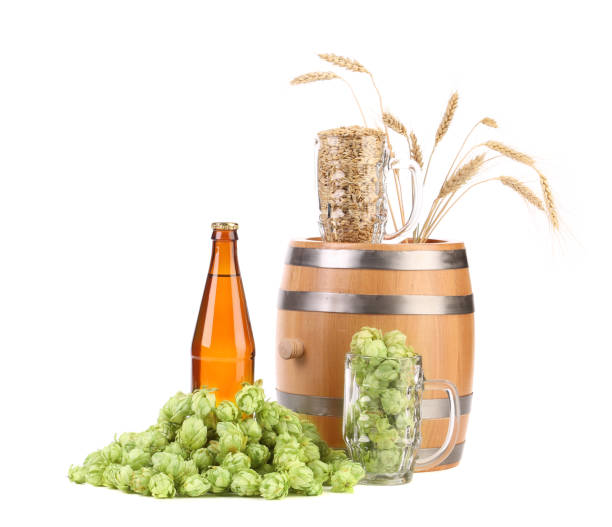
A light beer making kit is a pre-packaged set of ingredients and instructions designed to help homebrewers create lower-calorie, lower-alcohol beer with ease. These kits typically include malt extracts, hops, yeast, and priming sugar, tailored to produce a crisp, clean-tasting beer.
Many also come with step-by-step brewing guides, making them ideal for beginners. All-in-one kits often feature simplified processes like extract brewing, reducing the need for advanced equipment. The goal is to deliver a refreshing, sessionable beer without sacrificing flavor.
By focusing on efficient fermentation and lighter body, these kits streamline the brewing experience. Whether you’re new to brewing or seeking a healthier option, a light beer kit offers a convenient, consistent way to craft satisfying beer at home—perfect for warm days or casual gatherings where drinkability matters most.
How Light Beer Differs from Regular Beer
Light beer differs from regular beer primarily in calorie count, alcohol content, and body. Most light beers contain 90–110 calories per 12 oz, compared to 150+ in standard beers, achieved by reducing fermentable sugars and using highly attenuative yeast strains.
The alcohol by volume (ABV) is typically lower—around 3.5% to 4.2%—making it a session-friendly option. Light beers also have a crisper, cleaner finish due to fewer residual sugars and a more neutral flavor profile. While regular beers may emphasize malt richness or hop intensity, light beers prioritize drinkability and refreshment.
Brewers often use adjuncts like rice or corn to lighten the body and boost fermentability. This results in a thinner mouthfeel but maintains carbonation and balance. For homebrewers, light beer kits replicate these traits using optimized recipes that deliver a smooth, easy-drinking experience without complex techniques.
Common Ingredients in Light Beer Kits
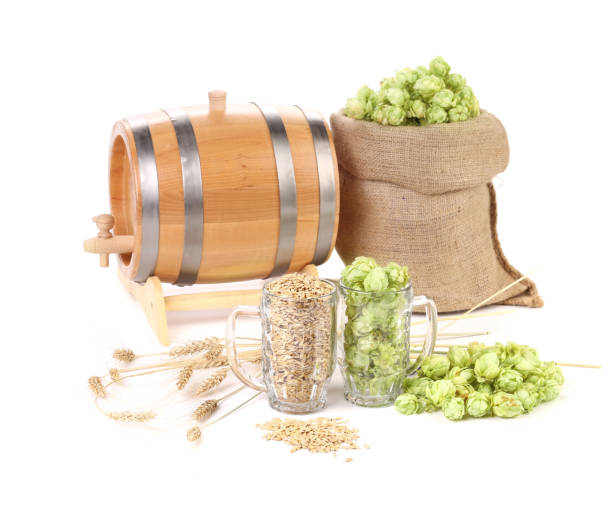
Light beer kits typically include light malt extract or dry malt syrup as the base, chosen for its low color and clean fermentability. To further reduce body and calories, many kits incorporate adjuncts like corn sugar or rice syrup, which ferment completely, leaving fewer residual sugars.
Noble or mild hop varieties—such as Saaz or Hallertau—are used in moderation to provide subtle bitterness without overpowering flavor. A specialized light beer yeast strain is essential; these yeasts are highly attenuative, meaning they convert more sugar into alcohol and carbon dioxide, resulting in a drier, lighter final product.
Kits also include priming sugar for carbonation and detailed instructions for fermentation control. Some advanced kits may add enzymes or clarifying agents to improve clarity and dryness.
By combining these ingredients thoughtfully, light beer kits help brewers achieve a crisp, refreshing beer that’s both satisfying and easy to drink, ideal for homebrewers seeking quality and simplicity.
Top Light Beer Making Kits on the Market
Best All-in-One Light Beer Starter Kits
For beginners and intermediate brewers seeking convenience and consistency, the best all-in-one light beer making kits offer everything needed to brew quality low-calorie beer at home. These kits typically include sterilized ingredients, pre-measured grains, hops, yeast, and easy-to-follow instructions. The **Mr.
Beer Premium Hops Brew Lab is a top choice, featuring a compact fermenter and quick 14-day turnaround. Another excellent option is the Northern Brewer Light American Ale Kit**, which uses real malt and produces a crisp, refreshing beer with fewer carbs.
Key advantages include minimal equipment setup, reduced risk of contamination, and beginner-friendly design. Most all-in-one kits require only water and a clean space to ferment, making them ideal for apartment living or small kitchens.
With clear labeling and step-by-step guidance, these kits empower new brewers to create satisfying light beers without prior experience. Look for kits with reusable equipment to maximize long-term value.
Budget-Friendly Options for Beginners
Starting your homebrew journey doesn’t have to be expensive—budget-friendly light beer making kits deliver quality without breaking the bank. Kits like the Craft a Brew Light Lager Kit and Homebrew Heaven’s Lite American Pilsner offer affordable entry points with complete ingredient packages under $40.
These kits focus on simple processes and accessible ingredients, making them perfect for first-time brewers testing the waters. Most include dry malt extract, specialty grains, and a packet of light-tolerant yeast, requiring only basic equipment like a pot, spoon, and fermenting bucket—items often already on hand.
Low initial investment and minimal waste make these kits sustainable choices. Additionally, many come with online support and video tutorials to guide you through each step. By choosing a budget kit, you can learn core brewing techniques while crafting refreshing, low-calorie beers.
Once comfortable, you can upgrade equipment gradually, using skills gained from these foundational experiences.
Premium Kits with Advanced Features
For serious homebrewers seeking refined control and superior results, premium light beer making kits provide advanced ingredients, detailed instructions, and high-performance components. Kits like the WilliamsWarn Personal Brewery System and BrewDemon Light Lager Kit feature temperature-controlled fermentation, reusable glass fermenters, and professional-grade yeast strains for a cleaner, crisper taste.
These systems emphasize precision brewing, allowing adjustments to carbonation, alcohol content, and flavor profiles. Many include digital hydrometers or app connectivity to monitor progress in real time. Enhanced sanitation and oxygen-free environments reduce spoilage risk and improve shelf life.
While pricier upfront, these kits offer long-term savings through refillable ingredients and durable construction. They’re ideal for enthusiasts who value consistency and want to replicate commercial light beers at home.
With premium kits, you gain not just beer, but a deeper understanding of fermentation science and recipe customization, elevating your brewing expertise significantly.
How to Choose the Right Light Beer Kit
Factors to Consider Before Buying
When selecting a light beer making kit, consider your brewing goals, available space, and time commitment. Light beer kits vary in batch size, typically producing 5 to 6 gallons, so ensure you have adequate storage and fermentation space.
Check what’s included in the kit—some provide fermenters, bottles, and sanitizers, while others only include ingredients. Decide whether you prefer all-in-one kits or modular components you can upgrade later.
Alcohol content and flavor profile are also important; light beers usually have lower ABV and a crisp, clean taste, so choose a kit that matches your taste preferences. Additionally, review customer feedback and ratings to gauge reliability and ease of use.
Lastly, assess the manufacturer’s reputation for quality and customer support, which can be crucial if you encounter issues during brewing.
Matching Kit Complexity to Your Skill Level
Choosing a kit that aligns with your experience level ensures a successful and enjoyable brewing experience. Beginners should opt for pre-hopped extract kits that simplify the brewing process by minimizing variables and reducing preparation time.
These kits often come with clear instructions and require less equipment, making them ideal for first-time brewers. Intermediate brewers might prefer partial-mash kits, which introduce grain steeping for enhanced flavor control and complexity.
For advanced homebrewers, all-grain light beer kits offer full customization but demand more equipment, time, and technical knowledge. Match the kit’s instructions to your comfort level—look for step-by-step guides, video support, or customer service access.
Starting too complex can lead to frustration, while overly simple kits may not challenge experienced brewers. The right balance fosters learning and consistent, high-quality results.
Checking Ingredient Quality and Freshness
The quality and freshness of ingredients directly impact the taste and clarity of your light beer. Always verify the production or packaging date on malt, hops, and yeast—stale ingredients can result in off-flavors or failed fermentation. Choose kits from reputable suppliers who store ingredients properly and offer recent batches.
Look for kits that use fresh, cryo- or vacuum-sealed hops to preserve aroma and bitterness, essential for a crisp light beer profile. Malt extracts should be free from oxidation, indicated by a deep amber rather than dark brown color.
Yeast viability is critical; check if the kit includes a fresh, temperature-stable strain suitable for light lagers or ales. If possible, opt for kits that allow you to upgrade to liquid yeast for better flavor control. High-quality, fresh ingredients ensure a clean, refreshing beer that truly represents the light style.
Step-by-Step Guide to Using a Light Beer Kit
Preparing Your Equipment and Workspace
Before starting with your light beer making kit, ensure all equipment is thoroughly cleaned and sanitized to prevent contamination. Gather essentials like a fermenter with an airlock, brewing spoon, siphon, thermometer, hydrometer, and bottles. Clean each item with a no-rinse sanitizer, paying close attention to hard-to-reach areas.
Set up your workspace in a clean, temperature-stable area away from direct sunlight and drafts. Check that your ingredient kit is intact—typically including malt extract, hops, yeast, and priming sugar. Pre-rinse bottles with sanitizer, and organize tools for easy access during brewing.
Sterilization is critical, as even small contaminants can spoil your batch. Prepare a large pot for boiling, and have cold water ready for cooling the wort.
Taking time during this phase ensures a smooth brewing process and helps produce a clean, crisp light beer with the desired light body and refreshing character.
Brewing Process: From Wort to Fermentation
Begin by heating 2–3 gallons of water in your brew pot, then remove from heat and stir in the malt extract from your light beer kit until fully dissolved. Return to heat and bring to a gentle boil, adding hops as specified in your kit’s instructions.
Maintain a steady boil for 60 minutes, monitoring to avoid boil-overs. After boiling, cool the wort quickly using an ice bath or wort chiller to around 70°F (21°C) to prevent bacterial growth. Transfer the cooled wort to your sanitized fermenter, topping up with cold, filtered water to 5 gallons.
Use a hydrometer to measure the original gravity, then sprinkle or pitch the included yeast. Seal the fermenter, attach the airlock, and store in a dark place at 64–70°F (18–21°C). Fermentation typically takes 7–14 days; bubbling will slow or stop when complete.
Bottling and Carbonating Your Light Beer
Once fermentation is complete, prepare for bottling by sanitizing bottles, caps, siphon, and tubing. Dissolve the included priming sugar in boiled water and add it to the bottling bucket to ensure even carbonation. Gently siphon the beer from the fermenter, avoiding the sediment at the bottom.
Fill each bottle, leaving 1 inch of headspace, then cap securely. Store bottles at room temperature (70°F/21°C) for 7–14 days to allow natural carbonation. Resist opening early—patience ensures proper fizz. After conditioning, chill one bottle and test it; if carbonated to taste, refrigerate the rest.
Your light beer should be crisp, clean, and refreshing, with a smooth finish. Label and date your bottles for tracking, and enjoy your homemade light beer within 3–6 months for best flavor.
Tips for Perfecting Your Light Beer Flavor
Adjusting Fermentation Temperature
Maintaining precise fermentation temperatures is crucial when using a light beer making kit to achieve a clean, balanced profile. For most light lagers, the ideal range is between 48–55°F (9–13°C) during primary fermentation.
Too high, and you risk producing unwanted esters and fusel alcohols that add harshness; too low, and your yeast may become dormant, leading to incomplete fermentation. Use a temperature-controlled fermentation chamber or wrap your fermenter in a water bath with frozen bottles to stabilize heat.
Pitch enough healthy yeast to ensure a strong start—under-pitching can stress yeast and create off-flavors. Consider a diacetyl rest by raising the temperature to 60–65°F (15–18°C) for the final few days to help yeast clean up any buttery compounds.
Consistent temperature control results in a smoother, crisper beer that highlights the light character without unwanted complexity.
Using Additives for Crisp Taste
Enhancing crispness in your light beer starts with strategic use of brewing additives available in most light beer making kits. Brewer’s rice or corn adjuncts help lighten the body and reduce residual sweetness, contributing to that refreshing finish.
Consider adding enzymatic sugar like dextrose to boost fermentability, lowering the final gravity and creating a drier taste. Water chemistry also plays a role—aim for balanced sulfate-to-chloride ratios to accentuate dryness without harshness.
A small addition of lactic acid (0.1–0.5 mL per gallon) can subtly brighten flavor, mimicking the clean tartness found in commercial light beers. Avoid overusing these additives; precision is key. Measure additions carefully and keep detailed notes to replicate success.
When used correctly, these tools help craft a light, thirst-quenching beer with a clean finish and minimal aftertaste, just like your favorite store-bought version.
Avoiding Common Off-Flavors
To perfect your light beer, vigilance against common off-flavors is essential, as their subtle profile makes flaws more noticeable. Diacetyl (buttery taste) often stems from incomplete fermentation—ensure proper yeast health and perform a diacetyl rest.
Acetaldehyde (green apple) suggests young beer; allow sufficient conditioning time for yeast to clean it up. Sulfur notes are common with lager yeasts but should dissipate with full fermentation. Oxidation (cardboard taste) is a major concern in light beers; minimize oxygen exposure post-fermentation by avoiding splashing during transfers and bottling.
Use fresh, properly stored ingredients and sanitize all equipment thoroughly to prevent contamination. Chlorophenols (medicinal taste) can arise from chlorinated water—always use filtered or campden-treated water.
By focusing on clean techniques, temperature control, and patience, you’ll avoid these pitfalls and produce a consistently crisp, clean-tasting light beer straight from your kit.
Troubleshooting Common Light Beer Brewing Issues
Why Your Beer Isn’t Carbonating
If your light beer isn’t carbonating, the most common culprit is inadequate priming sugar or improper mixing during bottling. Ensure you’re using the correct amount of priming sugar—typically 3/4 cup of corn sugar for a 5-gallon batch—and dissolve it completely in boiled water before adding it to the beer.
Another key factor is yeast health at bottling time; even if fermentation finished, some yeast must remain active to carbonate. If the beer was chilled too quickly or filtered, yeast may be dormant. In such cases, rehydrate a small amount of fresh dry yeast and pitch it during bottling.
Also, confirm that bottles are stored at 68–75°F (20–24°C) for at least two weeks to allow carbonation. Avoid storing in cold environments, as this stalls the process. Patience and proper sanitation are essential—wait at least three weeks before troubleshooting further.
Dealing with Cloudy or Hazy Beer
Cloudiness in light beer often stems from insufficient clarification during brewing or temperature fluctuations. To achieve bright, clear beer, use fining agents like Irish moss during the boil and consider adding gelatin or isinglass during fermentation.
Rapid temperature changes can also cause chill haze, so cool the wort gradually after boiling. Ensure your fermentation temperature remains stable, as wild swings encourage protein and tannin binding that leads to haze.
Another key step is allowing adequate lagering or cold conditioning—even for ale-based light beers—by storing the fermented beer near freezing for 1–2 weeks. This encourages yeast and particles to settle. Also, avoid excessive movement or agitation when transferring beer.
If using a kit, check that the included instructions were followed precisely, especially regarding fermentation duration and temperature control for optimal clarity.
Fixing Weak or Bland Flavor Profiles
A flat or uninspiring flavor in light beer usually results from over-dilution, poor ingredient quality, or rushed fermentation. Many light beer kits rely on high water-to-malt ratios, which can wash out flavor—consider reducing water volume slightly or adding a small amount of specialty malt for depth.
Use fresh, high-quality yeast and rehydrate it properly to ensure a clean, complete fermentation. Under-pitching or old yeast can lead to off-flavors or incomplete attenuation, muting the profile. Also, avoid cutting fermentation short; let the beer condition fully so yeast can clean up byproducts like diacetyl.
Enhance character by dry-hopping lightly with noble hops for subtle aroma, or use a touch of acidulated malt to brighten the finish. Finally, taste at multiple stages to identify when flavor drops off, allowing targeted adjustments in your next batch.
Storing and Serving Your Homemade Light Beer
Ideal Storage Conditions for Freshness
To preserve the crisp, clean taste of your homemade light beer, proper storage is essential. Store bottles or kegs in a cool, dark place with a consistent temperature between 45–55°F (7–13°C) to prevent oxidation and off-flavors.
Avoid direct sunlight and temperature fluctuations, as these can degrade hops and create skunky aromas. Keep containers upright to minimize yeast disturbance and maximize shelf life. If using bottles, ensure they are properly sealed with high-quality caps to maintain carbonation.
For kegged beer, use CO2 to pressurize and prevent air exposure. Limit oxygen contact during transfer and packaging, as light beers are more sensitive to staling. Using dark glass bottles or stainless steel kegs adds an extra layer of protection.
Following these steps ensures your beer retains its bright, refreshing character until serving time, delivering the quality you intended from your light beer making kit.
Best Serving Temperatures and Glassware
Serve your homemade light beer chilled but not ice-cold—ideally between 38–45°F (3–7°C)—to highlight its balanced flavor and crisp finish without muting subtle notes. Over-chilling masks aroma and sweetness, diminishing the drinking experience. Use clean, rinsed glassware free of soap residue, which can ruin head formation.
A tall pilsner glass or tulip glass works best, promoting carbonation retention and showcasing the beer’s clarity and effervescence. Pour gently down the side of the glass at first, then straighten for a one-inch foam head, which enhances aroma and mouthfeel.
Avoid plastic or metal containers, as they can alter taste and reduce fizz. Chill the glass briefly before serving to maintain temperature. Proper serving enhances the results of your light beer making kit, delivering a refreshing, professional-quality pour every time.
How Long Homemade Light Beer Lasts
Homemade light beer typically stays fresh for 4 to 6 weeks when stored correctly, with peak flavor within the first month. Due to lower hop and malt content, light beers are more prone to staling over time, so prompt consumption is recommended.
Bottled beer should be kept in a cool, dark environment to slow oxidation and preserve carbonation. While some ales improve with age, light beers are best enjoyed fresh and crisp. Kegged versions last slightly longer—up to 8 weeks—thanks to better oxygen control.
Always check for off-flavors, haze, or flatness before serving. If using a light beer making kit, follow the fermentation timeline closely and avoid extended storage beyond two months. Label each batch with the brew date to track freshness.
This ensures every sip reflects the clean, refreshing quality your kit was designed to produce.
Frequently Asked Questions
What is a light beer making kit?
A light beer making kit is a pre-packaged set of ingredients and equipment designed to help homebrewers create lighter, lower-calorie beers with reduced malt and alcohol content. These kits typically include light malt extracts, hops, yeast, and instructions tailored for a crisp, refreshing finish.
What equipment is included in a light beer making kit?
Most light beer making kits include a fermenter with an airlock, siphon, bottles, caps, sanitizer, light malt extract, hop pellets, and brewing yeast. Some all-in-one kits may also provide a thermometer, hydrometer, and cleaning tools.
How long does it take to make light beer with a kit?
Brewing light beer with a kit usually takes 2 to 3 weeks, including 1 to 2 weeks of primary fermentation and an additional week for bottling and carbonation. Chill conditioning can further enhance clarity and flavor.
Can beginners use a light beer making kit?
Yes, most light beer making kits are designed for beginners and include step-by-step instructions, pre-measured ingredients, and easy-to-follow processes. With basic sanitation and temperature control, novice brewers can successfully create quality light beer.
How is light beer different from regular beer in homebrew kits?
Light beer in homebrew kits uses fewer fermentable sugars and lighter malts to reduce calories and alcohol content, resulting in a crisper, less full-bodied beer. The brewing process is similar but emphasizes balance and drinkability.
Do light beer kits require special brewing conditions?
Light beer kits don’t require special equipment, but they do benefit from consistent fermentation temperatures (around 64–70°F) to avoid off-flavors. Proper sanitation and patience during conditioning are key to a clean, crisp result.
Where can I buy a light beer making kit?
Light beer making kits are available at homebrew supply stores, online retailers like MoreBeer or Northern Brewer, and some craft beer shops. Look for kits labeled ‘light,’ ‘session,’ or ‘low-gravity’ for best results.
Conclusion
Making light beer at home with a light beer making kit is simple, affordable, and rewarding. These kits offer beginners and experienced brewers alike the chance to create refreshing, lower-calorie beer with minimal equipment and effort. With clear instructions and quality ingredients, you can enjoy custom brews tailored to your taste. Whether you’re health-conscious or just love crafting beer, a light beer kit is a great way to start or expand your brewing journey. Cheers to delicious homemade light beer!