
How To Wash Range Hood Filter
Cleaning your range hood filter doesn’t have to be a chore. You’ll learn what supplies you need, how long to soak, the best scrubbing technique, and tips to keep it looking like new. Follow along and your kitchen will stay fresh, and you’ll avoid greasy buildup in no time without hassle, and enjoy a cleaner cooking environment.
Understanding Your Range Hood Filter Types
Metal vs. Charcoal Filters: Pros and Cons
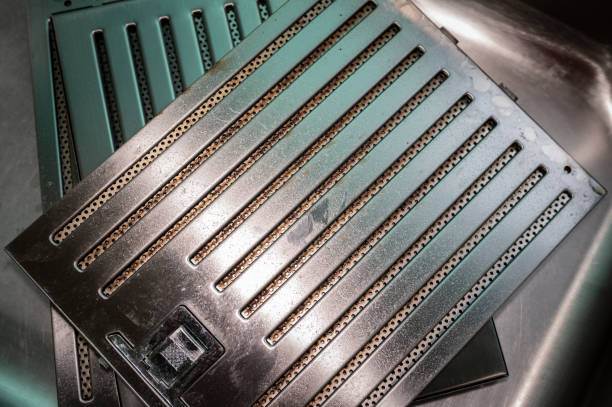
Understanding the two main filter families helps you choose the right cleaning routine. Metal mesh filters are typically made of aluminum or stainless steel and capture grease through a fine lattice. They are durable, can withstand high‑heat cycles, and are reusable after a simple wash, making them cost‑effective over time.
However, they may rust if not dried properly and can become clogged if not cleaned regularly. Charcoal filters, on the other hand, are designed to absorb odors and smoke particles. They are replace‑only, as the activated carbon loses its capacity after a few months.
While they keep the kitchen smelling fresh, they add recurring expense and cannot be washed without compromising performance. Knowing these pros and cons lets you plan maintenance: metal filters get a weekly wash, whereas charcoal filters need scheduled replacement based on usage and odor levels.
How to Identify the Correct Filter Size
Before you reach for a sponge, verify that you have the exact filter model for your hood. Start by locating the part number printed on the metal frame or the back of a charcoal cartridge; it usually appears as a series of letters and digits (e.g., BF‑12 or M‑30).
Measure the width, depth, and, if applicable, the diameter of the filter using a tape measure, noting any curvature that matches the hood’s contour. Cross‑reference these dimensions with the manufacturer’s installation guide or the online product catalog; most brands list compatible models by hood series and vent size.
If you’re uncertain, take a clear photo of the filter and compare it to images on the retailer’s site, or call customer support with the hood’s make, model, and serial number.
Confirming the correct size prevents the frustration of ill‑fitting parts and ensures that cleaning or replacement will restore optimal airflow and capture efficiency.
Why Regular Cleaning Matters
Keeping your range hood filter clean is more than a cosmetic task; it directly influences kitchen safety and energy use. A clogged metal mesh or saturated charcoal pad restricts airflow, forcing the fan motor to work harder and increasing electricity consumption by up to 20 percent.
Reduced suction also allows grease particles to settle on the interior surfaces, creating a fire hazard that can ignite when exposed to high heat. Regular cleaning—ideally every one to two weeks for heavy cooking and monthly for light use—removes built‑up grease, restores optimal airflow, and prolongs the motor’s lifespan.
Moreover, a fresh filter maintains the hood’s ability to capture odors, keeping the cooking area pleasant and preventing lingering smells from spreading throughout the home. By establishing a simple cleaning schedule, you protect both your appliance and your household, while also saving on utility bills and potential repair costs.
Gathering the Essential Cleaning Supplies
Recommended Cleaning Solutions
Start by selecting a cleaning solution that cuts grease without damaging metal. Warm soapy water mixed with a few drops of dish detergent works for most aluminum or stainless‑steel filters. For stubborn carbon buildup, add a tablespoon of white vinegar or a splash of lemon juice to boost acidity.
If you prefer a commercial option, choose a non‑abrasive degreaser labeled safe for kitchen appliances. Avoid bleach or harsh acids, as they can corrode the filter’s finish. Before applying any liquid, test a small area to ensure there is no discoloration.
Pour the solution into a basin and submerge the filter, letting it soak for five to ten minutes. This pre‑soak loosens baked‑on residue, making the subsequent scrubbing far easier and reducing the need for aggressive scrubbing that could warp the filter during cleaning.
Tools You’ll Need: Brushes, Sponges, and Soft Cloths
Equip yourself with the right tools to avoid scratching or bending the delicate filter mesh. A soft‑bristled dish brush or an old toothbrush works well for reaching tight corners and crevices. For larger surface areas, a non‑scratch sponge or a microfiber cloth can gently lift grease without leaving fibers behind.
If the filter is particularly greasy, a plastic scraper with a rounded edge can help pry off residue without gouging the metal. Keep a separate bucket for rinsing so that dirty water doesn’t re‑contaminate a clean tool.
After each use, lay the brushes and sponges on a clean towel to air‑dry, preventing mildew growth. Having these specific implements on hand speeds up the cleaning cycle and ensures a uniform, streak‑free finish on every pass.
Finally, store the tools in a dry cabinet to keep them ready for the next maintenance session, which helps maintain their effectiveness and prolongs their lifespan.
Safety Gear: Gloves and Eye Protection
Protecting yourself while cleaning the range hood filter prevents accidental injuries and keeps the cleaning process efficient. Wear a pair of rubber gloves to shield your hands from hot water, strong detergents, and any sharp edges on the metal frame.
Gloves also improve grip, reducing the chance of the filter slipping and breaking during scrubbing. For eye safety, use safety glasses or clear goggles, especially when spraying liquid cleaners or when splashing may occur.
If you are using a commercial aerosol degreaser, the fine mist can irritate eyes, making protection essential. Additionally, consider wearing an apron to keep your clothing free from greasy stains.
By donning this basic protective gear, you can work confidently, avoid skin irritation, and ensure a thorough clean without compromising personal safety.
Make sure the gloves are free of holes and the goggles fit snugly, as any gaps could allow chemicals to contact skin or eyes, which could cause irritation or allergic reactions during the cleaning routine.
Step-by-Step Guide: Cleaning a Metal Mesh Filter

Removing the Filter Safely
Before you begin, turn off the range hood and allow it to cool for at least five minutes to prevent burns. Gently slide the hood forward or release any mounting clips according to the manufacturer’s guide.
Grip the filter edges with a clean cloth to avoid dropping it, then lift it straight out, keeping it level to prevent grease spillage. If your model uses a magnetic or screw‑on attachment, loosen the fasteners slowly while supporting the filter.
Place the removed filter on a heat‑resistant surface, such as a silicone mat, to keep your countertop clean. This careful removal not only protects the delicate mesh but also reduces the risk of scattering hot grease onto nearby appliances or flooring.
Safety first ensures a smoother cleaning process and extends the lifespan of both the filter and the hood.
Soaking and Scrubbing Techniques
Fill a large basin or the kitchen sink with hot water, then add a generous splash of dish‑washing liquid and a tablespoon of white vinegar to cut through baked‑on grease. Submerge the metal mesh filter completely and let it soak for 10‑15 minutes, allowing the solution to loosen stubborn particles.
After soaking, use a soft‑bristled brush or an old toothbrush to scrub the mesh in gentle, circular motions, focusing on the most clogged sections.
For extra power, sprinkle a light layer of baking soda on the brush; the mild abrasive reacts with the vinegar for a fizzing action that lifts residue without damaging the fine wires. Keep the brush angled to avoid bending the mesh.
If any heavy spots remain, repeat the soak‑and‑scrub cycle for another five minutes. Throughout, maintain consistent pressure to ensure even cleaning and prevent creating holes in the filter.
Rinsing and Drying for Optimal Performance
After scrubbing, place the filter under a steady stream of warm running water to rinse away all soap, vinegar, and loosened debris. Tilt the filter slightly so water can flow through the mesh holes, ensuring no residue remains trapped inside.
For a thorough rinse, fill a second basin with clean water and gently agitate the filter for 30 seconds, then flip it over and repeat. Once the water runs clear, pat the filter dry with a lint‑free microfiber towel, pressing lightly to absorb excess moisture without bending the wires.
Allow the mesh to air‑dry for an additional 10‑15 minutes in a well‑ventilated area to prevent rust formation. Before reinstalling, inspect the filter for any remaining spots; a quick spot‑check with a flashlight can reveal hidden grime.
Finally, slide the dry filter back into the hood, re‑secure any clips, and turn the appliance on to enjoy restored suction and cleaner kitchen air.
Step-by-Step Guide: Cleaning a Charcoal Filter
When to Replace vs. Clean Charcoal Filters
When a charcoal filter starts to smell sour, loses suction power, or shows visible discoloration, it’s time to consider replacement rather than cleaning. Inspect the filter monthly; a thin layer of grease is normal, but heavy buildup indicates the carbon has been saturated.
Most manufacturers recommend swapping the filter every 3‑6 months for optimal odor absorption. If the filter is still structurally intact and only lightly soiled, a gentle wash can extend its life for another month or two. Never use harsh chemicals that can degrade the activated carbon.
Keep a spare filter on hand so you can quickly swap it out during deep‑cleaning sessions, preventing downtime in the kitchen. By distinguishing between replacement and cleaning, you maintain consistent airflow, reduce lingering cooking smells, and protect the hood’s motor from strain.
Additionally, check the manufacturer’s guide for model‑specific intervals, as some high‑end hoods with thicker carbon layers can endure longer use. Document the date you replace or clean the filter in a kitchen log; this habit helps you anticipate future maintenance and avoid surprise odors.
Remember that a clean filter not only improves air quality but also reduces energy consumption by allowing the fan to operate at its designed speed. Finally, ensure the filter is completely dry before reinstalling it to prevent mold growth.
Gentle Cleaning Methods for Activated Carbon
Start by removing the charcoal filter from the hood and tapping it lightly over a trash bin to dislodge loose debris. Fill a basin with warm water and add a few drops of mild dish soap; avoid abrasive cleaners that can strip the carbon pores.
Submerge the filter for no more than five minutes, gently agitating it with your hands to loosen grease without scrubbing. For stubborn spots, use a soft‑bristled brush dipped in the soapy solution, moving in a circular motion.
Rinse thoroughly under running water until all soap suds disappear, as residue can neutralize the filter’s odor‑absorbing capacity. After rinsing, place the filter on a clean towel and pat it dry, then let it air‑dry in a well‑ventilated area for at least an hour.
Do not use a dishwasher or microwave, as high heat deactivates the carbon and reduces its lifespan.
Ensuring No Residue Remains
After the filter has dried, give it a final inspection to confirm that no soap film or water spots are left, because even a thin layer can impair the carbon’s ability to trap odors.
Hold the filter up to a bright light; any hazy patches indicate remaining residue that should be rinsed again. If you notice a faint smell of detergent, repeat the rinse cycle using plain lukewarm water until the scent disappears.
Before reinstalling, wipe the hood’s interior with a damp cloth to remove any stray droplets that could settle on the filter. Secure the filter back into its slot, ensuring it clicks firmly into place to avoid air leaks.
Finally, run the hood on low speed for a few minutes to verify proper airflow and that the filter is functioning without obstruction. Regularly repeat this verification after each cleaning session to maintain peak performance.
Alternative Cleaning Methods and Tips
Using Baking Soda and Vinegar Solutions
Start by removing the metal or charcoal filter from the hood and give it a quick shake to dislodge loose debris. Fill a large basin or sink with hot water, then add one cup of white vinegar and two tablespoons of baking soda; the fizzing reaction helps break down grease.
Submerge the filter and let it soak for 10‑15 minutes while you scrub the surrounding hood interior. After soaking, use a soft‑bristled brush or an old toothbrush to scrub both sides, paying special attention to the mesh pockets where oil accumulates.
Rinse the filter under running hot water until all suds disappear, then dry it with a clean towel or let it air‑dry completely before reinstalling. Key points: - Vinegar‑baking soda combo cuts grease fast, - Soak time 10‑15 min, - Soft brush protects delicate mesh.
Repeat this routine monthly for best results.
Dishwasher Safe Filters: What to Know
Many modern range hoods come with filters labeled as dishwasher‑safe, which can save you time if you have a full load. Before tossing the filter into the machine, rinse off excess grease with warm water to avoid clogging the dishwasher’s spray arms.
Place the filter on the top rack, away from heavy utensils, and select a short, high‑temperature cycle with a rinse‑aid detergent; this combination melts stubborn oil without damaging the metal coating.
After the cycle finishes, inspect the filter for any remaining residue; a quick wipe with a non‑abrasive sponge will finish the job. Allow the filter to air‑dry completely before reinstalling, as moisture can rust the metal over time.
Key points: - Rinse first to protect dishwasher, - Top‑rack placement, - Short hot cycle with rinse‑aid, - Dry fully to prevent rust. Doing this each month keeps airflow optimal.
Quick Spot-Cleaning Hacks for Busy Kitchens
When you’re short on time, spot‑cleaning the hood filter can prevent grease buildup without a full soak. Keep a spray bottle filled with equal parts water and white vinegar, and add a few drops of dish soap for extra cutting power.
Lightly mist the oily spots, let the mixture sit for two minutes, then scrub the area with a soft toothbrush or a piece of folded kitchen towel.
For stubborn carbon deposits, sprinkle a pinch of baking soda on the damp spot before scrubbing; the mild abrasive lifts grime without scratching the metal. Rinse the treated area with a damp cloth, wipe dry, and reattach the filter.
This method works well for weekly maintenance and extends the time between deep cleans. Key points: - Vinegar‑water spray for fast degreasing, - Two‑minute dwell, - Baking soda boost for tough spots, - Soft brush protects mesh.
Reinstalling and Testing Your Range Hood
Proper Reattachment Techniques
After the filter has been thoroughly cleaned and completely dried, begin reattachment by first turning off the hood and unplugging it for safety. Align the filter with the mounting brackets, ensuring the curved side faces the interior of the hood so airflow is directed correctly.
Slide the filter into place until you hear a gentle click, then secure any retaining clips or screws according to the manufacturer’s instructions. Double‑check that the filter sits flush against the vent opening; gaps can reduce suction and cause noise.
If your model uses a magnetic latch, confirm the magnet engages fully. Finally, restore power and visually inspect the filter to verify it is level and stable before proceeding to the testing phase. Proper reattachment not only preserves cleaning effort but also maintains optimal performance and prolongs the hood’s lifespan.
Running a Test Cycle to Check Airflow
With the filter securely reinstalled, power the hood and set it to its highest fan speed for a brief test cycle. Observe the airflow by placing your hand near the vent opening; a steady, strong breeze indicates proper suction.
Listen for any unusual rattling or whistling that could signal a misaligned filter or loose mounting hardware. Use a piece of lightweight paper or a tissue and hold it under the vent; it should lift smoothly without fluttering excessively.
Record the motor’s noise level and compare it to the baseline you noted before cleaning; a significant increase may point to debris still trapped in the ductwork. After one minute, reduce the fan to a medium setting and repeat the hand‑test to ensure consistent performance across speeds.
Document any irregularities, as they will guide the next troubleshooting steps. Completing this test confirms that the cleaned filter is functioning correctly and that the hood’s overall ventilation efficiency has been restored.
Troubleshooting Common Post-Cleaning Issues
If the test cycle reveals weak suction, excess noise, or uneven airflow, several common issues may be at play after cleaning. Check for residual grease on the filter edges; even a thin film can restrict air passage, so re‑wash the filter with hot, soapy water and rinse thoroughly.
Verify that the filter is seated fully against the vent; a slight tilt creates gaps that diminish performance. Inspect the duct connections for looseness or buildup, tightening clamps and cleaning any visible debris with a flexible brush.
Ensure the hood’s internal fan blades are free of dust, as accumulated particles can unbalance the motor and generate louder operation. For models with a charcoal or carbon filter, confirm it has not become saturated; replace it if necessary, as it does not clean like a metal mesh.
Finally, consult the user manual for error codes; many manufacturers provide specific guidance for post‑maintenance problems, helping you restore optimal ventilation without professional service.
Maintenance Schedule and Long-Term Care
Creating a Cleaning Calendar
Establishing a regular cleaning calendar prevents grease buildup and keeps your range hood performing efficiently. Start by noting the filter type—metal mesh, aluminum, or charcoal—and consult the manufacturer’s recommended cleaning frequency, typically every 1–3 months for heavy cooking and quarterly for lighter use.
Mark these dates in a digital planner or on a kitchen wall calendar, setting reminders a week before each cleaning session. When the day arrives, gather supplies: warm water, mild dish soap, a soft‑bristle brush, and a non‑abrasive sponge.
Soak the filter for five to ten minutes, then gently scrub to release trapped particles. Rinse thoroughly and allow it to air‑dry completely before reinstalling.
By logging each cleaning event, you can track patterns, adjust intervals based on cooking habits, and ensure the hood maintains optimal airflow, reducing fire risk and energy consumption.
Signs Your Filter Needs Immediate Attention
Recognizing early warning signs saves you from costly repairs and keeps kitchen air fresh. Visible grease streaks or a darkened filter surface indicate that particles are clinging and airflow is restricted.
If you notice a persistent humming noise from the hood or reduced suction while cooking, the filter is likely clogged. Unusual odors, especially a lingering burnt smell after use, suggests buildup that needs urgent cleaning.
Additionally, a frequent tripping of the circuit breaker can result from the motor working harder against a blocked filter. Conduct a quick visual check weekly: hold the filter up to light; if it appears opaque or the mesh is coated, schedule an immediate wash.
By responding to these cues promptly, you prevent strain on the motor, avoid fire hazards, and maintain the hood’s efficiency, extending the overall lifespan of the ventilation system.
Extending the Life of Your Range Hood System
Implementing proactive habits ensures your range hood lasts many years with minimal performance loss. Clean the filter using the calendar method described earlier; a thorough wash every 1–3 months prevents grease from hardening and corroding metal components.
Wipe the exterior of the hood and interior baffles with a damp cloth after each heavy cooking session to stop residue buildup. Schedule an annual deep inspection: remove the filter, check the fan motor for dust, and tighten any loose screws or mounting brackets.
Apply a thin layer of high‑temperature silicone grease to the motor bearings if recommended by the manufacturer, which reduces friction and overheating. Upgrade to a higher‑efficiency filter—such as stainless‑steel mesh—if you frequently cook with oils, as these endure more cycles before replacement.
By combining regular cleaning, periodic mechanical checks, and appropriate filter choices, you safeguard airflow, lower energy use, and dramatically extend the functional lifespan of your ventilation system.
Frequently Asked Questions
How often should I clean my range hood filter?
Clean the filter every 1-3 months depending on cooking frequency and type of cooking; heavy frying may require monthly cleaning, while occasional use can be less frequent.
What tools and materials do I need to wash a range hood filter?
You’ll need warm water, mild dish soap or degreaser, a soft brush or sponge, a bucket or sink, and optionally a dishwasher if the filter is dishwasher‑safe.
Can I clean a stainless steel range hood filter in the dishwasher?
Yes, most stainless steel filters are dishwasher‑safe; place them on the top rack and run a normal cycle with detergent, but check the manufacturer’s guidelines first.
What is the step‑by‑step process for hand‑washing a range hood filter?
1) Remove the filter according to the hood’s instructions. 2) Soak it in warm, soapy water for 10‑15 minutes. 3) Scrub gently with a soft brush to remove grease. 4) Rinse thoroughly with clean water. 5) Dry completely before reinstalling.
How do I remove stubborn grease buildup from a range hood filter?
Soak the filter in hot water mixed with a degreasing cleaner or a solution of baking soda and vinegar for 30 minutes, then scrub with a non‑abrasive brush to lift the residue.
Should I reinstall the filter while it’s still damp?
No, allow the filter to air‑dry fully or pat it dry with a clean towel; installing a wet filter can promote rust and reduce its effectiveness.
Conclusion
Keeping your range hood filter clean is essential for optimal performance and a healthier kitchen. Remember to turn off the hood, remove the filter, soak it in warm, soapy water, scrub gently, rinse thoroughly, and dry completely before reinstalling. Regular cleaning prevents grease buildup, reduces fire risk, and maintains airflow efficiency. Make this simple routine a monthly habit, and enjoy a fresher, safer cooking environment every day.


