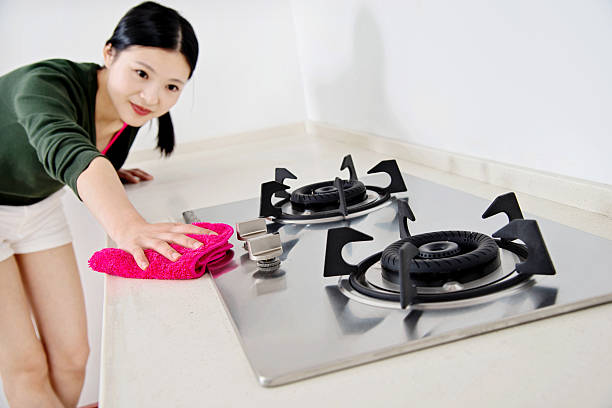
How To Self Clean Stove
Tired of greasy burners and stubborn stains? We’ll walk you through the safest DIY method, the right supplies, and pro tips to keep your cookware sparkling without harsh chemicals. By the end, you’ll have a gleaming surface ready for the next meal, all without a pricey service call. Plus, we’ll share a quick cleanup hack for any accidental spills today.
Understanding Self-Cleaning Stove Technology
How Self-Cleaning Works
Self‑cleaning stoves use extreme heat to turn food residue into ash that can be wiped away. The cycle typically reaches 500‑600 °C (932‑1112 °F) and runs for 2‑4 hours, depending on the model. When you activate the feature, the oven door locks and a thermostat monitors temperature to prevent overheating.
During the high‑heat phase, grease, spilled sauces, and baked‑on bits carbonize, breaking down into a fine, gray powder. After the cycle ends, the oven cools and a simple brush or damp cloth removes the ash, leaving a pristine interior.
Safety sensors automatically shut off the cycle if the door is opened or if temperature spikes, protecting both the appliance and the user. This process eliminates the need for harsh chemicals and manual scrubbing, making regular maintenance quick and virtually hands‑free.
Most modern units also provide a visual progress indicator, so you know exactly when the cleaning is complete and can plan your cooking schedule accordingly.
Types of Self-Cleaning Stoves
There are three main categories of self‑cleaning ovens: pyrolytic, catalytic, and steam‑clean models. Pyrolytic ovens, the most common, use the high‑temperature cycle described earlier to incinerate residue.
Catalytic ovens incorporate special porous panels coated with a catalyst that absorbs grease during normal cooking; the heat from regular use continuously breaks down the buildup, requiring only occasional high‑heat boosts.
Steam‑clean ovens generate moist heat at lower temperatures, loosening food particles without turning them to ash, which is ideal for delicate surfaces and quicker cycles. Some premium brands combine pyrolytic and catalytic technologies for a dual‑action approach, offering both deep cleaning and continuous grease absorption.
When choosing a stove, consider the typical cooking volume, preferred cleaning time, and energy consumption, as pyrolytic cycles consume more electricity while catalytic panels operate passively. Key decision points include cycle length, temperature, and whether you need a rapid‑clean option for everyday spills.
Benefits of Using Self-Clean Feature
Using the self‑clean feature brings several practical advantages that keep your kitchen efficient and hygienic. First, time savings are significant; a single 3‑hour pyrolytic cycle replaces hours of manual scrubbing, freeing you for meal prep or other tasks.
Second, the high‑temperature process sterilizes the interior, destroying bacteria, mold spores, and lingering odors that can affect food flavor. Third, because the cleaning relies on heat rather than abrasive chemicals, it preserves the oven’s coating and reduces wear, extending the appliance’s lifespan.
Additionally, the ash residue is easy to remove with a soft cloth, eliminating the need for harsh solvents that can irritate skin or damage ventilation systems. For households with frequent cooking or heavy‑use dishes, the self‑clean function maintains a consistently clean surface, improving heat distribution and cooking performance.
Overall, the feature offers a low‑maintenance, eco‑friendly solution that enhances safety and reduces long‑term cleaning costs.
Preparing Your Stove for a Self-Clean Cycle

Removing Grates and Racks
Before starting the self‑clean cycle, remove all removable parts such as grates, burner caps, and oven racks. Turn off the stove and let it cool completely to avoid burns. Place the components on a heat‑resistant surface or a kitchen towel to keep the work area clean.
Use a soft brush or a damp cloth to wipe away loose crumbs and spilled food; this prevents them from scorching during the high‑heat cleaning phase. If any pieces are heavily soiled, soak them in warm, soapy water for ten minutes, then scrub gently with a non‑abrasive pad.
After cleaning, dry each part thoroughly before storing it away. Keeping the interior free of loose items ensures the self‑clean function works efficiently and reduces the risk of smoke or unpleasant odors when the oven reaches temperatures above 800 °F.
Clearing Food Debris
Next, clear all visible food debris from the oven cavity to avoid excessive smoke during the cleaning cycle. Use a handheld vacuum or a dry brush to sweep away crumbs, burnt bits, and spilled sauces from the floor, walls, and ceiling of the oven.
For stubborn residue, gently scrape it with a plastic spatula, being careful not to damage the enamel coating. Wipe the interior with a damp microfiber cloth lightly moistened with water; this picks up fine particles that a brush might miss.
Do not apply any chemical cleaners, as residues can create toxic fumes when the oven heats to self‑clean temperatures. Once the surface appears dry and free of loose material, close the oven door and ensure it is properly latched.
This preparation step helps the self‑clean program operate at its optimal temperature, reduces the amount of ash left behind, and minimizes post‑cycle cleaning time.
Checking Door Seals and Locks
Finally, inspect the oven door seals and locking mechanism to guarantee a tight closure throughout the high‑temperature cycle. Open the door and examine the rubber gasket for cracks, tears, or missing sections; any damage can allow heat to escape and reduce cleaning efficiency.
Clean the seal with a soft, damp cloth to remove dust or food particles that might interfere with its flexibility. Test the lock by gently pulling the door closed; you should feel a firm click and hear a faint latch sound.
If the lock feels loose or does not engage, consult the manufacturer’s manual before proceeding, as an unsecured door can cause the oven to shut off prematurely for safety.
Once the seal is intact and the lock operates smoothly, re‑close the door fully, ensuring it sits flush against the oven frame. This verification step ensures the self‑clean cycle reaches the required temperature, prevents steam leaks, and protects both the appliance and your kitchen from potential damage.
Running the Self-Clean Cycle Safely

Selecting the Correct Cleaning Mode
Before you begin, make sure the stove is completely cool and all burners are removed. Read the manufacturer’s manual to confirm that your model supports a self‑clean cycle and to locate the specific button sequence.
Unplug or turn off the power at the circuit breaker if the stove is electric, or shut off the gas supply for gas models. Clear the surrounding area of any flammable objects, such as dish towels, paper, or cleaning chemicals.
Ventilate the kitchen by opening windows and turning on the exhaust fan to disperse heat and odors. Place a heat‑resistant mat or silicone pad on the floor beneath the appliance to protect cabinetry. Finally, ensure that children and pets are kept away from the stove during the cycle.
Following these preparatory steps reduces the risk of fire, burns, or damage to the appliance while the self‑clean function operates at high temperatures.
Setting the Timer and Temperature
Once the stove is ready, locate the Self‑Clean button or menu option on the control panel. Select the appropriate cleaning mode—usually a “Heavy” or “Standard” setting—based on how greasy the interior is. Press the Start button and confirm the selection if prompted.
The oven will begin to preheat, reaching temperatures between 800°F and 950°F (425°C‑510°C). Set the timer according to the manufacturer’s recommendation, typically ranging from 2 to 4 hours.
If your model allows, you can adjust the duration to a shorter cycle for light cleaning or a longer one for stubborn residue. Do not open the door during the cycle; the high heat can cause burns and may interrupt the cleaning process.
Keep a fire‑extinguishing blanket or a suitable extinguisher nearby as a precaution. After the cycle finishes, the oven will automatically cool down; allow at least 30 minutes before opening the door to avoid steam burns.
Inspect the interior for any remaining debris and wipe it away with a damp cloth once the surface is cool.
Monitoring the Process
During the self‑clean cycle, stay in the vicinity to listen for any unusual noises such as rattling or loud hissing, which could indicate a loose component or gas leak. Monitor the temperature display if your stove provides one; a sudden drop may signal a malfunction.
Keep the kitchen well‑ventilated by maintaining the exhaust fan on and opening a window slightly. If you notice excessive smoke, a strong odor of burning plastic, or the oven door failing to lock, press the emergency stop button immediately and allow the appliance to cool before investigating.
After the cycle completes, perform a visual inspection of the door gasket, heating elements, and interior walls for cracks or discoloration. Document any irregularities and contact customer service for warranty support if needed. Record the duration and any error codes displayed, as this information can help technicians diagnose issues quickly.
Do not attempt to open the oven door while the interior is still hot, as this can cause burns and damage the seal.
Post-Cleaning Steps and Maintenance
Cooling Down the Oven
After the self‑clean cycle finishes, allow the oven to cool completely before opening the door. The interior can remain extremely hot for up to an hour, so resist the urge to peek, which could cause burns or release lingering fumes.
Set a timer for 45‑60 minutes, then gently turn the knob to the “off” position and keep the door closed. Once the temperature drops below 120 °F (49 °C), you can safely unlock the latch and open the door a crack to let residual heat escape.
Use this cooling period to gather cleaning supplies such as a soft cloth, mild detergent, and a non‑abrasive scraper. Never use water while the oven is still hot, as sudden temperature changes may crack the enamel.
By respecting the cooling phase, you protect both the appliance’s interior coating and your own safety, ensuring the next steps are performed on a stable, safe surface.
Wiping Away Ash Residue
Once the oven has cooled, the next task is to remove ash and loose debris that remain after the high‑temperature burn.
Start by using a dry, soft‑bristled brush or a handheld vacuum with a HEPA filter to sweep the floor of the cavity, being careful not to disturb the enamel coating.
For stubborn spots, dampen a microfiber cloth with a mixture of warm water and a few drops of dish soap, then gently wipe in circular motions to lift the residue. Avoid abrasive pads or harsh chemicals, as they can scratch the surface.
After wiping, take a clean, dry towel and pat the interior dry to prevent moisture from seeping into hidden seams. Finally, inspect the corners and the back wall for any lingering ash; a quick pass with a cotton swab dipped in the same mild solution can capture hidden particles.
This thorough yet gentle approach leaves the oven interior spotless and ready for regular cooking without lingering odors.
Reinstalling Racks and Accessories
With the interior clean and dry, you can now reinstall the oven racks, grill, and any accessories that were removed before the self‑clean cycle. Begin by aligning each rack’s slots with the corresponding grooves on the oven walls; slide them in gently to avoid scratching the enamel.
If the racks have a protective coating, wipe them with a damp cloth and dry thoroughly before placement. For the broiler pan or pizza stone, ensure they are completely free of ash; a quick brush followed by a wipe with a mild soap solution will do.
Once all components are back in their proper positions, close the oven door and run a short 10‑minute preheat at 350 °F (177 °C) to evaporate any remaining moisture and to verify that everything sits securely.
This final step not only confirms the oven is ready for use but also helps prevent uneven heating or rattling during future cooking sessions.
Troubleshooting Common Issues
Smoke or Odor During Cycle
If you notice smoke or a strong odor while the self‑clean cycle is running, turn off the oven immediately and open the door to vent the fumes. Do not attempt to open the door while the oven is still hot; wait at least 10‑15 minutes for the interior to cool.
Inspect the bottom of the oven for food debris, grease splatters, or a displaced oven liner that may be burning. Remove any loose particles with a soft brush or a damp cloth before restarting the cycle.
Check the ventilation hood and ensure it is not blocked, as proper airflow helps disperse smoke. If the odor persists after a thorough clean, verify that the temperature sensor is not faulty and that the oven’s seal is intact.
In persistent cases, contact the manufacturer’s service line for a professional inspection.
Incomplete Cleaning Results
When the self‑clean cycle finishes but residue remains on the oven walls or the bottom tray, first allow the oven to cool completely before attempting any manual removal. Avoid using abrasive pads, as they can scratch the enamel.
Gently scrape softened grime with a plastic spatula or a silicone scraper, then wipe the area with a mixture of warm water and a few drops of dish soap.
For stubborn carbon buildup, apply a paste made from baking soda and water; let it sit for 10‑15 minutes, then scrub lightly. Rinse the surface with a damp cloth to eliminate any residue from the cleaning agents.
Check that the oven’s interior light and temperature sensor are not covered by debris, which can affect future cycles. If repeated self‑clean attempts still leave significant buildup, consider lowering the cleaning temperature or shortening the cycle duration, but be aware this may reduce effectiveness.
Persistent problems often indicate a malfunctioning heating element that requires professional service.
Error Codes and Resetting
Encountering an error code during a self‑clean cycle can halt the process and cause confusion. First, write down the exact code displayed on the control panel; most manufacturers provide a reference guide in the user manual.
Consult the guide to identify whether the code relates to a temperature sensor fault, a door‑lock issue, or an over‑temperature protection trigger. For a sensor error, turn off the oven, unplug it for five minutes, then plug it back in to perform a soft reset.
If the door‑lock indicator flashes, ensure the oven door is fully closed and the latch engages; gently clean any debris around the latch mechanism. To clear an over‑temperature error, allow the oven to cool for at least 30 minutes before restarting.
After resetting, run a short test cycle without the self‑clean function to verify normal operation. Should the error reappear, do not continue using the oven; contact authorized service personnel, as repeated faults may signal a failing control board that needs replacement.
Tips for Extending the Life of Your Self-Clean Stove
Regular Light Cleaning Practices
Keep your self‑cleaning stove in top condition by performing light cleaning after every use. Wipe the surface with a soft, damp cloth while the burner is still warm to loosen minor splatters. Avoid abrasive pads; a non‑scratch sponge works best.
Remove burner caps and grate weekly, soaking them in warm, soapy water for ten minutes, then scrub gently with a soft brush. After rinsing, dry thoroughly to prevent moisture‑related corrosion. For glass‑ceramic tops, use a dedicated cleaner applied with a microfiber cloth, moving in circular motions to avoid streaks.
Inspect the ignition system for debris and clear any particles with a compressed‑air canister. Finally, schedule a quick visual check of the self‑cleaning sensor and control panel, ensuring no food particles obstruct the sensors. Consistent light cleaning reduces the workload of the self‑clean cycle and extends the stove’s lifespan.
Avoiding Heavy Grease Buildup
Preventing thick grease layers is essential for a self‑clean stove to function efficiently. Turn off the heat as soon as cooking ends and allow the surface to cool slightly before wiping; this stops grease from solidifying.
Use a degreasing spray formulated for stovetops, applying it evenly and letting it sit for two minutes to break down oil. Then, scrub with a non‑abrasive pad in a back‑and‑forth motion, focusing on corners and burner edges where residue accumulates.
After cleaning, wipe the area with a damp cloth to remove any remaining chemicals. For stubborn spots, sprinkle a small amount of baking soda, add a few drops of water to form a paste, and let it sit for five minutes before gently scrubbing.
Never use harsh oven cleaners or steel wool, as they can damage the enamel and sensor surfaces. Regularly removing grease reduces the intensity of the self‑clean cycle and protects internal components.
Professional Servicing Recommendations
Even with diligent home care, a self‑clean stove benefits from periodic professional attention. Schedule a service visit at least once a year, or sooner if the self‑clean cycle frequently displays error codes. A qualified technician will inspect the ignition electrodes, flame sensors, and the high‑temperature thermostat for wear or corrosion.
They will also calibrate the self‑clean timer to ensure optimal heat distribution and verify that the venting system is clear of debris. During the appointment, request a deep interior cleaning using manufacturer‑approved solvents that safely dissolve baked‑on residues without harming electronic components.
Ask the service provider to test the safety interlock switches and confirm that the door seals are intact, preventing heat loss. Keeping a detailed maintenance log, including dates, performed tasks, and any parts replaced, helps track the stove’s health and can extend warranty coverage.
Regular professional checks complement your routine cleaning and safeguard long‑term performance.
Frequently Asked Questions (FAQ)
How Often Should I Use Self-Clean?
Before starting a self‑clean cycle, remove all cookware, racks, and loose debris from the oven. Schedule the cleaning no more than once every three to six months, depending on how heavily you use the appliance; frequent spills or burnt‑on food may require a shorter interval.
Pre‑heat the oven to a low temperature (around 200 °F) for 10‑15 minutes to evaporate excess moisture, which helps prevent smoke.
After the cycle completes, allow the door to stay closed for at least 30 minutes so the interior can cool gradually, reducing the risk of thermal shock to glass panels. Finally, wipe the softened residue with a damp cloth and a mild, non‑abrasive cleaner, then replace the racks.
Following this routine keeps the self‑clean function efficient and extends the oven’s lifespan. Also, ventilate the kitchen by opening a window or running the exhaust fan to clear any lingering odor.
Can I Use Self-Clean on Gas Stoves?
Gas stovetops are not designed for the high‑temperature self‑clean cycle used in electric ovens, so attempting it can damage the burners and ignite residual gas. Never activate the self‑clean function on a gas stove; instead, follow a manual cleaning routine.
First, turn off the gas supply and let the surface cool completely. Remove grates, burner caps, and any removable parts, then soak them in warm, soapy water for 15‑20 minutes.
Use a non‑abrasive scrub brush to loosen food particles, and wipe the stovetop with a soft cloth dampened with a mixture of vinegar and water to dissolve grease. After rinsing, dry all components thoroughly before reassembling.
For stubborn stains, apply a paste of baking soda and water, let it sit for 10 minutes, then scrub gently. This approach keeps your gas stove safe, maintains performance, and avoids the hazards associated with improper self‑clean use.
Energy Consumption During Self-Clean Cycle
The self‑clean cycle typically runs at temperatures between 800 °F and 900 °F for 2‑4 hours, drawing a significant amount of electricity. Expect the oven to use between 2.5 and 4 kilowatt‑hours per cycle, which can add $0.30‑$0.50 to your monthly utility bill if used frequently.
To minimize impact, schedule the cleaning during off‑peak hours when electricity rates are lower, and avoid running other high‑energy appliances simultaneously. Before starting, ensure the oven door is sealed tightly to prevent heat loss; a loose door can increase consumption by up to 15 %.
After the cycle finishes, let the oven cool naturally rather than using the fan, as forced cooling consumes extra power without improving cleaning results. By following these tips, you can keep the self‑clean process effective while keeping energy costs under control.
Consider checking your utility provider’s time‑of‑use plan for additional savings opportunities.
Frequently Asked Questions
What does “self‑cleaning” mean for a stove?
Self‑cleaning is a built‑in feature that heats the oven to extremely high temperatures (typically 800‑900 °F/425‑485 °C) to incinerate food residue into ash, eliminating the need for manual scrubbing.
How do I activate the self‑cleaning cycle on my stove?
Select the self‑clean or clean mode on the oven control panel, set the desired cleaning duration (usually 2‑4 hours), and press start; the oven will lock the door and begin heating automatically.
What safety precautions should I take before starting a self‑clean cycle?
Remove all cookware, racks, and foil; ventilate the kitchen by opening windows or using a fan; keep children and pets away, and ensure the area around the stove is clear of flammable items.
How long does a typical self‑clean cycle take and what temperature does it reach?
Most cycles run between 2 and 4 hours, reaching temperatures around 800‑900 °F (425‑485 °C). Some models offer a quick‑clean option that lasts about 1 hour at a slightly lower temperature.
How do I remove ash and residue after the self‑clean cycle is finished?
Once the oven cools and the door unlocks, use a damp cloth or a soft brush to sweep out the loose ash; avoid abrasive cleaners as the interior coating is still hot and can be damaged.
Can I use the self‑clean feature on gas stoves or only electric/induction ovens?
Self‑cleaning is generally available only on electric or convection ovens; gas ranges do not have a self‑clean function and require manual cleaning with appropriate cleaners.
Conclusion
Regular maintenance prevents stubborn buildup and extends appliance life. Remember to always test cleaners in a hidden spot and ventilate the kitchen. With these habits, you’ll enjoy a pristine cooking surface and hassle‑free meals every day.


