How To Keep Champagne Bubbly
Want to know how to keep champagne bubbly and enjoy that perfect fizzy sip long after popping the cork? You’re not alone—nothing’s worse than flat champagne. The good news is, a few simple tricks can preserve those lively bubbles. From using the right stopper to chilling it properly, we’ll show you exactly what works. No guesswork, just clear, proven tips that keep your bubbly fresh and festive. Let’s dive in and make every glass sparkle like the first pour.
How to Store Champagne Before Opening
Keep Champagne Cool and Consistently Chilled
To keep champagne bubbly, it’s essential to store it at a consistently cool temperature. The ideal storage range is between 45°F and 55°F (7°C to 13°C).
Fluctuations in temperature cause the liquid inside the bottle to expand and contract, which can push the cork slightly out of place over time, allowing carbon dioxide to escape—this directly impacts the fizz and freshness of the champagne.
Avoid storing bottles in areas prone to temperature swings, such as near ovens, radiators, or in direct sunlight. A dedicated wine fridge or a cool basement is ideal.
If you’re chilling champagne just before serving, do so gradually—place it in the refrigerator for a few hours rather than the freezer, which can cause rapid pressure changes and risk leakage or explosion.
Consistent, moderate cooling preserves internal pressure and helps maintain the delicate bubbles until the moment you pop the cork.
Store Bottles Horizontally to Keep Cork Moist
Storing champagne bottles horizontally is a simple yet effective way to preserve their effervescence. This position ensures the liquid remains in constant contact with the cork, keeping it moist and expanded.
A dry cork can shrink, crack, or allow tiny amounts of air to enter the bottle, which compromises the seal and leads to loss of carbonation over time. Even though champagne corks are more robust than still wine corks, prolonged dry storage can still degrade their integrity.
This method is especially important for long-term aging—anything beyond a few months. Horizontal storage mimics optimal cellar conditions and helps maintain internal pressure, which is critical for preserving bubbles. Whether in a wine rack or storage box, ensure bottles lie flat and are protected from movement.
Consistent contact between wine and cork prevents oxidation and keeps your champagne lively, fresh, and perfectly fizzy when you’re ready to enjoy it.
Avoid Light and Vibration for Long-Term Storage
To keep champagne bubbly over extended periods, protect it from light and vibration—two often-overlooked threats to quality. Ultraviolet (UV) light, especially from sunlight or fluorescent bulbs, can degrade organic compounds in champagne, causing off-flavors and weakening the overall structure, which indirectly affects bubble stability and aroma.
Always store bottles in a dark place, preferably in their original packaging or a wooden case. Additionally, constant vibration—such as that from appliances, foot traffic, or nearby machinery—can disturb the sediment and agitate the carbonation, leading to premature aging and loss of effervescence.
For long-term storage, choose a quiet, undisturbed area like a dedicated wine cellar or closet. These conditions help maintain chemical stability and internal pressure. By minimizing exposure to light and movement, you preserve not just the fizz, but the nuanced balance that makes champagne special.
Best Ways to Open Champagne Without Losing Bubbles

Chill Champagne to the Right Temperature
To keep champagne bubbly, chilling it properly is essential. The ideal serving temperature is between 45°F and 48°F (7°C to 9°C). At this range, carbonation remains stable, minimizing the risk of excessive fizz when opening.
Warm champagne builds more internal pressure, increasing the chance of a forceful pop that releases precious bubbles. Use an ice bucket filled with half ice and half water for faster, even cooling—it chills the bottle in about 20–30 minutes.
Avoid over-chilling, as temperatures below 40°F can dull the aroma and flavor. A properly chilled bottle not only feels refreshing but also ensures a smooth, controlled opening. Always store champagne in the refrigerator for several hours before serving if time allows.
This foundational step sets the stage for preserving effervescence from the first pour to the last sip.
Use the Twist-and-Tilt Method to Open Safely
The twist-and-tilt method is the most effective way to open champagne without losing bubbles. Begin by removing the foil and loosening the wire cage, but keep your thumb firmly over the cork. Hold the bottle at a 45-degree angle, pointing away from people and fragile objects.
Instead of pulling the cork, gently twist the bottle while maintaining light pressure on the cork with your thumb. As the bottle rotates, the cork will ease out with a soft sigh rather than a loud pop.
This controlled release prevents a sudden drop in pressure that can cause bubbles to escape rapidly. Keeping the bottle tilted also helps foam rise slowly, reducing overflow. Practicing this technique ensures a graceful opening and maximizes carbonation retention for a longer-lasting sparkle in every glass.
Avoid Popping the Cork Too Quickly
A loud pop may seem festive, but it’s the enemy of bubbly champagne. When the cork flies out fast, it creates a sudden pressure drop that forces dissolved CO₂ to escape rapidly, depleting bubbles before pouring.
To preserve effervescence, aim for a quiet release—ideally a soft ‘sigh’ rather than a ‘pop’. Maintain control by keeping a firm grip on the cork and using slow, steady pressure while twisting the bottle. Rushing leads to foam explosion and lost carbonation. Remember, slow and steady preserves fizz.
Also, never shake the bottle before opening, as this increases internal pressure and bubble instability. By prioritizing patience and precision, you protect the delicate balance of gas inside. This mindful approach ensures each glass pours with a rich, persistent mousse and vibrant sparkle that enhances the tasting experience.
How to Pour Champagne to Preserve Carbonation
Pour Slowly Down the Side of the Glass
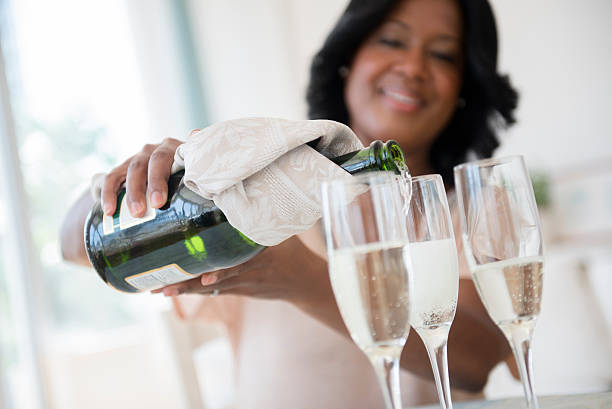
To preserve carbonation when pouring champagne, tilt the glass at a 45-degree angle and pour slowly down the side rather than directly into the bottom. This technique minimizes turbulence and reduces the rapid release of carbon dioxide bubbles that cause fizz to dissipate quickly.
When champagne hits the glass flat-on, it creates foam and agitation, which accelerates gas loss. By guiding the stream gently along the interior wall of the glass, you allow the liquid to settle gradually, maintaining a richer, longer-lasting effervescence. Use a steady hand and pour in a continuous, controlled motion.
This method not only preserves bubbles but also enhances the visual appeal of rising streams of fine mousse. Chilled champagne responds best to this approach, as colder temperatures help retain dissolved CO₂. Practicing this pour ensures every sip delivers the crisp, lively texture champagne is prized for.
Use Flute or Tulip-Shaped Glasses
Choosing the right glassware is essential to keep champagne bubbly throughout your toast or tasting. Flute or tulip-shaped glasses are specifically designed to preserve carbonation by minimizing the wine’s surface area exposed to air.
The narrow, elongated shape traps bubbles and directs them in a steady stream to the surface, enhancing both longevity and sensory experience. Flutes also reduce foam overflow and maintain a delicate mousse. Tulip glasses offer a slight curve at the top, which helps concentrate aromas while still protecting effervescence.
Avoid wide, shallow coupes, which allow bubbles to escape rapidly due to increased air contact. High-quality, clean glassware without etchings or residues ensures uniform bubble formation.
By using the proper glass, you extend the life of the fizz and elevate the overall enjoyment of your champagne, making each sip as vibrant as the first.
Fill Glasses Only Two-Thirds Full
To maximize carbonation retention, fill champagne glasses only two-thirds full. This simple step leaves ample room for the bubbles to rise and accumulate without spilling over, while also reducing the wine’s immediate exposure to air.
When a glass is filled to the brim, the increased surface area accelerates CO₂ release, causing the effervescence to fade faster. Leaving headspace allows pressure to build slightly within the glass, helping maintain internal carbonation longer.
It also enhances aroma development, as volatile compounds have space to gather above the liquid. Additionally, a partially filled glass is easier to hold without warming the champagne with your hands. This portion control encourages slower sipping, preserving both temperature and fizz.
Whether serving at a celebration or enjoying a quiet toast, this practice ensures each glass remains crisp, bubbly, and refreshing from first pour to final sip.
Tips for Keeping Opened Champagne Bubbly
Use a Proper Champagne Stopper
To keep opened champagne bubbly, using a proper champagne stopper is essential. Regular bottle stoppers or corks won’t maintain the internal pressure needed to preserve carbonation. Instead, opt for a specialized champagne sealer designed with a hinged clamp and metal closure, which creates an airtight seal.
These stoppers are engineered to withstand the internal pressure of sparkling wine, preventing CO2 from escaping. Insert the stopper straight into the neck of the bottle without twisting to ensure a snug fit. Avoid using simple screw caps or plastic stoppers, as they allow gas to leak over time.
For best results, choose a stopper with silicone or rubber gaskets that enhance the seal. Investing in a high-quality champagne stopper not only preserves bubbles but also maintains the wine’s aroma and taste, giving you a near-fresh experience when you reopen the bottle.
Refrigerate Immediately After Sealing
After sealing your opened champagne, refrigeration is critical to preserving its effervescence. Cold temperatures slow down the release of carbon dioxide, helping the bubbles last longer. As soon as you secure the proper stopper, place the bottle upright in the refrigerator—never on its side.
Storing it upright minimizes the surface area of wine exposed to the trapped air, reducing gas loss. Avoid placing the bottle in the fridge door, where temperature fluctuations are common; instead, store it in the main compartment where the temperature is most stable.
The ideal storage temperature for champagne is between 40–45°F (4–7°C). Do not use the freezer, as rapid cooling can damage the structure of the bubbles and alter the taste. Immediate refrigeration after sealing is a simple but powerful step to maintain fizz and freshness for your next pour.
Consume Within 24 to 48 Hours
Even with the best storage methods, opened champagne should be consumed within 24 to 48 hours for optimal taste and bubble retention. After this window, carbonation gradually diminishes, resulting in a flat and less vibrant drink.
While a high-quality stopper and refrigeration can extend freshness, the natural pressure loss over time cannot be fully prevented. Within the first 24 hours, the champagne will retain most of its fizz and aromatic complexity.
By the 48-hour mark, you may notice a slight softening of bubbles, but it should still be enjoyable. After two days, the quality declines significantly. To make the most of your opened bottle, plan to enjoy it quickly, perhaps in a second celebration or as a base for sparkling cocktails.
Prompt consumption ensures you experience the champagne as intended—crisp, lively, and full of effervescence.
Best Champagne Stopper Types and How They Work
Lever-Clamp Stoppers for Airtight Seals
Lever-clamp stoppers are among the most effective tools for keeping champagne bubbly after opening. These stoppers work by creating an airtight seal at the bottle’s neck using a hinged metal clamp that locks into place.
The rubber or silicone gasket inside compresses tightly against the glass, preventing carbon dioxide from escaping—the key to preserving fizz. To use, simply insert the stopper into the bottle and press the lever down until it clicks or locks securely. This mechanism maintains internal pressure, mimicking the original cork’s containment.
Ideal for frequent entertainers, lever-clamp models are durable, reusable, and often dishwasher-safe. They typically fit standard champagne bottles and work best when applied immediately after pouring. While slightly more expensive than basic stoppers, their reliability in preserving effervescence for up to 48 hours makes them a top choice.
For best results, chill the bottle before resealing and avoid tilting during storage.
Screw-Top Stoppers and Their Effectiveness
Screw-top stoppers offer a simple, user-friendly solution for preserving champagne bubbles. Designed with threaded sides, they twist onto the bottle’s rim like a cap, creating a tighter seal than basic push-in models. The internal silicone gasket compresses as you tighten, helping to lock in carbonation and reduce gas loss.
While not as airtight as lever-clamp designs, screw-top stoppers are effective for short-term storage—typically maintaining fizz for 24 to 36 hours. They’re especially convenient for casual use, requiring no special technique to apply or remove. Most are made from durable plastic or metal, making them lightweight and travel-friendly.
However, their effectiveness depends on proper threading alignment and full tightening. Over time, the gasket may wear, so periodic replacement ensures optimal performance. For best results, combine with refrigeration and minimize opening and closing. Though less robust than premium models, screw-tops deliver solid value for occasional use.
Silicone Stoppers vs Metal Locking Models
When comparing silicone stoppers to metal locking models, seal quality and durability are the deciding factors. Silicone stoppers are soft, flexible, and easy to insert, creating a decent seal by friction-fit into the bottle neck.
They’re affordable and widely available, but often fail to maintain pressure over time, leading to flat champagne within hours. In contrast, metal locking models—like lever-clamp or screw-lock types—use rigid construction and mechanical fastening to achieve a superior airtight seal.
These models resist internal pressure better and preserve carbonation for up to two days. While silicone versions may warp or degrade, metal stoppers are long-lasting and reusable. Additionally, metal designs often include ergonomic handles or visual locking indicators for ease of use.
For serious champagne lovers, metal locking models are the clear winner in performance and longevity. Silicone stoppers suit quick, one-time use, but for consistent fizz retention, invest in a quality metal stopper with a secure closure mechanism.
What Temperature Champagne Should Be Served At
Ideal Serving Range for Maximum Bubbles
To keep champagne bubbly, serve it within the ideal temperature range of 45°F to 48°F (7°C to 9°C). At this temperature, the carbonation remains stable, allowing bubbles to rise gently and deliver a fine, persistent effervescence.
If served too warm, the CO₂ escapes rapidly, leading to flatness and a loss of aromatic complexity. Use a wine thermometer to verify temperature, or chill for about 3–4 hours in the refrigerator. When pouring, tilt the glass at an angle to minimize foam overflow and preserve fizz.
Serve in flutes or tulip-shaped glasses to further trap bubbles and enhance aroma. Avoid holding the bowl of the glass—your hand’s warmth can heat the champagne quickly.
Keeping the bottle chilled between servings, either in an ice bucket or wine cooler, ensures consistent temperature and maximizes bubble longevity from the first pour to the last.
How to Chill Champagne Quickly and Safely
When you need to chill champagne fast without sacrificing quality, use an ice bucket filled with equal parts ice and water, plus a handful of salt. This ice-water-salt bath cools champagne in 15–20 minutes, far faster than a freezer.
The salt lowers the freezing point, allowing the mixture to become colder than ice alone. Submerge the bottle neck-down, ensuring maximum surface contact. Avoid the freezer for longer than 20 minutes, as extreme cold risks over-chilling or bursting the bottle.
Gently rotate the bottle once or twice to promote even cooling. Once chilled, keep the bottle in the bucket during service to maintain temperature. Never shake the bottle—this agitates CO₂ and increases the risk of gushing when opened.
Using this method ensures your champagne reaches the optimal range quickly while preserving its delicate bubbles and balance.
Avoid Over-Chilling to Preserve Flavor and Fizz
While chilling is essential, over-chilling below 40°F (4°C) numbs champagne’s aromas and can cause bubbles to go dormant, reducing the sensory experience. Extremely cold temperatures make CO₂ less active, leading to a flat mouthfeel despite the wine being technically cold.
To preserve both flavor and fizz, remove the bottle from deep freeze or ice after 20 minutes and let it sit briefly if too cold. Serving slightly too cold is better than too warm, but aim for the 45°F–48°F sweet spot for optimal bubble release and aromatic expression.
Taste as you go—adjust serving temperature based on the style; vintage champagnes often benefit from being slightly warmer. Keeping the bottle in a champagne bucket with a mix of ice and water (not solid ice) maintains ideal conditions.
This balance ensures the bubbles remain lively and the nuances of the wine shine through.
Common Mistakes That Kill Champagne Bubbles
Using Warm or Dirty Glasses
Serving champagne in warm or dirty glasses is one of the fastest ways to lose its signature bubbles. Warm glasses increase the temperature of the champagne, causing carbon dioxide to escape rapidly, which diminishes fizz and aroma.
Always chill your flute in the refrigerator for at least 30 minutes before use. Additionally, microscopic residues from dish soap, oils, or dust can create nucleation sites that accelerate bubble collapse. Even a seemingly clean glass may have invisible film that disrupts carbonation.
To prevent this, hand-wash glasses with mild detergent, rinse thoroughly with hot water, and dry with a lint-free cloth. Avoid using dishwashers, as detergents and heat can leave residues. For best results, rinse the glass with cold water just before pouring.
Using pristine, chilled glassware ensures that bubbles rise steadily and last longer, enhancing both flavor and experience.
Leaving Champagne Out at Room Temperature
Keeping champagne at room temperature after opening or during service drastically reduces its effervescence. Heat increases the pressure inside the bottle, forcing dissolved carbon dioxide to escape faster, which flattens the drink within minutes. Unopened bottles should be stored in a cool, dark place at around 45–50°F (7–10°C).
Once opened, never leave champagne sitting out—return it to the refrigerator immediately. Even brief exposure to warm air can degrade bubble quality. When serving, pour quickly and return the bottle to an ice bucket or refrigerator between uses.
An ice bucket filled with half ice, half water chills more effectively than ice alone. Limiting exposure to heat preserves carbonation, ensuring each glass remains crisp, lively, and refreshing. Remember: cold = bubbly. Warm = flat.
Using Improper Sealing Methods After Opening
After opening a bottle, using the wrong closure is a common mistake that quickly kills champagne bubbles. Standard bottle stoppers or twisting caps don’t maintain the internal pressure needed to preserve carbonation. Instead, use a professional champagne sealer designed to lock in CO2.
These clamping stoppers create an airtight seal that mimics the original cork, preventing gas from escaping. Simply placing a spoon in the neck of the bottle is a myth—it does nothing to retain pressure. For best results, seal the bottle immediately after pouring and return it to the refrigerator.
Even with the right stopper, opened champagne lasts only 1–3 days before losing significant fizz. To maximize longevity, minimize headspace by transferring leftover champagne to a smaller bottle if possible. Proper sealing is essential for preserving that delightful sparkle.
Frequently Asked Questions
What is the best way to store an open bottle of champagne?
To keep champagne bubbly after opening, use a champagne sealer or a specialized sparkling wine stopper to tightly seal the bottle. Then, store it in the refrigerator to maintain a cold temperature, which helps retain carbonation.
Can I use a regular wine stopper for champagne?
No, a regular wine stopper is not effective for champagne because it cannot withstand the internal pressure. Use a champagne-specific stopper designed to create an airtight seal to preserve the bubbles.
How long does champagne stay fizzy after opening?
When properly sealed and refrigerated, champagne can stay bubbly for up to 3 to 5 days. The sooner you consume it after opening, the better the carbonation will be.
Should I store champagne upright or on its side?
Store sealed champagne bottles upright in the refrigerator. This position helps minimize the surface area exposed to air and maintains pressure, preserving the bubbles more effectively.
Does temperature affect champagne’s fizz?
Yes, colder temperatures help retain carbonation. Always chill champagne before opening and keep it cold after opening to ensure the bubbles last longer.
What happens if I leave champagne out at room temperature?
Leaving champagne at room temperature after opening causes the carbon dioxide to escape quickly, leading to flat, less bubbly wine. Always refrigerate it to maintain effervescence.
Conclusion
Keeping champagne bubbly is all about proper storage, chilling, and serving techniques. Store bottles upright in a cool, dark place, chill them slowly, and open them carefully to preserve carbonation. Use clean, chilled flutes and pour at an angle to maintain effervescence. Cheers to celebrating in style—your perfect pour awaits!