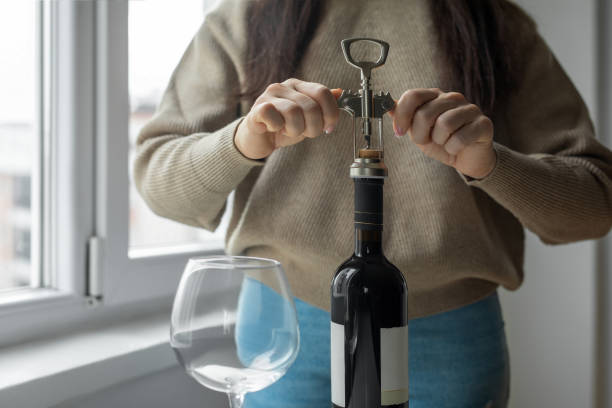
How Many Days Does Wine Last After Opening
Wondering how many days your wine lasts after opening? You’re not alone—once that cork’s popped, the clock starts ticking. The good news? Most wines stay fresh for 3 to 5 days if stored properly, but it really depends on the type. In this article, we’ll break down exactly how long red, white, and sparkling wines last, plus simple tips to extend their life. No more guessing—just clear, practical advice to help you enjoy every glass.
How Long Does Wine Last After Opening?
Average Shelf Life of Opened Wine
Most wines last 3 to 5 days after opening when stored properly. The key to extending freshness is minimizing exposure to oxygen, which causes oxidation and degrades flavor. Re-corking the bottle and storing it in the refrigerator significantly slows spoilage.
Lighter wines like Pinot Noir or Sauvignon Blanc may begin to fade after just 2–3 days, while fuller-bodied reds can maintain quality closer to 5 days. Using a vacuum pump or inert gas preserver can extend life by reducing air contact.
While wine won’t typically become harmful, it will lose its fruitiness and develop a flat or vinegary taste over time. Smell and taste testing are reliable ways to determine if opened wine is still enjoyable.
Factors That Affect Wine Longevity
Several factors influence how long wine lasts after opening, with oxygen exposure being the most critical. Once air interacts with wine, oxidation begins, altering taste and aroma. Temperature also plays a role—cooler storage, like refrigeration, slows chemical reactions and preserves freshness.
Wine type and acidity matter; high-acid or tannic wines resist spoilage longer. Closure method is another key factor—using a proper wine stopper or vacuum seal outperforms loosely placed corks. Light and vibration can degrade wine quality, so storing bottles upright in a dark, cool place helps.
Additionally, cleanliness of the bottle opening prevents microbial growth. By controlling these variables, you can maximize shelf life and flavor retention beyond the typical 3–5 day window.
Red vs White Wine: How Long Each Lasts
Red and white wines have different post-opening lifespans due to their composition. Red wines, with higher tannin and lower acidity, typically last 3 to 5 days when stored in a cool, dark place. Tannins act as natural preservatives, slowing oxidation. However, lighter reds like Gamay degrade faster.
White wines, especially crisp, high-acid varieties such as Pinot Grigio, last 5 to 7 days when refrigerated. The cooler temperature and acidity help maintain freshness. Always re-cork or use a wine stopper immediately after pouring. While both types decline in quality over time, whites often retain their character slightly longer.
Aromatic intensity and fruit notes diminish, so consume within the recommended window for the best experience.
Sparkling Wine and Fortified Varieties
Sparkling wines like Champagne or Prosecco have the shortest shelf life—usually 1 to 3 days after opening. The main issue is loss of carbonation; once the seal breaks, bubbles dissipate quickly. Using a specialized sparkling wine stopper and refrigerating can help retain fizz longer.
In contrast, fortified wines such as Port, Sherry, or Madeira last significantly longer—up to 2 to 4 weeks—due to their higher alcohol and added preservatives. Oxidative styles like Oloroso Sherry thrive with air exposure and can remain stable for weeks.
Store fortified wines in a cool, dark place, upright with a tight seal. Sweetness and alcohol content act as natural stabilizers. For best results, label the bottle with the opening date to track freshness.
How to Store Opened Wine Properly
Refrigeration Tips for Different Wines
Storing opened wine in the refrigerator significantly extends its shelf life, regardless of the type. White, rosé, and sparkling wines benefit most from cold storage, maintaining freshness for 3–5 days when sealed properly. The cold temperature slows oxidation and microbial activity.
For red wines, refrigeration is also recommended after opening—store them corked in the fridge and let them warm slightly before serving. Lighter reds like Pinot Noir last about 3–5 days, while fuller-bodied reds may degrade faster. Always place bottles upright to minimize surface exposure.
Using a wine fridge set to optimal temperatures (45–55°F) offers even better preservation. Consistent cold storage is one of the most effective ways to enjoy opened wine days later without noticeable quality loss.
Using Wine Stoppers and Seals
A high-quality wine stopper is essential for minimizing oxidation after opening. Standard corks may not create a tight seal once removed, so invest in airtight stoppers made of silicone or stainless steel.
Vacuum pumps paired with special stoppers can remove air from the bottle, extending freshness by a few extra days. However, over-pumping may strip delicate aromas, especially in older wines. For best results, insert the stopper immediately after pouring and ensure a snug fit. Reusable stoppers are cost-effective and eco-friendly.
Glass stoppers with rubber gaskets offer excellent sealing for both red and white wines. Proper sealing helps preserve flavor and aroma, making your opened wine enjoyable for up to 5 days when combined with refrigeration.
Avoiding Heat and Light Exposure
Heat and light are major contributors to wine spoilage after opening. Ultraviolet rays and high temperatures accelerate oxidation, causing wine to lose freshness and develop off-flavors. Always store opened bottles away from windows, stoves, or direct sunlight. Even artificial light over prolonged periods can degrade wine quality.
Ideal storage means a cool, dark environment—like a pantry or wine fridge. Room temperature fluctuations, especially above 70°F, speed up chemical reactions that break down delicate compounds. For best results, keep opened wine in a consistently cool, dark place.
Protecting wine from light and heat preserves its intended taste profile and helps it last 3–5 days. This is especially crucial for white, rosé, and sparkling wines, which are more sensitive to environmental changes.
Best Storage Containers for Leftover Wine
Transferring leftover wine to a smaller container can drastically reduce air exposure and prolong freshness. Use glass bottles with airtight lids or specialized wine preservation bottles that minimize headspace. Narrow-neck containers are ideal because they limit oxygen contact.
For long-term storage of partial bottles, consider vacuum-sealed decanters or inert gas wine preservers that create a protective layer over the wine. Avoid plastic containers, as they can leach chemicals and allow oxygen permeation. Glass with a tight seal maintains wine integrity best.
Transferring wine also helps if you’re storing different types—just label the container. With proper containers and refrigeration, opened wine can taste fresh for up to 5 days, especially whites and rosés. Reducing oxygen contact is key to preserving flavor and aroma.
Signs Your Opened Wine Has Gone Bad
Smell and Aroma Changes
One of the first signs that opened wine has gone bad is a noticeable change in smell. Fresh wine should have vibrant, pleasant aromas—fruity, floral, or earthy, depending on the type. If the wine smells sour, vinegar-like, or like wet cardboard, it has likely oxidized or been contaminated by bacteria.
Acetaldehyde, a compound formed during oxidation, gives wine a sharp, nail-polish-remover scent. Wines exposed to air for too long lose their aromatic complexity and develop off-putting odors. Trust your nose: if the aroma seems ‘off’ or flat, the wine is likely past its prime.
While some aged wines develop nutty or bruised apple notes, a strong vinegar smell is a definitive red flag. Discard the bottle to avoid an unpleasant experience.
Color and Clarity Indicators
Changes in color and clarity can reveal whether your opened wine has spoiled. Red wines that have oxidized often turn brownish or brick-red, losing their vibrant ruby hue. White wines may darken to a deep golden or amber shade, signaling excessive air exposure.
While slight color shifts are normal over a few days, dramatic changes suggest spoilage. Additionally, look for cloudiness or sediment that wasn’t present before—this could indicate microbial growth or chemical instability. Sparkling wines should retain their effervescence; flatness combined with haziness is a bad sign.
Use a clear glass and good lighting to assess the wine’s appearance. If the color looks dull, murky, or unnaturally altered, err on the side of caution and avoid drinking it, even if the smell seems acceptable.
Taste Test: When to Pour It Out
If the smell and appearance raise doubts, a small taste can confirm spoilage. Fresh wine should have balanced acidity, fruitiness, and structure. If it tastes sour, bitter, or flat, it’s likely gone bad. Oxidation strips wine of its flavor, leaving a sherry-like or vinegary aftertaste, especially in non-fortified wines.
While some aged wines develop complex, savory notes, a harsh or metallic taste is a warning sign. Carbonation in still wines or unexpected fizziness also indicates fermentation has restarted. If the texture feels oily or slimy, discard it immediately. Don’t swallow if the taste is clearly off.
While drinking spoiled wine isn’t usually dangerous, it can ruin the experience and cause mild discomfort. When in doubt, pour it out and open a fresh bottle.
Common Spoilage Signs by Wine Type
Different wines spoil in distinct ways, so knowing what to expect helps determine shelf life. Red wines typically last 3–5 days when recorked and refrigerated; oxidation turns them brown and flat. White and rosé wines last 3–7 days chilled, but develop vinegar notes and lose freshness quickly.
Sparkling wines degrade fastest—1–3 days max—even under pressure, losing bubbles and turning sour. Fortified wines like Port or Sherry last 2–4 weeks due to higher alcohol and preservatives. Corked wine, tainted by TCA, smells like damp basement regardless of type.
Refrigeration and vacuum seals extend life, but no method prevents spoilage indefinitely. Always store opened wine properly and label the bottle with the opening date to track freshness and avoid waste.
Best Ways to Extend Wine Freshness
Using Inert Gas Sprays
Inert gas sprays are one of the most effective methods for extending wine freshness after opening. These sprays release a layer of non-reactive gas—typically argon or nitrogen—over the wine’s surface, preventing oxidation by displacing oxygen. To use, simply insert the nozzle and spray for a few seconds before recorking.
This method works especially well for white, rosé, and sparkling wines, preserving their aroma and flavor for up to 5–7 days. Unlike other techniques, inert gas doesn’t alter the wine’s chemistry and leaves no residue. For best results, store the bottle upright in the refrigerator.
Consistency in application is key—always spray immediately after pouring to maximize protection.
Vacuum Pumps: Do They Work?
Vacuum pumps aim to preserve wine by removing oxygen from the bottle after opening, creating a partial vacuum. While they can extend freshness, their effectiveness is limited compared to inert gas.
Vacuum pumps work best on full-bodied reds and can keep wine drinkable for 3–5 days, but they may strip delicate aromas and flatten the wine’s texture. Sparkling wines, in particular, do not benefit much, as the pump cannot maintain carbonation. Additionally, the seal quality varies by device.
For casual drinkers, vacuum pumps offer a budget-friendly option, but frequent wine drinkers may notice a decline in quality. Proper sealing and immediate use after opening improve results, but they’re not ideal for long-term preservation.
Transferring to Smaller Bottles
Transferring leftover wine to a smaller, airtight container is a simple yet effective way to minimize oxygen exposure. By reducing headspace, you limit the wine’s contact with air, slowing oxidation significantly. Use clean, glass bottles with tight seals—like swing-top or wine-specific preservation bottles—and fill them as full as possible.
This method can keep wine fresh for up to 5 days when refrigerated. It’s especially useful for white and rosé wines, which are more oxidation-sensitive. While it requires a bit of preparation, it’s cost-effective and chemical-free. Label the bottle with the date to track freshness.
This approach works best when combined with refrigeration and prompt use.
Wine Preservation Systems Compared
When comparing wine preservation systems, inert gas sprays consistently outperform vacuum pumps and simple recorking. Systems like Private Preserve or Wine Shield use argon to form a protective layer, extending freshness for up to a week.
Electric vacuum systems offer convenience but vary in effectiveness, often preserving wine for 3–4 days. High-end solutions like the Coravin allow pouring without removing the cork, preserving unopened wine for months. For most consumers, inert gas offers the best balance of cost, ease, and performance.
Refrigeration remains critical regardless of method. Ultimately, the best system depends on usage: casual drinkers may prefer sprays, while frequent entertainers might invest in advanced systems. Matching the tool to your drinking habits ensures optimal wine freshness.
How Different Wines Age After Opening
Red Wines: Lifespan by Body Type
The lifespan of red wine after opening depends heavily on its body and tannin levels. Full-bodied reds like Cabernet Sauvignon or Syrah can last 4–6 days when re-corked and stored in a cool, dark place, as their tannins and structure help resist oxidation.
Medium-bodied wines such as Merlot or Sangiovese typically last 3–5 days, maintaining flavor with proper storage. Light-bodied reds like Pinot Noir are more delicate and best consumed within 2–3 days to preserve their subtle aromas. To extend freshness, minimize air exposure using vacuum stoppers or transfer to smaller bottles.
Temperature stability is crucial—avoid warm areas that accelerate spoilage. While some reds may taste flat or vinegary after a few days, they remain safe to drink. Monitoring aroma and taste daily helps determine peak enjoyment.
White and Rosé Wines: Cooling and Storage
Most white and rosé wines benefit significantly from refrigeration after opening. Crisp, light whites like Pinot Grigio or Sauvignon Blanc and rosé wines typically stay fresh for 5–7 days when stored in the fridge with a tight seal. The cooler temperature slows oxidation and preserves acidity and fruit notes.
Fuller-bodied whites such as Chardonnay may last 3–5 days, though oak-aged versions can degrade faster due to complex compounds reacting with air. Using inert gas sprays or vacuum pumps can further extend shelf life. Avoid leaving opened bottles at room temperature, as warmth speeds spoilage.
Always re-cork or use a wine stopper immediately after pouring. While flavors may diminish over time, refrigerated whites rarely spoil within a week. Smell and taste before serving to ensure quality.
Sparkling Wines: Keeping the Bubbles
Sparkling wines like Champagne, Prosecco, and Cava lose their effervescence quickly after opening, making immediate and proper sealing essential. With a high-quality sparkling wine stopper, most bubblies retain fizz for 1–3 days in the refrigerator.
Traditional method sparklers (e.g., Champagne) tend to last longer—up to 3 days—due to higher pressure and structure, while tank method wines like Prosecco are more fragile and best consumed within 1–2 days. Never use regular corks or plastic wrap—they can’t withstand internal pressure. Chilling before opening helps preserve carbonation.
Even if bubbles fade, the wine remains safe to drink but loses its signature sparkle. For best results, pour gently down the side of the glass to minimize gas release. Plan to finish sparkling wines quickly for optimal enjoyment.
Fortified Wines: Why They Last Longer
Fortified wines such as Port, Sherry, and Madeira last significantly longer after opening—often weeks to months—due to their added alcohol content, which acts as a natural preservative. Tawny and Ruby Ports can stay fresh for 4–6 weeks when stored in a cool, dark place with a cork.
Fino and Manzanilla Sherries, though delicate, last 1–2 weeks in the fridge due to their lower oxidation resistance. Oxidatively aged styles like Oloroso or Madeira can endure for several months without significant degradation. The key is minimizing exposure to air and heat.
Refrigeration is recommended for most fortified wines to maintain balance and freshness. While flavors may evolve over time, they rarely spoil. Always reseal tightly after pouring. Their extended shelf life makes fortified wines ideal for sipping slowly over time.
Common Myths About Opened Wine
Myth: All Wine Spoils in 3 Days
The idea that all wine spoils within 3 days of opening is a common misconception. In reality, the shelf life depends on the wine type and storage.
Light whites and rosés typically last 3–5 days in the fridge with a proper stopper, while fuller-bodied whites may last up to 5–7 days. Red wines can remain enjoyable for 3–6 days if stored in a cool, dark place with minimal air exposure.
Sparkling wines, however, degrade faster—usually 1–3 days—even when refrigerated. Using vacuum stoppers or inert gas sprays can extend freshness. Monitoring aroma and taste is the best indicator; if it smells vinegary or flat, it’s past its prime. Understanding wine types and storage helps maximize enjoyment beyond the 3-day myth.
Myth: Cooking Wine Lasts Forever
Many believe cooking wine lasts indefinitely, especially if it’s in the pantry. However, once opened, even cooking wine degrades. While its added salt and preservatives extend shelf life, opened bottles typically remain usable for 1–2 months in the refrigerator. Over time, oxidation dulls flavor, reducing its culinary impact.
Regular wine used for cooking follows the same spoilage rules as drinking wine—3–5 days refrigerated. Using spoiled wine in dishes can introduce off-flavors and acidity imbalances. For best results, label opened bottles with dates and store them properly.
Freezing wine in ice cube trays is a smart way to preserve small portions for cooking. Relying on indefinitely stored cooking wine undermines dish quality—freshness matters in the kitchen.
Myth: Room Temperature Storage is Fine
Storing opened wine at room temperature is not ideal for preserving quality. Warm environments accelerate oxidation and bacterial growth, leading to faster spoilage. Even red wines, often served at room temperature, benefit from refrigeration after opening. Cooler temperatures slow chemical reactions, preserving flavor and aroma.
A refrigerator can extend an opened bottle’s life to 3–7 days, depending on type. To serve at proper temperature, simply remove the wine 15–30 minutes before drinking. Use airtight stoppers to minimize air exposure. Avoid storing opened wine near heat sources or in direct light.
Refrigeration is the most effective method for maintaining freshness, debunking the myth that ambient storage is acceptable. Smart cooling habits ensure every pour tastes as intended.
Myth: Alcohol Prevents Spoilage
While alcohol acts as a natural preservative, it does not prevent opened wine from spoiling. Once exposed to oxygen, chemical changes begin immediately—acetaldehyde formation turns wine sour, producing a vinegar-like smell. Most wines contain 12–15% alcohol, insufficient to halt oxidation long-term.
Sulfites in wine help slow spoilage but deplete over time. Even high-alcohol fortified wines like Port last only 2–4 weeks after opening when stored properly. Microbial growth can also occur, especially in sweet wines. The best defense is minimizing oxygen contact with quality stoppers and refrigeration.
Relying on alcohol content alone leads to wasted wine and poor taste. Understanding that alcohol delays—but doesn’t stop—spoilage empowers better storage decisions for lasting quality.
Tips for Using Leftover Wine
Cooking with Old Wine: Recipes and Ideas
Using leftover wine in cooking is a flavorful way to reduce waste and enhance your dishes. Red wine works beautifully in slow-cooked stews like beef bourguignon, while white wine adds brightness to seafood sauces and risottos. Even slightly oxidized wine can deepen the flavor of marinades or pan sauces.
For best results, avoid cooking with wine that has turned vinegary or moldy. Instead, use wine that’s been open for up to 3–5 days and still smells pleasant. Freeze extra portions in ice cube trays for easy use.
Label cubes by wine type so you can add precise amounts to recipes without opening a new bottle. This method keeps wine fresh longer and streamlines weeknight cooking.
Making Wine Vinegar at Home
Turn spoiled wine into homemade vinegar with minimal effort and no waste. If your wine has begun to sour but isn’t moldy, it’s perfect for this process.
Pour the wine into a clean jar, add a ‘mother of vinegar’ (available online or from raw vinegar), and cover with a cloth to allow airflow. Store in a cool, dark place for 2–6 weeks, stirring occasionally. The natural bacteria will convert alcohol into acetic acid, creating rich, tangy vinegar.
Use red wine for robust dressings or white wine for lighter applications. Once fermented, strain and store in a sealed bottle. This DIY solution not only extends wine’s life but also adds artisanal flavor to salads, sauces, and pickling brines.
Creative Ways to Use Spoiled Wine
Don’t toss wine that’s past its prime—repurpose it creatively. Slightly off wine can deglaze pans, tenderize meat in marinades, or poach fruits like pears for dessert. Simmer red wine with sugar and spices to make a reduction syrup for desserts or cocktails.
Use white wine in savory custards or flans for a subtle depth. You can also freeze spoiled wine into ice cubes to chill beverages without dilution. Another idea: mix with broth for cooking grains like quinoa or rice.
While never drink wine that smells rotten or moldy, using it in cooked dishes ensures safety and maximizes flavor. These tricks help you extract value from every drop and support a zero-waste kitchen.
How Much Leftover Wine to Save for Cooking
It’s smart to save small, usable amounts of leftover wine for cooking instead of pouring it out. Aim to store ½ to 1 cup—enough for most recipes. Use portioned containers or ice cube trays to freeze wine in 1/4-cup increments, making it easy to grab just what you need.
Label each container by wine type (red, white, or rosé) to avoid confusion later. Most wines last 3–5 days in the fridge before degrading, so freezing is ideal for longer storage. Avoid saving wine with off odors or cloudiness, as it can spoil your dish.
By planning portions ahead, you ensure your sauces, braises, and marinades get that rich, wine-enhanced flavor without waste or hassle.
Frequently Asked Questions
How long does wine last after opening?
Most wines last 3 to 5 days after opening when stored properly in the refrigerator with a cork or stopper. Lighter wines like whites and rosés typically last longer than reds once opened.
Does red wine go bad after opening?
Yes, red wine can go bad after 3 to 5 days at room temperature. To extend its life, store it in the refrigerator and re-cork it; this slows oxidation and preserves flavor.
Can you drink wine after 7 days of opening?
It depends on the wine. Some full-bodied reds or fortified wines may still be drinkable after 7 days if refrigerated, but most wines begin to taste flat or vinegary beyond 5 days.
How can I make opened wine last longer?
To extend the life of opened wine, reseal the bottle tightly and store it in the refrigerator. Using a wine preserver with inert gas or a vacuum pump can also help reduce oxidation.
Does white wine last longer than red after opening?
Generally, yes. White and rosé wines tend to last 5 to 7 days in the refrigerator due to their acidity and cooler serving temperature, while reds are more prone to oxidation and last about 3 to 5 days.
What are signs that opened wine has gone bad?
Signs include a sharp, sour vinegar smell, a brownish color, or an off taste. If the wine lacks fruitiness and tastes flat or harsh, it’s likely spoiled.
Do fortified wines last longer after opening?
Yes, fortified wines like Port or Sherry can last several weeks to months after opening due to their higher alcohol content, which acts as a preservative. Store them in a cool, dark place or the refrigerator.
Conclusion
Wine longevity after opening depends on the type, but most last 3 to 7 days when stored properly. Red wines typically last 3–5 days, whites and rosés 5–7 days, while fortified wines can last weeks. Using airtight stoppers and refrigeration helps preserve freshness. While opened wine eventually loses flavor and oxidizes, don’t rush to discard it—use leftovers in cooking. Enjoy your wine mindfully and savor every glass!

