How Long Does Rosé Wine Last Unopened
Wondering how long your unopened rosé wine can stay in the pantry or wine rack before it’s past its prime? You’re not alone. The good news is that most unopened rosé wines last 1 to 3 years from the vintage date, with many best enjoyed within the first 2 years for optimal freshness and flavor. In this article, we’ll break down exactly how long your rosé can last unopened, what factors affect its shelf life, and how to store it properly so every bottle tastes as vibrant as the day you bought it.
How Long Does Unopened Rosé Wine Last?
Typical Shelf Life of Unopened Rosé
Unopened rosé wine typically lasts 2 to 3 years from the date of production when stored properly. Unlike red wines that benefit from aging, rosé is crafted for freshness and vibrant flavor, making it best consumed within this timeframe.
Most bottles don’t have a printed expiration date, so it’s essential to check the vintage year on the label—usually one year behind the current date for newly released bottles. If you’re unsure, assume a shelf life of three years maximum.
Beyond this, the wine may not spoil in a harmful way, but its aroma, color, and taste will degrade, resulting in a flat or dull drinking experience. To maximize shelf life, store unopened rosé upright in a cool, dark place away from heat and light.
Refrigeration is not necessary until after opening. By following these guidelines, you ensure the wine retains its intended character until you’re ready to enjoy it.
Factors That Affect Rosé Wine Longevity
Several factors influence how long unopened rosé wine maintains its quality. Storage conditions are the most critical—exposure to heat, light, and temperature fluctuations can accelerate oxidation and spoil the wine. Ideally, rosé should be stored in a cool, dark, and humidity-controlled environment with a consistent temperature around 55°F (13°C).
The bottle’s seal also matters; a high-quality cork or screw cap helps prevent air from entering and degrading the wine. Wine composition plays a role too: rosés with higher acidity and lower alcohol tend to stay fresher longer.
Additionally, bottle color (typically green or clear) offers varying degrees of UV protection, with darker glass providing more defense. While most rosé wines are not meant for long-term aging, these factors can help extend freshness within the recommended 2–3 year window.
Monitoring these elements ensures your unopened bottle remains in optimal condition.
When to Drink Your Rosé for Best Flavor
For the most enjoyable experience, drink unopened rosé wine within 1 to 2 years of the vintage date to enjoy its peak freshness and flavor. Rosé is designed to be consumed young, showcasing bright fruit notes, crisp acidity, and a lively palate that fade over time.
The ideal window ensures the wine delivers the aromatic intensity and vibrant color intended by the winemaker. Waiting too long—even within its safe shelf life—can result in oxidized flavors and diminished complexity.
As a rule of thumb, if the rosé was released in spring or summer, aim to drink it by the following year’s warm season. This aligns with the wine’s seasonal character and culinary pairings. If you’re gifting or storing rosé, note the vintage and plan consumption accordingly.
Chilling the bottle for 1–2 hours before serving further enhances its refreshing qualities, making it perfect for warm days and light meals.
What Is Rosé Wine and How It’s Made
Rosé Production Methods
Rosé wine is made primarily through three methods: skin contact, saignée, and blending. The skin contact method is the most common and involves crushing red grapes and allowing the juice to remain in contact with the skins for a short period—typically 6 to 48 hours.
This brief maceration gives rosé its signature pink hue and light tannin structure. The saignée method, or “bleeding,” involves removing a portion of juice from red wine fermentation early to concentrate the red wine, with the bled-off juice becoming rosé.
While less common, the blending method mixes red and white wines, though it’s prohibited in most European regions. These techniques influence flavor, color, and freshness, which directly impact how long the wine remains enjoyable.
For unopened bottles, proper storage in a cool, dark place ensures stability, but most rosés are crafted for early consumption rather than long-term aging.
Grape Varieties Used in Rosé
Rosé can be made from a wide range of red grape varieties, with the choice significantly influencing flavor and longevity. Common grapes include Grenache, Syrah, Mourvèdre, Cinsault, and Pinot Noir, each contributing distinct characteristics. Grenache brings bright red fruit and softness, while Syrah adds depth and spice.
In Provence, France—the benchmark region for pale, dry rosé—winemakers often use a blend of these grapes to achieve balance and complexity. New World regions may also use Zinfandel, Sangiovese, or Tempranillo for bolder styles.
Because these wines are typically harvested for freshness and vibrant acidity, their aromatic profile is best enjoyed young. Even when unopened, the delicate fruit notes in rosé begin to fade after about 18 to 24 months.
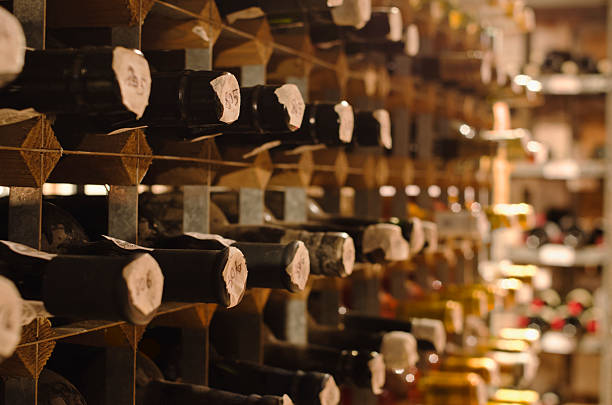
To preserve quality, store bottles horizontally in a cool, dark environment away from temperature fluctuations.
How Winemaking Affects Shelf Life
The winemaking process plays a crucial role in determining how long unopened rosé wine lasts. Unlike red wines with high tannins and structure built for aging, rosés are deliberately crafted for freshness and immediate enjoyment.
Minimal skin contact and early bottling preserve bright acidity and fruity aromas, but these traits are inherently perishable. Most quality rosés are meant to be consumed within 1 to 2 years of the vintage date. Extended aging can result in flavor degradation, color browning, and loss of vibrancy.
Even with a sealed cork or screwcap, oxygen exposure over time affects the wine’s integrity. Wines made for longevity are rare and typically indicated by the producer. To maximize shelf life, store unopened bottles at a consistent 50–59°F (10–15°C) with moderate humidity.
Avoid heat, light, and vibration to maintain quality until opening.
Best Ways to Store Unopened Rosé Wine

Ideal Temperature for Rosé Storage
To ensure your unopened rosé wine maintains its freshness and flavor, store it at a consistent temperature between 45°F and 55°F (7°C to 13°C).
Fluctuations in temperature can cause the wine to expand and contract, potentially pushing the cork out slightly and allowing oxygen to enter, which leads to premature oxidation.
A wine fridge or a dedicated cellar is ideal, but if unavailable, choose the coolest, most stable area of your home, away from appliances that generate heat. Avoid storing rosé in places like the kitchen or near radiators, as these areas experience frequent temperature swings.
Consistency is more critical than perfection—even a slightly warmer but steady environment is better than dramatic daily changes. By maintaining optimal temperature, your rosé can last unopened for up to 3 years, preserving its bright fruit notes and crisp acidity for when you’re ready to enjoy it.
Light and Humidity Considerations
Protect your unopened rosé from direct sunlight and artificial light, especially fluorescent lighting, which emits UV rays that can degrade wine over time. Exposure to light can cause ‘light strike,’ a condition that alters the wine’s aroma and taste, often resulting in a wet cardboard or skunky smell.
Store rosé in a dark place, such as a closet, cabinet, or wine cellar, to prevent this. Humidity is another key factor—aim for a relative humidity level of 50% to 80%.
Too little humidity can dry out the cork, allowing air to seep in and spoil the wine, while excessive moisture may damage labels or encourage mold. If storing long-term, consider using a humidity-controlled wine storage unit. For short-term storage, a dark, interior closet with stable conditions works well.
By managing light and humidity effectively, you help preserve the wine’s integrity, ensuring your rosé remains fresh and enjoyable for up to three years unopened.
Position: Should You Store Rosé Upright or on Its Side?
Unlike long-aged red wines, rosé should typically be stored upright when unopened. Since rosé is best consumed within 1–3 years and doesn’t require extended aging, there’s no need to keep the cork moist by laying the bottle on its side.
Storing it upright reduces the surface area of wine in contact with the cork, minimizing the risk of cork taint (TCA) and oxidation. It also makes storage more space-efficient and keeps the sediment—though minimal in rosé—settled at the bottom.
However, if your rosé has a natural cork and you plan to store it for more than two years, storing it on its side can help prevent the cork from drying out. For most casual consumers, upright storage in a cool, dark place is ideal.
This position supports the wine’s freshness and makes it easy to access when you’re ready to chill and enjoy. Always check the label for specific recommendations from the producer.
Signs Your Unopened Rosé Has Gone Bad
Visual Clues of Spoilage
When checking an unopened bottle of rosé for spoilage, start by examining the color and clarity through the glass. A fresh rosé typically has a bright pink, coral, or pale salmon hue. If the wine appears brownish, dull, or cloudy, oxidation or microbial spoilage may have occurred.
Look for sediment or particles floating inside—while some sediment can be natural, excessive or clumpy material suggests degradation. Also, check the fill level; if the wine doesn’t reach the bottom of the cork, it may indicate leakage or evaporation due to a faulty seal.
Inspect the cork itself through the neck—if it’s pushed out slightly or discolored, heat damage or fermentation could be at play. These visual cues are early warnings that the wine may no longer be safe or enjoyable to drink, even if it hasn’t reached its typical shelf life.
Smell and Cork Condition Indicators
Even before opening, you can detect signs of spoilage in unopened rosé by assessing the smell through the cork. Gently sniff the cork end of the bottle—if you detect vinegar, wet cardboard, mustiness, or rotten eggs, the wine is likely compromised.
These odors suggest oxidation, cork taint (TCA), or reduction, all of which ruin the wine’s quality. Inspect the cork’s condition: a dried-out, cracked, or leaking cork can let air in, accelerating spoilage. A bulging cork may indicate refermentation, meaning the wine was exposed to warmth or light over time.
Store rosé upright to minimize cork contact, but prolonged storage can still dry the cork. If the bottle has been stored improperly—such as in direct sunlight or fluctuating temperatures—these risks increase.
Trust your nose and eyes: off-smells and poor cork integrity mean the wine may be past its prime, regardless of the printed date.
What Off-Tastes Mean
While you can’t taste an unopened rosé directly, understanding what off-flavors signify helps assess risk. If you’ve opened a similar bottle from the same batch and noticed sour, vinegar-like, or flat tastes, the unopened one may be similarly affected.
These flavors point to acetic acid bacteria or oxidation, often caused by poor storage or aging beyond the wine’s prime. Rosé is best consumed within 1–3 years of the vintage date, as it lacks the tannins and structure to age well.
Wines stored in warm, humid, or light-exposed areas degrade faster. Fizziness in a still rosé suggests unintended secondary fermentation. Though you can’t taste the sealed bottle, knowing typical spoilage flavors helps infer its condition.
If any sensory red flags appear in a sibling bottle, assume the unopened one is also compromised and avoid consumption.
Tips for Choosing Rosé with Longer Shelf Life
Reading the Vintage Year
Understanding the vintage year is crucial when determining how long rosé wine lasts unopened. Most rosé wines are intended for immediate consumption and are best enjoyed within 1 to 3 years of their vintage date.
Unlike red wines that benefit from aging, rosé typically loses its vibrant fruit flavors and freshness over time. Check the bottle for the harvest year—rosé from the most recent vintage (e.g., 2022 or 2023) will likely still be at peak quality.
Wines from older vintages may still be safe to drink, but they often lack the crispness and aromatic intensity rosé is known for. Cool, dark storage can help preserve quality, but it won’t reverse flavor degradation.
If you’re unsure, assume a shelf life of 18–24 months from bottling for still rosé. For optimal taste, prioritize younger vintages and avoid holding onto unopened bottles beyond three years unless specifically designed for aging.
Choosing Quality Brands and Producers
Selecting rosé from reputable producers significantly impacts its shelf life and overall longevity. High-quality winemakers use better grapes, controlled fermentation, and precise sulfur dioxide levels to preserve freshness and stability over time.
Brands from renowned regions like Provence, France, or premium producers in Spain and California often follow strict production standards that enhance shelf life. These producers also tend to use superior bottling techniques, including darker glass and effective closures, which protect the wine from light and oxidation.
While most rosé is still best consumed within two years, wines from top-tier producers may maintain drinkability closer to the three-year mark without significant decline. Look for labels indicating vintage-dated bottlings and minimal intervention practices.
Investing in quality doesn’t guarantee long-term aging potential, but it does increase the likelihood of a well-preserved, flavorful rosé when stored properly before opening.
Sparkling vs. Still Rosé: Which Lasts Longer?
When considering shelf life, sparkling rosé generally outlasts still rosé due to its higher acidity and dissolved carbon dioxide, which act as natural preservatives.
While still rosé is best consumed within 1–2 years, high-quality sparkling rosé—especially those made using the traditional method, like Champagne or Cava—can remain enjoyable for 3–5 years unopened. The pressure inside the bottle helps maintain freshness and protect against oxidation.
Look for vintage-dated sparkling rosés, which are specifically crafted for longer aging. Non-vintage sparkling rosés should still be consumed within 3 years for optimal flavor. Store both types in a cool, dark place on their side to keep corks moist and minimize air exposure.
Though neither type is meant for decades-long aging, choosing sparkling rosé offers a noticeably longer window of peak quality. For extended storage, sparkling is the better choice—but always prioritize freshness for the best tasting experience.
How Vintage and Region Impact Rosé Longevity
Old World vs. New World Rosé Aging Potential
Old World rosés, particularly from regions like Provence, France, are typically crafted for freshness and early consumption, with most best enjoyed within 1–2 years of vintage. These wines emphasize bright acidity, delicate fruit, and minerality, which begin to fade after the second year.
In contrast, some New World rosés—especially those from cooler climates like Oregon or New Zealand—may have slightly more structure due to higher acidity and restrained winemaking, allowing them to retain quality for up to 3 years unopened. However, very few rosés benefit from extended aging.
The majority, regardless of origin, are bottled to showcase youthful vibrancy. Always check the vintage date: if it’s more than three years past, the wine may have deteriorated even if unopened. Store upright in a cool, dark place to preserve integrity until opening.
Climate Effects on Wine Stability
Climate plays a crucial role in determining how long unopened rosé can last. Wines from cooler climates, such as Germany’s Pfalz or Canada’s Niagara Peninsula, often have higher natural acidity, which acts as a preservative and enhances longevity.
These rosés can maintain freshness for up to 3 years when stored properly. Conversely, rosés from hotter regions may have lower acidity and riper fruit profiles, making them more susceptible to oxidation and flavor degradation over time—best consumed within 12–18 months.
Temperature fluctuations during storage can also accelerate aging, so consistent, cool storage below 65°F (18°C) is essential. UV light and humidity imbalances further compromise stability. Even with favorable climates, most rosé is not designed for long-term aging, but optimal conditions can help preserve its peak quality until opening.
Top Regions for Longer-Lasting Rosé
Certain wine regions produce rosés with better aging potential due to terroir, grape selection, and winemaking techniques. Bandol in Provence, France, stands out—its Mourvèdre-based rosés have structure, tannin, and acidity that allow them to evolve gracefully for 3–5 years unopened.
Similarly, Tavel, another French region, crafts fuller-bodied rosés built to last up to 3 years. From Italy, Sicilian Nero d’Avola rosés offer depth and phenolic content that support longer shelf life.
In the New World, select producers in Sonoma Coast and Willamette Valley craft rosés with precision and acidity, suitable for 2–3 years of cellaring. However, these are exceptions. Always verify producer notes, as most rosé—even from these regions—should be consumed young.
Check the vintage and storage history to ensure quality upon opening.
Frequently Asked Questions About Rosé Shelf Life
Can You Drink Rosé After the Best-By Date?
Yes, you can drink rosé after the best-by date, provided it has been stored properly and remains unopened. The best-by date is a manufacturer’s estimate of peak quality, not a strict expiration.
Most unopened rosé wines maintain their freshness, flavor, and aroma for 1 to 3 years past the vintage date, especially if stored in a cool, dark place with consistent temperature. While the wine may lose some of its vibrant fruitiness over time, it typically remains safe to consume.
Always inspect the cork and bottle for signs of leakage, seepage, or mold before opening. If the wine smells vinegary, musty, or like wet cardboard, it has likely spoiled and should be discarded. For optimal taste, enjoy rosé within 2 years of bottling.
Drinking slightly aged rosé won’t harm you, but quality degrades over time, so freshness is key for the best experience.
Does Alcohol Content Affect Shelf Life?
Alcohol content does influence the shelf life of unopened rosé wine, though its impact is more subtle than in fortified wines. Rosé typically contains 11% to 13% alcohol by volume (ABV), which acts as a natural preservative, inhibiting microbial growth and slowing oxidation.
Wines with slightly higher ABV may remain stable a bit longer, but the difference is minimal due to rosé’s delicate composition. Unlike red wines rich in tannins, rosé relies more on acidity and freshness, making it less suited for long-term aging regardless of alcohol level.
Proper storage conditions—cool temperature, minimal light, and stable humidity—play a far greater role in longevity than ABV alone. Therefore, while higher alcohol can offer marginal stability, it won’t significantly extend rosé’s shelf life beyond 2–3 years.
Focus on storage over alcohol content to preserve quality and enjoy the wine at its best.
Is It Safe to Store Rosé in the Kitchen Cabinet?
Storing unopened rosé in a kitchen cabinet is acceptable only if the cabinet meets specific conditions. Ideal wine storage requires a cool, dark, and temperature-stable environment—most kitchen cabinets are exposed to heat fluctuations from ovens, sunlight from windows, and humidity from cooking, all of which degrade wine quality.
Frequent temperature changes can cause the cork to expand and contract, potentially letting air in and leading to oxidation. If your cabinet is away from appliances, not exposed to light, and maintains a cool, consistent temperature (ideally around 55°F or 13°C), it can work short-term.
However, for long-term storage, a dedicated wine rack in a basement or closet is preferable. Avoid storing rosé above the fridge or near stoves. While short-term cabinet storage won’t ruin the wine, optimal conditions preserve freshness and flavor for the full shelf life.
Frequently Asked Questions
How long does unopened rosé wine last?
Unopened rosé wine typically lasts 1 to 3 years from the bottling date, depending on the quality and storage conditions. Most mass-market rosés are meant to be consumed within 1–2 years for optimal freshness and flavor.
Does rosé wine go bad if unopened?
Yes, unopened rosé wine can eventually go bad, even without exposure to air. Over time, its flavor, color, and aroma degrade, especially if stored improperly or kept beyond 3 years.
What is the best way to store unopened rosé wine?
Store unopened rosé wine in a cool, dark place with a consistent temperature around 55°F (13°C) and high humidity. Keep bottles on their side if they have corks to prevent drying, and avoid exposure to light and vibration.
Can you drink rosé wine after the ‘best by’ date?
Yes, you can often drink rosé wine after the ‘best by’ date if it has been stored properly, but quality may decline. Check for off smells, discoloration, or unusual taste before consuming.
Does the type of closure affect how long rosé lasts unopened?
Yes, rosé wines with screw caps tend to have a more consistent shelf life of 2–3 years, while cork-sealed bottles may vary based on cork quality and storage. Screwcaps provide a more airtight seal, preserving freshness longer.
How can I tell if unopened rosé wine has gone bad?
Even unopened, rosé can spoil. Check for a bulging or pushed-out cork, leaking, or a deep orange or brown tint in the wine. If the bottle makes a fizzing sound when opened (unexpectedly), it may be spoiled or refermenting.
Should I refrigerate unopened rosé wine?
No, unopened rosé should not be stored in the refrigerator long-term. Instead, keep it in a cool, dark place. Refrigeration is best reserved for short-term storage just before serving.
Is older unopened rosé wine more valuable?
Generally, no. Most rosé wines are not meant for aging and do not increase in value or complexity over time. Unlike some red wines, rosé is best enjoyed young and fresh.
Conclusion
Unopened rosé wine typically lasts 1 to 3 years, maintaining its best quality within the first 2 years. Proper storage—cool, dark, and horizontal—preserves its freshness and flavor. While it doesn’t improve with age like some reds, a well-stored bottle can still be enjoyable beyond its peak. Don’t hesitate to enjoy your rosé while it’s vibrant and crisp. Cheers to savoring every refreshing sip at its best!