Hard Seltzer Brewing Kit
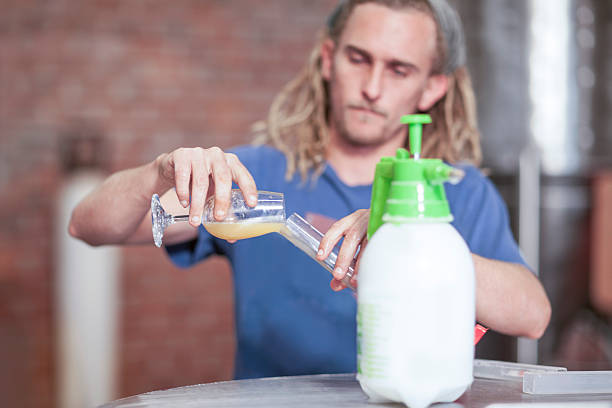
Looking to brew your own hard seltzer at home? A hard seltzer brewing kit is your easiest, most reliable solution. Whether you’re a beginner or a seasoned homebrewer, these all-in-one kits simplify the process with pre-measured ingredients, yeast, and clear instructions. Skip the guesswork and start crafting crisp, refreshing hard seltzers in just a few days. In this guide, we’ll break down everything you need to know about choosing and using the best hard seltzer brewing kit for your taste and lifestyle.
What Is a Hard Seltzer Brewing Kit?
Components of a Typical Hard Seltzer Kit
A typical hard seltzer brewing kit includes all essential components needed to ferment a crisp, alcoholic sparkling water at home. Most kits contain a base of fermentable sugars, often derived from cane sugar or maltodextrin, which provides clean fermentation without adding strong flavors.
They also include yeast strains specifically selected for neutral flavor profiles and high alcohol tolerance, ensuring a smooth finish. Flavorings and acid blends are commonly included to add tartness and fruit notes after fermentation.
The kit usually comes with instructions, sanitizer, and sometimes carbonation tools like priming sugar or CO2 chargers. Fermentation vessels such as food-grade buckets or bottles with airlocks are often part of the package. Some advanced kits even include pH test strips and hydrometers to monitor progress.
With minimal equipment and straightforward steps, these kits make hard seltzer accessible for beginners and experienced homebrewers alike.
How Hard Seltzer Kits Differ from Beer Brewing Kits
Hard seltzer kits are specifically designed for producing light, low-calorie alcoholic beverages, setting them apart from traditional beer brewing kits in several key ways.
Unlike beer kits, which rely on malted barley and hops for flavor and body, hard seltzer kits use simple sugars like cane sugar or dextrose to create a neutral base that won’t overpower added fruit flavors.
The yeast strains in seltzer kits are chosen for clean, fast fermentation with minimal esters, whereas beer kits often use yeasts that contribute distinct flavor profiles. Hard seltzer fermentation requires less time and lower temperatures, typically completing in one to two weeks.
Additionally, seltzer kits emphasize post-fermentation flavoring with natural or powdered fruit extracts, while beer kits focus on hop schedules and grain bills. The result is a crisp, refreshing drink with fewer calories and carbohydrates than most beers, appealing to health-conscious consumers.
Types of Hard Seltzer Brewing Systems Available
Hard seltzer brewing systems come in several formats, each tailored to different levels of experience and production goals. Beginner kits are all-in-one packages that include pre-measured ingredients, yeast, flavorings, and a basic fermentation vessel, making them ideal for first-time brewers seeking simplicity and consistency.
Intermediate systems often feature reusable equipment like glass carboys, airlocks, and bottling tools, allowing for larger batches and customization. Some kits integrate kegging options for force carbonation, enabling faster turnaround and bar-quality fizz.
For advanced users, modular fermentation setups offer temperature control, digital hydrometers, and app connectivity to monitor fermentation in real time. Commercial-grade kits are also available for small-scale producers, featuring stainless steel tanks and automated processes. Regardless of type, most systems prioritize ease of sanitation, rapid fermentation, and flavor clarity.
Choosing the right system depends on your desired output, time commitment, and flavor control preferences.
How to Choose the Right Hard Seltzer Brewing Kit
Key Features to Look for in a Kit
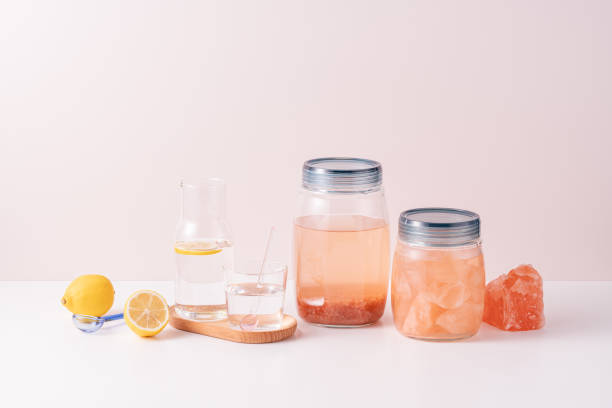
When selecting a hard seltzer brewing kit, prioritize complete ingredient inclusion, easy-to-follow instructions, and fermentation monitoring tools. A high-quality kit should provide all necessary components—yeast, flavorings, sugar sources, and sanitizing agents—to streamline the brewing process. Clear, step-by-step guides are essential, especially for newcomers, to ensure consistent results.
Look for kits that include airlocks, fermenters, and bottling supplies to avoid extra purchases. Temperature-resistant fermenters help maintain ideal fermentation conditions, crucial for clean-tasting seltzers. Additionally, kits with reusable equipment offer long-term value. Always check user reviews and manufacturer support to confirm reliability and clarity.
These features collectively ensure a smooth, successful brewing experience with minimal frustration.
Best Kits for Beginners vs. Experienced Brewers
Beginners should choose pre-measured ingredient kits with detailed instructional booklets or online video support to build confidence. Starter kits like ‘Homebrew Heaven Hard Seltzer Pack’ simplify the process with foolproof steps and minimal equipment needs.
In contrast, experienced brewers benefit from customizable kits that allow control over sugar sources, yeast strains, and flavor profiles. Advanced kits often include secondary fermentation options and carbonation calculators for precision. Look for modular systems that integrate with existing brewing setups.
While novices need simplicity and guidance, seasoned brewers value flexibility and scalability. Choosing the right level ensures enjoyment and better results—whether you’re making your first batch or experimenting with exotic fruit infusions and dry finishes.
Budget-Friendly vs. Premium Options
Budget-friendly hard seltzer kits, such as ‘BrewCraft Simple Seltzer Kit’, offer essential components at lower prices, ideal for casual brewers or those testing the waters. These typically include basic fermenters and pre-portioned ingredients but may require purchasing extra tools separately.
However, premium kits like ‘FermZilla All-in-One Seltzer Bundle’ provide integrated temperature control, durable stainless steel fermenters, and advanced aeration systems for superior clarity and flavor. While costing more upfront, they reduce long-term expenses through reusability and efficiency.
Consider your brewing frequency: occasional users may prefer affordable entry-level kits, while serious enthusiasts benefit from higher initial investment for consistent, professional-grade results and time savings during cleanup and fermentation.
What Size Kit Is Right for You?
Selecting the right kit size depends on your consumption habits, available storage, and fermentation space. 1-gallon (3.8L) kits are perfect for beginners or small households, minimizing waste and allowing flavor experimentation without large commitments.
5-gallon (19L) kits, producing about two cases per batch, suit regular drinkers or entertainers seeking cost efficiency and consistency. Ensure your fermentation area maintains stable temperatures, as larger volumes are more sensitive to fluctuations. Also, consider bottling or kegging preferences—larger batches pair well with keg systems to preserve carbonation.
Intermediate 2.5-gallon kits offer a balanced option for moderate use. Match the batch size to your lifestyle to avoid spoilage and maximize enjoyment of your homemade hard seltzers.
Step-by-Step Guide to Brewing Hard Seltzer at Home
Preparing Your Equipment and Ingredients
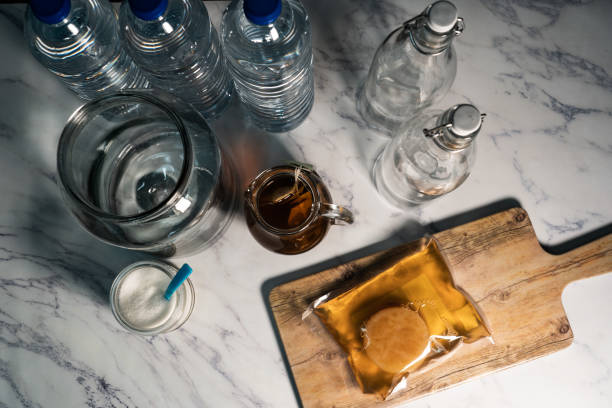
Start by sanitizing all equipment thoroughly to prevent contamination, including fermenters, airlocks, siphons, and bottles. Most hard seltzer brewing kits include a base ingredient like fermentable sugar (e.g., dextrose), yeast, and sometimes flavor additives. You’ll also need water—preferably filtered—and a food-grade container for fermentation.
Check your kit instructions for specific components, as some may include pH strips or clarifying agents. Use precise measurements when mixing sugar and water to ensure consistent alcohol content. Prepare a clean, temperature-stable space for fermentation, ideally between 68–72°F (20–22°C).
Having everything ready before beginning ensures a smooth process and reduces the risk of spoilage or off-flavors in your final product.
Fermentation Process Explained
Once your sanitized fermenter is filled with the sugar-water mixture (wort), pitch the included yeast according to kit instructions—typically champagne or wine yeast for clean fermentation. Seal the fermenter with an airlock to allow CO2 to escape while keeping contaminants out.
Primary fermentation takes 7–14 days, during which the yeast converts sugar into alcohol and carbon dioxide. Keep the fermenter in a dark, temperature-controlled area to optimize yeast performance. Avoid opening the lid to prevent oxidation or infection.
After bubbling slows, use a hydrometer to confirm fermentation is complete (stable specific gravity over two days). Once done, your base alcohol solution is ready for carbonation and flavoring.
Carbonation and Bottling Tips
After fermentation, transfer the seltzer to a bottling bucket or keg using a siphon to leave sediment behind. For carbonation, you can choose natural carbonation (priming sugar) or force-carbonate with a CO2 tank.
If priming, add a precise amount of sugar (typically 3/4 tsp per bottle) to create consistent fizz during bottle conditioning. Seal bottles with caps or swing tops and store at room temperature for 7–10 days.
For faster results, use a keg and CO2 system to carbonate under pressure in 24–48 hours. Always chill before opening to reduce foam and ensure a crisp pour. Proper carbonation enhances mouthfeel and drinkability.
Flavoring Your Hard Seltzer
Add flavor after fermentation is complete to preserve aroma and prevent yeast interference. Most hard seltzer brewing kits include natural flavor drops or powder; alternatively, use unsweetened fruit purees, extracts, or cold-pressed juices. Start with small amounts and taste incrementally to avoid overpowering the drink.
If using juice, consider filtering to maintain clarity. For sweetness, add non-fermentable sugar substitutes like erythritol or stevia. Remember, less is more—subtle flavors often taste more refined. Once flavored, let the seltzer condition for 1–2 days to meld flavors. Always store in airtight, light-resistant bottles to preserve freshness and fizz.
Top 5 Hard Seltzer Brewing Kits on the Market
Comparison of Leading Brands
When evaluating the top hard seltzer brewing kits, key brands like Northern Brewer, Brooklyn Brew Shop, and Homebrew Heaven stand out for their quality and user-friendliness. Northern Brewer’s kit includes all-in-one ingredients, precise instructions, and gluten-free options, making it ideal for beginners.
Brooklyn Brew Shop emphasizes organic ingredients and elegant packaging, appealing to health-conscious consumers. Homebrew Heaven offers highly customizable kits with multiple flavor add-ons and alcohol content options. Each kit typically includes a base syrup, yeast, carbonation tablets, and flavorings.
Fermentation time ranges from 7 to 14 days, with most kits yielding 5–6 bottles per batch. Northern Brewer excels in consistency and clarity of directions, while Brooklyn Brew Shop focuses on sustainability and taste refinement. Homebrew Heaven supports advanced users with modular components.
Choosing the right kit depends on your experience level, flavor preferences, and customization needs—all three brands deliver reliable results with minimal equipment required.
Pros and Cons of Each Kit
The Northern Brewer Hard Seltzer Kit offers ease of use and reliable results, perfect for beginners, with pre-measured ingredients and clear instructions. However, its flavor variety is somewhat limited.
Brooklyn Brew Shop’s kit uses organic, non-GMO components and produces a crisp, clean taste, but it comes at a higher price point and has a slightly longer fermentation window.
Meanwhile, Homebrew Heaven’s kit stands out for customization, allowing users to adjust sweetness, alcohol content, and flavors, though this flexibility may overwhelm new brewers. A shared pro across all kits is minimal equipment needs—most only require a fermenter, bottles, and sanitizer.
On the downside, some kits lack robust flavor profiles without additional enhancements. Northern Brewer and Brooklyn Brew Shop provide better beginner support, while Homebrew Heaven demands more hands-on involvement. Ultimately, balance between simplicity, cost, and personalization will determine the best fit for your brewing goals.
Customer Reviews and Ratings
Customer feedback highlights Northern Brewer as a favorite, with a consistent 4.8/5 rating for its straightforward process and dependable results. Users praise its low failure rate and beginner-friendly design.
Brooklyn Brew Shop earns a 4.6/5, lauded for smooth taste and premium ingredients, though some note the higher cost and slower fermentation. Homebrew Heaven maintains a 4.5/5, appreciated for flavor versatility and scalability, but receives critiques for complex instructions and steeper learning curve.
Across platforms like Amazon and homebrew forums, buyers emphasize ease of carbonation and clean finish as major positives. Negative reviews often cite inconsistent flavor intensity or packaging issues. Repeat purchases are common, especially for Northern Brewer, indicating strong customer satisfaction. Many recommend adding fresh fruit or juices to enhance taste.
Overall, all three kits enjoy positive sentiment, with users valuing clarity, taste, and support materials—key factors for a successful hard seltzer brewing experience.
Common Mistakes to Avoid When Using a Brewing Kit
Inconsistent Fermentation Temperatures
Maintaining consistent fermentation temperatures is critical when using a hard seltzer brewing kit. Fluctuations can stress yeast, leading to off-flavors, stalled fermentation, or incomplete sugar conversion. Most hard seltzer kits use dry wine or champagne yeast, which perform best within a narrow temperature range—typically 68–75°F (20–24°C).
Placing your fermenter in areas prone to temperature swings, like garages or near windows, increases the risk of inconsistent results. Use a fermentation temperature control device, such as a heating belt or swamp cooler, to stabilize the environment. Monitor temperatures daily with a reliable adhesive thermometer.
Avoid rushing the process by increasing ambient heat, as this can produce fusel alcohols that impart harsh, solvent-like notes. Patience and stable thermal conditions ensure clean, crisp fermentation essential for a refreshing hard seltzer.
Consistency here directly impacts flavor, clarity, and alcohol content, so prioritize a controlled setup for best results.
Poor Sanitation Practices
One of the most critical mistakes in hard seltzer brewing is neglecting proper sanitation. Even microscopic contaminants like bacteria or wild yeast can spoil your batch, leading to sour, funky, or off-flavored seltzer. Every piece of equipment that contacts the liquid post-boil—fermenters, airlocks, siphons, bottles—must be thoroughly cleaned and sanitized.
Use a no-rinse sanitizer like Star San or iodophor, and apply it correctly according to instructions. Never assume equipment is clean by sight alone—residue or biofilm can harbor microbes. Work in a clean, clutter-free area and minimize exposure of your wort or fermenting liquid to open air. Reusing bottles?
Inspect and sanitize them meticulously. Skipping or rushing sanitation steps may save time initially but often results in entire batches being discarded. Taking sanitation seriously ensures your hard seltzer remains crisp, clean, and true to recipe. Make it a non-negotiable step every time you brew.
Overlooking Ingredient Quality
The simplicity of hard seltzer means ingredient quality has a magnified impact on the final product. Since hard seltzer is typically made from sugar, water, yeast, and flavorings, any impurities or subpar components will be noticeable.
Use refined, fermentable sugars like dextrose or sucrose—avoid raw, brown, or flavored sugars that can introduce unwanted compounds. Filtered or spring water is preferable to tap water, which may contain chlorine or minerals affecting taste. Choose high-purity flavor extracts or natural fruit juices from reputable sources to avoid artificial aftertastes.
Even the yeast strain matters—opt for neutral, highly attenuative varieties designed for clean fermentation. Don’t cut corners on kits promising convenience but using low-grade additives. Investing in premium, food-grade ingredients ensures a crisp, refreshing seltzer with a clean finish.
Remember, with minimal ingredients, each one plays a starring role—so quality can’t be compromised.
How to Customize Your Hard Seltzer Flavor
Using Natural Fruit Juices and Purees
Incorporating natural fruit juices and purees is one of the most effective ways to customize your hard seltzer flavor while maintaining a clean, authentic taste. Opt for 100% unsweetened fruit juices or high-quality frozen purees to avoid added sugars and preservatives that could affect fermentation.
Popular options include mango, raspberry, lime, and grapefruit due to their vibrant acidity and strong flavor profiles. Add the juice or puree during the post-fermentation stage to preserve freshness and prevent interference with yeast activity. For clarity, consider straining the puree or using a fine mesh bag.
Pasteurizing the juice beforehand can prevent unwanted microbial contamination. Aim for a ratio of 4–8 ounces of juice per gallon, adjusting to taste through small test batches. This method not only enhances flavor but also adds subtle complexity and natural color, elevating your hard seltzer’s appeal without artificial ingredients.
Adding Flavor Extracts and Essences
Flavor extracts and essences offer a concentrated, consistent way to customize your hard seltzer with precision. These are especially useful when working with delicate or hard-to-source flavors like cucumber, vanilla, or lavender. Use food-grade, alcohol-soluble extracts to ensure even distribution and stability in your carbonated beverage.
Start with just a few drops per gallon and conduct taste tests before scaling up—overuse can lead to an artificial or overpowering flavor. Unlike fresh fruit, extracts don’t ferment or spoil, making them ideal for longer shelf life and batch consistency.
Always add them post-fermentation and after cooling to preserve volatile aromatic compounds. For best results, blend extracts with a small amount of finished seltzer before incorporating into the larger batch to ensure uniform dispersion.
This method allows for highly customizable, repeatable recipes that cater to unique palates without altering alcohol content or clarity.
Creating Unique Flavor Combinations
To stand out, experiment with unexpected yet balanced flavor pairings that excite the palate. Start with complementary profiles—like pineapple and jalapeño for sweet-heat or strawberry and basil for herbaceous freshness. Use small test batches to refine ratios before scaling.
Consider layering flavors by combining a base juice (e.g., blood orange) with a subtle extract (like rosemary) for depth. Balance sweetness, acidity, and aroma to avoid overwhelming the drink’s crisp character. Keep detailed notes on each combination to replicate successes and troubleshoot failures.
Drawing inspiration from cocktails or seasonal fruits can spark innovation—think cucumber-mint for summer or spiced pear for fall. Ultimately, unique combinations differentiate your hard seltzer, making it memorable. With a methodical, taste-driven approach, your brewing kit becomes a creative lab for crafting signature flavors that cater to diverse preferences.
Storage, Shelf Life, and Serving Tips
Best Practices for Storing Homemade Hard Seltzer
To maintain the freshest flavor and carbonation, store your homemade hard seltzer in airtight, sanitized bottles immediately after fermentation and carbonation are complete. Use glass swing-top bottles or high-quality plastic PET bottles designed for carbonated beverages to prevent leaks and preserve fizz.
Keep bottles upright in a cool, dark place away from direct sunlight and temperature fluctuations—ideal storage is between 45–55°F (7–13°C). Exposure to heat or light can degrade flavor and increase the risk of over-carbonation or bottle bombs. Avoid disturbing the bottles once stored to prevent agitation of sediment.
If using natural carbonation (priming sugar), allow at least 7–10 days at room temperature for carbonation to develop before moving to cold storage. Cold crashing—chilling the bottles rapidly before refrigeration—can help clarify the seltzer and stabilize carbonation.
Proper storage ensures your hard seltzer retains its crisp, clean profile until ready to enjoy.
How Long Does It Last?
Homemade hard seltzer typically has a shelf life of 3 to 6 months when stored correctly. The alcohol content (usually 4–6% ABV) and low sugar residue after fermentation help preserve it, but flavor quality begins to decline over time.
Peak freshness is within the first 8–12 weeks, when carbonation is strongest and fruity or added flavors are most vibrant. Over time, oxidation can dull the taste, and carbonation may slowly dissipate, especially if bottles aren’t sealed tightly. To extend shelf life, refrigerate after carbonation and minimize headspace in bottles.
Avoid freezing, as it can damage texture and cause bottles to crack. If you detect off smells, cloudiness (in otherwise clear seltzers), or flatness, it’s best to discard. Label each batch with the brew date so you can track freshness and refine future batches based on taste testing over time.
Serving Suggestions and Glassware Tips
Serve homemade hard seltzer well-chilled to enhance its crisp, refreshing character—refrigerate for at least 24 hours before serving. Use tall, narrow glasses like highballs or pilsner glasses to preserve carbonation and showcase bubbles rising through the liquid.
Pour slowly down the side of the glass at first, then straighten to minimize foam overflow while maximizing aroma release. If you’ve added fruit juices or flavorings, consider garnishing with a citrus wedge, fresh berries, or herbs like mint to elevate presentation and aroma.
Avoid wide-mouthed glasses like tumblers, which allow carbonation to escape too quickly. For flavored batches, matching the garnish to the dominant flavor (e.g., lime for tropical, grapefruit for hibiscus) enhances the drinking experience. Always serve in clean, residue-free glassware—soap film or dust can disrupt carbonation and alter taste.
Enjoy immediately after pouring for the best sensory impact.
Frequently Asked Questions
What is a hard seltzer brewing kit?
A hard seltzer brewing kit is a packaged set of ingredients and equipment designed to help home brewers create alcoholic sparkling water with added flavor. These kits typically include yeast, fermentable sugar sources, flavorings, and carbonation tools.
What’s included in most hard seltzer brewing kits?
Most kits include a base (like malted barley or cane sugar), brewing yeast, flavor extracts or concentrates, carbonation drops or tablets, and detailed instructions. Some may also include bottles, caps, and sanitizing agents.
How long does it take to brew hard seltzer with a kit?
Brewing hard seltzer typically takes 7 to 14 days, including fermentation and carbonation time. Chill and condition for best flavor before drinking.
Do I need additional equipment to use a hard seltzer brewing kit?
Yes, most kits require basic homebrew equipment like a fermenter, airlock, sanitizer, bottles, and a bottle capper. Check the kit instructions to confirm what’s needed.
Can I make hard seltzer without alcohol using these kits?
No, hard seltzer brewing kits are designed to produce alcohol through fermentation. To make non-alcoholic versions, you’d need to skip fermentation and use alternative methods.
Are hard seltzer brewing kits beginner-friendly?
Yes, most kits are designed for beginners with step-by-step instructions and pre-measured ingredients. Basic sanitation and following directions are key to success.
How do I flavor my hard seltzer with a brewing kit?
Flavorings are usually added after fermentation to preserve taste and aroma. Use included flavor concentrates or experiment with natural fruit juices and extracts.
Conclusion
Brewing hard seltzer at home with a hard seltzer brewing kit is a simple, fun, and rewarding process that allows for endless flavor creativity. With minimal equipment and ingredients, anyone can craft clean, refreshing alcoholic seltzers tailored to their taste. These kits offer cost savings, control over quality, and the satisfaction of homemade beverages.
