Frosted Beer Mugs In Freezer
Ever wonder if you should keep frosted beer mugs in the freezer? You’re not alone—many beer lovers want that icy, pub-style chill but worry about cracking glass or flat suds. The good news? It’s safe *if* you do it right. In this quick guide, we’ll show you which mugs can handle the freeze, how long to chill them, and the best ways to get that frosty look without ruining your favorite brew. Get ready for perfectly chilled beer, every time.
How to Frost Beer Mugs in the Freezer
What You Need to Frost a Beer Mug
To frost beer mugs in the freezer, you’ll need a few simple items: clean, dry glass mugs, access to a freezer, and plastic wrap or a freezer-safe container (optional but helpful). Start with mugs free of grease or residue, as moisture and oils prevent even frosting.
Use thick-walled mugs if possible—they retain cold better and frost more evenly. Avoid plastic or insulated mugs, as they don’t frost well. If storing mugs in the freezer long-term, cover the rims with plastic wrap to prevent odors or moisture buildup.
Having everything ready ensures a quick, effective frosting process when you’re ready to serve a cold beer.
Step-by-Step Guide to Freezing Mugs
Begin by washing and thoroughly drying each beer mug—any moisture can cause uneven frosting. Place the mugs upside down on a flat freezer shelf to allow cold air to circulate evenly around the surface. Avoid overcrowding; space mugs apart to ensure consistent freezing.
For best results, chill mugs for at least 1 to 2 hours before use. When removing, handle with a dry towel to prevent melting the frost with warm hands. Immediately pour your beer to enjoy maximum chill.
This process creates a thin, even layer of frost that enhances the drinking experience by keeping beer colder longer and improving head retention.
How Long to Leave Mugs in the Freezer
For optimal results, leave beer mugs in the freezer for 1 to 2 hours. This duration allows the glass to reach a consistently cold temperature and form a light frost on the interior surface.
Avoid leaving mugs longer than 4 hours unless stored in an airtight container, as extended exposure can lead to odor absorption or excessive ice buildup. If pre-chilling for an event, set a timer to prevent over-freezing.
Mugs chilled for less than an hour may not frost properly, while those left too long can become too cold, risking thermal shock when pouring room-temperature liquids. Stick to the 1–2 hour window for perfect, safe frosting.
Tips for Even Frosting
For uniform frosting, always start with dry, room-temperature mugs—condensation from cold or damp surfaces creates icy patches. Place mugs upside down to expose the interior to cold air, promoting even frost on the drinking surface. Use the back of the freezer, where temperatures are most consistent.
Avoid opening the freezer frequently during chilling, as temperature fluctuations disrupt frosting. For extra frost, lightly mist the inside with water before freezing—but only if you want a thicker ice layer. Finally, use mugs made of soda-lime or tempered glass, as they frost more evenly than thin or decorative glass.
These tips ensure a crisp, refreshing beer experience every time.
Why Use Frosted Beer Mugs
How Frosting Keeps Beer Colder Longer
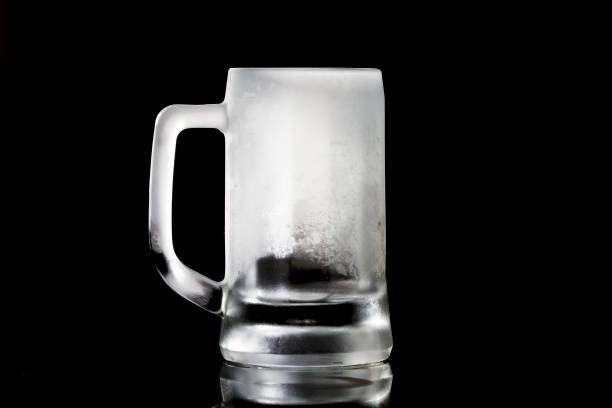
Frosted beer mugs are chilled below freezing before use, creating a thin layer of ice on the interior surface. This initial cold boost helps maintain a lower temperature when beer is poured, especially effective in warm environments.
The frost acts as a thermal buffer, absorbing heat from the beer more slowly than a room-temperature glass. As a result, your beer stays refreshingly cold for longer, ideal for quick consumption. However, the effect is temporary—once the frost melts, the added water can dilute the beer.
For best results, limit freezer time to 15–20 minutes to avoid excessive ice buildup while still gaining the cooling benefits.
The Effect on Beer Flavor and Foam
While a frosted mug enhances coldness, it can negatively impact beer flavor and head retention. The extreme cold numbs taste buds, making it harder to perceive subtle notes in craft or specialty brews. Additionally, the icy surface promotes rapid foaming, often causing the beer to foam over upon pouring.
This excessive foam can reduce carbonation stability and alter mouthfeel. The melting frost also dilutes the beer, muting its original taste. For hoppy ales or complex stouts, this interference is undesirable.
To preserve flavor integrity, consider chilling the beer itself rather than relying on a frosted mug, ensuring optimal taste and a balanced, lasting foam crown.
When Frosted Mugs Work Best
Frosted mugs are ideal for light, mass-market lagers consumed quickly in hot settings, such as outdoor events or barbecues. These beers rely on crisp, cold refreshment, and the frosted mug enhances that experience. The intense chill complements high carbonation and simple flavor profiles, delivering a thirst-quenching effect.
They’re also useful in draft systems where beer may warm slightly before serving. For fast-paced environments like sports bars or poolside service, frosted mugs add visual appeal and immediate satisfaction.
To maximize benefits, use them only with beers meant to be served very cold and consumed rapidly, ensuring the frost enhances rather than hinders the drinking experience.
Situations Where Frosting Is Not Ideal
Avoid frosted mugs when enjoying craft beers, ales, or stouts with nuanced aromas and flavors. The extreme cold masks delicate notes like hops, malt, or yeast characteristics, reducing sensory enjoyment. Beers meant to warm slightly in the glass—such as barleywines or sour ales—lose complexity when served in a frozen mug.
Additionally, high-alcohol beers often taste harsh when overly chilled. The melting frost also accelerates dilution, further dulling the intended profile. In formal tastings or slow-sipping settings, a properly chilled, non-frosted glass is superior. For optimal appreciation, let the beer’s temperature evolve naturally, preserving its balance, aroma, and intended flavor structure.
Best Types of Mugs for Freezing
Glass vs. Stainless Steel Mugs
When preparing frosted beer mugs in freezer, the material matters significantly. Tempered glass mugs are the traditional choice for achieving that authentic frosty exterior. They withstand freezer temperatures and rapidly chill the beer upon pouring, enhancing the drinking experience.
However, not all glass is freezer-safe—regular glass may crack due to thermal shock. Stainless steel mugs, while durable and shatterproof, do not develop the same visible frost but excel at maintaining cold temperatures longer. For best results with a frosted look and feel, opt for freezer-rated glass over stainless steel.
Always confirm manufacturer labels indicate freezer safety before storing.
Thick-Walled vs. Thin-Walled Designs
For optimal freezing performance, thick-walled mugs are superior when creating frosted beer mugs in the freezer. Their increased thermal mass retains coldness longer and promotes a more even frost on the inner surface. This thickness also reduces the risk of cracking during temperature shifts.
In contrast, thin-walled mugs cool quickly but are more prone to thermal stress and may not hold the chill as effectively once the beer is poured. For a consistently frosty, refreshing sip, choose mugs with robust, insulated walls designed specifically for freezer use.
These provide both durability and enhanced cooling, making them ideal for entertaining or personal enjoyment.
Mugs with Handles vs. Handleless
When freezing beer mugs, mugs with handles offer practical advantages over handleless designs. A secure grip is essential when retrieving icy mugs from the freezer, reducing the risk of slipping or frostbite from prolonged skin contact.
Handles also help minimize heat transfer from your hand to the mug, preserving the frost longer once in use. Handleless mugs, while sleek, can be difficult to hold safely when frozen and may warm up faster.
For home or commercial use, choose ergonomically designed mugs with sturdy, insulated handles to enhance safety and maintain optimal drinking temperature. This small feature significantly improves usability and enjoyment.
Recommended Brands for Freezer Use
Several brands specialize in mugs ideal for creating frosted beer mugs in freezer conditions. Libbey offers tempered glass mugs labeled freezer-safe, known for durability and classic styling. Anchor Hocking also produces thick-walled, shatter-resistant options ideal for frequent freezing.
For stainless steel, Yeti and Hydro Flask provide double-walled mugs that, while not frosted in appearance, keep beer icy-cold for hours. Bormioli Rocco is another top choice for European-style, freezer-ready glassware. Always verify the ‘freezer-safe’ label and avoid rapid temperature changes.
These trusted brands combine performance, safety, and style for the best frozen mug experience.
Common Mistakes When Freezing Beer Mugs
Leaving Mugs in Too Long
Leaving beer mugs in the freezer for extended periods can damage the glass and reduce carbonation when poured. While the goal is a frosty mug, leaving it in the freezer for more than 20–30 minutes risks thermal shock, especially with rapid temperature changes.
Additionally, an over-chilled mug can over-cool the beer, muting its flavor and aroma. For best results, set a timer and remove the mug just before serving. This ensures a frosty exterior without compromising the glass or beer quality.
Avoid storing mugs in the freezer long-term—only chill them right before use to maintain both mug integrity and optimal drinking experience.
Using Wet Mugs Before Freezing
Placing a wet beer mug directly into the freezer leads to excessive ice buildup, which can affect both appearance and function. Water left on the surface freezes into thick, uneven layers that may dilute the beer upon pouring and create a messy drinking experience.
To prevent this, always dry the mug thoroughly with a lint-free cloth before freezing. Any moisture, especially around the rim, can freeze and interfere with head retention.
For a clean frost, ensure the mug is completely dry—this promotes a thin, even layer of frost that enhances the beer’s chill without compromising taste. Proper drying is a small step that makes a big difference in achieving the ideal frosted mug.
Freezing Low-Quality Glass
Not all glassware is designed to withstand freezing temperatures, and using low-quality or thin glass can lead to cracking or shattering. These mugs often contain microscopic imperfections that expand under cold stress, resulting in safety hazards and wasted beer. Always use tempered or freezer-safe glass mugs labeled for extreme temperatures.
Investing in durable, high-quality beer mugs ensures they can handle repeated freezing without damage. Check manufacturer guidelines before chilling unfamiliar glassware. By choosing the right materials, you protect both your drinkware and yourself, while consistently achieving that desirable frosted finish without risk.
Safety and quality go hand in hand when freezing beer mugs.
Overfilling When Pouring Beer
After freezing a beer mug, it’s tempting to fill it to the brim, but overfilling leads to rapid foam overflow and wasted beer. The extreme cold increases nucleation sites, causing carbonation to release quickly.
To avoid this, pour slowly and at an angle, filling only two-thirds of the mug initially, then allowing the foam to settle before topping off. This preserves the beer’s head and flavor while preventing mess. A frosted mug enhances chill but doesn’t eliminate the need for proper pouring technique.
Controlled pouring ensures maximum enjoyment and minimizes waste. Remember: the goal is a cold, refreshing beer—not a foamy overflow—so patience improves results.
How to Maintain Your Frosted Mugs
Cleaning Tips After Freezer Use
After removing frosted beer mugs from the freezer, allow them to reach room temperature before washing to prevent thermal shock. Sudden temperature changes can weaken the glass over time.
Use warm (not hot) water and a mild dish soap with a soft sponge to clean the surface, avoiding abrasive scrubbers that can scratch the glass. Pay attention to the rim and base, where residue and bacteria can accumulate.
For stubborn odors or film, soak the mugs in a mixture of vinegar and water for 15–20 minutes before rinsing thoroughly. Always hand wash frosted mugs, as dishwashers expose them to high heat and harsh detergents that degrade their finish. Dry with a lint-free cloth to prevent water spots.
Storing Mugs to Prevent Odors
To keep frosted beer mugs fresh, store them in airtight containers or sealed plastic bags before placing them in the freezer. This prevents them from absorbing strong odors from frozen foods, which can transfer to your drink.
Avoid stacking mugs directly on top of each other, as trapped moisture may encourage mildew or off-smells. Instead, use paper towels between mugs if storing in bulk. Ensure mugs are completely dry before freezing to eliminate moisture that can lead to freezer burn or odor retention.
For long-term storage, label and date the container to track usage and freshness. Periodically inspect stored mugs for any lingering smells and rewash if necessary to maintain a clean, crisp drinking experience.
Avoiding Cracks and Breakage
Prevent cracks in frosted beer mugs by never exposing them to rapid temperature shifts—always let them warm up naturally after freezer storage before washing or refilling. Avoid pouring boiling liquids or hot water directly into a frozen mug, as thermal stress can cause immediate breakage.
Handle mugs gently, especially when cold, as glass becomes more brittle at low temperatures. Use insulated gloves when handling frozen mugs to reduce the risk of dropping them. Store them upright in a designated freezer bin to minimize contact with other items that could cause impact damage.
Avoid placing them on hard surfaces while frozen. Investing in tempered glass mugs designed for freezer use can also enhance durability and resistance to cracking.
When to Replace Old Mugs
Replace frosted beer mugs when you notice fine cracks, chips, or cloudiness that persists after cleaning, as these can harbor bacteria and weaken the glass. Over time, repeated freezing and washing can erode the mug’s surface, compromising both safety and performance.
If the frosting effect no longer forms or fades significantly, the mug may no longer chill effectively. Mugs with deep scratches or rough edges should also be retired to prevent injury. As a general rule, replace mugs every 1–2 years with regular use, or sooner if damage occurs.
Regular inspection ensures your servingware remains safe, functional, and enhances the beer-drinking experience without risking contamination or breakage.
Alternatives to Freezer-Frosted Mugs
Chilled Mugs from the Refrigerator
Instead of using the freezer, chill your beer mugs in the refrigerator for several hours before serving. This method avoids the risk of condensation-heavy frost that can water down your beer.
Refrigerator-chilled mugs maintain a consistent, cold temperature without freezing the glass, which helps preserve the beer’s head and flavor profile. For best results, place the mugs upside down to prevent dust or odors from affecting taste. Use thick-walled glassware to retain coldness longer.
This approach is especially effective for lagers and pilsners that benefit from a crisp, cool presentation without the drawbacks of freezer-frost residue.
Using Ice-Cold Water Rinse
A quick and effective alternative is rinsing your mug with ice-cold water just before pouring. Fill the mug with ice and water, let it sit for 30 seconds, then dump and dry quickly. This instantly lowers the glass temperature without the wait or risk of freezer burn.
The thin film of water evaporates quickly, helping cool the glass surface and enhancing the initial chill of the beer. Ideal for spontaneous gatherings, this method avoids moisture buildup while delivering a frost-like experience.
Use a lint-free towel to dry the interior and maximize foam retention for a cleaner, more professional pour.
Pre-Chilled Metal Jackets
Invest in pre-chilled metal cooling sleeves or beer jacket holders that fit around standard mugs. These reusable accessories can be stored in the freezer and quickly slipped onto room-temperature mugs to deliver a frosty experience. They provide consistent exterior cooling without wetting the glass, preserving beer flavor and carbonation.
Unlike freezer-frosted mugs, metal jackets avoid excess condensation and are ideal for outdoor events or bars aiming for speed and consistency. Choose models with insulated interiors to prevent over-chilling, which can numb flavor. This solution combines convenience, sustainability, and professional-grade performance.
Frozen Core Mugs and Their Effectiveness
Frozen core mugs contain a gel-filled base that’s stored in the freezer and keeps beer cold throughout consumption. Unlike traditional freezer-frosted mugs, they avoid direct glass freezing, reducing condensation and flavor dilution. The frozen base transfers cold gradually, maintaining an optimal drinking temperature.
These mugs are ideal for long sessions, as they don’t require refreezing mid-use and offer consistent cooling. However, ensure the gel core is fully frozen for at least 4–6 hours for maximum effectiveness.
While heavier than standard glassware, their durability and temperature control make them a smart alternative for home use or casual entertaining where frosty presentation matters.
Serving Beer in Frosted Mugs: Best Practices
Ideal Beer Styles for Frosted Glass
Frosted mugs are best suited for light, highly carbonated beers like lagers, pilsners, and American macrobrews. These styles benefit from the extreme cold, which enhances their crisp, refreshing qualities and suppresses excessive foam initially.
However, avoid using frosted glasses for aromatic or complex craft beers such as IPAs, stouts, or sours, as the intense chill can mute their nuanced flavors and aromas. The frost can also cause rapid condensation, diluting the beer and altering its taste.
Stick to sessionable, cold-focused beers when using a frosted mug to ensure the drinking experience matches the intended profile. Always consider the beer’s character—frost enhances coldness but can dull subtlety.
How to Pour to Maximize Head
To achieve a perfect head with a frosted mug, start with a clean, dry glass before freezing to prevent clumpy ice buildup.
Pour the beer slowly down the side of the mug at a 45-degree angle for the first half, then straighten the glass and pour into the center to agitate the carbonation and build foam. Avoid over-filling; leave room for a 1–1.5 inch head.
The extreme cold of a frosted mug can inhibit head formation, so pouring technique becomes even more critical. If the beer appears flat, slightly warming the mug for 10–15 seconds can help. A stable, creamy head enhances aroma and mouthfeel, balancing the intense chill.
Pairing Mugs with Beer Types
Selecting the right mug for your beer type enhances flavor and enjoyment. Frosted mugs work best with light lagers, pilsners, and malt liquors served at very cold temperatures for a refreshing sip. For ales, stouts, and IPAs, use chilled—but not frosted—glassware to preserve aromatic complexity.
Thick-rimmed, insulated mugs retain cold better and reduce lip numbness from extreme frost. Always match the mug’s size and shape to the beer’s volume and carbonation level. For example, a tall pilsner mug suits crisp, bubbly beers, while a handled mug stabilizes foam on ales.
Proper pairing ensures temperature, texture, and taste remain balanced throughout the drink.
Presentation Tips for Parties and Gatherings
For parties, frosted mugs add a visually appealing, bar-quality touch to your beer service. Prepare mugs in batches by placing them upright in the freezer for 15–20 minutes—avoid longer durations to prevent excessive ice buildup.
Use a towel to handle frozen mugs and present them immediately after pouring to maintain temperature and head. Label mugs with markers or colored tape to personalize guest drinks. Consider offering a mug station with both frosted and regular chilled glasses so guests can choose based on beer type.
Pair with citrus or salt rims for themed events. This thoughtful setup elevates the experience while ensuring optimal beer flavor and presentation.
Frequently Asked Questions
Can you put frosted beer mugs in the freezer?
Yes, you can place beer mugs in the freezer to frost them. For best results, chill the mugs for at least 1–2 hours to achieve a frosted effect without risking glass breakage.
How long should I freeze a beer mug to get it properly frosted?
Freeze beer mugs for 1 to 2 hours for optimal frosting. Leaving them longer may increase the risk of cracking, especially if the glass is thin or already damaged.
Do frosted mugs keep beer colder longer?
Yes, frosted mugs help keep beer colder for a longer period by reducing initial heat transfer from the glass to the beer. However, excessive frost can cause faster melting and dilution.
Are all beer mugs safe to freeze?
Not all beer mugs are freezer-safe. Check for manufacturer labels indicating freezer suitability. Mugs made of tempered or thick glass are less likely to crack under freezing temperatures.
Why do some frosted mugs crack in the freezer?
Sudden temperature changes or using non-freezer-safe glass can cause cracking. Defects or microscopic cracks in the glass may also expand when frozen, leading to breakage.
Should I wash beer mugs before freezing them?
Yes, always wash beer mugs before freezing to remove residue or soap film that could affect taste or prevent proper frosting. Ensure they are completely dry to avoid excess ice buildup.
Conclusion
Frosted beer mugs straight from the freezer offer a visually appealing, ice-cold drinking experience that enhances the enjoyment of your favorite brew. While they can reduce foam and slightly dull flavor, the chill factor is ideal for hot days or light beers. For best results, avoid over-freezing and consider your beer style. Embrace the frosty tradition responsibly, and elevate your next beer moment with a perfectly chilled mug. Cheers to cool, refreshing sips!