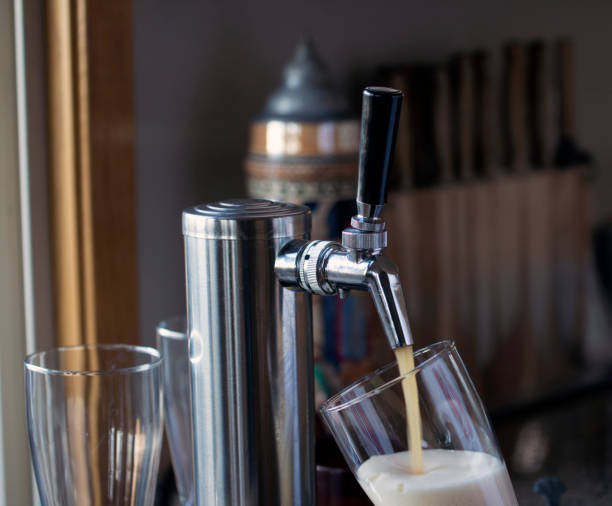
Direct Draw Beer System
It’s a simple, reliable setup ideal for smaller venues or home bars, keeping kegs close to the tap for fresh, consistent pours every time. In this guide, we’ll break down how direct draw systems work, their benefits, and whether one is right for your space—giving you everything you need to make an informed decision fast.
What is a Direct Draw Beer System?
How a Direct Draw System Works
A direct draw beer system delivers beer straight from a keg to the tap using minimal components and short lines. The keg is typically stored in the same refrigerated unit as the tap, eliminating the need for long beer lines or complex glycol cooling systems.
Cold beer travels a short distance, usually just a few feet, through insulated lines directly to the faucet. This setup relies on consistent refrigeration within the cabinet to maintain ideal serving temperatures. Because the lines are short and kept cold, there’s little risk of temperature fluctuation or foam issues.
Carbonation levels remain stable, ensuring smooth, properly poured pints every time. This system operates under low to moderate CO2 pressure, just enough to push the beer through the short run. It’s a simple, energy-efficient solution ideal for spaces where space and complexity must be minimized.
Bartenders and home users appreciate the reliability and ease of use.
Components of a Direct Draw Setup
A direct draw beer system consists of a few essential components that work together for efficient dispensing. The keg holds the beer and connects directly to a CO2 tank via a regulator that controls pressure.
From the keg, a short beer line—typically 3 to 6 feet long—runs to the faucet mounted on the bar or cabinet. These lines are insulated and kept cold within a refrigerated cabinet or keezer to maintain temperature consistency.
A tap handle and coupler are used to draw the beer, with the coupler designed to fit specific keg types like Sankey. The CO2 tank is small and often stored inside or beside the unit, minimizing setup complexity.
Unlike long-draw systems, there’s no need for glycol pumps or long runs, reducing maintenance. All components are compact and user-friendly, making installation and cleaning straightforward for both professionals and home users.
Common Uses in Bars and Homes
The direct draw beer system is widely used in small bars, brewpubs, and home setups due to its simplicity and space efficiency. In bars with limited backroom space or where only a few beers are served, direct draw offers a low-maintenance, cost-effective solution.
It’s ideal for taprooms showcasing house brews or specialty beers without the need for long beer lines. For home enthusiasts, direct draw systems fit neatly into keezers or converted refrigerators, allowing draft beer on demand with minimal effort.
These systems are perfect for entertainment areas, garages, or basements where a full commercial draft system would be impractical. Because they require less equipment and upkeep, they appeal to users who value reliability and ease.
Whether serving guests or enjoying a cold one after work, direct draw delivers consistent, high-quality draft beer with minimal hassle.
How to Set Up a Direct Draw Beer System
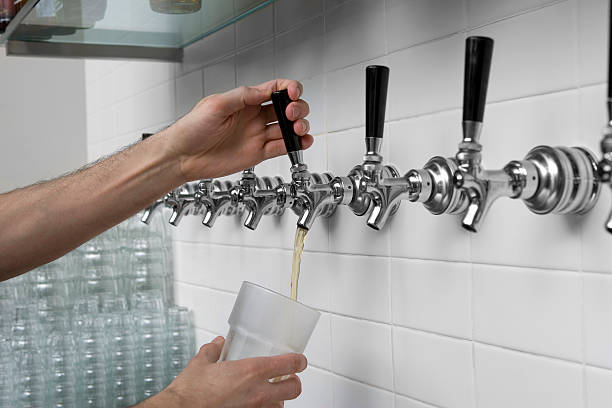
Step-by-Step Installation Guide
Setting up a direct draw beer system begins with selecting a suitable location near a power source and with enough cooling capacity, typically within a dedicated beer fridge or kegerator.
Mount the draft tower securely to the top of the unit, ensuring it aligns with pre-drilled holes for the shanks and lines. Next, attach the shanks to the tower and connect food-grade beer lines from the coupler to the shank, ensuring a tight fit to prevent leaks.
Route the lines carefully to avoid kinks. Install the keg coupler at the base of the fridge, making sure it matches your keg type. Finally, place the keg inside, connect the coupler, and attach the beer line. Always sanitize all components before use to maintain beer quality.
Test the system with a pour to check for proper flow and foam levels.
Choosing the Right Keg and Coupler
Selecting the correct keg type and coupler is crucial for a functional direct draw beer system. Most commercial beers use Sankey kegs, but the coupler type varies by region and brewery—common types include D-system (American) and S-system (European). Confirm the keg valve type with your supplier to ensure compatibility.
For home use, Cornelius (corny) kegs are popular due to their ease of cleaning and availability. These require a pin or ball lock coupler, with ball lock being more common in the U.S. Always inspect O-rings and seals for wear and replace as needed to prevent gas or beer leaks.
Using the wrong coupler can damage the keg and disrupt dispensing. When in doubt, consult a keg coupler guide or your beer distributor to match the coupler to the keg brand and origin for reliable performance.
Connecting CO2 and Regulating Pressure
A properly pressurized CO2 tank is essential for smooth beer dispensing in a direct draw system. Begin by attaching a CO2 regulator to a securely mounted tank using a gas-rated wrench to ensure a leak-free seal.
Connect the regulator to the keg’s gas inlet via a gas line and check all connections with soapy water to detect bubbles indicating leaks. Set the regulator output pressure between 10–12 PSI for most ales and lagers; adjust slightly based on beer type and serving temperature.
Maintain consistent temperature (38°F/3°C) to stabilize pressure and prevent over-foaming. Use a secondary pressure gauge if available for precision. Always close the tank valve when not in use and monitor tank levels to avoid running out mid-pour. Proper CO2 management ensures perfect pours every time.
Tips for Maintaining Your Direct Draw System
Maintaining Proper Beer Temperature
Keeping your direct draw beer system at the correct serving temperature is essential for preserving flavor, carbonation, and overall beer quality. Ideally, beer should be stored and dispensed between 36°F and 38°F (2°C to 3°C).
Temperatures that are too warm cause over-carbonation and foamy pours, while overly cold beer masks flavor profiles and can lead to excessive foam when poured. Use a reliable thermometer near the keg to monitor actual beer temperature, not just the thermostat reading.
Ensure the refrigeration unit is functioning efficiently and avoid placing the system near heat sources. Consistent cooling helps maintain beer integrity from keg to glass. For best results, allow newly installed kegs to chill fully—typically 12 to 24 hours—before dispensing.
Regularly inspect door seals and ventilation around the unit to prevent temperature fluctuations that compromise beer quality and customer satisfaction.
Cleaning Lines and Faucets Regularly
Routine cleaning of beer lines and faucets is critical for maintaining beer taste and hygiene in a direct draw system. Over time, yeast, bacteria, mold, and beer stone build up in lines, leading to off-flavors, slow pours, and potential health risks.
Clean lines every two weeks using a food-grade cleaning solution specifically designed for beer systems. Always follow manufacturer instructions and flush lines thoroughly with clean water afterward. Faucets should be disassembled and soaked daily or at minimum weekly to remove residue from the spout and internal parts.
Never skip this step—even if the system sees low usage, contaminants can still grow. Proper cleaning preserves the beer’s intended flavor and ensures each pour meets quality standards. Document cleaning schedules to maintain consistency and comply with health regulations.
Checking for Leaks and Pressure Loss
Frequent inspection for leaks and pressure loss helps maintain the performance and efficiency of your direct draw beer system. Even small leaks in gas lines, couplers, or keg connections can waste CO₂, increase operational costs, and cause inconsistent pours.
Check all connections, hoses, and regulators for signs of wear, moisture, or hissing sounds. Use a soapy water solution to detect bubbles indicating gas leaks. Monitor the regulator gauge to ensure consistent pressure—typically 10–14 PSI for most ales and lagers.
Sudden pressure drops may signal a larger issue like a failing tank or faulty regulator. Address problems immediately to prevent flat beer or over-foaming. Keeping spare O-rings and gaskets on hand allows for quick fixes. Proactive maintenance prevents downtime and ensures every pint is poured perfectly.
Best Kegs and Beers for Direct Draw Systems
Types of Kegs Compatible with Direct Draw
Direct draw beer systems work best with standard keg sizes that fit under the bar and connect easily to short beer lines. The most common and compatible keg types are 1/2 barrel (15.5 gallons), 1/4 barrel (7.75 gallons), and 1/6 barrel (5.16 gallons).
These sizes fit well in under-counter refrigerated units and maintain optimal temperature stability. Sanke kegs (D-system) are widely used in commercial settings and are ideal due to their single-port coupler, which simplifies connections. Pony kegs (1/6 barrel) are excellent for craft breweries or rotating taps.
Ensure your keg coupler matches the keg type, especially when sourcing from regional or international breweries. Regular cleaning and inspection of O-rings and spear tubes prevent leaks and CO2 loss. Using compatible kegs ensures consistent pour quality, reduces foaming, and minimizes maintenance.
Always verify keg dimensions against your system’s cabinet space to avoid fit issues.
Best Beer Styles for Short Lines
Direct draw systems, with their short beer lines (typically 2–5 feet), are ideal for serving lower-carbonation beers that pour smoothly without excessive foam. Stouts, porters, brown ales, and English bitters perform exceptionally well due to their naturally creamy texture and moderate carbonation.
These styles balance well with the minimal line resistance, delivering a perfectly poured pint every time. Avoid high-carbonation styles like pilsners or Belgian ales unless you adjust CO2 pressure carefully.
Nitro beers are also excellent choices, as they rely on nitrogen blends (70% N2, 30% CO2) and short lines to achieve their signature cascading pour. Rotating taps with seasonal or local craft offerings in compatible styles keeps customers engaged.
Maintaining consistent keg temperature (36–38°F) ensures optimal flavor and pour performance for these beer types.
How Keg Size Affects Performance
Keg size directly impacts temperature stability, pour consistency, and system efficiency in direct draw setups. Larger kegs, like half barrels, retain cold temperatures longer due to greater liquid volume, reducing compressor strain on refrigerated units. However, they take up more space and may not fit in compact under-bar systems.
Smaller kegs, such as sixth barrels, offer space efficiency and faster cooling, ideal for rotating craft taps, but warm up quicker during heavy service. Frequent keg changes with smaller sizes increase labor and potential for contamination if lines aren’t cleaned properly.
Larger kegs also reduce CO2 usage fluctuations since they maintain steady head pressure. Choose keg size based on draft volume needs, cabinet dimensions, and turnover rate. For high-volume bars, larger kegs improve efficiency; for taprooms with variety, smaller kegs provide flexibility.
Balancing size with system design ensures optimal beer quality and operational flow.
Troubleshooting Common Direct Draw Issues
Fixing Flat or Overly Foamy Beer
Flat or overly foamy beer in a direct draw beer system is often caused by incorrect serving temperature or improper line balance. Ensure the keg is stored at 38°F (3°C), as warmer temperatures cause excess foam, while colder temps can make beer taste flat.
Check the length and diameter of the beer lines—too short or too narrow lines increase resistance, leading to foam. A balanced system typically uses 3/16-inch inner diameter tubing with a length of 5 to 8 feet.
Adjust the regulator pressure to match the beer’s CO₂ volume requirements—usually 10–14 PSI for most ales and lagers. Pour slowly into a tilted glass and gradually straighten it to minimize foam. If the issue persists, inspect the faucet and coupler for damage or wear, as compromised parts can disrupt flow.
Regular system checks and proper setup are essential for consistent pour quality.
Resolving Low Pressure Problems
Low pressure in a direct draw beer system results in slow pours or incomplete dispensing, often due to CO₂ supply or regulator issues. Verify the CO₂ tank has adequate pressure—a gauge reading below 500 PSI may indicate it’s nearly empty and needs refilling.
Check the regulator connection and set point; ensure it’s properly adjusted to 10–14 PSI for most beers. Inspect all gas line fittings for leaks using a soapy water solution—bubbling indicates a leak requiring tightening or replacement. A frozen or malfunctioning regulator can also restrict gas flow, especially in cold environments.
Replace worn O-rings or damaged hoses to maintain seal integrity. Confirm the beer line isn’t kinked or blocked, as obstructions can mimic low pressure. Regular monitoring and maintenance of the CO₂ system ensure consistent dispensing performance and beer quality.
Dealing with Clogged Beer Lines
Clogged beer lines in a direct draw beer system restrict flow and spoil beer taste, typically due to yeast buildup, bacteria, or dried beer residue. Clean lines every two weeks using a commercial beer line cleaning solution and proper cleaning kit.
Disconnect the beer line from the keg and coupler, then circulate the cleaning solution for 15–20 minutes, followed by a thorough rinse with cold water. Use a beer line cleaning brush for stubborn deposits. Avoid using household cleaners, as they can leave harmful residues.
Inspect lines for cracks or wear and replace them every 6–12 months. Ensure all connections are tightly sealed to prevent contamination. Proper cleaning protocols prevent clogs and maintain beer freshness. Training staff on routine maintenance ensures long-term system reliability and optimal beer presentation.
Direct Draw vs Other Draft Beer Systems
Comparing Direct Draw to Long Draw Systems
A direct draw beer system is ideal for small bars or restaurants with limited tap lines and a short distance between the keg and faucet. In this setup, the keg is stored directly beneath the draft tower, minimizing beer line length—typically under 10 feet—ensuring faster pours and consistent temperature control.
Because the refrigerated unit houses both the keg and the lines, there’s little risk of warm spots or foam issues. In contrast, long draw systems are designed for larger venues where kegs may be stored in a remote cooler up to 100 feet away.
These require complex balancing of line length, diameter, and temperature to maintain proper flow and carbonation. While long draw systems offer flexibility in keg placement, they demand higher maintenance and precise engineering.
For most small-scale operations, a direct draw system is simpler, more affordable, and easier to maintain, making it the preferred choice when space and tap count are limited.
Differences from Beer Tower Setups
While a direct draw system often includes a beer tower, it differs significantly from standalone beer tower setups used in larger draft systems. In a true direct draw, the keg is housed directly below the tower inside the same refrigerated unit, ensuring short, chilled lines.
This minimizes the risk of foam buildup and maintains ideal serving temperature. Standalone beer towers, however, are typically part of remote or long-draw systems where beer travels from a distant cooler through insulated or glycol-cooled lines.
These setups allow for more taps and greater flexibility in bar design but introduce complexity in pressure and temperature regulation. Direct draw towers are best for low-maintenance, high-efficiency service with 1–4 taps. They require less installation effort and cost significantly less than remote tower systems.
For operators prioritizing reliability and ease of use, especially in small bars or brewpubs, direct draw with an integrated tower is the smarter, more efficient solution.
When to Choose Each System Type
Choosing between a direct draw beer system and other draft setups depends on your space, volume, and operational needs.
Direct draw systems are best suited for small bars, restaurants, or taprooms with limited draft offerings—typically 1 to 4 beers on tap—and where the serving area allows for keg storage directly beneath the faucet. They offer low installation cost, minimal maintenance, and excellent beer quality due to short, cold lines.
In contrast, long draw or remote systems are better for large bars, stadiums, or multi-tap craft venues where kegs must be stored far from the dispensing point. These require glycol cooling or air-assisted lines to maintain temperature and flow. If you value simplicity, speed, and consistency, go with direct draw.
For scalability and high tap counts, invest in a long-draw system. Always match your system to your layout and service goals for optimal performance.
Cost and Space Considerations for Direct Draw
Average Setup and Equipment Costs
Setting up a direct draw beer system involves several upfront costs, but it remains one of the most cost-effective options for small bars, pubs, or home setups.
Basic equipment includes a keg, CO2 tank, regulator, beer line, faucet, and a refrigerated unit—typically costing between $800 and $1,500 for a single-tap system. Commercial-grade components may push the price higher, but they offer longer durability and better performance.
DIY installations can reduce labor costs, though professional help ensures proper gas pressure and line balancing to avoid over- or under-carbonation. Additional expenses may include periodic replacement of seals, hoses, and cleaning kits.
However, compared to complex systems like long-draw or glycol-cooled setups, direct draw systems minimize plumbing and mechanical complexity, reducing maintenance costs. Investing in high-quality, food-grade components from the start prevents contamination and costly repairs.
Overall, the low initial investment and minimal upkeep make direct draw systems an economical choice for serving fresh, draft-quality beer.
Space Requirements for Keg and Fridge
A direct draw beer system demands compact, strategic space planning since the keg must be stored directly beneath or within the same refrigerated unit as the dispensing faucet. Most setups use a single or double-wide kegerator or converted refrigerator, requiring roughly 3 to 4 cubic feet per full-size keg.
This vertical integration eliminates the need for long beer lines or remote cooling systems, making it ideal for small bars, home kitchens, or tight service areas. The draft tower must fit within the fridge’s upper compartment, so ceiling height and internal shelving must accommodate a standard 16-inch tower.
Proper clearance around the keg ensures adequate airflow for consistent cooling. Custom cabinetry or under-counter models can optimize space in residential or boutique commercial environments. Because components are centralized, no external compressor units or glycol lines are needed, further saving space.
With smart design, a direct draw system delivers maximum functionality in a minimal footprint, perfect for locations where space is at a premium.
Energy Efficiency and Operating Expenses
Direct draw beer systems are among the most energy-efficient draft options due to their simple, self-contained design. Since the keg and faucet reside within a single refrigerated unit, the compressor runs efficiently to maintain a consistent, cool temperature without the energy loss associated with long beer lines or remote cooling.
On average, a standard kegerator consumes 200 to 350 kWh annually, comparable to a household refrigerator. This makes it a low-cost, sustainable option for continuous operation. Operating expenses are further reduced by minimal gas usage—one CO2 tank can serve multiple kegs before needing replacement.
Routine cleaning with affordable, food-safe solutions prevents buildup and maintains efficiency. Unlike glycol systems that require pumps and chillers, direct draw setups have fewer moving parts, lowering repair frequency and energy draw. By choosing an Energy Star-rated refrigeration unit and insulating beer lines properly, operators can further cut costs.
Overall, the low energy demand and minimal consumables make direct draw systems highly economical to run over time.
Frequently Asked Questions
What is a direct draw beer system?
A direct draw beer system is a simple draft beer setup where the keg is stored directly beneath the dispensing tap, typically in a bar or pub. The beer travels a short distance through a refrigerated line, maintaining ideal serving temperature and pressure without the need for long beer lines or complex glycol systems.
How does a direct draw system differ from a long draw system?
A direct draw system has the keg located close to the tap, usually under the bar, resulting in short beer lines and simpler maintenance. In contrast, long draw systems transport beer over longer distances, often requiring glycol coolant to maintain temperature and more complex balancing of pressure and line resistance.
What are the benefits of a direct draw beer system?
Direct draw systems are cost-effective, easier to install and maintain, and provide consistent beer quality due to short, temperature-controlled lines. They are ideal for small bars, taprooms, or home setups with limited draft offerings.
Can I use a direct draw system for multiple beer types?
Yes, but each beer typically requires its own dedicated tap and refrigerated line setup due to differences in serving pressure and temperature. Multiple direct draw kegs can be housed in a single refrigerated unit with individual draft towers for each beer.
How do I maintain a direct draw beer system?
Regular cleaning of beer lines every 2–4 weeks is essential to prevent buildup and off-flavors. Also, check CO2 pressure settings, ensure consistent refrigeration, and inspect seals and faucets for leaks or wear.
What equipment is needed for a direct draw system?
You need a refrigerated keg enclosure, CO2 tank and regulator, beer lines, a draft tower with faucet(s), and kegs. The system is straightforward, making it ideal for beginners and small-scale operations.
Conclusion
A direct draw beer system offers exceptional beer quality, consistent temperature, and minimal maintenance, making it ideal for small bars and restaurants. With shorter beer lines and a compact design, it ensures fresher pours and easier cleaning. While limited in capacity, its reliability and efficiency stand out. For establishments prioritizing flavor and simplicity, this system is a smart investment.
