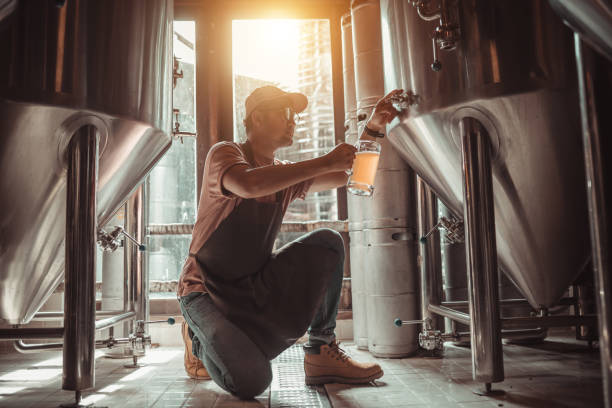
Craft Beer Making Supplies
Ready to brew your own craft beer at home? You’re in the right place. From fermenters and kettles to hydrometers and sanitizers, we’ll walk you through every essential tool you need. No guesswork, just clear, practical advice to help you start brewing delicious, custom beer in no time. Let’s get your setup sorted and your first batch fermenting smoothly.
What Is Craft Beer Making and Why Start at Home?
How Home Brewing Became Popular
Home brewing has surged in popularity due to a growing interest in craft beer culture and the desire for personalized, high-quality beverages. After the legalization of home brewing in the U.S. in 1978, hobbyists began experimenting with flavors and techniques, inspired by the explosion of microbreweries.
Today, accessible craft beer making supplies—like starter kits, online tutorials, and local homebrew shops—make it easier than ever to begin. Enthusiasts appreciate the creative control over ingredients, from hop varieties to yeast strains, allowing them to tailor each batch.
Social communities, both online and in-person, support beginners and experts alike, fostering knowledge sharing. The rise of fermentation science and affordable testing tools has also boosted confidence in producing consistent, great-tasting beer.
This blend of accessibility, creativity, and community has turned home brewing into a mainstream hobby, empowering people to explore the art and science behind their favorite drink with just a few essential supplies.
Benefits of Making Beer at Home
Brewing beer at home offers significant cost savings, creative freedom, and deep satisfaction from crafting something unique. With a modest investment in essential craft beer making supplies—such as fermenters, kettles, and hydrometers—you can produce high-quality beer for a fraction of the retail price.
You control every ingredient, enabling health-conscious choices like avoiding additives or adjusting alcohol content. Experimenting with flavors—whether dry-hopped IPAs or chocolate stouts—turns brewing into a rewarding culinary art. The process also builds valuable skills in sanitation, temperature control, and recipe development.
Plus, sharing your brew with friends strengthens connections and invites feedback. Home brewing is not just a hobby; it’s a hands-on education in fermentation science and a sustainable way to enjoy fresh, custom beer.
Over time, many brewers refine their techniques and even transition to professional brewing, proving the long-term value of starting at home.
Common Myths About Home Brewing
Many people hesitate to start home brewing due to persistent myths about complexity, legality, and safety. One common misconception is that brewing requires expensive, professional-grade equipment, but in reality, affordable craft beer making supplies like beginner kits under $150 provide everything needed to start.
Another myth is that homebrewed beer is unsafe—when, with proper sanitation and instructions, it’s just as safe as commercial beer. Some believe brewing is illegal, but federal law in the U.S. permits adults to brew for personal consumption (up to 100 gallons per person annually).
Others assume the process is overly technical, yet thousands learn successfully using simple extract kits before advancing. Contrary to belief, you don’t need a large space—a clean kitchen suffices.
Dispelling these myths reveals that home brewing is accessible, legal, and safe for anyone willing to follow basic guidelines and invest in a few key supplies.
Essential Equipment for Brewing Craft Beer
Brew Kettles and Fermenters
A high-quality brew kettle is essential for boiling your wort efficiently and safely. Look for kettles made from stainless steel with a minimum capacity of 5 gallons to accommodate full batches. Many brewers prefer kettles with built-in thermometers and false bottoms for easier filtration.
Paired with the kettle, a reliable fermenter—typically a food-grade plastic bucket or glass carboy—provides a controlled environment for yeast to convert sugars into alcohol. For better temperature control and reduced contamination risk, consider conical fermenters with sampling valves.
Ensure your fermenter has an airtight lid to work with airlocks and maintain a sterile environment during fermentation. Choosing durable, scalable equipment early helps support consistent, high-quality craft beer production.
Airlocks and Thermometers
Airlocks and thermometers are critical for monitoring and maintaining optimal fermentation conditions. An airlock fits into the fermenter’s lid and allows carbon dioxide to escape while preventing contaminants like bacteria and wild yeast from entering. The most common type is the three-piece airlock, which is easy to clean and assemble.
Pair this with an accurate fermentation thermometer, preferably a stick-on digital strip or floating glass thermometer, to track temperature in real time. Maintaining the ideal temperature range for your yeast strain ensures clean, flavorful beer and avoids off-flavors. Some advanced brewers use thermowell probes with temperature controllers for precise regulation.
Always sanitize these tools before use to protect your batch from infection.
Bottling and Kegging Tools
Once fermentation is complete, you’ll need proper tools for packaging your beer. For bottling, gather a bottle filler, bottle capper, and 50+ clean glass bottles. A bottling bucket with a spigot makes transferring beer easier and minimizes oxidation.
If you’re kegging, invest in a corny keg, CO2 tank, regulator, and beer lines for dispensing. Kegging offers faster carbonation, easier storage, and a more professional pour. Both methods require priming sugar to carbonate the beer, but kegging allows force carbonation for greater control.
Whichever method you choose, ensure all components are thoroughly sanitized to preserve flavor and shelf life. Over time, kegging can save effort and improve consistency.
Cleaning and Sanitizing Supplies
The success of your craft beer hinges on meticulous cleaning and sanitization. Start with a non-abrasive cleaner like PBW (Powdered Brewery Wash) to remove organic residues from kettles, fermenters, and tubing.
Rinse thoroughly, then apply a no-rinse sanitizer such as Star San or iodophor to all surfaces that contact your beer. These solutions kill microbes without altering flavor. Use dedicated brewing brushes and sponges to clean hard-to-reach areas like valves and airlocks.
Never skip sanitizing—even a small contamination can spoil an entire batch. Store sanitizing solutions properly and replace them as directed. Making cleaning a consistent habit after every brew session ensures repeatable results and protects your equipment’s longevity. Clean equipment is the foundation of great-tasting craft beer.
Key Ingredients in Craft Beer Production

Types of Malt and How to Choose
Choosing the right malt is essential for building the foundation of your craft beer’s flavor, color, and body. Base malts like pale ale malt or Pilsner malt provide the fermentable sugars needed for alcohol production, while specialty malts such as crystal, chocolate, or roasted barley add complexity, sweetness, and color.
When selecting malts, consider your beer style—a stout benefits from dark, roasted malts, while a lager shines with clean, light Pilsner malt. Always source fresh, high-quality malt from reputable suppliers to ensure consistent results.
Crush your grains just before brewing to preserve freshness, and use a grain bill calculator to balance proportions. Understanding malt characteristics empowers you to tailor recipes with precision and creativity.
Selecting the Right Hops for Flavor
Hops contribute bitterness, aroma, and flavor to craft beer, and choosing the right variety is key to achieving your desired profile.
Bittering hops, like Magnum or Warrior, are added early in the boil to extract alpha acids, while aroma hops such as Cascade, Citra, or Mosaic are added late or during dry-hopping for citrus, tropical, or floral notes.
Consider alpha acid content and oil composition when selecting hops, as these influence potency and aroma. For balanced beers, combine multiple hop varieties at different stages. Store hops vacuum-sealed and frozen to preserve freshness. Experiment with hop schedules—including first wort, whirlpool, and dry hopping—to fine-tune flavor.
Using fresh, properly stored hops ensures vibrant, clean hop character in every batch.
Yeast Strains and Fermentation
Yeast is the engine of fermentation, converting sugars into alcohol and carbon dioxide while producing vital flavor compounds. Choose a yeast strain that matches your beer style—American ale yeast for clean profiles, Belgian strains for fruity esters, or lager yeast for crisp, smooth finishes.
Pay close attention to fermentation temperature, as off-flavors can develop if it’s too high or low. Always pitch the correct cell count—under-pitching can cause stress and off-flavors, while over-pitching may reduce yeast character. Use a starter for liquid yeast to ensure healthy, active fermentation.
Proper aeration of wort before pitching and maintaining stable temperatures are critical for success. Healthy yeast management leads to consistent, high-quality craft beer.
Water Quality and Adjustments
Water makes up over 90% of beer, so water quality significantly impacts flavor and clarity. Start with clean, filtered water free of chlorine and contaminants, which can create off-flavors.
Different beer styles thrive with specific mineral profiles—pale ales benefit from moderate sulfate to enhance hop bitterness, while mashes for dark beers do well with carbonate to balance acidity.
Test your water’s pH and mineral content using a water report or test kit, then adjust with brewing salts like gypsum, calcium chloride, or baking soda. Target a mash pH of 5.2–5.6 for optimal enzyme activity.
Proper water chemistry unlocks the full potential of your ingredients and ensures balanced, authentic-tasting craft beer.
Best Craft Beer Kits for Beginners
Top All-in-One Starter Kits
For beginners, all-in-one craft beer making supplies simplify the brewing process and reduce guesswork. Kits like the Mr. Beer Premium Hops Brew Lab or Northern Brewer’s Starter Kit include fermenters, bottles, caps, sanitizers, and pre-hopped malt extracts—everything needed to brew your first batch.
These kits often feature step-by-step instructions and require minimal equipment, making them ideal for first-time brewers. Sanitation tools are included or recommended, which is critical for avoiding contamination. Most beginner kits produce 1–2 gallons, perfect for experimenting without large commitments.
Look for kits with high customer ratings and clear support resources. With minimal setup and reliable results, these kits provide a smooth entry into home brewing while delivering satisfying, drinkable beer in just a few weeks.
How to Pick the Right Kit for Your Skill Level
Choosing the right craft beer making supplies starts with assessing your experience. Beginners should look for kit simplicity, clear instructions, and included ingredients to minimize confusion. Kits labeled ‘no-boil’ or ‘extract-based’ reduce complexity and equipment needs. Avoid all-grain kits initially, as they require more tools and technique.
Consider space and time availability—some kits ferment in as little as two weeks, while others take longer. Read reviews to ensure customer support and troubleshooting help are available. Kits with built-in hydrometers or thermometers add value for learning. Matching your kit to your lifestyle ensures success and encourages continued brewing.
The right choice builds confidence and foundational skills without overwhelming new brewers.
Upgrading from Beginner to Intermediate Kits
Once comfortable with basic brewing, it’s time to explore intermediate craft beer making supplies that offer more control and variety. Upgrade to extract kits with specialty grains or partial mash systems to deepen flavor complexity.
These kits often require a larger fermenter, better temperature control, and a wort chiller for improved results. Consider investing in a quality brewing kettle and auto-siphon to streamline the process. Intermediate kits allow customizable recipes and ingredient additions, like dry hopping or yeast selection.
Look for kits from trusted brands like Brooklyn Brew Shop or MoreBeer that support experimentation. This stage fosters deeper understanding of fermentation and flavor profiles, preparing you for all-grain brewing. Upgrading thoughtfully ensures continued growth and better-tasting beer.
Popular Beer Styles in Starter Kits
Beginner craft beer kits often feature approachable, forgiving beer styles that are easy to brew and enjoy. Pale Ales, IPAs, Stouts, and Wheat Beers dominate starter kits because they use stable yeast strains and malt extracts that perform well for new brewers.
These styles also tolerate minor temperature fluctuations during fermentation. Hops-forward kits like IPAs teach balance, while stouts introduce roasted flavors safely through pre-treated extracts. Wheat beers ferment quickly and are refreshing and low in bitterness, ideal for early success.
Many kits now include seasonal or craft-inspired variations, like honey ale or coffee stout, to spark interest. Brewing these popular styles helps beginners learn flavor development and carbonation basics while enjoying results that rival commercial beers.
Where to Buy Craft Beer Making Supplies
Local Homebrew Shops vs Online Retailers
When sourcing craft beer making supplies, choosing between local homebrew shops and online retailers depends on your priorities. Local shops offer immediate access to equipment and ingredients, personalized advice from experienced brewers, and the ability to inspect products before purchase. They often host workshops and support community brewing events.
On the other hand, online retailers provide a wider selection, competitive pricing, and customer reviews to guide decisions. While you’ll wait for delivery, many online stores specialize in hard-to-find items like unique yeast strains or rare hops.
For beginners, starting at a local shop can be invaluable for learning, while experienced brewers may prefer the convenience and variety of online shopping. Consider using both for a balanced approach.
What to Look for in a Reliable Supplier
A reliable supplier of craft beer making supplies should offer fresh ingredients, transparent sourcing, and excellent customer support. Check for batch testing of yeast and hops to ensure viability and potency. Look for suppliers with detailed product descriptions, brewing specifications, and clear expiration dates.
Customer reviews and ratings can reveal consistency and service quality. A trustworthy supplier also provides educational resources, such as brewing guides or recipe suggestions. Ensure they stock essential equipment like fermenters, hydrometers, and sanitizers, plus specialty items for advanced techniques. Responsiveness to questions and return policies are also key.
Whether local or online, prioritize suppliers who treat brewing as a craft, not just a commodity, to ensure your beer’s quality and consistency.
Cost Comparison of Major Retailers
Comparing costs across major retailers helps maximize value when buying craft beer making supplies. Local shops may have higher prices due to overhead but often run loyalty programs or bundle deals. Online giants like MoreBeer, Northern Brewer, and Homebrew Supply offer frequent sales, bulk discounts, and free shipping thresholds.
Smaller online vendors might charge more but provide niche ingredients or organic options. Always factor in per-unit pricing for grains, hops, and yeast—larger quantities often reduce cost per batch. Subscription boxes or ingredient kits can simplify shopping but may include unnecessary items.
Use price comparison tools or spreadsheets to track deals. Ultimately, balance cost with quality and convenience, as cheaper supplies may compromise your beer’s flavor and clarity.
Shipping and Delivery Tips
When ordering craft beer making supplies online, smart shipping and delivery practices protect your investment. Choose suppliers who use cold packs or insulated packaging for yeast and liquid cultures, especially in hot weather. Check estimated delivery times to avoid spoilage—live yeast and fresh hops degrade quickly.
Opt for faster shipping during temperature extremes. Review the retailer’s shipping policies for damaged or lost items. Consider splitting orders: buy heavy equipment once and subscribe to ingredient refill plans to reduce shipping costs. Avoid weekend deliveries when possible to prevent packages from sitting in transit.
Finally, inspect deliveries immediately upon arrival and contact customer service promptly for issues. Proper shipping ensures your supplies arrive fresh and ready for brewing success.
How to Maintain and Store Your Brewing Equipment
Proper Cleaning After Each Brew
Thorough cleaning after every brewing session is essential for preventing contamination and ensuring consistent beer quality. Start by rinsing all equipment—fermenters, hoses, airlocks, and burners—immediately after use to remove residue.
Use a non-abrasive, brewery-approved cleaner like PBW (Powdered Brewery Wash) to scrub surfaces, followed by a sanitizing solution such as Star San. Never use household dish soap, as it can leave residues that affect head retention and flavor. Pay close attention to hard-to-reach areas like valve crevices and thermowell gaps.
Rinse sanitized items with boiled or sterile water if needed, then allow them to air-dry upside down on a clean rack. Consistent post-brew hygiene protects your beer and extends the life of your craft beer making supplies.
Best Storage Practices for Longevity
To maximize the lifespan of your craft beer making supplies, store all equipment clean, dry, and in a temperature-controlled environment. Plastic fermenters and buckets should be kept out of direct sunlight to prevent UV degradation and warping.
Seal lids loosely to avoid vacuum lock and allow airflow that prevents musty odors. Store stainless steel kettles and burners in a dry area, wiping them down to prevent mineral buildup or rust. Keep hoses and gaskets disconnected and unstressed to avoid cracking or deformation.
Use protective covers for sensitive tools like thermometers and hydrometers. Label and seal small parts in labeled containers to prevent loss. Proper storage not only maintains functionality but also ensures your brewing gear is ready, safe, and contamination-free for the next batch.
Replacing Worn or Damaged Parts
Regular inspection of your craft beer making supplies helps identify parts that need replacement before they compromise your brew. Cracked or cloudy plastic fermenters, warped lids, or brittle O-rings can harbor bacteria and should be replaced immediately.
Inspect silicone tubing for cloudiness, stiffness, or tears—these are signs of microbial growth and reduced flexibility. Stainless steel components with deep scratches or pitting may trap contaminants and are difficult to sanitize fully. Keep spare parts like gaskets, dip tubes, and airlock stoppers on hand for quick swaps.
Don’t overlook small components—a faulty thermometer or inaccurate pH strip can lead to inconsistent results. Proactively replacing worn items ensures reliable performance, safety, and beer quality with every batch you brew.
Organizing Your Brewing Space
An organized brewing space improves efficiency, safety, and consistency in your craft beer making process. Designate specific zones for cleaning, brewing, fermentation, and storage to streamline workflow and reduce cross-contamination risks. Use shelving, pegboards, or cabinets to store sanitized tools within easy reach.
Label containers for grains, hops, and cleaning agents to avoid mix-ups. Keep frequently used items—like hydrometers, spoons, and clamps—on a dedicated brewing caddy. Invest in stackable, airtight bins for dry ingredients and small hardware. Ensure hoses and cords are coiled and hung to prevent kinks and damage.
A well-organized space not only saves time but also makes it easier to maintain cleanliness and quickly identify missing or faulty equipment, enhancing your overall brewing experience.
Tips for Choosing High-Quality Supplies
How to Spot Low-Grade Materials
When selecting craft beer making supplies, it’s crucial to identify low-grade materials that can compromise both your brew and safety. Look for plastic fermenters made from opaque or flimsy plastic, which may crack or leach chemicals. Stainless steel should be at least 304-grade; lower grades corrode easily.
Avoid kettles with thin walls—they heat unevenly and are prone to warping. Check for poor welds or rough seams in brewing vessels, as these harbor bacteria. Rubber gaskets should be food-grade and flexible, not brittle. Glass carboys must be thick-walled to prevent breakage.
Always inspect for unfinished edges or weak connections in tubing and fittings. Being vigilant ensures your equipment supports consistent, high-quality brewing and avoids contamination or failure during use.
Importance of Food-Safe Components
Using food-safe components is non-negotiable in craft beer making supplies to protect both your health and your beer’s flavor. All contact surfaces—fermenters, tubing, valves, and spoons—must be made from materials certified for food use, like food-grade silicone, 304 stainless steel, or BPA-free plastic.
Non-food-safe materials can leach harmful chemicals or absorb off-flavors, ruining your batch. Look for NSF or FDA certification labels when available. Even small parts like O-rings and gaskets must meet these standards. Avoid repurposed containers from non-food industries, as residues can persist.
Ensuring every piece is food-safe not only prevents contamination but also supports clean fermentation and accurate flavor development, making it a cornerstone of professional-quality home brewing.
Reading Reviews and Ratings
Before purchasing craft beer making supplies, reading reviews and ratings is a powerful way to gauge real-world performance. Focus on detailed user feedback that discusses durability, ease of cleaning, and brewing results.
Look for consistent praise or complaints across multiple reviews—recurrent issues with leaking, warping, or poor temperature control are red flags. Prioritize reviews from experienced homebrewers who provide photos or long-term usage insights. Check ratings on trusted brewing forums like Homebrew Talk or Reddit’s r/Homebrewing, not just retail sites.
Verified purchase tags add credibility. Use this feedback to compare brands and avoid trendy but underperforming gear. Smart research helps you invest wisely in reliable, effective equipment that enhances your brewing success from the start.
Investing in Durable vs Disposable Gear
Choosing durable over disposable gear pays off in the long run when building your craft beer making supplies arsenal. While cheap plastic fermenters or one-time-use kits may seem economical, they often fail after a few batches, risking contamination or breakage.
Instead, invest in stainless steel kettles, glass or high-grade plastic fermenters, and reusable silicone tubing. These materials withstand repeated use, high temperatures, and rigorous cleaning. Durable gear also maintains better temperature control and sanitation, critical for consistent results.
Though the upfront cost is higher, you save money and frustration over time. Plus, quality equipment often comes with better warranties and support. Think long-term: durable tools elevate your brewing from hobby to craft, ensuring every batch reaches its full potential.
Frequently Asked Questions
What are the essential craft beer making supplies for beginners?
Essential supplies include a fermenter, airlock, siphon, bottles, bottle caps, a capper, a large pot for boiling, a thermometer, a hydrometer, and cleaning and sanitizing agents. These tools form the foundation for a successful homebrewing setup.
Where can I buy craft beer making supplies?
You can purchase supplies from local homebrew shops, online retailers like MoreBeer, Northern Brewer, or Amazon, and sometimes at brewing supply sections in larger home improvement or department stores.
Do I need a starter kit to begin brewing craft beer?
While not required, a starter kit is highly recommended for beginners as it bundles essential equipment and ingredients, simplifying the initial setup and reducing the chance of missing key components.
What type of fermenter is best for craft beer making?
Food-grade plastic buckets and glass or stainless steel carboys are common choices. Glass carboys are excellent for clarity and durability, while plastic is lighter and less breakable, and stainless steel offers superior temperature control and longevity.
How important is sanitation in homebrewing?
Sanitation is critical—contamination from bacteria or wild yeast can ruin a batch of beer. Always clean and sanitize all equipment that comes into contact with the beer post-boil.
Can I reuse bottles for craft beer making?
Yes, you can reuse bottles as long as they are thoroughly cleaned, free of cracks, and have no remaining labels or residue. Use new caps each time to ensure a proper seal.
What ingredients are considered part of craft beer making supplies?
Key ingredients include malted barley (or malt extract), hops, yeast, and water. Specialty grains, adjuncts, and flavorings may also be used depending on the beer style.
Conclusion
Crafting beer at home is a rewarding journey that starts with the right supplies. From fermenters to hydrometers, quality equipment ensures better results and greater enjoyment. Understanding each tool’s purpose empowers brewers to experiment confidently and refine their techniques. With dedication and the proper gear, anyone can create unique, flavorful beers. Don’t hesitate to start small and grow your setup over time. Embrace the process, share your creations, and join the vibrant community of homebrewers today.
