Co2 For Beer Keg
If you’re wondering about using CO2 for a beer keg, you’re in the right place. Whether you’re setting up a kegerator at home or troubleshooting flat pours, understanding the right CO2 pressure and tank size makes all the difference. In this guide, we’ll break down exactly how CO2 works with beer kegs, ideal PSI settings, and tips to keep your beer flowing perfectly every time.
How CO2 Works in Beer Kegs
What Is the Role of CO2 in Draft Beer
Carbon dioxide (CO2) plays a critical role in maintaining beer quality when dispensing from a keg. It keeps the beer properly carbonated by applying consistent pressure to the liquid, preventing flatness.
When a keg is sealed, CO2 is introduced into the headspace, creating pressure that forces beer through the lines and out the tap while preserving its intended taste and texture. Without adequate CO2, oxygen can infiltrate the system, leading to oxidation and spoilage, which degrades flavor and shortens shelf life.
Additionally, CO2 helps maintain hygiene in the draft system by limiting microbial growth. For most ales and lagers, CO2 is the standard gas used because it naturally complements beer’s carbonation levels.
Using the correct CO2 pressure ensures each pour has the right balance of fizz and flavor, making it essential for both commercial and home draft systems.
How Pressure Affects Beer Carbonation
The pressure of CO2 applied to a keg directly influences beer carbonation levels, impacting taste, texture, and pour quality. If pressure is too low, beer becomes under-carbonated and flat, losing its crispness and effervescence. Conversely, excessive pressure leads to over-carbonation, causing foamy pours and difficulty in serving.
The ideal CO2 pressure depends on the beer type and serving temperature—typically 10–14 psi for most ales and lagers at 38°F (3°C). Warmer temperatures require higher pressure to maintain carbonation, while colder temps need less. A regulator on the CO2 tank allows precise control, ensuring consistent delivery.
Using a carbonation chart helps match temperature and pressure accurately. Proper pressure also prevents beer line turbulence, ensuring smooth, clean pours every time. Maintaining stable CO2 pressure is key to preserving beer integrity from keg to glass.
CO2 vs. Other Gas Options for Kegs
While CO2 is standard for most beer kegs, alternative gas blends like nitrogen (N2) or CO2-N2 mixes are used for specific beer styles. Nitrogen is ideal for stouts and porters, producing a smooth, creamy mouthfeel and a tight, cascading pour—think Guinness.
However, nitrogen is less soluble than CO2, so it requires higher pressure and specialized equipment like stout faucets. For beers that need less carbonation, a 75% nitrogen and 25% CO2 blend (called “beer gas”) is common.
Pure CO2 remains best for most lagers, ales, and high-carbonation beers, offering reliable carbonation and easier system management. Consider beer style, dispensing method, and system setup when choosing gas.
Using the wrong gas can ruin texture and taste, so always match the gas type to the beer’s requirements for optimal results.
Types of CO2 Tanks for Keg Systems
Small Portable Tanks for Home Use
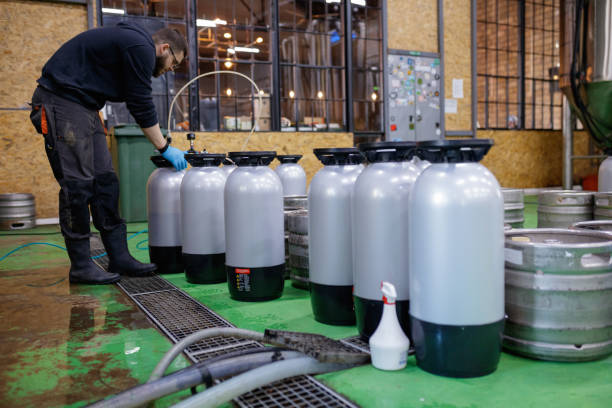
For homebrewers and small-scale beer dispensing, small portable CO2 tanks are ideal. These compact tanks, typically ranging from 2.5 to 5 pounds, fit easily in mini-fridges or kegerators and are perfect for keg parties, tailgating, or home bars.
They provide enough pressure to dispense 5–10 standard kegs before needing a refill. Ease of transport and setup makes them a favorite for casual users. However, frequent refills may be required with regular use. Ensure your regulator is compatible with the tank’s valve type (usually CGA 320).
Always store upright and in a well-ventilated area. These tanks are cost-effective and low-maintenance, making them a smart choice for occasional use where space and mobility matter most.
Large CO2 Tanks for Commercial Draft Systems
Commercial bars, breweries, and restaurants rely on large CO2 tanks, usually 20 to 50 pounds, to power high-volume draft systems. These tanks provide consistent pressure for multiple kegs over extended periods, reducing refill frequency and downtime. They’re designed to connect to manifold systems, allowing simultaneous dispensing of various beers.
Larger tanks are more cost-efficient per ounce of CO2 and are often refillable on-site by gas suppliers. Proper mounting and safety chains are essential due to their size and pressure. Always install in well-ventilated areas with secure regulators.
For venues serving dozens of kegs weekly, large tanks ensure uninterrupted service and operational efficiency, making them a vital investment for professional draft setups.
Aluminum vs. Steel Tank Materials
Choosing between aluminum and steel CO2 tanks impacts durability, weight, and cost. Aluminum tanks are lighter, rust-resistant, and ideal for mobile or humid environments, but they’re less durable under heavy impact and typically hold smaller volumes.
Steel tanks are stronger, store more CO2, and are commonly used commercially, but they’re heavier and prone to rust if not properly maintained. Both materials are safe when handled correctly and meet DOT safety standards.
For indoor or climate-controlled spaces, steel offers longevity; for transport or outdoor use, aluminum’s lightweight and corrosion resistance are advantageous. Consider your usage environment and handling needs when selecting the best material for reliable, long-term CO2 delivery.
How to Choose the Right Tank Size
Selecting the right CO2 tank size depends on keg volume, usage frequency, and space. For home setups using 5–15 gallon kegs occasionally, a 5-pound tank is sufficient and space-saving. High-use households or small taprooms may prefer a 10-pound tank to reduce refill trips.
Commercial operations dispensing 20+ kegs weekly should opt for 20-pound or larger tanks for uninterrupted service. Consider available storage—larger tanks need secure, ventilated spaces. Also, match tank size with regulator capacity and supplier refill options.
A properly sized tank ensures consistent beer pour quality and system performance while minimizing operational hassles. Evaluate your draft system’s demands to balance convenience, cost, and efficiency effectively.
Setting Up a CO2 System for Your Keg
Parts Needed for a Complete Keg Setup
To set up a CO2 system for your beer keg, you’ll need several key components: a CO2 tank, a regulator, a CO2 hose, a keg coupler (also known as a tap), and the beer keg itself.
The CO2 tank stores the compressed gas and should be filled and certified for safety. The regulator controls the pressure delivered to the keg, typically set between 10–12 PSI for most beers.
A gas hose connects the regulator to the keg coupler, while the coupler must match your keg type (e.g., D-system for American beers). Don’t forget washers and O-rings to ensure airtight seals. Having all parts on hand before assembly prevents leaks and ensures smooth operation.
Double-check compatibility between your keg style and coupler to avoid frustration.
Step-by-Step Assembly Guide
Begin by placing your keg on a stable, level surface and relieving any existing pressure. Attach the regulator to the CO2 tank using a washer to prevent leaks—hand-tighten first, then use a wrench for a secure fit. Connect the CO2 hose from the regulator to the keg coupler inlet.
Next, tap the keg by inserting and locking the coupler into the keg valve. Open the tank valve slowly to avoid regulator shock, then adjust the output pressure to 10–12 PSI. Allow the system to pressurize and check all connections for bubbling or hissing, indicating leaks.
Use soapy water to test joints. Once sealed, let the keg chill and stabilize before serving. This methodical approach ensures a leak-free, functional draft system.
Connecting the Regulator to the Tank
Properly connecting the regulator to the CO2 tank is critical for safety and performance. Start by ensuring the tank valve is closed and the regulator’s adjustment knob is fully loosened. Insert a new washer or sealing ring into the regulator’s inlet to create a tight seal.
Hand-thread the regulator onto the tank valve clockwise until snug, then use an adjustable wrench to tighten it an additional half-turn—avoid over-tightening. Open the tank valve slowly to prevent sudden pressure surges that could damage the regulator. Check the high-pressure gauge to confirm the tank has sufficient CO2.
A well-sealed connection ensures consistent pressure delivery and prevents dangerous gas leaks. Always inspect the washer regularly for wear.
Attaching the CO2 to the Keg Coupler
To deliver CO2 to your beer, connect the gas hose from the regulator to the inlet barb on the keg coupler. Use a hose clamp or push-fit connector to secure the connection and prevent dislodging. Ensure the coupler type matches your keg (e.g., D-system for domestic beers, S-system for imports).
Before attaching, relieve any pressure in the keg by briefly opening the pressure relief valve. Insert the coupler into the keg valve and turn the handle clockwise to lock it in place. Open the regulator’s output valve to allow CO2 to flow into the keg.
Monitor the pressure gauge to confirm it holds steady. This connection maintains carbonation and enables smooth beer dispensing when the tap is opened.
Proper CO2 Pressure Settings for Different Beers
Recommended PSI for Lagers and Pilsners
Lagers and pilsners require precise CO2 pressure to maintain their crisp, clean taste and fine carbonation. The ideal PSI range for these beers is typically between 10 and 14, depending on serving temperature. Colder temperatures allow for slightly higher pressure without over-carbonating.
Use a regulated CO2 tank with a reliable pressure gauge to maintain consistency. Over-pressurizing can lead to excessive foam and a harsh mouthfeel, while under-pressurizing results in flat beer.
For best results, set the regulator to 12 PSI at 38°F (3°C) and adjust slightly based on draft line length and elevation. Always purge the lines before serving to ensure freshness.
Ideal Pressure for Ales and IPAs
Ales and IPAs thrive at moderate CO2 pressure, typically between 10 and 12 PSI when served at 38–42°F (3–6°C). These beers benefit from balanced carbonation that enhances their aromatic hop profiles without overwhelming the palate. Too much pressure can over-carbonate and cause foaming, while too little leads to dull flavor.
Use a properly calibrated regulator and ensure your keg lines are the correct length to balance pressure. Maintain consistent temperature in your kegerator to avoid fluctuations in carbonation. For most draft systems, setting the regulator to 11 PSI provides optimal pour quality and head retention.
Regularly check for leaks to maintain stable pressure.
Adjusting for Stouts and Nitro Beers
Stouts and nitro beers require a different gas blend and pressure than standard CO2-dispensed beers. Instead of pure CO2, they use a mixture of 75% nitrogen and 25% CO2 to achieve their signature creamy texture and tight bubbles.
The recommended pressure for nitro systems is higher—typically 25 to 30 PSI—due to nitrogen’s poor solubility in liquid. This pressure forces beer through a restrictor plate in the faucet, creating the smooth, cascading pour. Using pure CO2 at high pressure will over-carbonate and ruin the mouthfeel.
Ensure your system is equipped with a nitrogen-ready regulator and stout faucet for best results. Always verify gas blend and pressure settings before serving.
How Temperature Affects CO2 Pressure
Temperature has a direct impact on CO2 solubility in beer, making it a critical factor in pressure settings. Colder beer holds CO2 more effectively, so lower temperatures allow for slightly higher PSI without over-carbonation. Conversely, warmer beer releases CO2 faster, increasing foaming and reducing carbonation stability.
For consistent results, store and serve beer at a steady 38°F (3°C). If temperature fluctuates, adjust CO2 pressure accordingly using a carbonation chart as a guide. Even a 5°F change can require a 1–2 PSI adjustment. Use a reliable thermometer and avoid placing kegs near heat sources.
Stable temperature ensures stable pressure, leading to better-tasting, properly poured beer every time.
Maintaining and Troubleshooting CO2 Systems
How to Check for CO2 Leaks
Regularly checking for CO2 leaks is essential to maintain proper pressure and avoid wasted gas. Start by applying a soapy water solution to all connections, including the regulator, tank valve, and gas line fittings. If bubbles form, a leak is present. Tighten connections gently with a wrench and retest.
Never use oil-based lubricants, as they can damage seals. For persistent leaks, inspect O-rings for wear and replace if cracked or flattened. Performing this test monthly—or anytime you notice a drop in pressure—ensures system integrity. Early leak detection prevents inconsistent pours and extends tank life.
If you can’t locate the leak, consult a professional technician to avoid safety risks or system damage.
Cleaning and Sanitizing Gas Lines
Clean gas lines prevent contamination and ensure consistent beer quality. Although CO2 lines don’t carry beer, moisture and debris can accumulate, especially if the system isn’t used frequently. Disconnect the gas line and flush it with warm water and food-grade sanitizer, then air-dry completely before reconnecting.
Use only non-toxic, beer-safe cleaning solutions to avoid introducing harmful residues. Replace plastic or rubber lines every 6–12 months as they degrade over time. Regular maintenance prevents blockages and microbial growth that could affect gas flow. Always shut off the tank and relieve pressure before cleaning.
A well-maintained gas line supports optimal dispensing pressure and protects your kegged beer’s flavor and carbonation.
Common Issues with Regulators and Gauges
Regulator and gauge malfunctions can disrupt draft beer service. A frozen or fluctuating gauge often indicates moisture in the system—use a CO2-specific lubricant on threads to prevent this. If output pressure drifts, the regulator may need recalibration or replacement.
Consistent pressure is critical; too high causes over-carbonation, too low results in flat beer. Always check for proper inlet pressure from the tank. If the regulator won’t hold pressure, inspect internal seals and diaphragms. Avoid sudden tank valve openings, which can damage regulators.
For dual-stage regulators, ensure both stages are set correctly. Regular inspection and gentle handling extend regulator life and maintain precise CO2 delivery for perfect pours.
When to Refill or Replace Your CO2 Tank
Knowing when to refill your CO2 tank prevents dispensing interruptions. Monitor the tank pressure gauge—when it drops below 200 psi, plan for a refill. A sudden pressure loss may indicate a leak, not an empty tank. Most 5-lb tanks last 4–6 kegs under normal use.
Empty tanks should be exchanged or refilled promptly to avoid downtime. Always store tanks upright in a well-ventilated area. If the tank shows rust, dents, or valve damage, replace it for safety. Use only certified refill stations. Regular tracking of usage helps anticipate refills.
Proactive tank management ensures continuous, smooth beer dispensing and protects your keg investment.
Safety Tips for Handling CO2 Tanks
Safe Storage Practices for CO2 Cylinders
Store CO2 tanks in a well-ventilated, dry, and cool area away from direct sunlight and heat sources to prevent pressure buildup. Always secure cylinders upright using chains or straps to prevent tipping, which can damage valves and cause leaks.
Keep tanks away from flammable materials and high-traffic areas to reduce accident risks. Use protective caps on valves when not in use to prevent damage and unintended release. Never store CO2 tanks in confined spaces like closets or unventilated basements.
Inspect tanks regularly for rust, dents, or corrosion, and remove damaged units from service immediately. Proper storage not only extends tank life but also ensures safety during beer keg dispensing operations.
Preventing Over-Pressurization Risks
Always use a regulator rated for CO2 and set it to the recommended pressure for your keg system—typically between 10–14 psi for most beers. Never bypass safety valves or tamper with pressure relief mechanisms. Over-pressurizing can rupture kegs or cause explosive failures in lines and fittings.
Regularly inspect hoses, gauges, and connections for wear or leaks using a soapy water solution. Replace faulty components immediately. Ensure the regulator has a burst disc or pressure relief valve that meets safety standards. Educate all users on proper setup procedures to avoid accidental over-pressurization.
Monitoring pressure closely maintains beer quality and prevents dangerous system failures during dispensing.
Ventilation Needs in Enclosed Spaces
CO2 is heavier than air and can accumulate at floor level in poorly ventilated areas, posing serious asphyxiation risks. Always use and store CO2 tanks in well-ventilated rooms with functional airflow, such as those with exhaust fans or open windows.
Never operate CO2 systems in confined spaces like walk-in coolers without adequate air exchange. Install a CO2 monitor with alarm in enclosed areas to detect dangerous buildup. If a leak occurs, evacuate immediately and ventilate the space before investigating.
Avoid spending prolonged time in areas where CO2 is used without confirming air safety. Proper ventilation protects both users and customers while ensuring a safe kegging environment.
Transporting CO2 Tanks Safely
Always secure CO2 tanks upright in a vehicle using a cage or strap system to prevent rolling or falling. Never transport cylinders in the passenger compartment—use the trunk or truck bed instead.
Valve protection caps must be tightly in place during transit to prevent leaks or valve shearing in case of impact. Avoid extreme temperatures; do not leave tanks in hot vehicles for extended periods. Never lift or carry tanks by the valve, as this can cause damage and leaks.
Use a hand truck designed for cylinders when moving them over distances. Before transport, check for leaks and ensure all connections are disconnected. Safe transport practices prevent accidents and ensure your CO2 tank remains in optimal condition for keg use.
Cost and Availability of CO2 for Home and Commercial Use
Where to Buy or Refill CO2 Tanks
You can purchase or refill CO2 tanks for beer kegs at local welding supply stores, homebrew shops, gas suppliers like Airgas or Praxair, and some hardware stores. Many homebrewers prefer local suppliers for convenient refills and safety inspections.
Online retailers such as KegWorks or CO2TankSource also offer home delivery and exchange programs. Always ensure the tank is ASME-certified and equipped with a safety relief valve for keg use. Some suppliers offer same-day service, while others may require appointments.
Check compatibility with your regulator and keg system—most beer dispensing systems use 5 or 10-pound tanks. Building a relationship with a reliable supplier ensures consistent availability and potential volume discounts.
Comparing Rental vs. Ownership Models
When using CO2 for beer kegs, you can rent a tank from a gas supplier or purchase one outright. Rental models often include refill fees and service contracts, but relieve you of maintenance and hydro-testing responsibilities.
Owning your tank requires an upfront investment, but eliminates recurring rental charges and offers greater control over usage and refills. Rental tanks may have usage restrictions or return policies, while owned tanks can be refilled at more locations. For commercial users or frequent homebrewers, ownership typically saves money long-term.
Evaluate your kegging frequency and storage space to determine the best fit—rental suits occasional use, while ownership benefits regular dispensing.
Average Costs for CO2 and Equipment
The initial setup for CO2 beer keg systems includes a tank, regulator, and gas line, costing $100–$200 for home use. A 5-pound CO2 tank refill averages $15–$30, depending on location and supplier. Commercial systems with larger tanks (10–50 lbs) have higher upfront costs but lower per-use expenses.
Refill prices may vary seasonally or by region. Used or reconditioned tanks can reduce startup costs, but ensure they pass hydrostatic testing. Factor in regulator quality—precision regulators prevent over-carbonation and waste. Overall, expect to spend $200–$500 for a reliable home system, and $800+ for commercial-grade setups.
Plan for annual refills based on keg turnover rate.
Tips to Reduce CO2 Usage and Save Money
Maximize your CO2 efficiency by maintaining proper system pressure—typically 10–12 PSI for most beers at serving temperature. Over-pressurizing wastes gas and affects beer quality. Use high-quality, non-permeable gas lines to prevent leaks, and check connections regularly with soapy water.
Purge kegs with minimal CO2 and avoid unnecessary pressurization when lines are idle. For commercial setups, install master shut-off valves and monitor usage logs. Store tanks upright in cool areas to maintain pressure stability. Training staff or household members on proper dispensing techniques reduces accidental releases.
Finally, consolidate refills by monitoring tank levels and scheduling bulk refills to save time and transportation costs. These steps extend tank life and reduce refill frequency.
Frequently Asked Questions
What is the purpose of CO2 in a beer keg?
CO2 is used to pressurize and dispense beer from a keg by pushing the beer through the lines to the faucet. It also helps maintain carbonation levels in the beer to ensure consistent taste and texture.
What PSI should I set my CO2 regulator for a beer keg?
Typically, CO2 should be set between 10-14 PSI for most ales and lagers at serving temperatures around 38°F. The exact pressure depends on the beer style and temperature, so consult a carbonation chart for precise settings.
Can I use nitrogen instead of CO2 for my beer keg?
Yes, nitrogen can be used, especially for stouts and nitro beers, to create a smoother, creamier texture. However, most standard beers require CO2 for proper carbonation and dispensing.
How long does a CO2 tank last for a beer keg?
A standard 5-pound CO2 tank can dispense approximately 3-6 full-sized kegs (1/2 barrel) depending on temperature, pressure settings, and system efficiency. Smaller 2.5-pound tanks may serve 1-3 kegs.
Why is my beer coming out flat from the keg?
Flat beer may result from low CO2 pressure, a leaking system, or incorrect regulator settings. Check the CO2 tank level, ensure all connections are tight, and verify the pressure is set correctly for the beer type.
How do I connect a CO2 tank to my beer keg?
Attach the CO2 regulator to the CO2 tank, then connect the air line from the regulator to the inlet (gas) post on the keg coupler. Open the tank valve slowly and adjust the regulator to the desired serving pressure.
What size CO2 tank do I need for a home kegerator?
A 5-pound CO2 tank is common for home kegerators, offering a good balance of size and capacity. Smaller 2.5-pound tanks work for limited use, while larger 10-pound tanks suit high-volume or commercial setups.
Conclusion
Proper CO2 use is essential for maintaining beer quality in kegs, ensuring consistent carbonation and optimal dispensing pressure. Understanding the right PSI, temperature, and system maintenance prevents flat or over-foamy beer. Investing in reliable regulators and checking for leaks enhances performance and reduces waste. Whether for homebrewers or commercial setups, mastering CO2 management improves the drinking experience. Take pride in your pour—dial in your system and enjoy fresh, perfectly poured beer every time.