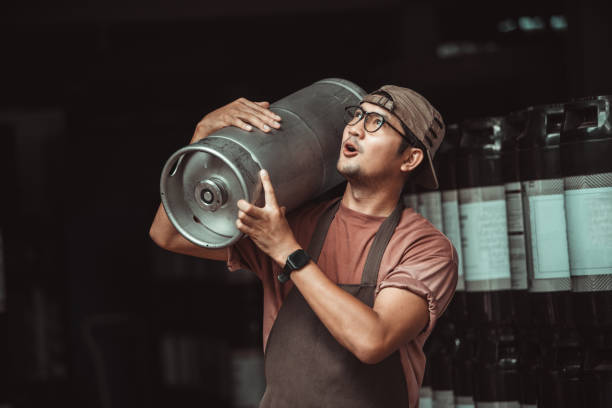
Cans Of Beer In A Keg
Wondering how many cans of beer are in a keg? A standard keg holds the equivalent of about 165 12-ounce cans, but sizes vary. In this article, we’ll break down the math for full, half, and quarter kegs, so you can choose the perfect size for your needs—no guesswork required. Let’s pour into the details.
What Is a Keg and How Much Beer Does It Hold?
Standard Keg Sizes and Their Capacities
Understanding standard keg sizes is essential for planning events, managing inventory, or choosing the right draft system. The most common keg in the U.S. is the full-sized half-barrel, which holds 15.5 gallons (58.7 liters) of beer—ideal for large gatherings or commercial use.
Smaller options include the quarter-barrel (pony keg) at 7.75 gallons and the sixth-barrel at around 5.16 gallons, offering flexibility for smaller venues or limited storage.
Each size serves a different purpose: larger kegs reduce waste and are cost-effective for high-volume needs, while smaller kegs are perfect for home use or seasonal brews. Knowing exact capacities helps avoid over- or under-ordering.
These standard sizes ensure compatibility with most draft systems, making them reliable across breweries, bars, and parties. Always confirm size specifications with suppliers, as slight variations can occur.
How Keg Sizes Compare to Cans of Beer
Converting keg capacity into standard 12-ounce cans makes it easier to visualize beer volume. A full half-barrel keg (15.5 gallons) contains approximately 165 cans of beer, providing ample supply for large events. The quarter-barrel keg holds about 83 cans, making it suitable for medium-sized parties or taprooms with rotating selections.
A sixth-barrel keg equals roughly 55 cans, ideal for home kegerators or limited-release offerings. This comparison helps consumers and vendors plan portions, manage costs, and minimize waste. For example, if you’re hosting 50 guests and expect two drinks per person, a half-barrel keg would be sufficient.
Always account for spillage and foam, which can reduce yield by 10–15%. Using can equivalents simplifies decisions when choosing between kegs and packaged beer.
Common Beer Keg Types in the US Market
In the U.S., several keg types dominate the market, each suited to different needs and settings. The half-barrel (full keg) is the industry standard, widely used in bars, restaurants, and large events due to its high capacity and cost efficiency.
The pony keg (quarter-barrel) is popular for smaller venues or home use, offering half the volume in a more manageable size. Craft breweries often use sixth-barrel (20-liter) kegs, also known as ‘Corny’ or Cornelius kegs, for seasonal or specialty brews.
These are easier to transport and store, making them ideal for limited runs. Most U.S. kegs use the Sankey coupler system, ensuring compatibility with standard dispensing equipment. Understanding these types helps buyers choose the right keg based on volume needs, storage space, and draft system requirements.
How Many 12-Ounce Cans Are in a Full Keg?
Calculating Cans per Half Keg
A half keg, also known as a full-size keg, holds 15.5 gallons of beer, which equals 1,984 ounces. To determine how many 12-ounce cans are in a half keg, divide the total ounces by the can size: 1,984 ÷ 12 = approximately 165 cans.
This means a full keg provides the equivalent of 165 standard 12-ounce cans of beer. This calculation is useful for event planning, cost comparisons, or understanding portion sizes when serving draft beer.
Keep in mind that some beer is lost to foam or lines during dispensing, so the actual yield may be slightly less—typically around 160 cans in real-world conditions. Knowing this helps avoid shortages at parties or commercial venues.
When comparing keg prices, dividing the cost by 165 gives the effective price per can, making it easier to decide whether buying a keg or cans is more economical for your needs.
Number of Cans in a Quarter Keg
A quarter keg, also called a pony keg, contains 7.75 gallons, which equals 992 ounces of beer. To find how many 12-ounce cans this equates to, divide 992 by 12, resulting in approximately 82.7 cans—so about 83 standard cans per quarter keg.
This size is ideal for smaller gatherings where a full keg would be excessive. Like the half keg, minor losses from foam and dispensing reduce the actual usable amount, so plan for roughly 80 cans to be safe.
The quarter keg offers flexibility and easier storage, making it a popular choice for home parties or taproom sampling. Comparing cost per can can also help determine value: divide the rental or purchase price by 80 to get the per-can equivalent.
For those testing a new beer or hosting intimate events, the quarter keg balances quantity and convenience while reducing waste and storage challenges.
Tall Boy Cans vs Standard 12-Ounce Cans
When measuring beer volume, it’s important to distinguish between standard 12-ounce cans and tall boy cans, which typically hold 16 ounces. In a full keg (1,984 ounces), you can pour approximately 124 tall boy cans (1,984 ÷ 16), compared to 165 standard cans.
This 24-can difference significantly impacts event planning and budgeting. Tall boys are popular for craft beers and premium brands, offering more beer per can but reducing total servings per keg. If your event uses 16-ounce pours, adjust your expectations accordingly to avoid running out.
Also, consider that glass pours at bars often use 14- or 16-ounce pint glasses, which further reduces yield. Understanding these distinctions helps in selecting the right keg size, managing inventory, and setting accurate pricing.
Always confirm the serving size used in your dispensing setup to ensure precise planning and optimal use of your keg’s contents.
How to Convert Keg Volume to Individual Cans

Step-by-Step Conversion Guide
To determine how many cans of beer are in a keg, start by identifying the keg size. A standard full-size keg (also called a half-barrel) holds 15.5 gallons. Since there are 128 ounces in a gallon, multiply 15.5 by 128 to get 1,984 total ounces.
Next, divide that number by the volume of a standard can, which is 12 ounces. This gives you approximately 165 cans of beer in a keg. For smaller kegs like a quarter-barrel (7.75 gallons), you’ll get about 82 cans.
Always verify the keg size before calculating, as pony kegs, slim kegs, and other variants differ. This method allows event planners, bar owners, or home entertainers to accurately estimate servings and manage inventory. Using this step-by-step approach ensures you’re prepared for parties, sales forecasting, or purchasing decisions without guesswork.
Using Ounces to Compare Kegs and Cans
Converting keg volume to cans is most accurate when using fluid ounces as a common unit. Start by converting the keg’s gallon capacity into ounces—simply multiply gallons by 128. For example, a 15.5-gallon keg equals 1,984 ounces. Then, divide that total by the ounce size of the can you’re using.
A standard 12-ounce can yields about 165 cans per full keg, while 16-ounce ‘tall boy’ cans yield around 124. This standardized comparison helps you evaluate cost per can, pricing strategies, or portion control. It also allows you to adapt to different can sizes used in craft beer or events.
Whether you’re budgeting for a wedding or stocking a taproom, using ounces removes confusion between varying keg and can dimensions. This ounce-based method ensures consistent, reliable conversions no matter the container type.
Accounting for Beer Waste and Pouring Loss
When converting keg volume to cans, it’s crucial to factor in beer waste and pouring loss, which can reduce usable volume by 10–15%. Foam, spillage, line purging, and imperfect taps all contribute to lost beer.
For example, from a full 15.5-gallon keg (1,984 oz), you might lose up to 200 ounces—meaning you’ll only get about 145–150 actual 12-oz servings instead of the theoretical 165. To plan effectively, always build in a waste buffer when estimating how many cans a keg replaces.
This is especially important for catering, events, or inventory management where overestimating supply leads to shortages. Using precise draft systems, properly cooled kegs, and trained staff can minimize waste. Recognizing real-world losses ensures you order enough beer and deliver consistent service without running out prematurely.
Cost Comparison: Keg vs Cases of Canned Beer
Price Per Can When Buying a Keg
To determine the price per can when buying a keg, start by comparing standard keg sizes to the equivalent number of 12-ounce cans. A full keg (half-barrel) holds 15.5 gallons, which equals 165.3 cans of beer—over 13 cases. A quarter-barrel (pony keg) contains 7.75 gallons or about 82 cans.
Divide the keg’s rental or purchase price by the number of equivalent cans to get the per-can cost. For example, if a full keg costs $120, the cost per can is roughly $0.73, often cheaper than buying individual cans at $0.80–$1.20 each.
However, this calculation assumes you consume all the beer before it goes flat. Keg beer typically stays fresh for 45–60 days when properly stored, so it’s most cost-effective for high-volume events or frequent drinkers.
When a Keg Is More Economical Than Cans
A keg becomes more economical than canned beer when hosting large gatherings or events with 40 or more guests. Buying beer by the keg typically offers a lower per-ounce cost compared to pre-packaged cases.
For instance, purchasing 13 cases of beer (equivalent to a full keg) could cost $200–$300, while a keg might run $100–$160, including deposit. Bulk purchasing power and reduced packaging contribute to keg savings. Additionally, draft beer served from a keg reduces waste from unused cans and offers faster service.
However, the break-even point depends on usage—if the beer isn’t finished within a few weeks, spoilage can negate savings. For parties, festivals, or bars with steady traffic, kegs are clearly more cost-efficient. For smaller, infrequent events, cases of canned beer may offer better flexibility and less risk of waste.
Hidden Costs of Kegging Beer
While kegs appear cheaper upfront, hidden costs can add up quickly. First, you may need to rent or buy a kegerator, CO2 tank, and tapping system, which can total $150–$400. There’s also a keg deposit ($30–$100), refundable only if returned undamaged.
CO2 refills and maintenance, such as cleaning lines and replacing seals, add ongoing expenses. If you don’t finish the keg in time, oxidized or flat beer leads to waste—especially problematic for small groups. Transporting a full keg (weighing 140+ lbs) may require a vehicle and help, increasing effort and cost.
Energy usage from refrigeration is another factor if using a kegerator long-term. These extras mean kegs aren’t always cheaper than cases. Plan for total ownership cost, not just beer price, to make a smart decision based on your consumption habits and event scale.
How to Serve Beer from a Keg Like a Pro
Equipment Needed to Tap a Keg
To serve beer from a keg like a pro, start by gathering the essential equipment: a keg coupler compatible with your keg type (most commonly a Sankey D-system for domestic beers), a CO2 tank with regulator, beer lines, a tap handle, and a clean draft tower or faucet.
Ensure all components are sanitized before assembly to avoid contamination that could spoil the beer’s taste. Connect the CO2 tank to the keg via the coupler, making sure the pressure is set correctly—typically between 10–12 PSI for most ales and lagers.
Use proper hose lengths and diameters to balance the system and prevent over-foaming. A jockey box or keezer can help maintain ideal serving temperatures. Having the right setup not only ensures smooth pours but also preserves carbonation and flavor integrity over time.
Regular maintenance of your draft system keeps every pour consistent and professional.
Pouring the Perfect Cup Without Foam
Achieving a smooth, foam-controlled pour starts with a clean, chilled glass held at a 45-degree angle under the tap. Slowly open the tap fully and pour until the glass is about half full, allowing the beer to glide down the side.
As the liquid rises, gradually straighten the glass to an upright position and finish with a direct pour into the center. This technique minimizes turbulence and excess foam. Make sure your beer lines are properly balanced—too much pressure or warm lines can cause over-carbonation and foamy results.
Ideal serving temperature (36–38°F) is crucial; warmer beer releases CO2 more quickly, creating excess head. If foam persists, check your system pressure and line cleanliness. A perfect pour should have about a half-inch to one-inch foam head, enhancing aroma without wasting beer.
Practice and consistency turn this into a pro-level skill.
Keeping Beer Fresh Over Multiple Days
To keep beer fresh after the keg is tapped, maintain consistent pressure and cold temperatures. Once connected, the beer should remain under regulated CO2 pressure to prevent oxidation and maintain carbonation. Store the keg in a kegerator or refrigerated unit set between 36–38°F.
Avoid frequent temperature fluctuations, which can degrade flavor and increase foam. If using a party pump (which forces air into the keg), consume the beer within 8–12 hours, as oxygen exposure spoils it quickly. With a CO2 system, most beers stay fresh for 3–6 weeks, even longer for pasteurized varieties.
Sanitize taps and lines between uses to prevent microbial growth. Always monitor for off-flavors or dullness, which signal aging or contamination. Proper storage and system care ensure every pour tastes as fresh as the first.
Best Ways to Store a Keg to Maximize Shelf Life
Ideal Temperature for Storing a Keg
Maintaining the ideal storage temperature is crucial to preserving beer quality in a keg. For most beers, the optimal range is between 38°F and 42°F (3°C to 6°C). Storing at this temperature slows oxidation and microbial growth, helping maintain freshness, flavor, and carbonation.
Temperatures that are too warm accelerate spoilage and can cause over-carbonation or off-flavors, while temperatures too cold may mask flavors and cause excessive foaming when poured. Use a dedicated kegerator or refrigerated unit with a reliable thermostat to ensure consistent cooling.
Avoid temperature fluctuations by keeping the keg away from direct sunlight, heat sources, or drafty areas. Stable, cool conditions are especially important for unpasteurized beers, which are more sensitive to temperature changes.
By controlling the environment, you ensure every pour tastes as fresh as the first, maximizing both shelf life and drinking enjoyment.
How Long Beer Lasts in a Keg Once Tapped
Once a keg is tapped, the shelf life of the beer depends on pasteurization and storage conditions. For pasteurized beer, it can last 90 to 120 days when stored at the proper temperature and pressure.
Unpasteurized (draft) beer has a shorter lifespan, typically 45 to 60 days, due to its lack of heat treatment to kill microbes. Using a CO2 system instead of a manual pump helps maintain consistent pressure and reduces oxygen exposure, which is a major cause of staleness.
Oxygen contact after tapping leads to oxidation, resulting in flat, cardboard-like flavors. To maximize freshness, monitor pressure levels and avoid frequent temperature changes. Kegs with sanke or spear valves should be handled carefully to prevent contamination. Always clean dispensing lines regularly to avoid bacterial growth.
With proper care, a tapped keg can deliver high-quality beer for weeks.
Tips for Preventing Flat or Stale Beer
To prevent flat or stale beer from a keg, focus on minimizing oxygen exposure and maintaining proper pressure. Use a CO2 regulator to deliver consistent pressure—typically 10–12 PSI for most ales and lagers—ensuring carbonation stays stable.
Avoid using hand pumps (party balls) for long-term dispensing, as they introduce oxygen with each pour, accelerating oxidation and flavor degradation. Keep the keg cold and undisturbed; temperature swings cause CO2 to expand and contract, leading to over- or under-carbonation.
Clean beer lines every two weeks to prevent microbial contamination that can alter taste. Also, ensure all connections are tight and sealed to prevent slow leaks that reduce pressure. Store the keg upright and avoid shaking it, which can release CO2 from solution.
By following these proactive measures, you preserve carbonation, flavor, and aroma throughout the keg’s lifespan.
Situations Where Cans Beat a Keg
Outdoor Events and Portability
When hosting outdoor events, cans of beer offer unmatched portability and convenience compared to a keg. Unlike kegs, which require heavy equipment like taps, CO2 tanks, and refrigeration, cans are ready to serve straight from a cooler.
This makes them ideal for picnics, hiking trips, beach outings, or backyard barbecues where power and space are limited. Cans also chill faster and maintain cold temperatures longer in insulated coolers. Their lightweight nature simplifies transportation, reducing setup time and physical strain.
Plus, cans are shatterproof, making them safer around children and in environments where glass is prohibited. With cans, hosts can easily distribute drinks without worrying about spills or equipment failure.
Whether you’re at a park or a remote campsite, cans ensure consistent access to cold beer without the logistical challenges of a keg system.
Small Gatherings and Limited Space
For small gatherings or intimate get-togethers, cans of beer are often more practical than a keg. Kegs require significant storage space and equipment, which may not fit in compact apartments, dorm rooms, or small patios.
In contrast, cans can be neatly stacked or stored in a mini-fridge, taking up minimal room. A full keg holds about 165 servings, far more than needed for a few guests, while a variety pack of cans offers flexibility without overcommitting.
Cans also eliminate the need for taps or lines that require cleaning. Hosts can offer diverse beer styles—IPAs, lagers, stouts—without dedicating an entire keg to one type. This reduces clutter and simplifies cleanup, making cans the smarter choice when space and guest count are limited.
With cans, you gain maximum convenience in minimal footprint.
Avoiding Waste with Pre-Packaged Cans
One of the biggest drawbacks of a keg is the risk of waste if not fully consumed—once tapped, beer typically lasts only a few days without proper pressurization. Cans of beer eliminate this concern by offering individual, sealed servings that stay fresh until opened.
This is especially helpful for events with unpredictable attendance or when serving multiple beer types. With cans, you can serve only what you need and save the rest for later, reducing spoilage and saving money.
Unlike kegs, which may require special equipment to preserve remaining beer, cans require no maintenance and can be stored for months. They also make it easier to track consumption and manage inventory.
For hosts who value efficiency and sustainability, pre-packaged cans offer a waste-free, hassle-free alternative to traditional keg systems, ensuring every beer is enjoyed at peak freshness.
Frequently Asked Questions
How many 12-ounce cans of beer are in a standard keg?
A standard half-barrel keg holds 15.5 gallons of beer, which is equivalent to 165 12-ounce cans. This is the most common keg size used in the United States.
What are the different keg sizes and how many cans do they hold?
Common keg sizes include the half-barrel (15.5 gallons = 165 cans), quarter-barrel or pony keg (7.75 gallons = 83 cans), and sixth-barrel (5.16 gallons = 56 cans), each holding proportionally fewer 12-ounce servings.
How does beer volume in a keg compare to bottled beer?
The volume of beer in a standard keg equals about 165 12-ounce bottles or cans. Kegs offer a more cost-effective and space-efficient option for serving large groups compared to individual bottles or cans.
Does foaming or waste affect the number of cans you can get from a keg?
Yes, foaming, spillage, and line cleaning can reduce the effective yield by 10–15%. While a keg holds the equivalent of 165 cans, actual servings may be slightly fewer in practice.
Can I buy a keg that holds the same as a case of beer?
Yes, a standard case contains 24 12-ounce cans (288 ounces). A sixth-barrel keg (5.16 gallons = 660 ounces) holds about 2.3 cases, making it a larger but economical alternative.
How long does a keg stay fresh once tapped?
When properly stored and pressurized, pasteurized beer in a keg stays fresh for 90–120 days, while non-pasteurized beer lasts about 45–60 days. This affects how much you can consume before spoilage, regardless of can equivalents.
Conclusion
Converting keg beer to cans offers convenience, portability, and freshness for any occasion. A standard keg holds about 165 12-ounce cans, making it ideal for large gatherings or extended enjoyment. With the right tools, home canning preserves flavor and reduces waste. Whether you’re hosting a party or stocking your fridge, understanding beer volume and packaging helps maximize value. Embrace the versatility of canned beer from a keg and enjoy quality brews anytime, anywhere.