
Best White Wine Temperature
Wondering about the best white wine temperature? You’re not alone—serving your favorite bottle too cold can mute its flavors, while serving it too warm makes it taste flat. The sweet spot? Most white wines shine between 45°F and 55°F. In this guide, we’ll break down ideal temps by type—from crisp Sauvignon Blanc to rich Chardonnay—so every sip is perfectly balanced. No guesswork, just refreshing results. Let’s get your wine chilling at the right degree.
Best White Wine Temperature: A Complete Guide
What Is the Ideal Serving Temperature for White Wine?
The ideal serving temperature for white wine typically ranges between 45°F and 55°F (7°C to 13°C), depending on the style. Lighter, crisp whites like Pinot Grigio and Sauvignon Blanc are best served colder—around 45°F to 50°F (7°C to 10°C)—to highlight their refreshing acidity and bright citrus notes.
Fuller-bodied whites such as Chardonnay or Viognier, especially those aged in oak, benefit from slightly warmer temperatures of 50°F to 55°F (10°C to 13°C), which allow their complex aromas and creamy textures to shine.
Serving wine too cold masks its flavors and aromas, while serving it too warm makes it taste flat and overly alcoholic. To achieve the perfect temperature, refrigerate lighter whites for 2 hours and fuller styles for 1.5 hours before serving.
For precision, use a wine thermometer or chill in an ice-water bath for 10–15 minutes if needed.
Why Temperature Matters for Flavor and Aroma
Serving white wine at the correct temperature is crucial for unlocking its full flavor and aroma profile. When wine is too cold, the aromas become suppressed and the taste feels dull, making it hard to appreciate the nuances of fruit, floral, or mineral notes.
Conversely, if the wine is too warm, alcohol becomes more prominent, overwhelming delicate flavors and making the wine taste unbalanced. The ideal temperature enhances aromatic expression and ensures a harmonious balance between acidity, sweetness, and body.
For example, a well-chilled Sauvignon Blanc will burst with zesty lime and fresh herb notes, while a Chardonnay served slightly warmer reveals buttery, vanilla, and stone fruit characteristics. Temperature also affects mouthfeel—colder wines feel crisper, while warmer ones feel richer.
By serving at the right temperature, you maximize sensory enjoyment and experience the wine as the winemaker intended, making each sip more rewarding and flavorful.
How Temperature Affects Different Types of White Wine
Different white wines respond uniquely to temperature, directly influencing their taste and enjoyment. Light, aromatic whites like Riesling, Albariño, and Pinot Gris thrive at 45°F–50°F (7°C–10°C), where their vibrant acidity and floral or tropical fruit notes are most expressive. Over-chilling these wines can mute their delicate aromas.
Medium-bodied whites such as unoaked Chardonnay or Chenin Blanc perform best around 50°F–53°F (10°C–12°C), balancing freshness with subtle complexity. For full-bodied, oaked whites, including Burgundian Chardonnay or white blends, a slightly warmer 53°F–55°F (12°C–13°C) helps release rich textures and layered flavors like vanilla, toast, and ripe apple.
Sparkling whites, including Champagne and Prosecco, should be served coldest—43°F–48°F (6°C–9°C)—to preserve effervescence and crispness. Adjusting temperature by wine type ensures optimal balance, letting each varietal’s character shine while avoiding flatness or excessive alcohol heat.
How to Chill White Wine Properly
Refrigerator vs. Ice Bucket: Which Is Better?
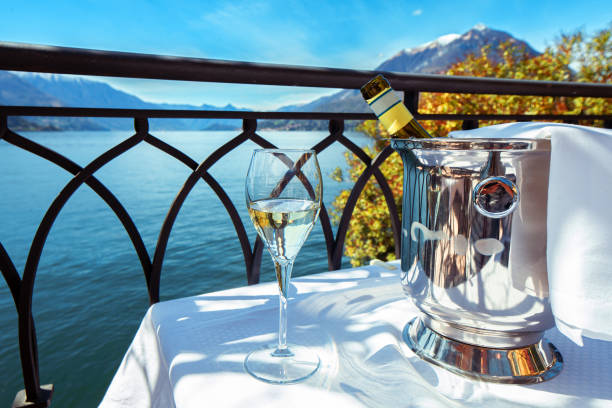
When deciding between a refrigerator and an ice bucket for chilling white wine, consider both timing and desired serving temperature. The refrigerator is ideal for gradual, even cooling and maintaining wine at a stable temperature before serving.
It typically brings wine to the optimal range of 45–50°F (7–10°C) over several hours. However, if you’re preparing to serve immediately, an ice bucket with ice and water is far more effective.
The combination of ice, water, and salt creates a rapid cooling bath that chills wine in about 15–20 minutes. The water ensures maximum surface contact, speeding up heat transfer. For the best results, submerge at least two-thirds of the bottle and rotate it gently.
While the fridge is better for long-term chilling, the ice bucket excels in precision and speed, helping you achieve the ideal white wine temperature just before pouring.
How Long to Chill Wine in the Fridge
To properly chill white wine in the refrigerator, plan ahead and allow 2–3 hours for most bottles to reach the ideal serving temperature of 45–50°F (7–10°C).
Lighter styles like Pinot Grigio and Sauvignon Blanc benefit from the cooler end of that range, while fuller-bodied whites such as Chardonnay are best enjoyed slightly warmer to preserve their complex aromas. For accurate results, place the bottle upright in the main compartment—not the door—where temperatures are more consistent.
Avoid over-chilling, as temperatures below 45°F can mute flavors and make acidity seem harsh. If serving later, remove the bottle 10–15 minutes early to allow slight warming. Use a wine thermometer if possible to monitor progress. Chilling too long dulls the wine’s character, so timing is crucial.
With proper fridge chilling, your white wine will be crisp, aromatic, and perfectly balanced at the table.
Quick-Chill Methods for Last-Minute Serving
When you need to chill white wine quickly, skip the fridge and opt for rapid cooling techniques that deliver results in under 15 minutes. The most effective method is the ice-water bath: fill a bucket with ice, add cold water and a handful of salt, then submerge the bottle.
The salt lowers the water’s freezing point, accelerating heat transfer. Rotate the bottle gently every few minutes for even cooling. This method can bring wine to 45–50°F (7–10°C) in just 10–15 minutes.
Alternatively, wrapping the bottle in a damp towel and placing it in the freezer works in about 20 minutes—just set a timer to avoid freezing. For opened bottles, pour wine over a glass filled with ice or use wine chill sticks.
These quick-chill strategies ensure your white wine reaches the best serving temperature without sacrificing flavor, making them perfect for spontaneous gatherings.
Serving Temperatures for Popular White Wines
Chardonnay: Cool but Not Too Cold
The best white wine temperature for Chardonnay is between 50°F and 55°F (10°C–13°C). Serving it at this range preserves its rich, complex flavors—like apple, citrus, and vanilla—without muting them with excessive chill. Avoid serving Chardonnay straight from the fridge, as temperatures below 50°F dull its aroma and texture.
If the wine is too cold, let it sit for 10–15 minutes in the glass to warm slightly. For oaked Chardonnays, aim for the higher end of the range to highlight their creamy mouthfeel. Proper temperature enhances balance and allows subtle oak and fruit notes to shine.
Use a wine thermometer or time your chilling: 25–30 minutes in the fridge or 3–5 minutes in an ice bucket before serving.
Sauvignon Blanc: Crisp and Refreshing
Sauvignon Blanc tastes best when served between 45°F and 50°F (7°C–10°C), making it crisp, vibrant, and aromatic. This temperature range enhances its bright acidity and bold citrus, grassy, and tropical notes without numbing the palate. Over-chilling masks its complexity, so avoid prolonged freezer time.
For optimal results, refrigerate for about 2 hours or use an ice-water bath for 15 minutes before serving. Serving too cold reduces flavor expression, so allow a slight warm-up if needed. This wine is ideal for warm weather and pairs well with salads, seafood, and goat cheese.
Maintaining the ideal temperature ensures maximum refreshment and aromatic intensity, turning every glass into a lively experience.
Pinot Grigio: Light and Chilled
Pinot Grigio should be served chilled at 45°F to 50°F (7°C–10°C) to highlight its light body, crisp acidity, and delicate fruit flavors like pear, green apple, and citrus. This temperature keeps the wine refreshing and thirst-quenching, perfect for casual sipping or light meals.
Avoid over-chilling, as it can suppress the subtle aromas that define quality Pinot Grigio. Refrigerate for 2–2.5 hours or use an ice bucket for 10–15 minutes before serving. Once poured, let it sit briefly to unlock its full character.
Serving at the right temperature enhances balance and drinkability, making it a go-to for summer gatherings. Proper chilling ensures every sip remains clean, bright, and pleasantly zesty.
Riesling: Balance Sweetness and Acidity
Riesling thrives when served at 45°F to 50°F (7°C–10°C), a range that balances its natural sweetness and vibrant acidity. Whether dry or off-dry, this temperature preserves aromatic intensity—think floral, apple, peach, and lime—while keeping the wine refreshing. Serving too cold masks flavor nuances, especially in aged or complex Rieslings.
Chill in the fridge for 2 hours or in an ice bucket for 15 minutes before serving. As it warms slightly in the glass, new layers emerge, enhancing the tasting experience. This makes Riesling versatile for spicy foods, desserts, or solo enjoyment.
The ideal temperature ensures harmony between sugar and acid, delivering a crisp, flavorful profile in every sip.
Common Mistakes When Serving White Wine
Serving Too Cold: What Happens?
Serving white wine too cold can severely mute its aroma and flavor profile, making even high-quality bottles taste flat or overly acidic. While chilling white wine is essential, over-chilling—especially below 40°F (4°C)—numbs the palate and suppresses the delicate notes of fruit, floral, and mineral characteristics.
The ideal temperature range for most white wines is between 45°F and 55°F (7°C–13°C), depending on body and sweetness. Lighter wines like Pinot Grigio and Sauvignon Blanc thrive at the cooler end, while fuller-bodied options like oaked Chardonnay benefit from slightly warmer temps to express their complexity.
To avoid over-chilling, remove the bottle from the fridge 10–15 minutes before serving, or place it in an ice bucket for only 20–30 minutes. Using a wine thermometer helps ensure precision, preserving balance and enhancing enjoyment.
Leaving Wine Out Too Long
Leaving white wine out too long after opening exposes it to oxygen and temperature fluctuations, leading to flavor degradation and loss of freshness. While white wines are more resilient than reds, they begin to deteriorate within 12–24 hours at room temperature.
The aromatic intensity fades, acidity softens unnaturally, and the wine may develop a flabby or vinegary taste. To preserve quality, recork the bottle immediately after pouring and store it in the refrigerator. Consider using a vacuum pump or inert gas preserver to minimize oxidation.
When ready to enjoy again, let the wine warm slightly to its ideal serving temperature—don’t serve straight from the fridge. Lighter styles like Riesling or Albariño can last up to 3–5 days with proper storage, while delicate sparkling whites should be consumed within 1–2 days for best results.
Using the Wrong Glassware
Using the wrong glassware can diminish the sensory experience of white wine by altering how aromas are delivered and how the wine feels on the palate. The shape and size of the glass directly influence aroma concentration and airflow, which are critical for appreciating white wine’s nuances.
Opt for tulip-shaped glasses with a narrower bowl for most whites—this design captures delicate floral and fruity notes while directing the wine to the front of the mouth. Avoid oversized red wine glasses, which disperse aromas too widely, or small, straight-sided tumblers that limit aeration.
For full-bodied whites like Chardonnay, choose a glass with a slightly wider bowl to allow subtle oak and buttery notes to emerge. Chilled sparkling whites demand tall, slender flutes to preserve effervescence. Using appropriate glassware enhances flavor clarity, balance, and overall enjoyment.
Tools to Maintain the Right Wine Temperature
Wine Coolers and Fridges
Maintaining the ideal temperature for white wine—typically between 45°F and 50°F (7°C–10°C)—is easily achieved with a dedicated wine cooler or dual-zone wine fridge. Unlike standard refrigerators, which can over-chill and dry out corks, wine coolers provide stable, humidity-controlled environments tailored to different wine types.
For white wines, set the cooler to the lower end of the ideal range for crisp, aromatic whites like Sauvignon Blanc or Pinot Grigio, and slightly warmer for fuller-bodied styles like oaked Chardonnay. Dual-zone models allow simultaneous storage of reds and whites at their respective optimal temperatures.
Place the cooler in a shaded, vibration-free area to maintain consistent performance. Regularly calibrate the internal thermostat to ensure accuracy, and allow bottles to acclimate for at least 24 hours after placement.
This ensures every bottle is served at its peak flavor and aroma, enhancing your overall tasting experience with precision and ease.
Thermometers for Wine
Accurately determining the best white wine temperature requires more than guesswork—use a digital wine thermometer for instant, precise readings. These compact tools are designed to read temperature without removing the cork, preserving the wine’s integrity.
Infrared thermometers offer non-contact readings by pointing at the bottle, while probe thermometers provide internal measurements with minimal intrusion. For best results, place the thermometer near the base of the bottle where temperature is most stable. Check the wine after chilling for at least 30 minutes to avoid premature serving.
Calibrate your thermometer regularly to maintain accuracy. Knowing the exact temperature helps you serve light whites at 45°F for maximum freshness and fuller whites closer to 50°F to express their complexity. This precision enhances balance and aroma, preventing over-chilling that masks subtle notes.
With real-time feedback, you can adjust serving conditions instantly, ensuring every glass is perfectly tempered for optimal enjoyment.
Insulated Wine Sleeves and Coasters
Once your white wine reaches the ideal serving temperature, insulated wine sleeves and coasters help maintain it throughout the tasting. These portable accessories minimize heat transfer from hands and ambient air, keeping bottles and glasses chilled longer—especially outdoors or in warm rooms.
Neoprene or vacuum-insulated sleeves fit snugly around bottles, while chillable coaster pads support glasses and absorb warmth. Pre-chill sleeves in the freezer for 15 minutes before use to boost cooling efficiency. These tools are especially useful during extended dinners or gatherings where wine sits out for hours.
They prevent the common issue of white wine warming too quickly, which dulls acidity and amplifies alcohol perception. By maintaining a steady temperature, insulated accessories preserve the wine’s crispness, balance, and aromatic profile. Lightweight and reusable, they’re ideal for picnics, patios, or dinner parties.
Investing in quality insulation ensures your white wine stays at its optimal drinking temperature from the first pour to the last sip.
Tips for Serving White Wine at Parties
How to Keep Multiple Bottles at Ideal Temperatures
When serving white wine at parties, maintaining the ideal temperature range of 45–55°F (7–13°C) is crucial for preserving flavor and aroma. To keep multiple bottles chilled, use insulated beverage tubs filled with ice and water, which cools bottles faster and more evenly than ice alone.
For longer events, rotate bottles from a refrigerator or wine cooler into the ice bath as needed. Avoid leaving all bottles in ice for hours, as over-chilling can mute subtle notes. Instead, chill only the bottles you plan to serve within the next hour.
For sparkling whites, aim for the cooler end of the range (45–48°F) to maintain effervescence, while fuller-bodied whites like Chardonnay taste best slightly warmer (50–55°F). This staged chilling approach ensures every guest enjoys wine at its peak, no matter when they arrive.
Labeling Chilled Bottles
To avoid confusion and ensure each white wine is served at its optimal temperature, clearly label chilled bottles with their type and ideal serving range. Use waterproof labels or colored tape to mark varieties—such as Sauvignon Blanc, Pinot Grigio, or Riesling—so guests and hosts can identify them quickly.
Include serving tips like ‘Best at 48°F’ or ‘Chill lightly’ to guide proper storage. This is especially helpful when offering a wine selection with varying body and sweetness levels, as lighter wines need more chill than oaked or aromatic styles.
Labeling also prevents accidental over-warming when bottles are removed from ice. For self-serve stations, add small signs explaining why temperature matters, encouraging guests to respect the chill and return unused bottles to cooling zones promptly.
Avoiding Temperature Swings
Frequent temperature changes can damage the taste and balance of white wine, so it’s essential to minimize swings during parties. Once a bottle reaches its ideal serving temperature, keep it stable by using double-walled wine sleeves or insulated holders instead of leaving it on tables or countertops.
These insulators slow warming, especially outdoors or in warm rooms. Avoid repeatedly moving bottles between the fridge and serving area—instead, pre-chill only what you’ll serve soon.
Also, never return an opened, warmed bottle to the ice; it’s better to serve it promptly or offer it later as a chilled cooking wine. Sudden shifts dull aromas and exaggerate acidity or sweetness.
By planning your serving flow and using insulation tools, you preserve each wine’s integrity from first pour to last, ensuring a consistently enjoyable experience.
Storing White Wine Before Serving
Optimal Storage Temperature for Unopened Bottles
To preserve the freshness and flavor of unopened white wine, store it at a consistent temperature of 45–55°F (7–13°C). This range slows oxidation and microbial growth while maintaining the wine’s aromatic complexity.
Temperatures above 55°F can accelerate aging, causing the wine to lose its crispness, while temperatures below 45°F may dull its aromas. Avoid temperature fluctuations by using a wine fridge or a cool, dark basement rather than a standard kitchen refrigerator, which is too cold for long-term storage.
If using a refrigerator, limit storage to a few days before serving. Position bottles horizontally if they have corks to keep the cork moist and prevent air from entering. For screw-cap bottles, upright storage is acceptable.
Consistent, cool storage ensures the wine reaches the glass at its best, with vibrant acidity and balanced fruit notes ready for proper serving temperature adjustment.
How Long Can You Keep Opened White Wine?
Once opened, most white wines stay fresh for 3 to 5 days when stored properly in the refrigerator. The key to extending freshness is minimizing oxygen exposure—reseal the bottle tightly with its original cork or a wine stopper.
For better results, use a vacuum pump to remove air or transfer the wine to a smaller airtight container. Lighter whites like Pinot Grigio and Sauvignon Blanc tend to degrade faster, while fuller styles like oaked Chardonnay may last closer to five days.
Monitor for off-flavors or a flat aroma, which signal spoilage. Avoid leaving opened wine at room temperature, as heat accelerates oxidation. If in doubt, taste before serving—fresh white wine should retain its acidity and fruit character.
Proper storage doesn’t restore wine but significantly slows deterioration, allowing you to enjoy quality sips days after opening.
Best Practices for Re-Chilling Leftover Wine
When re-chilling leftover white wine, avoid rapid temperature shifts that can dull flavors and aromas. Instead of placing the bottle directly into the freezer, return it to the refrigerator for at least 1–2 hours before serving. This gradual cooling preserves the wine’s balance and prevents over-chilling.
Use a wine thermometer to confirm the ideal serving temperature—light whites at 45–50°F (7–10°C), fuller styles at 50–55°F (10–13°C). If you’re short on time, an ice-water bath for 10–15 minutes works better than the freezer, which risks freezing the wine or numbing its nuances.
Always store the re-chilled bottle upright to minimize surface exposure. When ready, pour gently to avoid disturbing any sediment. Proper re-chilling ensures that leftover wine still delivers a refreshing, well-balanced experience, nearly as enjoyable as the first pour.
Frequently Asked Questions
What is the best temperature for serving white wine?
The ideal serving temperature for most white wines is between 45°F and 50°F (7°C to 10°C). Lighter whites like Pinot Grigio and Sauvignon Blanc are best at the cooler end of this range, while fuller-bodied whites like Chardonnay can be served slightly warmer to enhance their aroma and flavor.
Can I serve white wine too cold?
Yes, serving white wine too cold (below 45°F) can dull its aromas and flavors. Over-chilled wine may taste overly acidic or flat, so it’s best to let it warm slightly in the glass for optimal tasting.
How do I chill white wine quickly?
To chill white wine quickly, place it in an ice bucket with ice and water for 20–30 minutes, or in the freezer for 15–20 minutes. Check frequently to avoid over-chilling.
Should all white wines be served at the same temperature?
No, not all white wines should be served at the same temperature. Light, crisp whites like Riesling or Vinho Verde are best at 45°F–48°F, while richer, oaked whites like Chardonnay taste better at 50°F–55°F to bring out their complexity.
What happens if white wine is served too warm?
If white wine is served too warm, it can taste flabby and overly alcoholic, with diminished freshness and acidity. It loses its crisp appeal, especially in lighter styles.
How can I tell if my white wine is at the right temperature?
Use a wine thermometer for accuracy, or gauge by feel: the bottle should be cold but not freezing, and the wine should feel refreshing but not numbing on the palate. Letting it sit out for 5–10 minutes after the fridge helps reach ideal temperature.
Conclusion
Serving white wine at the right temperature enhances its aroma, balance, and overall enjoyment. Lighter whites like Pinot Grigio shine at 45–50°F, while fuller styles such as Chardonnay taste best at 50–55°F. Avoid over-chilling, as it dulls flavors. Use a thermometer or a simple 30-minute fridge rule for ideal results. Experiment to find your preference and elevate every glass. Cheers to perfectly chilled white wine!
