
Beer Tap Line Cleaning
If you’ve ever poured a beer and noticed off-flavors, slow flow, or excessive foam, dirty tap lines are likely the culprit. Cleaning your beer tap lines isn’t just about taste—it’s essential for quality and customer satisfaction. The good news? It’s easier than you think. Let’s get those lines sparkling.
What Is Beer Tap Line Cleaning?
Why Beer Lines Need Regular Cleaning
Beer tap lines require regular cleaning to prevent the buildup of bacteria, yeast, and mineral deposits that can compromise beer quality. Over time, residual beer left in the lines creates an ideal environment for microorganisms to grow, leading to off-flavors and contamination.
Without proper sanitation, these contaminants multiply and spread with each pour. Cleaning every two weeks is recommended to maintain hygiene and ensure consistent taste. Professional-grade cleaning solutions, including caustic and acid cleaners, break down organic and inorganic residues effectively.
Routine maintenance not only protects the beer’s integrity but also extends the life of the draft system. Establishments that prioritize line cleaning enhance customer satisfaction and reduce the risk of complaints or wasted product.
Ultimately, consistent cleaning schedules are essential for any bar, pub, or brewery aiming to serve fresh, high-quality beer every time.
How Dirty Lines Affect Beer Quality
Dirty beer lines directly impact flavor, aroma, and appearance of draft beer. As contaminants accumulate, they introduce sour, buttery, or medicinal off-flavors that mask the beer’s intended profile. Yeast and bacteria like *Pediococcus* and *Lactobacillus* thrive in unclean lines, producing acids that alter taste and cause spoilage.
Poor foam stability is another common issue—dirty lines disrupt proper CO₂ balance, leading to flat or overly foamy pours. Additionally, visible particles or cloudiness in the beer can signal microbial growth or residue buildup. These problems not only disappoint customers but also damage a venue’s reputation.
Even a slight deviation from the brewer’s intended taste diminishes the drinking experience. Using sanitized, well-maintained lines ensures that each beer is served as the brewer designed it—fresh, balanced, and visually appealing. Protecting beer quality starts with clean lines.
Signs Your Beer Lines Need Cleaning
Several clear indicators suggest it’s time to clean your beer tap lines. Off-flavors such as sourness, mustiness, or butteriness are strong red flags, often caused by bacterial growth.
If beer pours with excessive foam or goes flat too quickly, residue or blockages in the lines may be disrupting flow and gas balance. Visible slime, cloudiness, or particles in the line or beer are unmistakable signs of contamination.
A slow pour rate can also point to buildup restricting beer flow. Even if no obvious issues appear, adhering to a bi-weekly cleaning schedule is crucial—problems often develop before they become noticeable. Regular inspection and proactive cleaning prevent long-term damage and ensure consistent quality.
Using a flashlight to inspect lines or performing a taste test with a clean glass can help catch early warning signs. Staying vigilant protects both beer integrity and customer satisfaction.
How Often Should You Clean Beer Tap Lines?
Standard Cleaning Frequency Guidelines
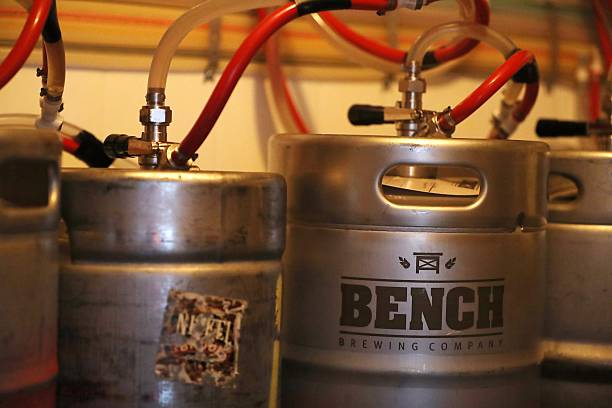
To maintain optimal beer quality and system performance, cleaning beer tap lines every two weeks is the widely accepted industry standard. This interval helps prevent the buildup of yeast, bacteria, and beerstone—mineral deposits that can spoil taste and aroma.
Most breweries and draft system manufacturers support this bi-weekly schedule under normal usage conditions. Consistent cleaning with the right chemicals, such as alkaline cleaners followed by sanitizers, ensures lines remain hygienic and flow efficiently. Neglecting this routine can lead to off-flavors, slow pours, and increased risk of contamination.
Establish a scheduled cleaning log to track maintenance and comply with health regulations. Even if the tap system sees low volume, lines should still be cleaned every two weeks because stagnant beer residue can degrade over time, compromising future pours.
Adhering to this guideline protects your beer’s integrity and enhances customer satisfaction.
Factors That Influence Cleaning Schedule
While a two-week cleaning cycle is standard, several operational and environmental factors can require adjustments. High-volume bars or brewpubs may need to clean lines more frequently—perhaps weekly—due to increased beer flow and residue accumulation.
The type of beer served also matters; sour beers and high-gravity ales introduce more yeast and bacteria, accelerating contamination. Water hardness impacts mineral buildup, meaning areas with hard water may see faster beerstone formation, necessitating more aggressive cleaning.
Ambient temperature and improper line chilling can promote microbial growth, shortening safe intervals between cleans. Additionally, system design and line length affect cleaning efficacy—longer lines or complex setups may trap residue.
Always consider these variables when customizing your maintenance plan, and use regular flow tests and taste checks to assess cleanliness. Tailoring your schedule improves beer quality and system longevity.
When to Clean More Frequently
Certain signs and circumstances demand immediate or more frequent cleaning, regardless of your standard schedule. If customers report off-flavors, cloudy beer, or inconsistent pour speed, these are red flags indicating line contamination. After introducing sour or barrel-aged beers, lines should be cleaned promptly to prevent cross-contamination with other brews.
Similarly, extended periods of system inactivity—such as during renovations or slow seasons—require a thorough cleaning before resuming service. Spills or backflow incidents also necessitate urgent sanitation. High-traffic events like festivals or game days may warrant post-event cleaning to handle the surge in usage.
Proactive cleaning after known contamination risks protects your beer’s reputation and prevents costly waste. Monitoring beer quality closely and responding quickly to issues ensures a consistently fresh pour and maintains customer trust in your draft offerings.
How to Clean Beer Tap Lines Step by Step
Gather the Right Cleaning Supplies
Before cleaning your beer tap lines, gather all necessary supplies to ensure a smooth and effective process.
You’ll need a food-grade beer line cleaning solution, typically alkaline or acidic depending on the buildup type, cleaning brushes, a cleaning kit with connectors and fittings, a bucket or container, and cold, fresh water for rinsing. Always check the manufacturer’s recommendations for your draft system to confirm compatibility.
Wear gloves and eye protection to stay safe when handling chemicals. Having everything ready prevents delays and contamination. Using the correct tools ensures thorough cleaning without damaging the lines or system components. Never reuse cleaning containers for food or drink to avoid cross-contamination.
Disconnect and Flush the Lines
Start by shutting off the CO2 supply and relieving pressure from the keg system to safely disconnect the beer lines. Remove the coupler from the keg and drain any remaining beer from the lines into a bucket. This initial flush removes loose debris and leftover product.
Disconnect the beer lines from the faucet end and attach them to your cleaning kit. Ensure all connections are secure to prevent leaks during cleaning. Flushing first with plain water can help clear residual beer and prepare the lines for chemical treatment.
This step is crucial because cleaning solutions work best on pre-flushed lines, maximizing effectiveness and reducing the risk of off-flavors in future pours.
Circulate Cleaning Solution
Prepare the recommended concentration of cleaning solution in a clean bucket, following the product’s instructions precisely. Use a pump or the system’s built-in circulation to push the solution through the lines for 10–15 minutes, ensuring it reaches all internal surfaces.
For stubborn buildup, extend circulation time up to 30 minutes, but avoid exceeding manufacturer guidelines. Maintain consistent flow to prevent pockets of stagnant liquid. This process breaks down yeast, bacteria, and protein deposits that affect beer taste and flow.
Never let the solution sit in lines longer than recommended, as it may damage tubing. After circulation, collect the used solution safely for disposal.
Rinse Thoroughly with Cold Water
After removing the cleaning solution, flush the lines with cold, fresh water for at least 5–10 minutes to eliminate all chemical residue. Use a clean water source and ensure water runs clear at the faucet end. Incomplete rinsing can taint the flavor of beer and pose health risks.
Recirculate water through the system using the same cleaning kit setup. Disconnect and rinse faucet components separately with attention to spouts and shanks. Reassemble only when all parts are visibly clean and free of odor. Test the system by pulling a small pour and checking for off-tastes or odors.
Regular, thorough rinsing ensures safe, great-tasting draft beer with every pour.
Best Cleaning Solutions for Beer Lines
Alkaline Cleaners vs Acid Cleaners
When cleaning beer tap lines, alkaline cleaners are ideal for breaking down organic residues like proteins, yeast, and fats that accumulate during beer dispensing. These cleaners work best at higher temperatures and are typically used for routine weekly cleaning.
On the other hand, acid cleaners target inorganic buildup such as mineral scale and beerstone, which can harbor bacteria and affect taste. They are especially useful in areas with hard water and should be used on a monthly rotation or as needed.
For comprehensive maintenance, a dual-cleaning regimen combining both alkaline and acid solutions ensures lines remain free of all contaminants. Always follow manufacturer instructions and rinse lines thoroughly after using either type to avoid flavor contamination. Never mix alkaline and acid cleaners, as this can create dangerous fumes and reduce effectiveness.
Regular use of the right cleaner preserves draft system integrity and ensures every pour tastes fresh.
Eco-Friendly Cleaning Options
Breweries and bars are increasingly turning to eco-friendly cleaning solutions that effectively sanitize beer lines without harsh chemicals. These biodegradable, non-toxic cleaners use natural enzymes and plant-based surfactants to break down residue, reducing environmental impact and improving workplace safety.
Certified green products like those approved by third-party organizations ensure performance without compromising sustainability. While they may require slightly longer soak times, their gentle yet effective action protects metal and plastic components in draft systems. Additionally, eco-cleaners reduce wastewater toxicity, making them ideal for businesses aiming for green certification.
To maximize results, pair them with proper line brushing and regular maintenance schedules. Always verify compatibility with your draft system to prevent damage. Switching to eco-friendly options supports both beer quality and environmental responsibility, offering a sustainable path to immaculate beer lines without sacrificing cleanliness or taste integrity.
Commercial vs DIY Cleaning Solutions
Choosing between commercial cleaning solutions and DIY alternatives depends on effectiveness, safety, and consistency. Commercial products are specifically formulated for beer lines, offering precise concentrations, reliable results, and compliance with health regulations. They often come with detailed instructions and are tested to avoid damage to system components.
In contrast, DIY solutions—like vinegar or baking soda mixes—may seem cost-effective but lack consistency and potency, risking incomplete cleaning or microbial growth. They can also corrode lines or leave residues that affect flavor. For professional operations, consistency and food safety are paramount, making commercial cleaners the superior choice.
While DIY methods might suit occasional home use, commercial solutions ensure every line flush is thorough, safe, and repeatable. Investing in trusted brands reduces long-term maintenance costs and protects beer quality, making them the smart standard for bars, pubs, and breweries committed to excellence.
Common Mistakes to Avoid When Cleaning Beer Lines
Using the Wrong Cleaning Solution
One of the most common mistakes when cleaning beer tap lines is using the wrong cleaning solution, which can compromise both the taste and safety of your draft beer.
Always use a food-grade, alkaline-based line cleaner specifically formulated for beer systems—never substitute with household detergents or bleach, as these can leave harmful residues or react with beer components. The wrong solution may also damage internal tubing, seals, and faucets over time, leading to costly repairs.
Follow manufacturer guidelines for dilution ratios and contact time to ensure effective cleaning without excess chemical buildup. Additionally, confirm compatibility with your system’s materials, especially if you have glycol-cooled lines or plastic components.
Using the correct cleaner not only removes protein and yeast buildup but also prevents microbial growth that affects beer quality. When in doubt, consult your draft system provider or beer supplier for approved cleaning products tailored to your setup.
Skipping the Rinse Cycle
Failing to properly rinse beer lines after cleaning is a critical error that can ruin beer flavor and pose health risks. After circulating the cleaning solution, a thorough rinse with clean, cold water is essential to remove all chemical residues.
Skipping this step leaves behind traces of cleaner that can react with beer, causing off-flavors, excessive foaming, or even cloudiness. A complete rinse cycle should last at least 10–15 minutes or until the water runs neutral in pH and taste.
Use a rinse-check kit or pH strips to confirm no cleaner remains. Inadequate rinsing also encourages biofilm formation over time, which harbors bacteria and yeast. Never assume a quick flush is enough—invest time in a full rinse to protect beer integrity and consumer satisfaction.
This final step ensures your system delivers fresh, clean-tasting draft beer every time.
Not Cleaning Often Enough
One of the most detrimental oversights in beer tap maintenance is not cleaning lines frequently enough. Industry standards recommend cleaning every two weeks, but high-volume bars or warm environments may require weekly cleaning to prevent buildup.
When lines go too long without cleaning, yeast, bacteria, and protein residues accumulate, leading to clogs, off-flavors, and poor pour quality. Neglecting regular cleaning also increases the risk of microbial contamination, which can spoil entire kegs and harm your establishment’s reputation.
Set a strict cleaning schedule and track each session with logs to ensure consistency. Even low-volume venues must adhere to a routine—stagnant beer lines breed contamination faster than many realize. Automated cleaning systems or reminders can help maintain compliance.
Regular cleaning preserves beer quality, protects equipment, and ensures every pint served meets the highest standards.
Tips for Maintaining Clean Beer Dispense Systems
Daily Maintenance Checklist
A consistent daily maintenance routine is essential for keeping beer tap lines clean and ensuring every pour meets quality standards. Start by wiping down faucets and draft towers with a food-safe sanitizer after each use to prevent bacterial buildup and beer stone formation.
Always use separate, color-coded cloths for faucets and keg areas to avoid cross-contamination. At the end of each day, purge the lines by running a small amount of clean water or approved line cleaning solution through the system to remove residual beer.
Monitor pour times closely, as slow dispense can indicate early clogs or contamination. Train staff to recognize off-flavors and cloudy pours, which may signal hygiene issues. Finally, maintain a logbook to track cleaning schedules, maintenance actions, and any recurring issues.
This proactive approach not only preserves beer integrity but also reduces the need for intensive cleanings and costly repairs over time.
Inspecting Fittings and Couplers
Regular inspection of fittings and couplers is a critical step in maintaining a clean beer dispense system. These components are prone to collecting yeast, bacteria, and mineral deposits, which can compromise beer flavor and flow.
Begin by disconnecting the coupler from the keg and disassembling all parts, including O-rings, probes, and check valves. Examine each piece for cracks, warping, or residue buildup. Clean them thoroughly with a soft brush and brewery-approved detergent, then sanitize before reassembly.
Replace worn or damaged O-rings immediately, as leaks or poor seals can introduce contaminants. Ensure all connections are tight and secure to prevent air ingress, which can cause oxidation and foaming. Conduct these inspections weekly or after every keg change to maintain optimal performance.
A well-maintained coupler not only supports hygiene but also ensures consistent pressure and dispense quality.
Storing Lines Properly After Cleaning
Proper storage of beer lines after cleaning is vital to prevent contamination and extend the lifespan of your dispense system. After completing a full line cleaning cycle, flush the lines with sanitized water or a food-grade sanitizer solution to eliminate any cleaning residue.
Then, drain the lines completely to avoid stagnant water, which can breed bacteria. Store the lines in a clean, dry, and cool environment—preferably coiled loosely in a sealed, labeled container or sanitized bucket.
Avoid kinking or compressing the tubing, as this can damage the interior lining and create harborage points for microbes. Use dedicated, color-coded connectors to prevent mix-ups between different beer types or lines. If lines are disconnected for extended periods, cap both ends to keep out dust and contaminants.
This careful storage routine ensures lines remain ready for use and maintains the freshness and quality of every beer served.
How Clean Lines Improve Beer Flavor and Draft Performance
Link Between Clean Lines and Beer Freshness
Clean beer tap lines are essential for preserving the true flavor and aroma of draft beer. Over time, residue from yeast, hops, and proteins accumulates in the lines, creating an environment where bacteria and mold can thrive.
These contaminants alter the beer’s taste, often introducing off-flavors like sourness, butteriness, or mustiness that mask the brewer’s intended profile. Regular cleaning with approved cleaning solutions and proper procedures removes these buildups and ensures each pour delivers a crisp, fresh taste.
Lines should be cleaned every two weeks under normal use to maintain quality. Using food-grade line cleaning tools and following manufacturer guidelines enhances effectiveness. Ultimately, clean lines mean consistent beer quality, allowing customers to experience the beer as it was meant to be enjoyed—fresh, balanced, and authentic—every single time.
Reducing Waste from Spoiled Draft Beer
Dirty tap lines contribute significantly to beer waste and lost profits. Contaminated lines can cause poor pour quality, including excessive foam or slow dispensing, leading to increased spillage and unusable product. More critically, spoiled beer from microbial growth must be discarded, directly cutting into margins.
Routine beer tap line cleaning prevents product degradation and ensures every ounce served meets quality standards. Establishing a strict cleaning schedule—documented and followed by staff—reduces the risk of serving tainted beer. Additionally, clean lines improve system efficiency, reducing the need for frequent keg changes and minimizing downtime.
By investing time in proper line maintenance, bars and restaurants protect their inventory and boost profitability. The small cost of cleaning supplies and labor is far outweighed by the savings from reduced waste and fewer customer complaints.
Customer Satisfaction and Tap System Hygiene
Tap system hygiene directly impacts customer trust and repeat business. Patrons expect a clean, professionally poured beer with every visit. When lines are poorly maintained, off-flavors, odd appearances, or inconsistent carbonation can lead to dissatisfaction and negative reviews.
On the other hand, consistently clean lines enhance the drinking experience, reinforcing a bar’s reputation for quality. Staff who prioritize regular inspections and cleaning protocols demonstrate professionalism and care. Visible commitment to hygiene—such as clean draft towers and well-maintained faucets—also boosts customer confidence.
Training teams on proper sanitation techniques and scheduling ensures consistency across shifts. Ultimately, a hygienic draft system not only preserves flavor but also strengthens brand loyalty, as customers return knowing they’ll receive a fresh, high-quality pour every time.
Frequently Asked Questions
What is beer tap line cleaning?
Beer tap line cleaning is the process of removing bacteria, yeast buildup, and beer stone from draft beer lines to ensure beer is dispensed fresh and clean. Regular cleaning maintains the intended flavor, appearance, and quality of the beer.
How often should beer tap lines be cleaned?
Beer tap lines should typically be cleaned every two weeks, but this can vary based on usage and local health regulations. High-volume bars may need weekly cleanings to prevent contamination and off-flavors.
What supplies are needed to clean beer tap lines?
You’ll need a cleaning solution (usually alkaline or acidic based), a cleaning pump or keg, food-grade tubing, a bucket, and protective gloves. Some systems also use brushes or automated line cleaners.
How do you clean beer tap lines step by step?
First, disconnect the beer source and attach the cleaning solution to the line. Run the solution through the lines for 10–15 minutes, then flush with cold water to remove residue. Finally, reconnect the beer and purge air from the lines.
What are the signs that beer lines need cleaning?
Signs include flat or foamy beer, cloudy appearance, off-flavors, or visible buildup in the lines. Poor pour quality or customer complaints about taste are also indicators.
Can you clean beer lines without a cleaning pump?
Yes, you can use a pressurized cleaning keg or manual method with a bucket and tubing. However, a cleaning pump ensures consistent pressure and thorough cleaning, making it more effective.
What cleaning solution should I use for beer lines?
Use a brewery-approved, food-safe cleaning solution—typically alkaline for organic buildup or acidic for mineral deposits. Always follow manufacturer instructions and rinse thoroughly to avoid contamination.
Is it necessary to sanitize beer lines after cleaning?
Yes, after cleaning, lines should be sanitized to eliminate any remaining microbes. A food-safe sanitizer ensures the lines are safe for beer contact and prevents spoilage.
Conclusion
Regular beer tap line cleaning is essential for maintaining beer quality, flavor, and dispensing efficiency. Neglecting this task can lead to off-flavors, contamination, and customer dissatisfaction. By following a consistent cleaning schedule and using proper techniques, bars and home brewers can ensure every pour meets the highest standards. Clean lines mean fresher beer and happier customers. Take pride in your pour—make tap line maintenance a priority for a better beer experience every time.
