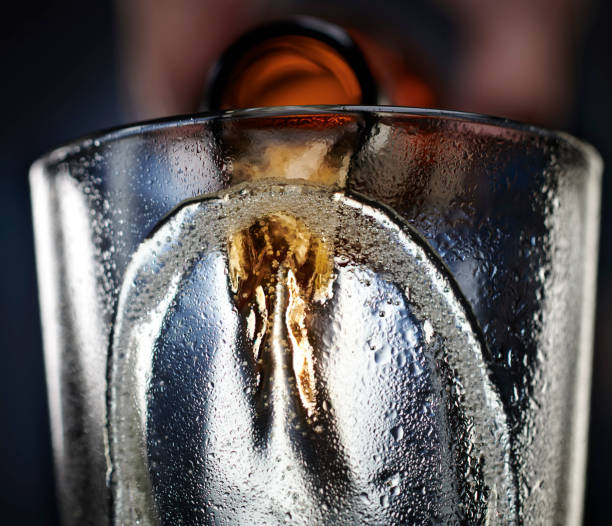
Beer Cup Filling From Bottom
Ever wonder how a beer cup fills from the bottom? You’re not alone—this clever technique is all about smooth, foam-free pours. In this article, we’ll break down exactly how bottom-filling beer dispensers work, why bars and festivals use them, and the science behind the seamless rise of your favorite brew. Whether you’re a curious drinker or considering the system for your venue, you’ll get clear, quick answers and practical insights—all in the next few moments.
How Bottom-Fill Beer Cups Work
What Is a Bottom-Fill Beer Cup
A bottom-fill beer cup is a specialized drinking vessel designed to fill from the base rather than the top, commonly used in stadiums, bars, and events for faster, cleaner service.
These cups connect to a pressurized dispensing system through a small valve or port at the bottom, allowing beer to flow upward directly into the cup. This design minimizes foam and spillage, enabling staff to serve large volumes quickly during peak times.
The cup typically features a sealed base that only opens when placed on a compatible filling station, preventing leaks. Ideal for draft beer, bottom-fill cups maintain consistent pour quality and temperature, enhancing customer satisfaction. They are often made from durable, BPA-free plastic to withstand repeated use and commercial cleaning.
Because the beer rises from the bottom, the carbonation is stabilized gradually, reducing turbulence. Bottom-fill systems are part of a larger trend toward efficient, high-throughput beverage service, especially where speed and consistency are critical.
The Science Behind Bottom-Up Dispensing
Bottom-up beer dispensing relies on controlled pressure and fluid dynamics to deliver a smooth, foam-free pour. When the cup is placed on the filling station, a pneumatic or mechanical pin opens the valve at the base, allowing pressurized beer to enter from the bottom.
As liquid rises, it displaces air evenly through the top, minimizing agitation that causes excessive foam. This method uses laminar flow principles, where beer moves in parallel layers, reducing turbulence. The system is often paired with pre-chilled lines and regulated CO2 pressure to maintain ideal serving conditions.
Because the beer doesn’t cascade down the sides, carbonation remains stable, preserving head quality once the cup is removed. This process also reduces oxidation and temperature fluctuation, keeping the beer fresher longer. Bottom-filling is especially effective for highly carbonated beers, which are more prone to foaming with traditional pours.
The science ensures consistent volume, texture, and temperature across every serving, making it ideal for high-demand environments.
Differences Between Top-Fill and Bottom-Fill Systems
The primary difference between top-fill and bottom-fill beer cup systems lies in pour method, speed, and foam control. Top-fill systems, the traditional approach, pour beer from above, causing it to cascade down the cup walls, which increases aeration and often leads to excessive foam—especially under pressure.
This method requires skilled pouring and more time per serving. In contrast, bottom-fill systems introduce beer at the base, allowing it to rise smoothly with minimal agitation, resulting in faster fills and less waste.
Bottom-fill cups also feature sealed, tamper-proof bases and require specialized equipment, while top-fill cups are universally compatible with standard taps. Bottom-filling excels in high-volume venues due to throughput efficiency and consistency, while top-fill remains common in casual or low-volume settings. Additionally, bottom-fill systems reduce spillage and over-pouring, improving cost control.
Ultimately, the choice depends on operational needs, but for speed, precision, and quality at scale, bottom-fill systems offer a superior solution.
Benefits of Bottom-Fill Beer Dispensing
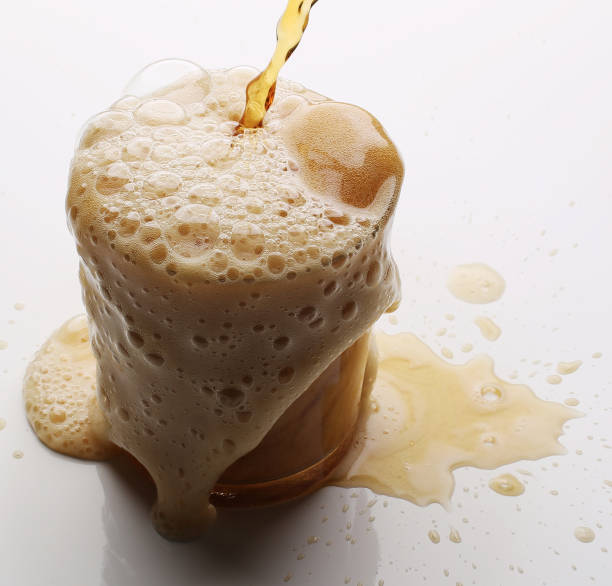
Reduced Foam and Spills
Bottom-fill beer dispensing significantly reduces foam and spills by introducing beer directly into the base of the cup, minimizing agitation. Traditional top-down pouring creates turbulence as the liquid hits the surface, leading to excessive froth and wasted product.
In contrast, bottom-filling systems use a sealed valve that fills the cup from underneath, allowing smooth, controlled flow that preserves the beer’s ideal head-to-liquid ratio. This method is especially effective in high-volume environments like stadiums or festivals, where speed and cleanliness are critical.
Operators experience fewer customer complaints about overflowing cups and inconsistent pours. Additionally, reduced foam means more accurate serving sizes and better inventory control. The sealed mechanism also limits exposure to airborne contaminants, enhancing hygiene.
By eliminating splashing and overflow, bottom-fill systems keep service areas cleaner, reduce waste, and improve overall customer satisfaction with a consistently well-poured beer every time.
Faster Pour Times
One of the standout advantages of bottom-fill beer dispensing is faster pour times, making it ideal for venues with high customer turnover. By filling the cup from the base, the system delivers beer in a continuous, uninterrupted stream, cutting dispensing time by up to 50% compared to traditional methods.
This efficiency allows bartenders and servers to serve more guests during peak hours without sacrificing accuracy or quality. The automated process requires minimal staff interaction—simply place the cup and activate the system. This reduces labor strain and helps maintain consistent service speed.
Faster pours also mean shorter lines and improved guest satisfaction, especially at crowded events. The streamlined design integrates seamlessly into existing draft systems, offering a scalable solution for bars, arenas, and concession stands.
By maximizing throughput and minimizing wait times, bottom-fill technology enhances operational efficiency while delivering a superior customer experience with every pour.
Improved Beer Quality and Carbonation Retention
Bottom-fill beer dispensing plays a crucial role in preserving beer quality and carbonation by limiting exposure to oxygen and reducing agitation during pouring. When beer is dispensed from the bottom, it rises gently without the turbulence caused by top pouring, which can strip away carbonation and alter flavor.
This method maintains the beer’s intended mouthfeel and aroma, delivering a fresher, more authentic taste. The sealed filling process also minimizes oxidation, a key factor in staling beer, ensuring each cup tastes as the brewer intended. Ideal for craft and premium beers, bottom-fill systems protect delicate flavor profiles and effervescence.
Customers receive a consistently high-quality product, enhancing brand reputation and repeat business. For operators, this means fewer returns or remakes due to flat or over-foamed beer. Ultimately, bottom-fill technology supports both sensory excellence and product integrity, making it a smart investment for quality-focused establishments.
Types of Bottom-Fill Beer Systems
Tower-Mounted Bottom-Fill Taps
Tower-mounted bottom-fill taps are ideal for bars and restaurants seeking efficient, high-volume service with minimal foam. These systems attach directly to draft towers and dispense beer from the bottom of the cup, reducing turbulence and preserving the ideal head-to-beer ratio.
By filling upward from the base, they minimize oxidation and maintain carbonation, crucial for delicate craft brews. Installation integrates with existing keg systems, making them a space-saving upgrade over traditional top-fill taps. Staff benefit from faster pours, allowing quicker service during peak hours.
Easy cleaning and low maintenance add to their appeal, with most models featuring removable parts for sanitation. Choose models with adjustable flow rates to accommodate various beer styles—from stouts to lagers. These taps work best with compatible cups that have a sealed base port.
For venues prioritizing speed, consistency, and beer quality, tower-mounted bottom-fill taps offer a professional-grade solution that enhances both customer satisfaction and operational efficiency.
Countertop Bottom-Fill Dispensers
Countertop bottom-fill dispensers provide a compact, user-friendly option for filling beer cups from the bottom in smaller venues or self-serve environments. These standalone units connect directly to kegs and use a base-mounted nozzle that activates when a cup is placed on the fill platform, ensuring consistent, foam-controlled pours.
Their design promotes portion control, reducing waste and improving cost management. Ideal for taprooms, brewpubs, or events, they support quick turnover and a modern customer experience. Many models feature digital displays and programmable settings for different beer types and serving sizes.
Cleaning is simplified with removable drip trays and accessible internal components. Their small footprint allows placement on crowded counters without sacrificing space. Operators can enhance sanitation with automatic rinse cycles.
For businesses wanting to elevate service speed and presentation, countertop bottom-fill dispensers deliver reliability and precision while maintaining the integrity of the beer’s flavor and texture with every pour.
Under-Counter Kegerator Systems with Bottom Fill
Under-counter kegerator systems with bottom-fill technology combine space efficiency with premium dispensing performance, perfect for home bars, small cafes, or boutique tasting rooms. These all-in-one units house kegs beneath the counter and connect to a bottom-fill tap mounted on the countertop or integrated into a dispensing tower.
The system fills cups from the base, limiting foam and preserving carbonation, which is especially beneficial for nitrogenated or high-CO₂ beers. Built-in refrigeration maintains consistent serving temperatures, enhancing flavor stability. Installation requires minimal plumbing and fits standard cabinet cutouts, making retrofitting easy.
Many models offer dual-tap options for serving multiple brews. The concealed design provides a clean, professional look while maximizing floor space. With quiet operation and energy-efficient cooling, these systems support long-term use.
For operators seeking a seamless blend of form and function, under-counter kegerators with bottom-fill capability deliver reliable, high-quality pours in a compact footprint.
How to Use a Bottom-Fill Beer Cup
Step-by-Step Pouring Instructions
To successfully use a bottom-fill beer cup, start by ensuring the cup is clean and properly assembled with the valve at the base. Position the cup upright on a flat surface beneath the dispensing nozzle. Align the valve directly with the nozzle so the connection is secure and airtight.
Activate the dispensing system—either manually or automatically—allowing beer to flow upward from the bottom. This method reduces foam by minimizing agitation. As the beer rises, watch the fill level through the transparent walls of the cup. Stop dispensing just before it reaches the top to prevent overflow.
Once filled, carefully lift the cup straight up to disengage from the nozzle. The bottom-fill design ensures a smooth, consistent pour with minimal bubbles, preserving the beer’s head and flavor. With practice, this technique becomes quick and efficient, ideal for high-volume service environments.
Common Mistakes to Avoid
One of the most frequent errors when using a bottom-fill beer cup is improper alignment between the valve and dispensing nozzle, which can cause leaks or incomplete fills. Always ensure the cup is centered and fully seated before starting the pour.
Another common issue is overfilling, which occurs when the dispensing system isn’t timed or monitored correctly—this leads to spills and wasted product. Users may also tilt or move the cup during filling, disrupting the upward flow and introducing unwanted foam.
Additionally, neglecting to inspect the valve for debris can block beer flow or damage the mechanism. Never force the cup onto the nozzle if it doesn’t fit smoothly, as this may compromise the seal or break internal components.
Lastly, using incompatible dispensers or incorrect pressure settings can ruin the pour quality. Avoiding these mistakes ensures optimal performance, better taste, and longer equipment life.
Cleaning and Maintenance Tips
Proper cleaning is essential for maintaining a bottom-fill beer cup’s performance and hygiene. After each use, disassemble the cup and valve system according to the manufacturer’s instructions to access all components. Rinse parts immediately with warm water to prevent residue buildup.
Use a non-abrasive brush and food-safe cleaner to scrub the interior, valve, and connection points, ensuring no beer stone or yeast remains. Sanitize all pieces before reassembling. Inspect the valve and seals regularly for wear, cracks, or stiffness, replacing them as needed to maintain a proper seal.
Never soak electronic or mechanical components unless specified. Store the cup upright and dry to prevent mold or odors. Routine maintenance not only ensures consistent pouring and flavor integrity but also extends the lifespan of the cup. A well-maintained system delivers reliable, high-quality results every time.
Best Beers to Serve in Bottom-Fill Cups
Ideal Beer Styles for Bottom Filling
Bottom-fill beer cups work best with carbonation-stable, medium-bodied beers that maintain their integrity during automated dispensing. Lagers, pilsners, and American pale ales are excellent choices because they have consistent carbonation levels and form a clean, controllable foam head when dispensed from the base.
The smooth flow dynamics of these styles prevent excessive turbulence, reducing spillage and ensuring a full cup with minimal waste. Additionally, their moderate alcohol content and balanced bitterness make them crowd-pleasers at festivals and bars using bottom-fill systems.
To optimize performance, use freshly cleaned lines and properly sealed cups to maintain flavor and draft quality. These beer styles also recover quickly after dispensing, preserving aroma and mouthfeel.
For venues aiming for high throughput and customer satisfaction, selecting these reliable, draft-friendly beers ensures efficient service and consistent taste with every pour.
Beers to Avoid with Bottom-Fill Systems
Avoid using highly carbonated, sour, or nitrogen-infused beers in bottom-fill cup systems due to their unstable pour characteristics. Belgian ales, wheat beers, and fruit sours often over-foam when filled from the bottom, leading to wasted product and messy spills.
The sudden pressure release in these styles causes rapid CO₂ expansion, making it difficult to control head formation. Similarly, stouts and porters served with nitrogen create thick, cascading foam that doesn’t settle quickly, resulting in underfilled cups.
Beers with high yeast content or sediment, like unfiltered Hefeweizens, can clog dispensing valves and disrupt flow consistency. These issues compromise both serving speed and product quality in high-volume settings. To maintain system reliability and customer satisfaction, reserve these delicate styles for traditional draft pours.
Sticking to stable, filtered beers ensures longer equipment life and fewer service interruptions, keeping your dispensing process smooth and efficient.
Temperature and Pressure Settings by Beer Type
Optimal temperature and CO₂ pressure settings are critical for successful bottom-fill dispensing across beer types. Most lagers and pilsners perform best at 36–38°F (2–3°C) with 10–12 psi of CO₂, ensuring smooth, foam-controlled fills.
Pale ales and amber lagers require similar conditions but benefit from a slightly lower pressure (9–11 psi) to prevent over-carbonation during rapid dispensing. For lower-carbonation styles like English bitters, reduce pressure to 6–8 psi and maintain the same temperature range to preserve their delicate balance.
Always pre-chill cups when possible to stabilize foam formation. Use digital regulators and inline coolers to maintain consistency, especially during peak service. Incorrect settings lead to gushing, flat beer, or excessive head, undermining the efficiency of bottom-fill systems.
Regularly calibrate equipment and adjust based on ambient temperature and elevation to ensure every pour meets quality standards.
Setting Up a Bottom-Fill Beer System at Home
Equipment You’ll Need
To set up a bottom-fill beer system at home, you’ll need a few essential components for smooth, spill-free dispensing. Start with a kegerator or converted refrigerator to house your kegs and maintain proper temperature.
You’ll need a bottom-fill faucet with a probe, which attaches to your draft tower and inserts into the cup from below. A CO2 tank and regulator are crucial for consistent pressure, typically set between 10–12 PSI for most lagers and ales.
Include beer line tubing, a sanitary keg coupler, and a dual-gauge regulator for monitoring tank and output pressure. Don’t forget cleaning supplies like line cleaning solution and a brush to maintain hygiene. For durability, choose stainless steel fittings and commercial-grade hoses.
Finally, ensure you have tall, compatible cups—usually 16–24 oz—designed to fit the fill mechanism. With these core components, your bottom-fill system will deliver clean, foam-controlled pours every time.
Installation Guide for DIY Enthusiasts
Begin by modifying your kegerator to accommodate the bottom-fill faucet, typically mounted through the front or side panel. Install the draft tower with integrated probe so it aligns with cup placement. Run beer lines from the keg coupler to the faucet, ensuring minimal bends to reduce resistance.
Connect the CO2 tank to the regulator, then attach the gas line to the keg’s inlet. Test for leaks using soapy water on all connections—bubbles indicate a leak needing tightening. Calibrate the regulator to 10–12 PSI depending on beer type and serving temperature.
Position a cup support tray beneath the faucet to stabilize vessels during filling. Use food-grade silicone seals where the probe meets the cup to prevent spills. Perform a test pour with water first to fine-tune flow rate and alignment. Once operational, flush lines with beer and clean monthly.
This DIY setup gives precise control and a pro-style experience at home.
Cost Comparison: Home vs Commercial Systems
A home bottom-fill system typically costs $400–$800, including a kegerator, CO2 setup, faucet, and accessories. You can save by repurposing a fridge and sourcing parts secondhand. In contrast, commercial systems range from $2,000–$5,000+, featuring stainless steel bodies, multi-tap capabilities, and heavy-duty cooling.
Commercial units also require professional installation and plumbing modifications. While home versions offer 90% of the functionality at a fraction of the price, they may lack durability under constant use. However, for personal enjoyment or small gatherings, the home setup is highly cost-effective.
Factor in ongoing costs like CO2 refills ($15–$25 per exchange) and keg deposits ($30–$100). Commercial systems justify their price with speed, reliability, and compliance for public service. For most enthusiasts, a well-built home system delivers excellent value without overspending on unnecessary features.
Commercial Uses of Bottom-Fill Beer Technology
Why Bars and Stadiums Use Bottom-Fill Systems
Bars and stadiums are increasingly adopting bottom-fill beer technology to streamline service and reduce waste. This system works by inserting a nozzle into the base of a cup, allowing beer to rise from the bottom, which minimizes foam overflow and ensures a consistent pour every time.
Unlike traditional top-down methods, bottom-filling prevents excessive head formation, especially important when serving large volumes quickly. The sealed connection between the nozzle and cup also improves hygiene by reducing exposure to airborne contaminants. For high-traffic venues, this method supports compliance with health standards while maintaining speed.
Additionally, bottom-fill systems are often integrated into automated dispensers, enabling staff to serve more customers with less training. The technology’s reliability and precision make it ideal for environments where consistency, speed, and sanitation are critical. By investing in bottom-fill systems, venues enhance operational control and deliver better product quality.
Increasing Efficiency During Peak Hours
During busy periods, speed and accuracy are essential, and bottom-fill beer technology delivers both. By filling cups from the base, these systems cut pouring time by up to 50% compared to traditional methods, allowing servers and bartenders to keep up with demand.
The automated nature of bottom-fill dispensers means staff can initiate multiple pours simultaneously with minimal effort, reducing labor strain and bottlenecks at taps. Since the system controls flow rate and volume precisely, it eliminates over-pouring and spillage, leading to significant cost savings on beer inventory.
Venues can also standardize serving sizes, ensuring fair distribution and accurate pricing. This consistency improves inventory tracking and reduces losses. With faster turnaround between orders, lines move quicker, and service remains steady even during concerts, games, or happy hour rushes.
Bottom-fill systems thus act as a force multiplier for staff, enabling them to focus on customer engagement rather than repetitive pouring tasks.
Customer Experience and Speed of Service
Bottom-fill beer technology directly enhances the customer experience by delivering cold, properly poured beer in record time. Patrons at bars or events expect quick service without sacrificing quality, and bottom-filling meets both demands.
The system produces a smooth, foam-controlled pour that looks professional and tastes better, as the beer maintains its ideal carbonation and temperature. Customers no longer wait in long lines for a fresh beer, leading to higher satisfaction and increased sales.
Faster service also encourages repeat purchases, especially in stadiums or festivals where time between events is limited. Additionally, the clean, modern design of bottom-fill dispensers adds a premium feel to the venue, reinforcing a sense of innovation and attention to detail.
By reducing wait times and improving drink quality, this technology helps build customer loyalty. Ultimately, speed, consistency, and quality converge to create a superior drinking experience that keeps patrons coming back.
Frequently Asked Questions
What is bottom-up beer cup filling?
Bottom-up beer cup filling is a method where beer is dispensed into a cup from the bottom through a valve or tap system, minimizing foam and preserving carbonation. This technique is often used in self-serve beer walls or automated dispensing systems.
How does bottom-up beer dispensing reduce foam?
By filling the cup from the bottom, the beer flows upward gently, reducing turbulence and contact with air. This controlled flow helps maintain the ideal foam balance and prevents overfoaming.
Where is bottom-up beer filling commonly used?
This method is frequently found in modern bars, breweries, and beer festivals with self-serve tap walls. It allows customers to pour their own beer with consistent quality and minimal waste.
Can I install a bottom-fill system at home?
Yes, homebrewers and enthusiasts can install bottom-fill taps using draft beer conversion kits. These require a pressurized keg system and a specialized valve to enable upward dispensing into the cup.
Does bottom-up filling affect beer flavor?
Bottom-up filling helps preserve the beer’s flavor by maintaining proper carbonation and reducing oxidation. The result is a fresher-tasting pour that closely matches the brewer’s intended profile.
What types of cups work best with bottom-up filling?
Cups with a flat, sealed base designed for use with dispensing valves work best. Many systems use proprietary cups to ensure proper alignment and leak-free filling.
Conclusion
Bottom-up beer cup filling ensures a smoother pour with less foam, preserving the drink’s flavor and carbonation. This innovative method enhances the drinking experience by minimizing oxidation and maintaining optimal temperature. Ideal for both casual drinkers and beer enthusiasts, it showcases how small changes in serving techniques can make a big difference. Try it at your next gathering and enjoy a perfectly poured beer every time.