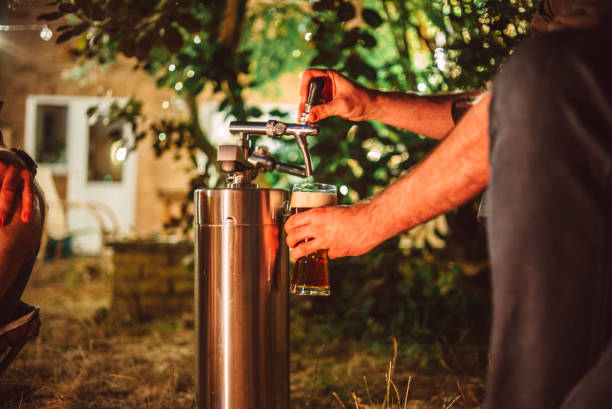
At Home Keg Tap
Want to bring the taproom experience straight to your living room? Whether you’re hosting a party or just love cold beer on tap, setting up your own keg system is simpler than you think. From portable taps to full kegerators, we’ll walk you through the best options, setup tips, and how to keep your beer tasting perfect every pour.
What Is an At Home Keg Tap?
How a Keg Tap Works
An at home keg tap is a device that allows you to dispense beer from a keg in a controlled, clean manner. It connects directly to the keg and uses either CO2 pressure or manual force to push the beer through a tap and into your glass.
Most systems include a coupler that attaches to the keg valve, a beer line, and a tap handle or faucet. When the handle is pulled, beer flows out due to pressurized gas displacing the liquid.
CO2 tanks are commonly used for consistent pressure, but hand-pump systems (like picnic taps) use ambient air and are ideal for short-term use. Proper sealing is crucial to prevent oxidation and maintain carbonation.
These taps are designed for ease of use and minimal waste, making them perfect for home parties or frequent beer drinkers. Regular cleaning of lines and couplers ensures every pour tastes fresh and prevents bacterial buildup.
Types of Keg Taps for Home Use
Several keg tap systems are ideal for home use, each suited to different needs. CO2 keg dispensers are the most popular, offering bar-quality pours using a regulated gas system. These are perfect for long-term keg storage and require a CO2 tank, regulator, and kegerator.
Manual beer pumps, like picnic taps, use hand-powered air pressure and are great for one-time events—no extra equipment needed. Counter-pressure fillers are advanced options that let you tap and refill growlers or bottles without losing carbonation.
Kegerators combine refrigeration and tapping systems, ideal for dedicated beer lovers who want a built-in tap at home. Each type varies in cost, complexity, and maintenance, so choose based on frequency of use and space.
Most home users prefer CO2 systems for consistent results, while picnic taps are best for portability and simplicity.
Common Keg Sizes and Compatibility
Understanding keg sizes ensures your tap system works efficiently. The half-barrel (15.5 gallons) is standard for parties but bulky for home use. More practical are the quarter-barrel (7.75 gallons) and sixth-barrel (5.2 gallons), which fit most home kegerators.
European-style kegs, like the 50L, require different couplers—ensure coupler compatibility with your keg type (e.g., American Sankey vs. European). Mini-kegs (1.3 gallons) are great for sampling and work with simple hand pumps. Check the coupler type before purchasing, as mismatched kegs won’t dispense properly. Most domestic beers in the U.S.
use the D-system Sankey coupler, while imports may need S or G systems. Choosing the right size and compatible tap ensures maximum beer enjoyment with minimal waste and hassle. Always verify keg dimensions match your storage space.
Benefits of Setting Up a Keg Tap at Home
Cost Savings Over Time
Setting up a keg tap at home offers significant cost savings over time compared to buying bottled or canned beer. While the initial investment in a keg system may seem high, the long-term savings are substantial—kegs contain more beer per dollar than retail packaged options.
A standard half-barrel keg holds 15.5 gallons, which equals about 165 12-ounce servings, often costing less per serving than craft beer from a store or bar. With a home keg tap, you eliminate the markup associated with restaurants and bars. Plus, reusable kegs and CO2 tanks reduce ongoing expenses.
Buying in bulk during sales or directly from breweries can further stretch your budget. Over months of regular use, these savings add up, especially for frequent entertainers or beer lovers.
By managing your own dispensing system, you also avoid service charges and tipping, making it a smart financial decision for anyone who enjoys quality beer regularly at home.
Fresher Beer with Every Pour
One of the standout advantages of an at-home keg tap is consistently fresher beer with every pour. Kegs are sealed and pressurized, which protects the beer from oxidation and contamination—two major causes of stale flavor.
When you tap a keg, the beer remains in a controlled environment until it reaches your glass, preserving its intended aroma, taste, and carbonation.
Unlike bottled or canned beer that may sit on shelves for weeks or months, kegged beer is often consumed closer to its production date, especially if sourced directly from local breweries. With proper temperature and pressure settings, your home keg system delivers bar-quality freshness, enhancing your tasting experience.
Additionally, draft beer pours smoother and with better head retention, elevating the presentation. For beer enthusiasts who value quality, a home keg tap ensures maximum flavor integrity from the first sip to the last.
Customization and Variety Options
An at-home keg tap system provides unmatched customization and variety, letting you tailor your beer selection to your taste and occasions. You can rotate between different styles—IPAs, stouts, lagers, sours, and seasonals—by switching kegs, allowing for endless exploration without cluttering your fridge with partial six-packs.
Dual-tap or multi-tap systems let you serve multiple beers simultaneously, perfect for entertaining guests with diverse preferences. You can even experiment with nitro taps for creamy textures or cold plates for optimal serving temperatures.
Many home users enjoy sourcing rare or limited-release brews directly from craft breweries, giving access to exclusive beers not available in stores. Custom tap handles and temperature controls add a personal touch, making your keg system a centerpiece of your home bar.
With the ability to control freshness, flow, and flavor, your keg tap becomes a versatile hub for beer enjoyment.
How to Choose the Right Keg Tap System

CO2 vs. Manual Pump Systems
When choosing an at home keg tap, deciding between CO2 systems and manual pump systems is crucial. CO2-powered keg taps use a carbon dioxide tank to pressurize the keg, delivering smooth, consistent pours similar to a bar setup.
They’re ideal for frequent use and maintaining carbonation over time, but require more setup and storage space for the tank and regulator. In contrast, manual pump systems—like hand-pump or party pumps—are affordable, portable, and require no gas.
They work by injecting air into the keg to push beer out, making them great for short-term use or occasional entertaining. However, air exposure degrades beer quality within 12–24 hours, so they’re best for finishing a keg quickly. For long-term freshness and draft-quality performance, CO2 systems are superior.
But if you want a simple, low-cost option for weekend use, a manual pump offers convenience without the complexity.
Portable vs. Built-In Taps
Another key decision for your at home keg tap is choosing between portable and built-in systems. Portable taps are compact, easy to set up, and perfect for renters or those with limited space.
Many run on CO2 cartridges or manual pumps, making them ideal for patios, garages, or moving between locations. They’re generally more affordable and require no permanent installation. On the other hand, built-in keg taps are integrated into a bar, fridge, or kegerator for a permanent draft setup.
These offer a polished look, consistent cooling, and better long-term performance, especially when paired with a dedicated refrigerator. Built-in systems often support larger CO2 tanks and multiple kegs, making them suitable for serious enthusiasts. While the upfront cost is higher, the convenience and aesthetics pay off over time.
Consider your space, usage frequency, and commitment level—portable for flexibility, built-in for permanence and performance.
Key Features to Look For
To ensure your at home keg tap delivers quality and convenience, focus on essential features. First, check compatibility—ensure the tap works with standard 1/6 barrel (pony) or full-size 1/2 barrel kegs and popular couplers like Sankey D-system for domestic beers.
Temperature control is vital: pair your tap with a cooling sleeve or refrigerated unit to keep beer at ideal serving temps. Durable materials like stainless steel faucets and food-grade hoses prevent contamination and extend lifespan. Look for easy-cleaning components to maintain hygiene.
For CO2 systems, a regulator with a pressure gauge allows precise control, preventing over-carbonation. Noise level and footprint matter for home use—choose a quiet, compact design. Finally, consider quick-disconnect fittings for easy keg changes and minimal spillage.
Prioritizing these features ensures reliable performance, great-tasting beer, and long-term satisfaction with your home draft system.
Step-by-Step Guide to Installing a Keg Tap at Home
Unboxing and Assembling Your Tap
Begin by carefully unboxing your keg tap system and verifying all components are present, typically including the tap tower, faucet, mounting hardware, beer line, coupler, and either a CO2 tank or hand pump.
Lay out the parts on a clean, dry surface and identify the instruction manual specific to your model. For countertop or kegerator setups, secure the tap tower using the provided gasket and nut, ensuring a tight, leak-free fit.
Attach the beer line to the coupler, making sure it’s cut cleanly and fits snugly over the barb, then clamp or use a push-to-connect fitting as directed. If using a hand pump system, connect the pump arm to the coupler and ensure the check valves are properly seated.
Inspect all connections for cracks or wear, and wipe down parts with a food-safe sanitizer before assembly to prevent contamination. Proper assembly now ensures smooth operation and fresh-tasting beer later.
Connecting the CO2 Tank or Pump
If your system uses CO2, attach the regulator securely to the top of the CO2 tank, ensuring the safety pin is disengaged and the tank valve is closed. Use a wrench to tighten the polarized nut and connect the gas line from the regulator to the keg’s inlet post.
Set the regulator to the recommended pressure, typically 10–12 PSI for most ales and lagers, to avoid over-carbonation or excessive foaming. For hand pump (party pump) systems, no CO2 is needed—simply ensure the pump’s piston and seals are lubricated per manufacturer instructions.
Open the CO2 tank slowly and check all gas line connections with soapy water to detect bubbles indicating leaks. Tighten fittings as needed. Proper gas pressure maintains consistent pour quality and prevents flat or foamy beer, so regular monitoring of tank levels and pressure settings is essential for long-term performance.
Attaching the Keg and Testing the System
Start by cooling the keg for at least 24 hours in your refrigerator or kegerator to ensure optimal dispensing temperature, ideally between 38–42°F (3–6°C).
Once chilled, clean the keg’s valve posts with a food-safe wipe, then align the coupler with the valve and push down firmly until it locks into place—listen for the click. For CO2 systems, open the regulator valve gradually to pressurize the keg.
Pull the tap handle slowly and dispense a small test pour into a glass, checking for excessive foam or sputtering. Adjust CO2 pressure if needed. With hand pumps, prime the system by pumping steadily until beer flows smoothly.
Inspect all connections for leaks and ensure the beer flows with a consistent, creamy pour. If issues persist, reseat the coupler or check line kinks. Once stable, enjoy fresh draft beer on demand.
Best Practices for Maintaining Your Keg Tap
Cleaning the Tap After Each Use
Thoroughly cleaning the tap after each use is essential to prevent bacterial growth and maintain beer flavor. Residual beer left in the lines can spoil and create off-flavors in future pours.
After dispensing, flush the system with warm water to remove leftover beer, then use a food-safe cleaning solution specifically designed for draft systems. Disconnect the coupler and soak all removable parts—such as the faucet and probe—in the solution for at least 15 minutes.
Use a small brush to scrub internal components gently, ensuring all buildup is removed. Rinse all parts thoroughly with clean water to eliminate any cleaning residue. Reassemble the tap only when completely dry to avoid introducing moisture that could promote mold.
Performing this routine after every keg change keeps your system hygienic and ensures every pour tastes fresh. Regular cleaning also extends the lifespan of your equipment and reduces the need for deep maintenance.
Checking for Leaks and Pressure Issues
Regularly inspecting for leaks and pressure issues ensures your keg tap operates efficiently and minimizes beer waste. Begin by examining all connections—between the CO2 tank, regulator, beer lines, and keg coupler—for signs of moisture or hissing sounds. Even small leaks can lead to loss of carbonation and flat beer.
Use a soapy water solution on joints; bubbles indicate a leak that needs tightening or seal replacement. Monitor the regulator gauge to confirm it maintains the recommended PSI for your beer type—typically 10–12 PSI for most ales and lagers.
Fluctuating or dropping pressure may signal a CO2 tank leak or empty tank. Address issues immediately to prevent over-pouring or under-dispensing. Performing weekly checks keeps your system reliable, ensures consistent pour quality, and avoids costly gas or beer loss over time.
Storing Kegs and Equipment Properly
Proper storage of kegs and equipment preserves beer quality and protects your investment. Store kegs upright in a consistently cool environment (ideally 38–45°F) to maintain freshness and carbonation. Avoid temperature fluctuations, which can cause foaming and spoilage.
Once a keg is empty, purge the lines with CO2 before disconnecting to prevent oxidation. For long-term storage, clean and disassemble the tap system, drying all components thoroughly before storing them in a sealed container.
Keep the CO2 tank upright and in a well-ventilated area, with the valve closed to prevent leaks. Store beer lines coiled loosely to avoid kinks or cracks. Labeling parts can simplify reassembly.
Taking these steps ensures your at-home keg tap remains in top condition between uses and delivers optimal performance every time you serve.
Troubleshooting Common Keg Tap Problems
Fixing Flat or Foamy Beer
Flat or foamy beer from your at-home keg tap is usually due to incorrect temperature or pressure settings. Beer should be stored and served between 36–40°F; if it’s too warm, CO2 escapes quickly, causing flatness, while over-pressurization leads to excessive foam.
Check your regulator to ensure it’s set to the recommended 10–12 PSI for most ales and lagers. If foam persists, verify the beer line length and diameter—too short or narrow lines restrict flow and increase turbulence.
Also, ensure the keg has been properly seated and the coupler is fully engaged to prevent CO2 from bypassing the beer. Purge air from the lines before dispensing, as trapped air can spoil carbonation. If the issue continues, consider replacing old or damaged tubing, which can absorb flavors and gases.
Clean your tap system regularly to prevent clogs and maintain consistent pour quality. With proper setup and maintenance, you’ll enjoy fresh, well-poured beer every time.
Dealing with Gas Leaks
Gas leaks in your home keg system waste CO2, reduce dispensing efficiency, and can pose safety risks. The first step is turning off the CO2 tank and checking all connections—from the tank to regulator, regulator to gas line, and gas line to keg.
Use a soapy water solution to test for bubbles at each joint, which indicate leaks. Tighten connections with a wrench if needed, but avoid over-tightening, which can damage fittings. Inspect O-rings and washers regularly; dried or cracked seals are common leak sources and should be replaced promptly.
Ensure your regulator is compatible with your CO2 tank and that the tank itself isn’t damaged. If the leak persists after checking connections, replace suspect hoses or fittings. Store your CO2 tank upright in a cool, ventilated area to prevent pressure fluctuations.
Routine inspection and maintenance will keep your system airtight and your beer properly carbonated.
Keg Not Dispensing: What to Check
If your keg isn’t dispensing beer, start by verifying CO2 supply and pressure—ensure the tank is open and the regulator is set to 10–12 PSI. No pressure means no beer flow. Next, check the coupler connection; it must be fully locked onto the keg valve to open the internal diaphragm.
A loose or misaligned coupler prevents dispensing. Inspect the beer line for kinks or clogs, especially where it connects to the tap or keg. Disconnect and flush the line if needed. Also, confirm the keg has beer—a common oversight.
If the keg feels full but still won’t dispense, the issue may be a faulty coupler or keg valve. Tap the keg gently to dislodge any internal blockages. Finally, ensure the tap handle is functioning properly—a broken faucet or worn gasket can stop flow.
Addressing these key components systematically will usually restore beer flow quickly.
Top Accessories to Enhance Your Home Keg Setup
Cold Plates and Kegerator Conversions
Enhance your at home keg tap system by integrating cold plates or converting a standard refrigerator into a kegerator. Cold plates are compact cooling units that attach directly to kegs, maintaining consistent beer temperature without requiring a full refrigeration unit. They’re ideal for small spaces or temporary setups.
For a more permanent solution, a kegerator conversion transforms a spare fridge into a draft beer dispenser using a conversion kit that includes a tower, faucet, and CO2 system. This setup ensures optimal lagering temperatures and allows you to serve multiple kegs simultaneously.
Insulated jackets can further stabilize temperatures during dispensing. These upgrades not only improve beer quality but also extend keg life by minimizing temperature fluctuations. With proper installation, you’ll enjoy bar-quality pours right from your kitchen or garage, making your home keg system as efficient as it is enjoyable.
Digital Temperature Controllers
A digital temperature controller is essential for maintaining precise beer storage conditions in any at home keg tap setup. These devices allow you to set and monitor exact internal temperatures, ensuring your keg stays within the ideal range for your beer style—typically 36–38°F for lagers and 38–42°F for ales.
Unlike basic thermostats, digital controllers offer accurate feedback via external probes and often include features like high/low alarms and remote monitoring. Pairing one with a converted fridge or kegerator turns an inconsistent appliance into a precision fermentation and dispensing chamber.
This level of control prevents over-carbonation or flat beer due to temperature swings. For enthusiasts serious about brew quality and consistency, a digital controller is a must-have upgrade that enhances both flavor and system reliability, making every pour as perfect as the first.
Tap Handles and Pour Lights
Elevate the look and functionality of your at home keg tap with stylish tap handles and LED pour lights. Tap handles aren’t just decorative—they improve ergonomics and grip when dispensing beer, making taps easier to operate.
Choose from custom designs, branded handles, or illuminated options that add personality to your setup. Pair them with under-tap LED lights that activate when you pull the handle, illuminating the glass and creating a bar-quality ambiance. These lights help you monitor foam levels and pour accuracy, especially in dim rooms.
Many models are battery-powered or USB-rechargeable for easy installation. Beyond aesthetics, these accessories enhance the user experience and presentation, turning your keg system into a conversation piece.
Whether you’re hosting guests or enjoying a solo pour, tap handles and pour lights combine practicality with flair, making every beer service feel professional and polished.
Frequently Asked Questions
What is an at-home keg tap?
An at-home keg tap is a system that allows you to dispense beer from a keg in your home, typically using a CO2 tank to pressurize the keg and push the beer through a tap. These systems are popular for parties, home bars, or draft beer enthusiasts who want fresh beer on tap.
How do I set up a keg tap at home?
To set up a keg tap, connect the CO2 tank to the keg using a regulator and gas line, then attach the beer line from the keg’s out valve to the tap. Make sure all connections are tight, open the CO2 tank slowly, and adjust the pressure to maintain proper flow and carbonation.
Can I use a keg tap without a CO2 tank?
Yes, you can use a hand pump or picnic tap that doesn’t require CO2, but it introduces oxygen into the keg, which can spoil the beer within a few days. For longer-term storage and fresher beer, a CO2-powered system is recommended.
How long does a keg last once tapped at home?
With a CO2 system, a properly stored keg can stay fresh for several weeks. If using a manual pump, the beer typically lasts only 12–24 hours before oxidizing and losing quality.
What size kegs can I use with a home keg tap?
Common keg sizes include full, half, quarter (pony), and sixth barrels, all of which work with standard home tap systems. Ensure your keg coupler matches the keg type, such as a Sankey coupler for most domestic beers.
Do I need to refrigerate the keg?
Yes, most beer kegs must be kept cold to maintain freshness and proper dispensing. You can store the keg in a refrigerator, kegerator, or a cooler with ice, depending on your setup.
How do I clean my home keg tap system?
After each keg, disconnect the lines and flush them with a cleaning solution like PBW or Star San. Clean the tap, coupler, and lines thoroughly to prevent mold, bacteria, and flavor contamination in future kegs.
Conclusion
A home keg tap offers convenience, freshness, and cost savings for beer lovers. Choose the right system for your needs, keep it clean, and store kegs properly for the best experience. Start tapping into better beer today—your perfect pour is just a handle pull away.
