
At Home Guinness Tap
Dreaming of pouring the perfect pint of Guinness without leaving your house? You’re not alone—and yes, you can have a genuine Guinness tap experience right in your kitchen or man cave. With the right setup, from the iconic Guinness Draught Beer Dispenser to proper keg handling, that rich, creamy head and smooth taste is totally within reach. This guide walks you through exactly how to get your at home Guinness tap running smoothly, safely, and authentically—so you can enjoy pub-quality pints whenever you like.
What Is an At Home Guinness Tap?
How a Guinness Tap Works
An at home Guinness tap replicates the distinctive pouring experience of a traditional pub by using a specialized system that controls pressure and flow. Guinness is unique because it’s infused with a mix of nitrogen and carbon dioxide, which creates its smooth, creamy texture and tight bubbles.
A home tap system uses a nitrogen-CO₂ blend (often 75% nitrogen, 25% CO₂) to pressurize the keg, forcing the beer through a restrictor plate in the faucet. This plate agitates the beer, creating the iconic slow-rising cascade effect as it pours.
The tap itself is typically a long, narrow draft arm with a precision nozzle to maintain proper flow rate. To use, simply open the tap handle and allow the beer to pour at a 45-degree angle, filling the glass about two-thirds full, then letting it settle before topping off.
Consistent pressure and proper chilling (around 38°F) are critical for authentic results, ensuring the rich mouthfeel and signature white head that Guinness lovers expect.
Differences Between Home and Pub Taps
While both home and pub Guinness taps aim to deliver the same creamy, nitrogenated pour, there are key differences in scale, setup, and performance. Commercial pub systems use large, centralized keg coolers and high-capacity nitrogen regulators, often serving multiple beers simultaneously with dedicated lines and faucets.
These systems maintain extremely stable pressure and temperature, essential for consistent quality across high volumes. In contrast, home Guinness taps are compact, often countertop or mini-fridge based, using smaller CO₂/nitrogen tanks and simpler regulators.
The draft arms may be shorter, and temperature control can be less precise, affecting pour quality if not monitored. However, modern home systems now include advanced temperature stabilization and pressure gauges to closely mimic pub conditions.
Another major difference is maintenance—pubs clean lines daily, while home users should clean every 2–4 weeks to prevent flavor contamination. Despite differences, a well-maintained home tap can deliver a near-identical taste and texture to the pub experience.
Types of Home Guinness Dispensing Systems
Several types of home Guinness dispensing systems let enthusiasts enjoy pub-quality pours, each with unique benefits. The most common is the countertop nitrogen kegerator, a compact fridge with a built-in tap, designed specifically for 5-liter Guinness kegs.
These systems use a nitrogen/CO₂ mix cylinder and a specialized stout faucet to replicate the cascading pour. Another option is the portable Guinness Mini Keg system, which includes a small pressurized keg and a hand-pump tap—ideal for occasional use and easy storage.
For more serious home brewers, conversion kits allow standard refrigerators to become kegerators, supporting larger kegs and multiple taps. Some advanced models feature digital temperature control, dual pressure regulators, and sleek stainless steel taps for a professional look.
Whichever system you choose, ensure it supports nitrogen infusion and proper chilling to maintain authenticity. All systems require periodic cleaning and proper gas pressure (typically 30 PSI) to deliver the rich, velvety pour Guinness is known for.
How to Set Up a Guinness Tap at Home

Step-by-Step Installation Guide
Setting up a Guinness tap at home begins with selecting the right draft system, ideally a dual-gas (CO2 and nitrogen) kegerator designed for stouts. Start by placing the kegerator in a cool, stable location with easy access to power and enough space for the keg and tap.
Install the sanitized beer line and gas lines according to the manufacturer’s instructions, ensuring all connections are airtight. Mount the Guinness-specific faucet with a restrictor plate to achieve the iconic cascading pour. Connect the sanke coupler to the Guinness keg, turning it clockwise until snug.
Proper line length and diameter are crucial—typically 3/16-inch internal diameter lines about 8 feet long—to maintain correct pressure and flow. Finally, plug in the refrigeration unit and allow the keg to chill for at least 24 hours before dispensing. This ensures optimal temperature and taste consistency.
Connecting the CO2 and Nitrogen System
Guinness requires a blend of 75% nitrogen and 25% CO2 to achieve its creamy texture and signature slow pour. Begin by securing the mixed gas cylinder to your kegerator frame and attaching the dual-gauge regulator.
Connect the outlet hose from the regulator to the keg’s gas inlet using a gas disconnect. Set the regulator pressure to 30 psi, the ideal level for nitrogenated stouts. Ensure all fittings are tight and leak-free by applying soapy water to connections and checking for bubbles.
Use dedicated nitrogen-rated hoses and fittings, as standard CO2 lines may degrade under nitrogen pressure. The nitrogen-rich blend pushes the beer through the specially designed restrictor plate in the faucet, creating tiny bubbles and the classic Guinness head.
Maintaining proper gas balance prevents over-carbonation or flat pours, ensuring every pint meets pub-quality standards right from your home setup.
Testing Your Tap for Proper Pour
After installation and chilling, test your Guinness tap to ensure it delivers the iconic two-part pour. Start by running a small amount of beer to flush any air from the line. Pour a glass at a 45-degree angle, filling it two-thirds full, then let it settle for about 90 seconds.
The creamy surge and cascade effect should be visible as nitrogen bubbles rise. Top off the glass straight up to create a perfect 1/2-inch creamy head. Inspect the flow rate—it should take 110 to 120 seconds to pour a full pint.
If the pour is too fast or too slow, adjust gas pressure slightly or check for kinks in the beer line. Always clean the faucet and lines regularly to prevent clogs and off-flavors.
A successful test pour means your home Guinness tap is ready to serve authentic, bar-quality pints whenever desired.
Best Home Guinness Tap Systems Available
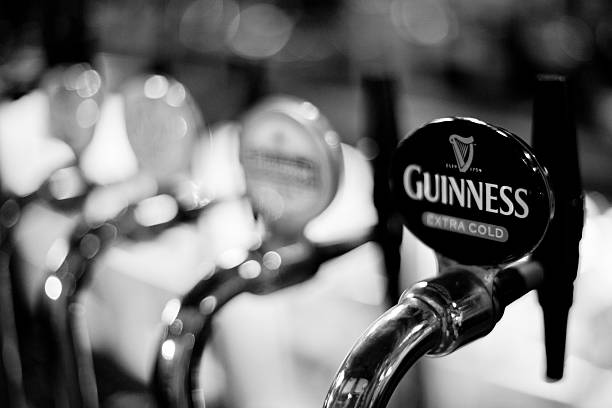
Guinness Mini Keg System Review
The Guinness Mini Keg System is an ideal starter option for those seeking authentic draught Guinness at home without a full-scale tap setup.
Each mini keg holds 1.32 gallons (5 liters), enough for about 14 pints, and uses a nitrogen/CO₂ blend to replicate the smooth cascade effect Guinness is known for.
The system is easy to assemble, requiring no electricity or complex plumbing—simply connect the keg to the hand pump, prime it, and pour. No extra cooling is needed if the keg is pre-chilled, but maintaining a temperature of 42–48°F ensures optimal results.
While it doesn’t offer endless pours like a permanent tap, the mini keg is perfect for small gatherings or trying Guinness on tap without a long-term investment. Replacement kegs are widely available online and in select stores, making restocking simple.
It’s a cost-effective, space-saving solution that delivers the creamy head and rich flavor Guinness fans love.
DraughtMate Home Dispenser Features
The DraughtMate Home Dispenser is a premium choice for enjoying authentic Guinness at home with consistent quality and ease of use. Designed specifically for Guinness, this countertop system uses nitrogen-pressurized kegs to deliver the signature smooth pour and creamy head.
The unit is compact and fully self-contained, requiring no external gas lines or refrigeration beyond a standard kitchen fridge to pre-chill kegs. Each 2.25-pint keg lasts for about 10 servings, and the system’s quick-connect tap ensures mess-free setup and operation.
The hand-pump mechanism mimics the pub experience, allowing users to control the pour speed and achieve the perfect cascade. Ideal for enthusiasts who value authenticity, the DraughtMate delivers bar-quality results with minimal maintenance. It’s also easy to clean and store, making it a practical long-term solution.
While kegs are proprietary and must be ordered separately, the consistent taste and ease of use make it a top contender for home Guinness lovers.
Alternative Home Tap Options
For those seeking more versatility, alternative home tap systems like the BeerTender or DIY kegerator setups offer expanded options beyond Guinness-specific models. The Heineken BeerTender, while designed for lagers, can be adapted for nitrogenated stouts with the right keg and gas blend.
More advanced users may prefer a custom kegerator with a dual-gas regulator, allowing precise control over nitrogen and CO₂ levels for perfect Guinness pours. These systems support larger kegs (5–10 gallons), reducing refill frequency and cost per pint.
Pairing a commercial-grade tap tower and stout faucet ensures the proper flow and turbulence for the iconic cascade. While more complex to install, these setups offer greater flexibility, supporting multiple beer types. They also integrate well into home bars or entertainment spaces.
For serious home brewers or beer aficionados, investing in a multi-keg nitrogen system provides the ultimate in convenience and authenticity, making it possible to serve fresh, pub-quality Guinness on demand.
Maintaining Your Home Guinness Tap
Cleaning the Tap Line and Faucet
Regular cleaning of the tap line and faucet is essential to maintain the rich, smooth taste of your at-home Guinness. Over time, beer residue and microorganisms can build up in the lines, leading to off-flavors and poor pour quality.
Clean the system every 2-4 weeks if used frequently, or after each keg change. Use a food-grade beer line cleaning solution and follow the manufacturer’s instructions. Disconnect the keg, attach the cleaning kit, and circulate the solution through the lines for at least 15 minutes.
Then flush thoroughly with cold water to remove any cleaning residue. Disassemble the faucet and soak all parts in the solution, scrubbing gently with a brush. Rinse completely before reassembling. Never use soap or abrasive tools, as they can damage components or leave harmful residues.
A clean system ensures every pint poured is as fresh and authentic as in your favorite pub.
Checking Gas Levels and Pressure
Maintaining correct gas pressure is crucial for the perfect pour from your home Guinness tap. The system uses a 75% nitrogen and 25% CO2 gas blend to replicate the iconic creamy texture.
Check the regulator gauge regularly to ensure pressure is set between 28–30 psi—too low and the beer will pour flat; too high and it may foam excessively. Inspect the gas cylinder level monthly; refill when it reaches 20% to avoid pressure drops.
Ensure all connections are tight and listen for hissing sounds indicating leaks. Use a soapy water solution on fittings to detect bubbles that signal leaks. Adjust pressure only when the system is pressurized and the keg is connected.
Consistent pressure preserves carbonation and nitrogenation, ensuring each pour has the smooth, velvety cascade Guinness is known for. Proper gas management extends keg life and prevents waste.
Replacing Kegs and Seals
When switching kegs on your home Guinness system, replace the spear seal and ensure proper installation to maintain freshness and pressure. Begin by releasing system pressure and disconnecting the gas line. Remove the empty keg and inspect the sanke coupler for debris or wear.
Install a new spear seal—a small rubber gasket that ensures an airtight connection—before attaching the new keg. Hand-tighten the coupler fully to engage the keg valve. Reconnect the gas line and open the cylinder slowly. Check for leaks using soapy water.
Always store unused kegs upright and cold to preserve quality. Replace seals with each new keg to prevent CO2 leaks and oxidation. A compromised seal leads to flat beer and wasted product. Using genuine, compatible parts ensures long-term reliability.
With the right technique, keg changes are quick, mess-free, and keep your Guinness tasting perfect every time.
Tips for Pouring the Perfect Guinness at Home
The Two-Part Pour Technique
Mastering the two-part pour technique is essential for serving a perfect Guinness at home, especially when using a Guinness tap system. Begin by tilting your glass at a 45-degree angle and pouring until it’s about three-quarters full.
This allows the nitrogen and beer to mix properly, initiating the formation of the signature cascade. Let the beer settle for about 60 to 90 seconds—this rest period is crucial for developing the smooth texture and rich flavor.
After settling, top off the glass in a straight, vertical pour to create the creamy head. Avoid overfilling; aim for a small gap between the foam and the rim.
This method ensures the distinct layers of dark stout and velvety foam that Guinness is known for, replicating the pub experience right in your kitchen.
Choosing the Right Glassware
Using the correct glassware dramatically enhances your at-home Guinness experience when using a tap system. Always opt for a branded Guinness tulip glass or a similarly shaped pint glass designed for stouts. These glasses have a wide mouth and tapered body that accentuate the aroma and support head retention.
The shape also showcases the mesmerizing cascade effect as the beer settles. Ensure the glass is clean and free of residues—grease or soap can disrupt foam formation. Chill the glass slightly before pouring, but avoid freezing it, as extreme cold can mute flavors.
A properly chilled, clean tulip glass not only improves presentation but also preserves the beer’s temperature and texture throughout consumption. Investing in authentic Guinness glasses ensures consistency in taste, appearance, and overall enjoyment with every pour.
Getting the Ideal Creamy Head
Achieving the perfect creamy head on your Guinness at home relies on proper pour technique and equipment maintenance. When using a Guinness tap, ensure the system is set to the correct pressure—typically around 30 psi with a mix of nitrogen and CO2.
This nitrogen-rich blend is key to creating the dense, long-lasting foam unique to Guinness. During the second pour, aim for a slow, steady stream directly into the center of the glass to build a firm 1/2-inch head. The foam should be smooth, not bubbly, with a rich, mousse-like consistency.
Avoid agitation or rushing the pour, as this can lead to excess foam or flat beer. A well-formed head not only looks impressive but also locks in aroma and enhances the silky mouthfeel, completing the authentic Guinness experience.
Cost of Running a Guinness Tap at Home
Initial Setup and Equipment Costs
Setting up a Guinness tap at home requires an initial investment in specialized equipment, but it pays off over time for frequent drinkers. You’ll need a draft tower, nitrogen/CO2 blend regulator, keg coupler (specifically a ‘D-system’ for Guinness), and a refrigerated kegerator or converted fridge.
A complete setup can cost between $400 and $1,200, depending on whether you build it yourself or buy pre-assembled. Used kegerators can reduce costs significantly. Proper insulation and temperature control (around 38°F) are critical for authentic pour quality.
While the upfront cost may seem high, enthusiasts appreciate the long-term convenience and pub-quality experience. Ensure all parts are food-grade and compatible with nitrogenated stouts.
With careful sourcing, you can assemble a reliable system that lasts years, making the initial investment worthwhile for regular Guinness lovers who value freshness and authenticity at home.
Ongoing Keg and Gas Expenses
After setup, ongoing costs include kegs and gas, which determine long-term affordability. A full-size Guinness keg (1/2 barrel, 15.5 gallons) costs $150–$200 and yields about 124 pints, while smaller 5-gallon ‘pony’ kegs run $60–$80.
Since Guinness requires a 75% nitrogen / 25% CO2 gas blend, you’ll need a nitrogen-compatible tank and regulator. A standard 5lb nitrogen tank costs $100–$150 and lasts 5–7 kegs, with refill costs around $15–$25. Gas efficiency depends on proper line length and pressure settings to avoid waste.
Kegs must be consumed within 3–4 weeks after tapping to maintain freshness. Buying kegs in bulk or sharing with friends reduces per-pint costs. With careful management, the cost per pint can drop below $1.50, making it economical for regular consumption when factoring in convenience and quality.
Cost Comparison: Home vs. Buying in Pubs
Comparing home dispensing to pub purchases reveals significant savings over time. At a typical U.S. bar, a 14-ounce pint of Guinness costs $7–$10, depending on location. In contrast, the home cost per pint can be as low as $1.25–$1.75 when factoring in keg, gas, and equipment amortization.
Even after spreading the initial $800 setup over 500 pints, that’s just $1.60 per pint—far below bar prices. Home tapping also eliminates tips, transportation, and cover charges. While pubs offer ambiance, the home system provides consistent quality, unlimited access, and better value for frequent drinkers.
Over a year, a daily pint drinker could save thousands. For those who enjoy Guinness regularly, the home tap quickly becomes cost-effective, especially when hosting guests or enjoying a fresh pour anytime without leaving the house.
Troubleshooting Common Home Tap Issues
Fixing Flat or Overly Foamy Pours
If your at-home Guinness tap is pouring flat or excessively foamy beer, the issue typically lies in temperature, pressure, or pour technique. Guinness should be served cold, ideally between 38°F and 42°F (3°C–6°C); warmer beer results in flatness or too much foam.
Ensure your keg has been properly chilled for at least 24 hours. The nitrogen-CO2 blend (typically 75% nitrogen, 25% CO2) must be set to the correct pressure—30 psi is standard for Guinness. Use a regulator to verify and adjust.
Pour slowly by pulling the tap handle fully open and letting the beer cascade down the side of a tilted glass. Allow the surge to settle for about 90 seconds before topping off.
If problems persist, check for incorrect gas mix, kinks in the line, or improper line length, which can disrupt flow dynamics and affect the pour quality.
Handling Gas Leaks or Pressure Loss
Gas leaks or pressure loss in your at-home Guinness tap system can ruin beer quality and waste gas. Start by checking all connections between the gas cylinder, regulator, and keg coupler for looseness or damage. Apply a soapy water solution to joints and valves—bubbling indicates a leak.
Tighten fittings or replace worn O-rings and seals immediately. Ensure the regulator is set to 30 psi and holds steady; fluctuating readings suggest internal regulator failure. Confirm the gas cylinder has adequate nitrogen-CO2 blend remaining. Use thread seal tape on threaded connections for a better seal, but avoid over-tightening.
If pressure continues to drop, inspect the keg spear and coupler for debris or damage. Address leaks promptly to maintain proper dispensing pressure and prevent oxidation or flat beer. Regular maintenance prevents downtime and ensures consistent pours.
Dealing with Clogged Lines or Faucets
Clogged beer lines or faucets in your at-home Guinness tap can restrict flow or block beer entirely. Buildup from yeast, proteins, or dried beer residue is the usual culprit. First, disconnect the keg and flush the system using a beer line cleaning kit.
Run a food-grade cleaning solution (like PBW or Five Star) through the lines with a pump, letting it soak for 15–20 minutes. Rinse thoroughly with cold water to remove all residue.
For faucet clogs, disassemble the tap and soak all parts in cleaner, using a small brush to scrub the spout and internal channels. Avoid using metal tools that could damage seals. Reassemble carefully, ensuring O-rings are lubricated and seated properly. Clean lines every 2–4 weeks to prevent buildup.
A clear flow test with water confirms success. Regular cleaning ensures smooth, authentic Guinness pours with the perfect creamy head.
Frequently Asked Questions
What is an at-home Guinness tap?
An at-home Guinness tap is a draft beer system designed to dispense Guinness stout from a keg or cartridge directly in your home. It replicates the pub experience by using nitrogen and CO2 to create the iconic creamy head and smooth pour.
How does a Guinness home tap system work?
The system uses a mix of nitrogen and carbon dioxide to pressurize and push the beer from a keg through a restrictor plate in the tap, creating the signature smooth texture and cascading effect. It typically connects to a small keg or a Guinness-specific beer engine unit.
Can I buy a Guinness Draught system for home use?
Yes, the Guinness Home Draft system is available for purchase online and includes a CO2/N2 cartridge, a keg, and a tap. It’s designed for easy setup and use in homes, requiring minimal space and maintenance.
How long does a keg last in a home Guinness tap?
A standard 5-liter keg in a Guinness Home Draft system will stay fresh for up to 30 days after activation if kept refrigerated and properly pressurized. Once opened, it’s best enjoyed within a few days for optimal taste and texture.
Where can I buy refills for my Guinness home tap?
Refill kegs and gas cartridges for the Guinness Home Draft system are available through the official Guinness website, select retailers, and online marketplaces like Amazon. Availability may vary by region.
Do I need special equipment to pour Guinness at home?
Yes, to properly pour Guinness, you need a nitrogen-infused draft system or a widget-equipped can/bottle. For draft, a dedicated Guinness tap with a nitrogen/CO2 mix and a specialized faucet is essential for the correct pour and foam.
Is the Guinness Home Draft system worth it?
Many users find it worth it for the authentic pub-quality pour and convenience. While the initial cost and refill prices are higher than cans, it’s ideal for fans who regularly enjoy fresh, creamy Guinness at home.
Conclusion
Bringing the pub experience home with an at-home Guinness tap is easier and more rewarding than ever. With the right setup, you can enjoy perfectly poured pints with the iconic creamy head anytime. Key benefits include convenience, cost savings over time, and impressing guests with authentic draught quality. Whether you’re a casual fan or a true stout enthusiast, investing in a home tap system elevates your beer experience. Cheers to enjoying Ireland’s favorite beer just how it’s meant to be—fresh, smooth, and on tap.