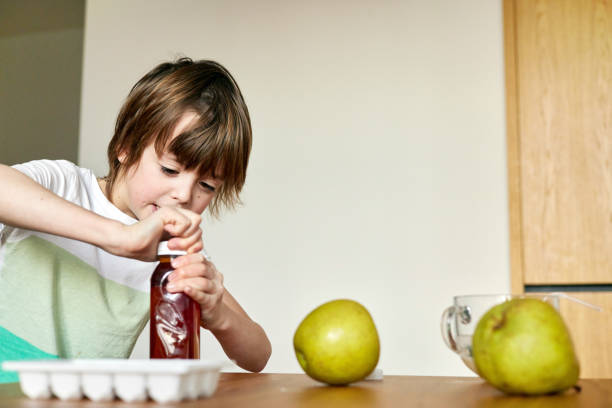
Apple Cider Making Equipment
Ready to make your own delicious apple cider at home? The right apple cider making equipment can make all the difference—turning fresh apples into crisp, flavorful cider with ease. Discover affordable, must-have gear and learn how to choose the best setup for your needs—all in one simple guide.
Essential Apple Cider Making Equipment for Beginners
Crushers and Presses: What You Need to Know
To extract juice efficiently, a crusher and press combination is essential for apple cider making. The crusher breaks down whole apples into a pulp, while the press extracts the juice. For beginners, a manual fruit press is affordable and easy to use, especially for small batches.
Look for models with stainless steel components for durability and hygiene. Ensure the press has a high juice yield and is easy to clean. Pair it with a hand-cranked crusher to save costs and space. These tools work together seamlessly, turning apples into juice ready for fermentation.
Start with a tabletop model that fits your production scale—this keeps setup simple and manageable for first-time cider makers.
Choosing the Right Apple Grinder
The apple grinder is your first step in breaking down fruit for pressing. Choose a grinder with stainless steel blades for sharpness and resistance to rust. A plate grinder with adjustable gaps allows control over pulp texture, which affects juice extraction.
For beginners, a hand-crank model attached to a stand is cost-effective and easy to operate. Make sure it can handle various apple sizes and is simple to disassemble for cleaning. Avoid plastic grinders, as they wear quickly and can harbor bacteria.
Matching your grinder capacity to your press ensures smooth workflow. A reliable grinder sets the foundation for efficient cider production and consistent quality in every batch.
Fermentation Vessels: Buckets vs Carboys
Selecting the right fermentation vessel impacts cider clarity and flavor. Food-grade plastic buckets are beginner-friendly—affordable, lightweight, and easy to clean, with wide openings for stirring and monitoring. However, they may scratch over time, harboring bacteria.
Glass carboys, while heavier and more fragile, offer superior airtight seals and better protection from oxidation. They’re ideal for secondary fermentation and clearer cider. Always use vessels with airlocks to allow CO2 to escape while preventing contamination.
Start with a 5–6 gallon bucket for primary fermentation, then transfer to a carboy if desired. Proper sanitation is critical regardless of vessel type.
Basic Tools for Small-Scale Production
Beyond major equipment, several essential small tools ensure success in home cider making. A hydrometer measures sugar levels to predict alcohol content and monitor fermentation progress. Use siphon tubing and autosiphons for transferring cider without disturbing sediment. Bottling brushes, sanitizer, and test jars keep your setup clean and contamination-free.
Don’t overlook simple items like funnels, mesh straining bags, and pH strips—they streamline the process and improve results. Store everything in a dedicated kit for easy access. Investing in quality, food-safe tools from the start saves time, reduces risk, and supports consistent, delicious cider with every batch.
Types of Apple Crushers and How to Use Them
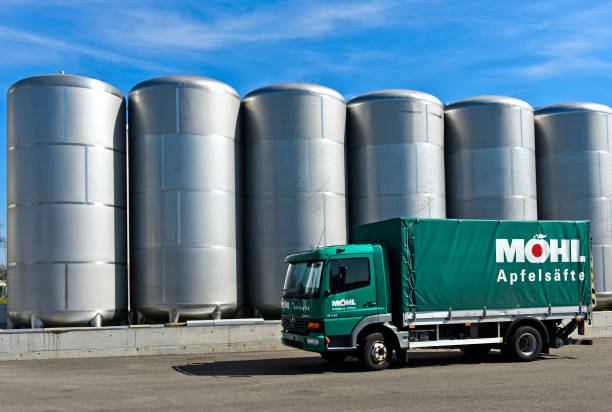
Manual vs Electric Apple Crushers
When choosing apple cider making equipment, deciding between manual and electric apple crushers depends on your production needs. Manual crushers are affordable, portable, and ideal for small batches or hobbyists. They require hand-cranking but offer reliable performance with minimal maintenance.
Electric crushers, on the other hand, are best for larger volumes, saving time and labor. They deliver consistent crushing power and are essential for commercial operations. Match your crusher type to your scale of production—manual for occasional use, electric for frequent or large-scale cider making.
Always ensure the motor is protected from moisture and that safety guards are in place when operating electric models.
Plate Crushers vs Roller Crushers
Two common types of apple crushers are plate crushers and roller crushers, each with distinct advantages. Plate crushers use a spinning steel plate with blades to pulverize apples quickly, making them ideal for soft or ripe fruit. They’re generally more affordable but may overheat with continuous use.
Roller crushers crush apples between two grooved rollers, offering a more controlled, efficient crush with less pulp heating—ideal for preserving juice quality. They handle larger volumes and are preferred for frequent use.
Choose plate crushers for simplicity and low cost, and roller crushers for efficiency and durability, especially in commercial cider production.
How to Prepare Apples for Crushing
Proper preparation ensures maximum juice yield and equipment efficiency. Start by washing apples thoroughly to remove dirt and debris. Remove large sticks, leaves, or foreign objects that could damage the crusher. Cut larger apples into quarters to feed them smoothly into the crusher, especially with manual models.
Avoid overloading the hopper—feed apples steadily and evenly. For best results, mix sweet and tart apple varieties to enhance cider flavor. Use a pulper before pressing if your setup requires finer pulp.
Pre-crushing storage should be minimal to prevent oxidation; process apples within a few hours of chopping for fresher, higher-quality cider.
Maintenance Tips for Long-Lasting Crushers
Extending the life of your apple cider making equipment starts with proper maintenance. After each use, disassemble and clean all parts with warm, soapy water—avoid harsh chemicals that can damage metal or plastic components. Dry thoroughly to prevent rust, especially on blades and rollers.
Lubricate moving parts like gears and bearings regularly with food-safe lubricant. Inspect for wear, such as dull blades or cracked plates, and replace parts as needed. Store the crusher in a dry, covered area. For electric models, check cords and motors for damage before use.
Keeping a maintenance log helps track cleaning and repairs, ensuring your crusher performs efficiently year after year.
Apple Cider Presses: Features and Options
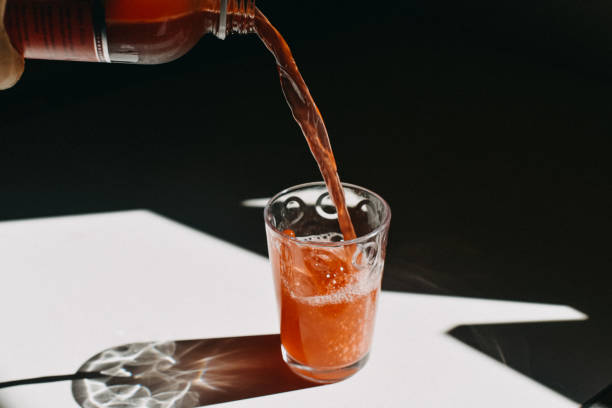
Hydraulic Presses vs Rack and Cloth Systems
When selecting apple cider making equipment, choosing between hydraulic presses and rack and cloth systems is crucial. Hydraulic presses offer high efficiency and require less physical effort, making them ideal for medium to large batches. They use a pump to generate pressure, extracting juice quickly and thoroughly.
In contrast, rack and cloth systems are traditional, manual setups where stacked layers of apple pulp (in cloth) are compressed between wooden or stainless steel racks. While more labor-intensive, they provide excellent juice clarity and are preferred by artisanal producers.
Rack and cloth systems are also easier to clean and maintain. For hobbyists or small-scale operations, rack and cloth may suffice, but commercial producers should consider hydraulic models for speed and consistency.
How Much Pressure Do You Need?
The amount of pressure your cider press delivers directly impacts juice yield and quality. Most apple cider making equipment generates between 5 and 10 tons of pressure, but higher pressure doesn’t always mean better results.
For small batches or soft fruit, 5–6 tons is sufficient and prevents over-compression that can lead to cloudy cider. Commercial operations benefit from 8–10 tons to maximize efficiency and juice extraction. Look for presses with adjustable pressure settings to fine-tune performance based on fruit type and ripeness.
Monitoring pressure ensures optimal flavor and clarity while reducing sediment. Always match the press capacity to your production needs—over-engineering can increase cost and complexity without significant gains for home users.
Stainless Steel vs Wooden Press Components
When evaluating apple cider making equipment, consider the material of key press components. Stainless steel is durable, resistant to corrosion, and easy to sanitize—ideal for commercial use and long-term reliability. It doesn’t absorb moisture or harbor bacteria, ensuring consistent hygiene. However, it can be more expensive.
Wooden components, traditionally used in rack systems, offer natural durability and a classic aesthetic. Hardwoods like maple or oak withstand compression well but require regular maintenance to prevent cracking or microbial growth. While wood provides gentle pressing, it’s less suitable for high-moisture environments unless properly sealed.
For most users, stainless steel is the safer, low-maintenance choice, especially for frequent or large-scale cider production.
Cleaning and Storing Your Cider Press
Proper cleaning and storage are essential for maintaining your apple cider making equipment and ensuring food safety. After each use, disassemble removable parts and wash them with hot, soapy water, avoiding harsh chemicals that can damage surfaces.
Stainless steel components can be sanitized with a food-safe disinfectant, while wooden parts should be rinsed quickly, dried thoroughly, and occasionally treated with food-grade mineral oil to prevent cracking. Ensure all parts are completely dry before storage to prevent mold or rust.
Store the press in a cool, dry place, preferably covered to protect from dust. Regular maintenance extends the lifespan of your press and ensures consistent, high-quality cider with every batch. Create a cleaning checklist to stay organized seasonally.
Fermentation Equipment for Hard Cider
Selecting the Right Fermenter Size
Choosing the correct fermenter size is essential for successful apple cider making. For small batches of 1 to 5 gallons, a food-grade plastic bucket or glass carboy works well and allows room for foam during active fermentation. Always leave at least 20% headspace to prevent overflow.
If you’re scaling up, consider a stainless steel conical fermenter, which offers durability and better yeast management. Match your fermenter capacity to your batch size to ensure efficient fermentation and minimal oxidation.
A fermenter that’s too large increases headspace, raising oxidation risk, while one that’s too small may lead to messy blowouts. Measure your juice volume accurately before selecting your vessel.
Airlocks and Bungs: What You Need
An airlock and bung system is critical for allowing carbon dioxide to escape while keeping contaminants out during fermentation. Use a #6 or #10 rubber stopper (bung) that fits snugly in your fermenter’s opening, paired with a three-piece or S-shaped airlock.
Fill the airlock with water, sanitizer, or vodka to create an airtight seal. This setup prevents oxygen and microbes from spoiling your hard cider. Check the airlock daily to ensure it’s functioning—bubbling indicates active fermentation. Replace cracked or worn bungs immediately.
For larger fermenters, consider using a blow-off tube instead, which routes excess foam into a separate container, reducing clogging risks.
Temperature Control for Fermentation
Maintaining consistent fermentation temperature is key to producing high-quality hard cider. Most cider yeasts perform best between 60–72°F (15–22°C). Temperatures that are too low slow fermentation, while excessive heat can produce off-flavors or kill yeast. Use a fermentation chamber, temperature-controlled fridge, or heating wrap to stabilize conditions.
Monitor with a digital thermometer or thermal wrap for accuracy. Avoid placing fermenters in direct sunlight or near heat sources. For cool environments, a brew belt or heating pad can maintain ideal ranges. Stable temperatures promote clean fermentation and help preserve the apple’s natural flavors and aromas throughout the process.
How to Prevent Contamination
Preventing contamination starts with meticulous sanitation of all apple cider making equipment. Clean fermenters, airlocks, spoons, and tubing with a no-rinse sanitizer before and after use. Avoid using household cleaners, which can leave harmful residues. Always sanitize your hands and work area. Use airlocks properly filled to block airborne microbes.
Minimize opening the fermenter once fermentation begins. Transfer cider using sanitized siphons to reduce exposure. Consider using potassium metabisulfite in juice pre-fermentation to suppress wild yeast and bacteria. Inspect equipment regularly for cracks or biofilm buildup, which can harbor pathogens.
A clean process ensures a pure, flavorful hard cider free from spoilage.
Cleaning and Sanitizing Your Cider Equipment
Best Sanitizers for Cider Making
Choosing the right sanitizer is critical to ensuring your cider ferments safely and cleanly. Star San and iodophor are two of the most popular no-rinse options among cider makers due to their effectiveness and food-safe residues.
Star San, an acid-based sanitizer, works within 1–2 minutes of contact and remains active in low concentrations. Iodophor provides broad-spectrum microbial control and is effective in hard water, though it can stain equipment over time. Avoid household bleach unless thoroughly rinsed, as residual chlorine can create off-flavors.
Always follow dilution instructions precisely and test pH if required. Using food-grade sanitizers specifically designed for brewing ensures your cider remains free from contaminants while protecting your equipment from corrosion or damage.
Step-by-Step Cleaning After Each Use
Immediately after use, rinse all equipment with warm water to remove pulp, juice, and yeast residue. Delaying cleaning can lead to dried-on organic matter that harbors bacteria. Next, use a non-abrasive cleaner like PBW or OxiClean Free to soak fermenters, tubing, and pressing tools for 15–30 minutes.
Scrub gently with dedicated brushes to reach all surfaces, especially in airlocks and valves. Rinse thoroughly with clean water. Then, apply your chosen no-rinse sanitizer, ensuring full contact for the recommended time. Drain upside down on a clean rack to air dry—never towel dry, as towels can introduce contaminants.
This consistent post-use routine prevents biofilm buildup and ensures your equipment is ready for the next batch.
How to Store Equipment Between Batches
Proper storage prevents contamination and extends equipment life. After cleaning and sanitizing, ensure all items are completely dry before storing to inhibit mold and bacterial growth. Store fermenters with lids off or loosely covered to allow airflow and prevent musty odors.
Keep tubing coiled and sealed in airtight bags to keep out dust and pests. Label and organize tools by function to reduce cross-contamination risks. Store in a cool, dark, and dry place away from cleaning chemicals or strong odors that could leach into plastic.
For long-term storage, consider rinsing with a mild sanitizer solution just before reuse, even if the equipment appeared clean. This proactive approach maintains hygiene and readiness for your next apple cider batch.
Avoiding Common Sanitation Mistakes
Even experienced cider makers can make preventable sanitation errors that compromise batches. One common mistake is skipping the cleaning step before sanitizing—sanitizers work best on visibly clean surfaces. Another is improper dilution of sanitizer solutions, which reduces effectiveness or leaves harmful residues.
Reusing sanitizer solution or using expired products also diminishes protection. Touching sanitized surfaces with bare hands or unclean tools reintroduces contaminants. Never assume equipment is clean just because it looks clean—microbial growth is invisible. Finally, neglecting often-overlooked items like stopper tops, airlocks, or press cloths creates hidden contamination zones.
Stay vigilant by following a strict cleaning checklist and treating every piece of equipment as a potential contamination source.
Scaling Up: Equipment for Larger Batches
Commercial Crushers and Presses Overview
When scaling up apple cider production, commercial crushers and presses are essential for efficiently processing large volumes of apples. A high-capacity crusher breaks down apples into a consistent pulp, or ‘pomace,’ which maximizes juice yield.
Pair it with a hydraulic or rack-and-cloth press to extract juice under high pressure while minimizing sediment. Look for stainless steel construction for durability and easy sanitation. Machines with adjustable pressure settings allow customization based on apple variety and desired juice clarity.
Throughput rate—measured in pounds or bushels per hour—should match your production goals. Investing in dual-function units that combine crushing and pressing can save space and streamline workflow. Always prioritize ease of disassembly for cleaning to maintain food safety standards and prolong equipment life.
Pumps and Transfer Systems
Efficient pump and transfer systems are crucial for moving large volumes of juice and pomace safely and hygienically. Use food-grade stainless steel pumps with diaphragm or centrifugal designs to handle viscous pomace and delicate juice without oxidation.
Automated transfer lines reduce manual labor and contamination risks, especially when moving juice from press to fermenter. Install quick-connect fittings and sanitizeable tubing to simplify cleaning between batches. Variable speed controls allow precise flow management, protecting juice quality. For larger operations, consider CIP (Clean-in-Place) compatible systems that reduce downtime.
Properly sized pumps prevent foam formation and ensure smooth transfers, improving consistency and efficiency. Regular maintenance and leak inspections keep your transfer system running reliably during peak production.
Automated Fermentation Monitoring Tools
As batch sizes grow, automated fermentation monitoring tools provide real-time insights to maintain cider quality. Digital hydrometers and temperature probes track specific gravity and fermentation progress without manual sampling, reducing contamination risk. Wireless sensors integrate with cloud-based platforms, sending alerts if temperatures or sugar levels deviate.
Automated pH and alcohol monitors help ensure consistency across batches. These tools allow producers to intervene early if fermentation stalls or off-flavors develop. Data logging supports quality control and recipe refinement over time. Choose scalable systems that can monitor multiple fermenters simultaneously.
Investing in automation not only improves precision but also frees up time for other critical tasks, making large-scale cider production more manageable and consistent.
Space and Layout Tips for Bigger Setups
Optimizing space and layout is vital when scaling up cider production. Design a linear workflow from receiving apples to packaging to minimize cross-traffic and contamination. Allocate dedicated zones for washing, crushing, pressing, fermentation, and storage, each with ample clearance for equipment access and sanitation.
Use mobile carts and modular equipment to adapt space as needs change. Ensure floor drains and slip-resistant surfaces in wet areas for safety. Position fermenters near transfer pumps to reduce hose runs and juice exposure. Plan for future expansion by leaving room between units.
Proper ventilation and temperature control in fermentation areas stabilize yeast performance. A well-organized layout boosts efficiency, safety, and compliance with food safety regulations.
Accessories and Add-Ons for Better Cider
Hydrometers and Testing Tools
A hydrometer is essential for monitoring sugar levels and estimating alcohol content during cider fermentation. By taking specific gravity readings before and after fermentation, you can track progress and ensure fermentation completes fully. Pair your hydrometer with a test jar for easy sampling without contamination.
For greater precision, consider a refractometer, which requires only a few drops of juice. pH meters and acid testing kits also help maintain flavor balance by measuring acidity levels, crucial for both taste and microbial stability. Always sanitize testing tools before use to avoid introducing contaminants.
Regular testing empowers you to make informed adjustments, resulting in a more consistent, high-quality cider batch every time.
Yeast Starters and Nutrient Supplies
Creating a yeast starter ensures a healthy, vigorous fermentation by pre-activating yeast before pitching into cider. Combine yeast with sterile apple juice or water, a yeast nutrient, and yeast energizer in a sanitized container, allowing it to ferment for 12–24 hours.
This process increases cell count and reduces lag time, minimizing the risk of off-flavors or stuck fermentation. Yeast nutrients like Fermaid K provide essential nitrogen and vitamins, especially important in apple juice, which lacks natural nutrients found in grape must.
Using yeast hulls or diammonium phosphate (DAP) can further support fermentation, particularly for higher alcohol ciders. Proper yeast management leads to cleaner, more predictable fermentations and better overall cider quality.
Filtering Systems for Clear Cider
For bright, professional-looking cider, a filtering system is a valuable addition. Plate filters and cartridge filters remove yeast and sediment, improving clarity without affecting flavor when used correctly. Choose a filter rating between 0.5 and 1 micron for sterile filtration, which also prevents re-fermentation in the bottle.
Always cold-condition your cider before filtering to settle out particulates and reduce clogging. Use food-grade tubing and sanitize all components thoroughly. While filtering isn’t mandatory, it enhances visual appeal and shelf stability, especially for competition entries or commercial production.
Be mindful that over-filtering may strip subtle aromas, so balance clarity with flavor preservation for the best results.
Bottling and Kegging Equipment Options
Choosing between bottling and kegging depends on volume, convenience, and serving preferences. For bottling, invest in a bottle filler, capper, and sanitized glass bottles with proper caps. Use priming sugar calculators to ensure consistent carbonation.
Alternatively, corny kegs and a CO2 system offer faster, cleaner dispensing and eliminate the need for individual bottles. Kegging allows precise carbonation control and easy serving via a draft tap. Both methods require meticulous sanitation to prevent contamination. Consider counter-pressure bottle fillers for bottling from kegs to preserve carbonation.
Whether you prefer the tradition of bottles or the efficiency of kegs, proper equipment ensures your cider is stored and served at its best.
Frequently Asked Questions
What equipment do I need to make apple cider at home?
To make apple cider at home, you’ll need a crusher or grinder to break down apples, a press to extract the juice, food-grade containers for collection and fermentation, and optionally, a fermenter with an airlock if making hard cider. Clean, durable tools made from stainless steel or food-safe plastic are recommended.
Can I use a juicer instead of a cider press?
While a juicer can extract juice from apples, it’s less efficient for cider making because it may not handle large volumes or coarse apple pulp well. A cider press is designed to maximize juice yield from crushed apples and is better suited for traditional cider production.
What is the difference between a manual and electric apple crusher?
A manual crusher requires hand-cranking and is ideal for small batches and occasional use, while an electric crusher processes apples faster and with less effort, making it better for larger quantities. Electric models are more expensive but save time and labor.
How do I clean and maintain my cider making equipment?
After each use, disassemble the equipment and wash all parts with hot water and a food-safe sanitizer. Dry thoroughly to prevent rust and contamination, especially metal components like presses and crushers.
Do I need a fermentation lock for making apple cider?
If you’re making hard cider (fermented), a fermentation lock is essential to allow carbon dioxide to escape while preventing bacteria and wild yeast from entering. For fresh, non-alcoholic cider, immediate refrigeration and consumption eliminate the need for fermentation equipment.
Where can I buy reliable apple cider making equipment?
You can find cider-making kits and individual tools online through homebrew supply stores, farm equipment retailers, or specialty food-making websites. Look for reputable brands with good reviews to ensure durability and food safety.
Conclusion
Choosing the right apple cider making equipment is essential for producing high-quality cider at home or commercially. From grinders and presses to fermentation tanks and bottling tools, each piece plays a vital role. Investing in durable, efficient equipment ensures better yields and consistent flavor. Whether you’re a beginner or experienced cider maker, the right setup can elevate your craft. Start small, learn the process, and gradually expand your tools to enjoy delicious, homemade cider year after year.