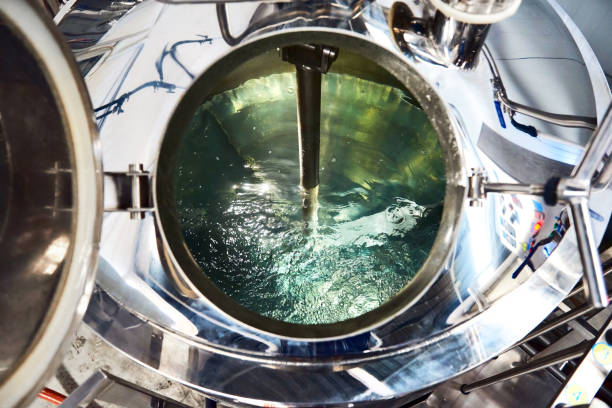
All Grain Brew In A Bag
All grain brew in a bag—sounds tricky, but it’s actually the easiest way to make craft-quality beer at home without a fancy setup. If you’ve been curious about all grain brewing but don’t want to invest in multiple kettles or complex systems, BIAB (Brew In A Bag) is your perfect solution. This simple, space-saving method uses just one pot and a special grain bag to extract wort efficiently. In this guide, we’ll walk you through exactly how it works, what you need, and why homebrewers love it.
What is All Grain Brew in a Bag?
How BIAB Differs from Traditional All-Grain Brewing
Brew in a Bag (BIAB) simplifies all-grain brewing by eliminating the need for a separate mash tun and lautering system. Instead of transferring mash to a lauter tun, brewers use a large mesh bag to hold grains directly in the brew kettle during mashing.
After conversion, the bag is lifted out, allowing the wort to drain back into the kettle—streamlining lautering into a single vessel. This reduces equipment needs, cleanup time, and potential for spillage.
Traditional methods require precise sparging and multiple vessels, while BIAB often uses a full-volume mash, meaning all brewing water is added at once. This can improve efficiency and reduce water usage.
Despite its simplicity, BIAB maintains excellent sugar extraction and control over the brewing process, making it ideal for homebrewers seeking all-grain results without complexity. It’s especially beneficial for those with limited space or resources.
The History and Origins of Brew in a Bag
Brew in a Bag (BIAB) originated in Australia in the early 2000s as a grassroots innovation among homebrewers seeking simpler all-grain methods.
Faced with limited space and high equipment costs, Australian brewers developed the technique using a large nylon or mesh bag to contain grains during mashing in a single kettle. The method quickly gained traction through online forums and homebrew communities, praised for its efficiency and accessibility.
By 2006, BIAB had spread globally, supported by brewing associations and publications. Its rise coincided with the craft beer renaissance, empowering more hobbyists to explore all-grain brewing without investing in complex setups. Over time, commercial BIAB kits and bags became widely available, standardizing the practice.
Today, BIAB is recognized not just as a beginner-friendly approach but as a legitimate, scalable method used by both amateur and competitive brewers worldwide, reflecting its lasting impact on modern brewing culture.
Why Homebrewers Choose BIAB
Homebrewers choose Brew in a Bag (BIAB) for its simplicity, cost-effectiveness, and space efficiency. It allows full all-grain brewing with minimal equipment—often just a single kettle and a mesh bag—making it perfect for small apartments or outdoor setups. Setup and cleanup are drastically reduced, saving time and effort.
BIAB also offers greater control over mash temperature and efficiency due to direct heating and full-volume mashing. Many brewers appreciate the consistent results and high extract efficiency achievable with proper technique. It’s an ideal stepping stone for extract brewers ready to advance without overwhelming complexity.
Additionally, BIAB is highly scalable, adaptable from 1-gallon test batches to full 5- or 10-gallon runs. With growing support from brewing communities and specialized gear, BIAB empowers brewers to focus on creativity and flavor, not logistics—making it a practical, rewarding choice for modern homebrewing.
Equipment Needed for BIAB Brewing
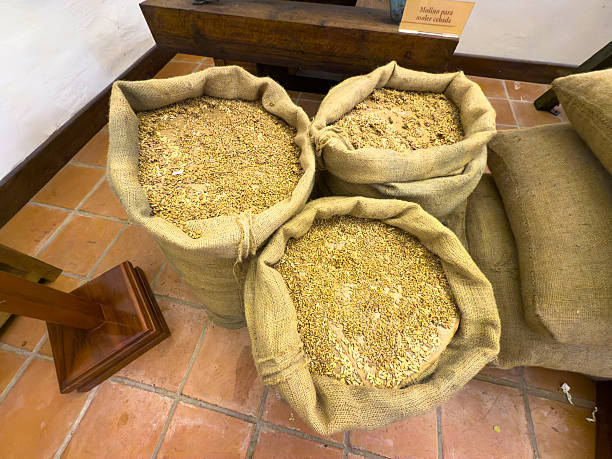
Essential Tools for Your First Brew
To successfully complete an all grain brew in a bag (BIAB), start with a few must-have tools that simplify the process. A large kettle with a minimum 8-gallon capacity ensures enough space for full-volume mashing without boil-overs.
Use a food-grade mesh brew bag that fits snugly inside your kettle—this holds the grains and allows easy removal post-mash. A reliable thermometer helps maintain the ideal mash temperature between 148–156°F (64–69°C), critical for fermentable sugar extraction. A long stainless steel spoon aids in stirring and preventing dough balls.
Don’t forget a bottling wand, auto-siphon, and fermenter with airlock for post-boil transfer and fermentation. A grain mill is also essential—crush grains just before brewing to maximize efficiency. With these core BIAB tools, you’ll streamline your workflow and achieve consistent, high-quality all-grain results from your very first batch.
Choosing the Right Brew Bag Material
Selecting the correct brew bag material is vital for efficient lautering and maximizing wort clarity in BIAB brewing. Look for fine-mesh, food-safe nylon or polyester bags with a pore size around 100–200 microns—this balances filtration and flow rate.
Too fine, and runoff slows; too coarse, and you risk grain particles in your wort. Reinforced stitching and handles are essential for supporting the weight of wet grains, which can exceed 20 pounds. Consider a double-layered bag for added durability and better filtration.
Some brewers prefer circulation-friendly designs with open bottoms or flow channels to reduce channeling during mash. Always pre-rinse your bag with hot water to remove any manufacturing residues and prevent off-flavors. A well-chosen bag improves sugar extraction, reduces stuck sparges, and simplifies cleanup.
Investing in a high-quality, properly sized brew bag tailored to your kettle enhances efficiency and consistency in every all-grain brew.
Modifying Your Kettle for BIAB Efficiency
Optimizing your kettle setup significantly boosts efficiency in BIAB brewing. Start by adding a false bottom or hop strainer at the base to prevent the brew bag from sealing against the kettle floor, improving heat distribution and circulation.
Some brewers install a kettle ball valve near the base for easy wort drainage after the boil, minimizing transfer splashing and oxidation. Ensure your kettle has a wide opening to accommodate the grain bag and allow easy stirring.
Applying a heat diffuser can prevent scorching during the mash, especially with high-wattage electric burners. Consider marking volume levels on the inside or outside of the kettle with high-temperature tape for accurate water measurements. A lid with a steam vent helps regulate temperature and reduces unwanted evaporation during the mash.
These modifications promote even temperature control, faster heating, and easier handling, turning a standard pot into a high-performance BIAB system tailored for all-grain success.
Step-by-Step BIAB Brewing Process
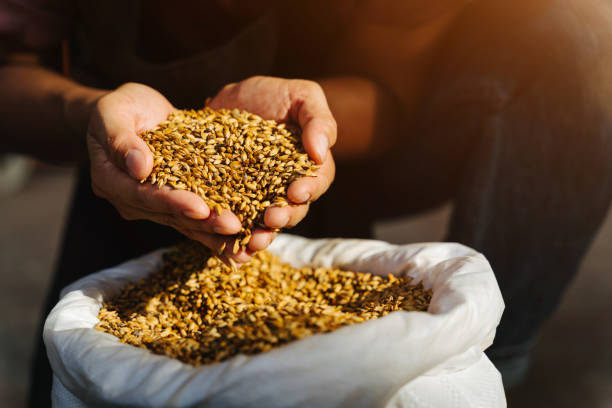
Preparing Your Grain and Water
Start by crushing your grains to the correct consistency—aim for a coarse crack to avoid a stuck sparge. Measure your grain bill accurately based on your recipe, then place the milled grains into a brew-in-a-bag (BIAB) mesh bag with handles for easy lifting.
Heat your strike water in your brew kettle to the appropriate temperature, typically around 165–170°F (74–77°C), depending on your target mash temperature. Use water that’s free of chlorine and balanced for your beer style. Pre-heat the mash tun (your kettle) with hot water to minimize heat loss.
Drain and discard the warm-up water before adding the strike water. This preparation ensures optimal enzyme activity during mashing and consistent sugar extraction.
Mashing in the Bag: Best Practices
Slowly lower the grain-filled bag into the strike water, stirring continuously to prevent clumping and ensure even hydration. Once submerged, seal the kettle with a lid and maintain a stable mash temperature—usually between 148–156°F (64–69°C)—for 60 minutes. Minimize oxygen exposure by keeping the lid on as much as possible.
Gently lift and re-dip the bag occasionally to promote even conversion. Use a thermometer to monitor temperature closely, adjusting with hot water if needed. Avoid squeezing the bag during removal, as tannin extraction can occur. This method simplifies temperature control and lautering, making it ideal for all-grain beginners.
Efficient starch-to-sugar conversion is key to a fermentable wort.
Sparge and Boil: Simplified Steps
After mashing, lift the grain bag carefully and let it drain for 10–15 minutes without squeezing. This natural runoff prevents tannin extraction.
You can optionally perform a batch sparge by adding hot sparge water (170°F / 77°C) to the kettle, stirring, then re-submerging the bag for a few minutes before removing again. Once sparged, bring the wort to a rolling boil—this sterilizes the wort and activates hop bitterness.
Add hops according to your recipe schedule: bittering at the start, flavor in the middle, and aroma at the end. Boil for 60 minutes, keeping an eye on evaporation and boilovers. This streamlined process combines lautering and boiling in one vessel.
Cooling and Transferring Your Wort
After the boil, cool the wort rapidly to yeast-pitching temperatures (around 65–70°F / 18–21°C) using a wort chiller or ice bath. Quick cooling minimizes contamination risks and helps form a good cold break. Once cooled, sanitize your fermenter and transfer the wort carefully, avoiding splashing to reduce oxidation.
Leave trub (sediment) behind in the kettle. Aeration at this stage is beneficial—gently shake or stir the wort to increase oxygen for healthy yeast start-up. Pitch your yeast immediately after aeration. Seal the fermenter with an airlock and store it in a temperature-controlled area.
This efficient transfer ensures clean, consistent fermentation and high-quality all-grain beer.
Selecting Grains and Recipes for BIAB
Best Base Malts for Bag Brewing
When brewing all grain in a bag (BIAB), selecting the right base malt is essential for achieving optimal sugar extraction and mash efficiency. Pale Ale Malt and 2-Row Brewers Malt are top choices due to their high diastatic power and consistent performance in a single-infusion mash.
These malts provide a clean, fermentable wort ideal for a wide range of beer styles. Pilsner Malt is another excellent option, especially for lighter lagers and pilsners, offering a crisp, clean profile.
Because BIAB involves steeping grains in a single vessel, using high-quality, well-modified malts ensures complete starch conversion without the need for complex step mashing. Avoid under-modified grains unless you plan to perform protein rests. Always crush your grains fresh just before brewing to maximize surface area and efficiency.
A proper crush, neither too coarse nor too fine, prevents grain tears in the bag and improves runoff. With the right base malt, BIAB brewers can achieve professional-level results at home.
Adjusting Recipes for Higher Efficiency
BIAB typically achieves higher mash efficiency—often 75–85%—compared to traditional lautering, due to full grain immersion and minimal transfer losses. To adapt standard all-grain recipes, reduce the total grain bill by 10–15% to prevent overly strong or sweet wort.
Start by calculating your expected efficiency based on your setup and adjust grist weight accordingly using brewing software. Maintain consistent water-to-grain ratios, typically 1.25–1.5 quarts per pound, to ensure proper mash viscosity and enzyme activity.
Because the grain bag holds back more liquid, account for increased water volume in your initial strike to hit target pre-boil volumes. Squeeze the bag gently post-mash to extract wort without tannin leaching. Monitor pH and temperature closely, as BIAB systems can experience slight thermal losses.
With precise adjustments, homebrewers can consistently replicate target gravities and flavor profiles. Document each batch’s efficiency to refine future recipes.
Popular BIAB Beer Styles and Examples
BIAB is ideal for brewing a wide variety of beer styles, especially those with moderate grain bills and straightforward mashing requirements. American Pale Ales, IPAs, and Amber Ales are excellent choices, as they rely on clean base malts and benefit from the high efficiency of BIAB.
Stouts and Porters also perform well, with their roasted grains easily managed in a mesh bag when crushed properly. For lighter options, Czech Pilsners and Kölsch showcase the clarity and balance achievable with Pilsner malt in a BIAB setup.
Even moderate-strength Belgian ales like Saisons work well, especially with adjuncts added directly to the mash. Avoid extremely high-gravity beers like Barleywines initially, as large grain volumes can make bag handling difficult. Start with 5–6 gallon batches using proven recipes from trusted sources.
As skills grow, experiment with specialty grains and multi-step mashes using insulated coolers. BIAB’s simplicity makes it perfect for both beginners and experienced brewers.
Common BIAB Mistakes and How to Avoid Them
Preventing Stuck Sparges and Tears
A stuck sparge is one of the most frustrating issues in all-grain BIAB (Brew In A Bag) brewing, halting your runoff completely. This typically occurs when the grain bed becomes too dense or compacted, restricting liquid flow.
To prevent this, avoid squeezing the grain bag excessively, as that collapses the natural filter bed. Instead, use a sturdy, fine-mesh bag designed for BIAB to support good flow while capturing fine particles. Before mashing, ensure your grains are cracked properly—too fine a crush increases the risk of compaction.
During the mash, gently swirl the bag occasionally to prevent clumping. When sparging, slowly pour hot water over the grain bed while lifting and lowering the bag slightly to encourage even drainage.
Lifting the bag too quickly can cause it to seal against the kettle, so use a colander or hooks to suspend it gradually. With these simple techniques, you’ll maintain steady runoff and avoid brewing delays.
Managing Water Chemistry in One Vessel
In BIAB brewing, all steps happen in a single vessel, making water chemistry management crucial for balanced, flavorful beer. Since there’s no separate hot liquor tank or sparge water adjustments, you must treat your entire water volume upfront.
Start by testing your water’s mineral profile and adjust pH early using acidulated malt or food-grade acids like lactic or phosphoric. Target a mash pH between 5.2 and 5.6 for optimal enzyme activity and extraction.
Because BIAB uses a higher water-to-grist ratio, minerals can be diluted, so supplement with brewing salts like gypsum or calcium chloride if needed, based on your beer style. Avoid over-relying on reverse osmosis or distilled water without remineralizing, as this leads to flat-tasting beer.
Use brewing software to calculate water profiles and add adjustments during the heat-up phase. Monitoring pH with strips or a meter ensures consistency, helping you replicate great results batch after batch.
Avoiding Off-Flavors from Poor Drainage
Poor drainage in BIAB can lead to tannin extraction and off-flavors like astringency or harsh bitterness, especially if the grain bag sits too long in hot liquid. This happens when runoff is slow or incomplete, causing over-sparging or prolonged exposure to high pH water above 170°F (77°C).
To avoid this, minimize sparge time by using efficient techniques like batch sparging—adding hot water, stirring, and letting the bag drain fully before removal. Ensure your grain bag has adequate surface area and isn’t bunched at the bottom of the kettle, which blocks flow.
Never squeeze the bag aggressively; instead, allow gravity to do the work over 10–15 minutes. If drainage is sluggish, gently lift and reposition the bag to open flow channels. Also, monitor sparge water temperature closely—keep it below 170°F to prevent extracting harsh compounds.
Proper drainage preserves wort clarity and flavor, ensuring a clean, balanced final beer.
Tips for Improving Efficiency in BIAB
Optimizing Mash Thickness and Temperature
Achieving consistent mash temperature and ideal mash thickness is crucial for efficient sugar conversion in BIAB (Brew In A Bag). Use a target water-to-grist ratio of 2.5–3.5 quarts per pound to maintain a workable mash that’s neither too thick nor too thin.
Pre-heat your brew bag with hot water to minimize initial heat loss when adding grains. Monitor temperature closely during the first 10 minutes after dough-in, adjusting with small amounts of hot or cold water if needed.
Stabilize your mash at 150–156°F (65–69°C) depending on desired beer profile—lower for more fermentability, higher for body. Stir thoroughly at the start to prevent clumping and ensure even thermal distribution.
Insulating your kettle with a blanket or towel helps maintain stable temperatures without constant reheating, improving enzyme activity and efficiency throughout the 60-minute rest.
Using a False Bottom or Support for Heavy Grains
When brewing all-grain BIAB with large grain bills, preventing bag tears and improving wort flow becomes essential. While the bag typically acts as the filter, using a stainless steel false bottom or internal kettle support can reduce strain during lifting.
This support holds the bag slightly elevated, minimizing direct stress on the fabric and improving drainage. Ensure the support is food-grade and fits securely without blocking the kettle valve. This technique is especially helpful for high-gravity batches where wet grains can weigh 20+ pounds.
Lift slowly and evenly using sturdy handles or a pulley system. The support also reduces the risk of compacting the grain bed, which can lead to stuck sparges or tannin extraction.
By stabilizing the bag, you enhance safety and efficiency during one of the most physically demanding steps in BIAB brewing.
Recirculation Techniques Without a Pump
Even without a pump, you can achieve clear wort and improved extraction through manual recirculation. After the mash, gently draw 1–2 quarts of wort using a heat-resistant container or auto-siphon, avoiding disturbing the grain bed.
Slowly pour this wort back over the top of the grain bed in a circular motion, acting as a vorlauf (recirculation) to clarify the runoff. Repeat 3–5 times until the wort runs clear, indicating a well-formed filter layer. This process removes grain particles and improves beer clarity.
Perform recirculation before opening the kettle valve for runoff. Use a spoon or tube to guide flow and prevent channeling. This simple, pump-free method enhances efficiency, mimics commercial lautering, and ensures smoother transfers and better yields, making it a vital step in all-grain BIAB brewing.
Cleaning and Maintaining BIAB Equipment
Best Cleaners for Brew Bags and Kettles
After an all grain brew in a bag session, prompt cleaning ensures longevity and performance. Use non-abrasive, oxygen-based cleaners like PBW (Powdered Brewery Wash) to effectively break down grain residues, proteins, and tannins without damaging your brew bag or kettle.
Avoid chlorine-based cleaners, as they can corrode metal kettles and leave lingering odors that affect beer flavor. Soak the grain bag immediately post-brew in warm water with PBW for at least 30 minutes—this loosens stubborn grain paste. For kettles, circulate the cleaning solution or let it sit for optimal results.
Rinse thoroughly with clean water to remove all cleaner residue. For tougher carbon buildup, a mild citric acid solution safely descales stainless steel. Always inspect silicone gaskets and valve connections during cleaning to prevent contamination.
Consistent use of the right cleaners keeps your BIAB setup sanitary, efficient, and ready for the next batch.
Storing Your Grain Bag Between Batches
Proper storage of your grain bag between all grain brew in a bag batches prevents mold, odors, and material degradation. After cleaning and thorough rinsing, ensure the bag is completely dry before storage—hang it in a well-ventilated area away from direct sunlight.
Damp bags encourage bacterial growth and weaken the fabric over time. Store the bag in a clean, sealed container or resealable bin to protect it from dust and pests. Avoid folding it tightly; instead, loosely roll or drape it to prevent creasing that could lead to micro-tears.
If using a reusable mesh bag, check manufacturer guidelines for UV sensitivity. For extended downtime, consider placing a food-safe desiccant packet in the storage container. Regular inspection during storage helps catch wear early.
Proper care extends the bag’s life, maintains filtration efficiency, and ensures consistent performance across multiple brews without introducing off-flavors.
Inspecting Equipment for Long-Term Use
Routine inspection of your BIAB equipment safeguards brew quality and system safety during long-term all grain brewing. After each use, examine your grain bag for tears, thinning fabric, or stretched handles—these compromise mash efficiency and can spill grain into the boil.
Check the kettle for dents, warping, or pitting, especially if using direct heat, as damage affects heating uniformity. Inspect valves, thermometers, and welds for leaks or corrosion. For systems with false bottoms or filters, ensure no clogs or mineral buildup impair flow.
Keep a maintenance log to track wear patterns and replacement schedules. Replace worn components proactively, as failure mid-brew can ruin a batch. Verify that all connections remain tight and gaskets are pliable and crack-free.
Consistent checks not only extend equipment life but also ensure each all grain brew in a bag yields clean, consistent results, minimizing downtime and costly repairs.
Frequently Asked Questions
What is all grain brew in a bag (BIAB)?
All grain brew in a bag (BIAB) is a simplified homebrewing method where grains are steeped in a large mesh bag inside the brew kettle, eliminating the need for a separate mash tun. This technique combines mashing and lautering into a single vessel, making it ideal for beginners and space-limited brewers.
What equipment do I need for BIAB brewing?
For BIAB brewing, you need a large brew kettle, a fine-mesh stainless steel or nylon bag to hold the grains, a thermometer, a stir spoon, and a heat source. A grain mill and wort chiller are also recommended for better efficiency and faster cooling.
Can I use any pot for all grain BIAB?
You need a pot large enough to hold your full batch volume plus the grain, typically 5–10 gallons depending on batch size. The pot must withstand boiling and support the weight of wet grain, so stainless steel kettles are preferred.
How do I calculate mash water volume for BIAB?
For BIAB, calculate total water volume by adding mash water (typically 1.2–1.5 quarts per pound of grain) and estimated boil-off (about 1 gallon per hour), plus sparge water if rinsing grains. Since you don’t sparge in traditional BIAB, all water is added at mash-in.
Do I need to sparge in BIAB brewing?
No, sparging is not required in traditional BIAB. You mash with the full volume of water needed for the boil, then lift the grain bag out, allowing excess wort to drain back into the kettle.
How can I avoid tannin extraction in BIAB?
Avoid tannin extraction by not squeezing the grain bag excessively and keeping sparge water (if used) below 170°F. Drain the bag naturally over the kettle for best results.
Is BIAB less efficient than traditional all-grain brewing?
BIAB can be slightly less efficient due to grain absorption, but efficiency is often comparable when proper water volumes and mash techniques are used. Many brewers achieve 70–75% efficiency with practice.
Conclusion
All-grain brewing in a bag offers an affordable, space-efficient way to craft high-quality beer at home. By simplifying the mashing process with a single vessel and mesh bag, beginners can achieve consistent results without complex equipment. Key takeaways include precise temperature control, proper grain crushing, and thorough sparging. With practice and attention to detail, homebrewers can unlock endless recipe possibilities. Embrace the process, experiment confidently, and enjoy the rewarding journey of creating exceptional beer from scratch.