How to Clean the Top of a Stove Safely and Effectively
Cleaning your stove top regularly prevents grease buildup and keeps your kitchen appliances functioning efficiently. To effectively remove stubborn grime, start by ensuring the surface is completely cool, then apply a mixture of baking soda and water to loosen burnt-on food before gently scrubbing it away with a soft, non-abrasive cloth.
Achieving a spotless finish requires patience and the right approach based on your specific cooktop material. Whether you have a sleek glass induction surface or a traditional gas range, using harsh chemicals can often cause permanent scratches or discoloration. Understanding your appliance’s unique needs is the key to maintaining its appearance and longevity.
This guide outlines practical, step-by-step methods to safely remove burnt-on food and grime from various stove types without damaging the surface. By following these straightforward techniques, you will learn how to tackle even the toughest stains while protecting your kitchen investment. Get ready to restore your stove to its original, sparkling condition today.

Safety First Before You Start Cleaning
Before you reach for any cleaning supplies, your primary priority must be safety. Never attempt to clean a stove while it is hot. Applying liquids or sprays to a heated surface can cause dangerous steam, potentially leading to burns, or cause cleaning agents to evaporate instantly, leaving behind stubborn, baked-on residue.
Always wait until the appliance is completely cool to the touch. If you are cleaning an electric stove, confirm that all dials are in the “off” position. For added peace of mind, especially when scrubbing around sensitive components, consider unplugging the unit or switching off the circuit breaker.
Protecting the integrity of your stove’s finish is just as important as your personal safety. Using the wrong tools can permanently damage enamel or glass cooktops. To keep your appliance looking new, avoid these common mistakes:
- Do not use steel wool or scouring pads, as these will create micro-scratches that trap grease over time.
- Avoid harsh metal scrapers or knives, which can gouge glass or chip enamel coatings.
- Skip abrasive powdered cleansers that can dull a polished surface.
Instead, rely on soft microfiber cloths, non-scratch sponges, and gentle, stove-safe cleaning solutions. If you encounter burnt-on food, the safest approach is to soften the debris with a damp cloth or a mixture of baking soda and water before gently wiping it away. This method allows the cleaner to do the heavy lifting, eliminating the need for aggressive scrubbing that might compromise the surface.
By taking these precautions, you ensure that your cleaning process is efficient, effective, and entirely risk-free. A little patience while waiting for the stove to cool will save you from potential injury and help maintain the aesthetic value of your kitchen for years to come.
Cleaning Glass and Ceramic Stove Tops
Cleaning a glass or ceramic cooktop requires a gentle touch to avoid permanent scratches while effectively removing burnt-on food. Because these surfaces are prone to abrasion, always avoid steel wool or harsh scouring pads, which can damage the finish.
For routine maintenance and light stains, apply a specialized cooktop cleaner designed for glass surfaces. If you prefer a natural alternative, a thick paste made of baking soda and water works exceptionally well to lift grease without scratching the glass.
Follow these steps for the best results:
- Apply your chosen cleaner or baking soda paste liberally over the cool surface.
- Allow the mixture to sit for at least 10 to 15 minutes. This dwell time is essential to soften hardened residue and carbonized food particles.
- Use a non-scratch microfiber cloth to wipe the surface in circular motions.
- For stubborn, stuck-on stains, use a dedicated cooktop scraper. Hold the blade at a very shallow angle—roughly 30 degrees—and apply light pressure to lift the debris away from the glass.
- Once the residue is loosened, wipe the entire area clean with a fresh, damp cloth to remove any remaining cleaner or baking soda film.
- Buff the surface dry with a clean, lint-free towel to prevent water spots and restore the cooktop’s shine.
Safety is paramount when working with glass surfaces. Never attempt to clean your stove top while the burners are hot, as this can cause the cleaning agent to evaporate too quickly or potentially crack the glass due to thermal shock. Furthermore, always ensure your scraper blade is sharp and free of nicks; a dull or damaged blade is more likely to scratch or gouge the ceramic surface rather than gliding over it.
By incorporating these steps into your regular kitchen cleaning routine, you can keep your cooktop looking brand new while ensuring the longevity of the glass surface. Regular attention prevents the buildup of carbon layers that become significantly harder to remove over time.

Maintaining Gas Stove Grates and Burners
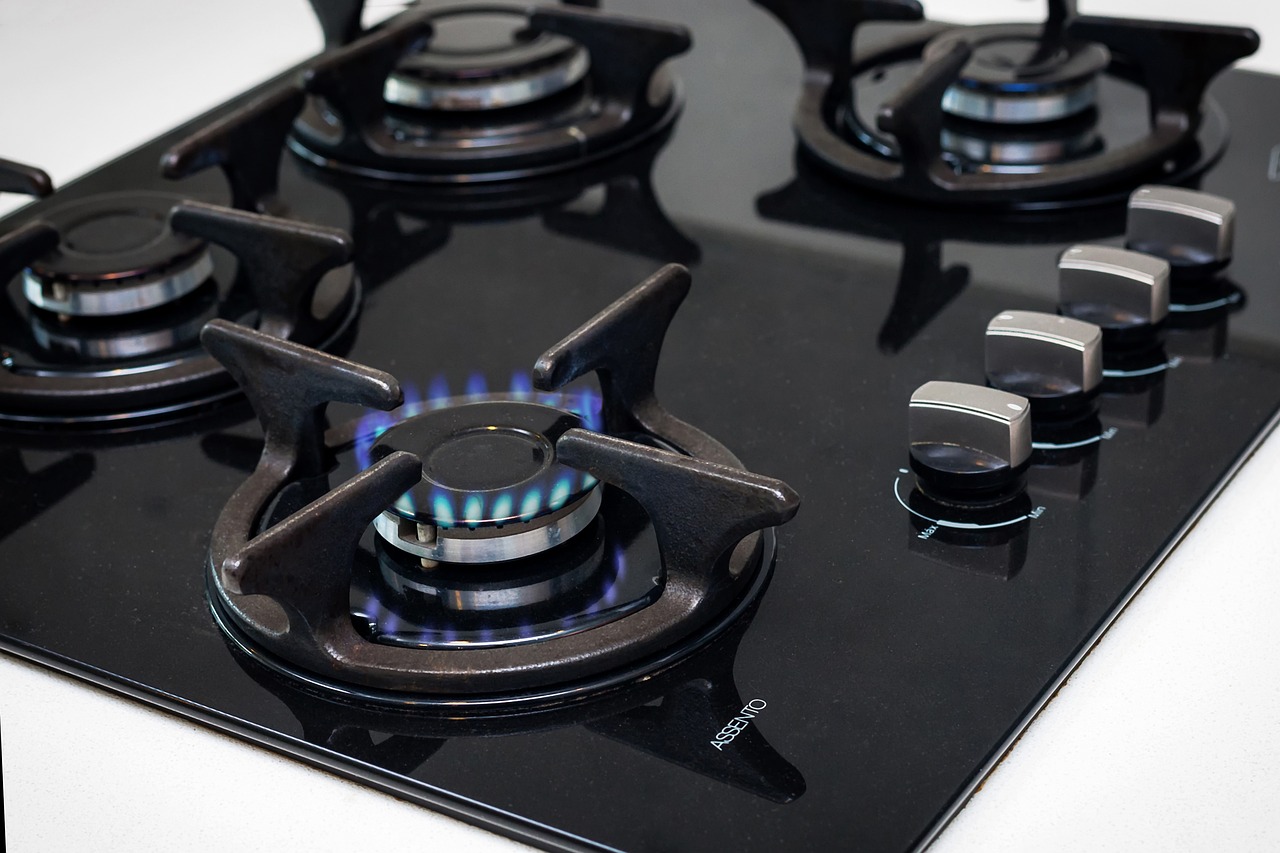
To keep your gas stove operating safely and efficiently, regular maintenance of the grates and burner heads is essential. Over time, grease and food particles can accumulate, which not only looks unsightly but can also obstruct the flow of gas and cause uneven flames.
Start by removing the metal grates once the stove is completely cool. Place them in a basin filled with hot, soapy water. Allow them to soak for at least 30 minutes; this helps break down stubborn, baked-on grease without the need for harsh scrubbing that could scratch the finish. For particularly tough residue, use a non-abrasive sponge or a soft nylon brush to gently lift the debris.
While the grates are soaking, turn your attention to the burner heads. These components require careful handling to avoid damaging the delicate gas ports. Follow these steps for effective cleaning:
- Use a soft-bristled brush or a clean, dry old toothbrush to gently sweep away loose debris from the burner ports.
- If the ports appear clogged, use a thin, non-metallic tool like a wooden toothpick to carefully clear the openings. Avoid using metal needles, as they can enlarge the holes and alter the flame pattern.
- Wipe the burner heads with a damp cloth to remove surface grime, then dry them thoroughly with a lint-free towel.
Before reassembling your stove, ensure that both the grates and the burner heads are 100% dry. Moisture trapped in the burner ports can prevent the igniter from sparking or cause the flame to sputter, leading to potential ignition issues. Once everything is bone-dry, place the components back into their original positions. Test each burner briefly to confirm that the flame burns a consistent, steady blue. If you notice any yellow flickering or unevenness, double-check that the burner head is seated level and that the ports are completely clear of debris. Regular attention to these parts will extend the lifespan of your stove and improve your overall cooking experience.
Removing Stubborn Grease on Enamel Surfaces
Traditional enamel stove tops are durable, but they are prone to collecting stubborn, baked-on grease. Because enamel can be scratched by harsh abrasives, it is essential to use gentle methods that lift grime without damaging the finish. A mild degreaser or a simple homemade solution of equal parts white vinegar and water works effectively to break down these deposits.
To clean your enamel surface safely, follow these steps:
- Lightly spray the affected area with your chosen solution, ensuring the surface is damp but not soaked.
- Allow the liquid to dwell for three to five minutes. This waiting period is critical, as it allows the solution to penetrate and soften the hardened grease.
- Using a soft, non-abrasive sponge, wipe the area in gentle circular motions. The grease should lift away easily without requiring aggressive scrubbing.
- Buff the surface dry with a clean microfiber cloth to restore its original shine and prevent water spots.
When cleaning around the controls, exercise extreme caution. Never spray liquid directly onto knobs, dials, or digital displays. Excess moisture can seep into the internal components of the stove, leading to short circuits or long-term corrosion of the electrical wiring. Instead, spray your cleaning solution onto a cloth first, then wipe around these delicate areas carefully.
If you encounter particularly persistent burnt-on food, avoid using steel wool or metal scrapers, which will permanently mar the enamel. If the grime remains after a second application of your vinegar solution, create a thick paste using baking soda and a small amount of water. Apply this paste to the spot and let it sit for ten minutes. The mild alkalinity of the baking soda helps dissolve fats, while its fine texture acts as a gentle abrasive that won’t scratch the enamel. Always rinse the area thoroughly with a damp cloth afterward to ensure no residue remains, as leftover cleaning agents can sometimes discolor the surface when the stove is heated again.
Ongoing Maintenance and Troubleshooting
The secret to a pristine stove is consistent, low-effort maintenance rather than periodic deep cleaning. By wiping down your cooktop after every use—once the surface has cooled sufficiently—you prevent grease splatters and food spills from hardening into stubborn, carbonized buildup. A simple microfiber cloth dampened with mild dish soap is usually sufficient for daily maintenance.
If you encounter persistent issues despite regular cleaning, follow these practical steps to troubleshoot before calling for professional help:
- Uneven flames: If your gas burners produce irregular or yellow flames, food debris may be clogging the burner ports. Remove the burner caps and heads, then use a soft brush or a straightened paperclip to gently clear any obstructions. Ensure all parts are completely dry before reassembling.
- Lingering odors: If a burnt smell remains after cleaning, check for charred residue trapped in the crevices around the burner base or beneath the cooktop surface.
- Consult your manual: Always refer to your manufacturer’s guide for specific cleaning agents. Using abrasive scrubbers or harsh chemicals can permanently damage specialized finishes like glass-ceramic or stainless steel.
Safety is paramount when dealing with kitchen appliances. While external cleaning is straightforward, internal components are complex and often house high-voltage electrical connections or sensitive gas lines.
Do not attempt to disassemble the stove’s internal wiring, igniters, or gas valves yourself. If you notice any of the following, stop using the appliance immediately and contact a certified technician:
- The stove fails to ignite consistently.
- You smell gas when the appliance is turned off.
- There are visible signs of electrical damage, such as frayed wires, sparking, or a burning plastic odor.
Attempting unauthorized repairs can void your warranty and pose significant fire or shock hazards. For persistent mechanical failures, professional intervention is the only safe and reliable solution to ensure your kitchen remains a functional, hazard-free environment.
Frequently Asked Questions
How can I safely remove burnt-on food from my stove top?
To safely remove stubborn, burnt-on food, you must first ensure the stove surface is completely cool to the touch. Applying cleaners to a hot surface can cause dangerous steam or damage the finish. Start by applying a mixture of baking soda and water to the affected area, allowing it to sit for at least 10 to 15 minutes. This dwell time helps soften the hardened debris, making it easier to remove. Use a non-scratch microfiber cloth or a soft sponge to gently wipe away the residue in circular motions. Avoid using abrasive tools like steel wool or metal knives, as these can permanently scratch your cooktop surface. Patience is key; letting the solution do the heavy lifting prevents the need for aggressive scrubbing that might compromise the integrity of your appliance.
What tools should I avoid using when cleaning a glass cooktop?
When cleaning a glass or ceramic cooktop, you must avoid any tools that can cause micro-scratches or gouges. Never use steel wool, scouring pads, or harsh metal scrapers, as these will permanently damage the finish and trap grease over time. Additionally, avoid using abrasive powdered cleansers that can dull the polished surface of your appliance. Instead, rely on soft microfiber cloths, non-scratch sponges, and gentle, stove-safe cleaning solutions. If you encounter extremely stubborn residue, you may use a dedicated cooktop scraper, but only if it is sharp and used at a very shallow angle. Using the correct, non-abrasive tools is essential to maintaining the aesthetic value and longevity of your glass stove, ensuring it remains looking brand new for many years to come.
Is it safe to clean my stove top while it is still warm?
No, you should never attempt to clean your stove top while it is still hot. Safety must be your primary priority before starting any maintenance. Cleaning a heated surface can cause cleaning agents to evaporate instantly, leaving behind stubborn, baked-on residue that is even harder to remove. Furthermore, applying liquids or sprays to a hot cooktop can create dangerous steam, potentially leading to burns. In the case of glass or ceramic surfaces, thermal shock from applying cool liquids to a hot surface could even cause the glass to crack. Always wait until the appliance is completely cool to the touch before beginning your cleaning process. If you are cleaning an electric stove, confirm all dials are off and consider unplugging the unit for added safety.
How do I properly clean gas stove grates without damaging them?
Cleaning gas stove grates is a straightforward process if you avoid harsh scrubbing. Once the stove is completely cool, remove the metal grates and place them in a basin filled with hot, soapy water. Allow them to soak for at least 30 minutes, which helps break down baked-on grease effectively. For any remaining tough residue, use a non-abrasive sponge or a soft nylon brush to gently lift the debris. Soaking is the most effective way to clean these parts because it prevents the need for aggressive scrubbing that could scratch or chip the finish. Once the grates are clean, ensure they are thoroughly dried before placing them back on the stove to prevent rust and ensure the appliance functions efficiently during your next cooking session.
How can I keep my gas burner ports clear of debris?
Maintaining clear burner ports is essential for ensuring even flames and safe operation of your gas stove. While the grates are soaking, inspect the burner heads for any food particles or grease buildup. Use a soft-bristled brush or a clean, dry old toothbrush to gently sweep away loose debris from the burner ports. It is important to handle these components with care to avoid damaging the delicate gas ports. If the ports appear clogged, take your time to clear them gently without forcing any objects into the openings, which could cause damage. Regular maintenance prevents the buildup of carbon layers that can obstruct the flow of gas. By keeping these ports clean, you ensure your stove performs efficiently and maintains a consistent heat output for all your home cooking needs.
Why is regular stove maintenance important for my kitchen appliances?
Regular maintenance of your stove top is vital for both the efficiency and longevity of your kitchen appliances. Consistent cleaning prevents the accumulation of grease, food particles, and carbon layers that become significantly harder to remove over time. When grime builds up on a gas stove, it can obstruct gas flow and cause uneven heating, while residue on a glass stove can become baked on, potentially requiring more aggressive cleaning that risks scratching the surface. By establishing a routine cleaning schedule, you protect your kitchen investment and keep your surfaces looking their best. Always follow safe cleaning practices, such as waiting for the stove to cool and using non-abrasive tools, to ensure your appliance remains in top working condition while avoiding permanent damage to the finish.