How to Clean Rust Off a Cast Iron Skillet Safely
Discover a straightforward, step-by-step method to restore your rusted cast iron skillet to its former glory. You can easily remove stubborn oxidation using common household items like vinegar and coarse salt. This simple restoration process saves your favorite kitchen tool from the trash while ensuring it remains safe and effective for your daily cooking needs.
While rust might look intimidating, it rarely signals the end of a high-quality pan’s lifespan. Most cast iron pieces are incredibly durable and can be salvaged with a little elbow grease and patience. Understanding how to tackle this damage effectively will help you maintain your cookware’s integrity and performance for many years to come.
This guide focuses on effective cleaning techniques and essential maintenance to keep your cookware in top condition for years to come. We will walk you through the necessary supplies, the scrubbing process, and the critical steps for re-seasoning your skillet. Follow these practical instructions to achieve a smooth, non-stick surface and prevent future rust buildup.

Assessing the Damage and Safety Precautions
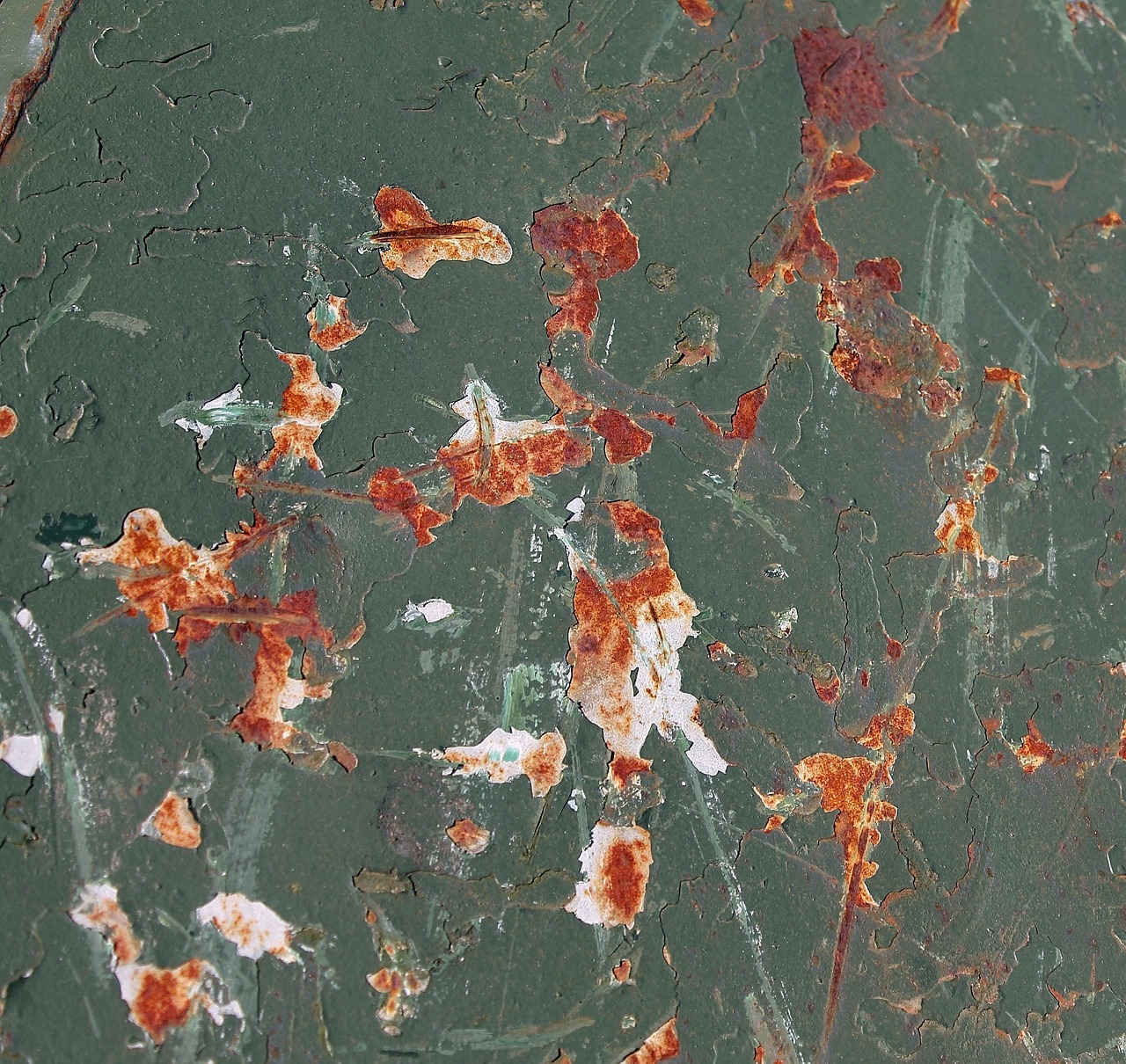
Before you begin the restoration process, take a moment to evaluate the severity of the rust. Minor surface oxidation often appears as light orange patches that feel slightly gritty to the touch. In these cases, gentle scrubbing is usually sufficient. However, if you notice deep pitting, flaking, or metal that has been eaten away, the structural integrity of the skillet may be compromised. If the skillet is severely pitted, it is often safer to retire the piece rather than attempting a repair.
Restoration involves physical abrasion, which poses risks to your health and safety. Always prioritize protection before you pick up any tools:
- Wear heavy-duty gloves: Steel wool and wire brushes can cause deep skin abrasions or splinters. Durable rubber or leather gloves provide a necessary barrier.
- Protect your eyes: As you scrub, fine particles of rust, metal, and debris will become airborne. Safety glasses are essential to prevent eye injury from flying fragments.
- Work in a ventilated space: Whether you are using chemical-free abrasive methods or natural acidic cleaners, the process creates fine dust and potential fumes. An open garage, a porch, or a well-ventilated kitchen with an exhaust fan running is ideal.
If you are using steel wool, ensure it is free of soap or chemicals unless you specifically intend to use them. Avoid breathing in the dust generated during the scrubbing phase, as inhaling metallic particles can irritate your respiratory system. If you feel lightheaded or notice excessive dust accumulation, step away and allow the area to air out before continuing.
Finally, inspect your tools. A wire brush with loose bristles is a hazard; ensure all tools are intact before applying pressure. By taking these precautions, you ensure that your restoration project remains a safe, productive task rather than a health risk. Once the area is prepped and you are properly equipped, you can move forward with the cleaning process with confidence.
Natural Methods for Removing Surface Rust
When you notice light surface rust on your cast iron skillet, you do not need harsh chemicals to restore it. Pantry staples often provide the perfect level of abrasion to lift oxidation while keeping the seasoning of your pan intact. Always start with the gentlest methods to protect the integrity of the iron.
A simple paste made from common kitchen ingredients is usually enough to handle minor spots. Choose one of the following mixtures to begin your restoration:
- Coarse Salt Paste: Mix a few tablespoons of coarse kosher salt with just enough water to create a thick, wet slurry. The salt grains act as a natural abrasive that scrubs away rust without scratching the metal surface.
- Baking Soda Paste: Combine baking soda with a small amount of water until it reaches a toothpaste-like consistency. Baking soda is slightly alkaline, which helps neutralize the oxidation process while providing a gentle scrubbing action.
To apply these solutions, spread the paste directly onto the rusted areas using a soft cloth or your fingers. Allow the mixture to sit for a few minutes to penetrate the oxidation. Using a non-metallic scouring pad or a stiff-bristled nylon brush, scrub the area in a circular motion. Avoid using steel wool at this stage, as it can be too aggressive and may strip away healthy seasoning along with the rust.
Once you have scrubbed the affected spots, rinse the skillet thoroughly with warm water. It is vital to dry the pan immediately and completely; use a clean towel followed by a few minutes on a low-heat stovetop burner to evaporate any remaining moisture. Because iron is highly susceptible to flash rust, apply a very thin layer of neutral cooking oil to the entire surface immediately after drying. This final step seals the metal and prevents new oxidation from forming while the pan is in storage. If the rust persists after these gentle treatments, you may need to consider a more intensive stripping process.

Deep Cleaning for Stubborn Rust Spots
If your skillet has stubborn rust patches that simple scrubbing cannot remove, white vinegar is a highly effective, low-cost solution. The acidity in the vinegar breaks down the iron oxide bonds, making it easier to restore your pan to its original state.
To begin, create a solution using equal parts water and white vinegar. Submerge the skillet completely in this mixture. It is critical to monitor the time closely; do not soak the pan for more than one hour. Prolonged exposure to acidic solutions can etch the metal and cause structural damage to your cookware.
Once the soaking period is complete, follow these steps to finish the cleaning process:
- Remove the skillet from the solution and immediately scrub the loosened rust away using a stiff-bristled brush or a steel wool pad.
- Rinse the pan thoroughly under warm running water to neutralize any remaining vinegar residue.
- Dry the skillet immediately with a clean, lint-free cloth or paper towel.
- Place the pan over low heat on your stovetop for a few minutes to ensure every trace of moisture has evaporated from the pores of the metal.
Acting quickly during the drying phase is essential to prevent “flash rust.” This occurs when clean, bare iron reacts rapidly with oxygen and moisture in the air, creating a new layer of rust almost instantly. Once the pan is bone-dry and cool to the touch, apply a very thin layer of neutral cooking oil to the entire surface. This protective barrier seals the metal and prevents future corrosion.
If the rust was extensive, remember that your skillet is now stripped of its seasoning. You must perform a full seasoning process—heating oil in the pan until it polymerizes—before using it for cooking again. Taking these precautions ensures your cast iron remains a reliable, non-stick tool in your kitchen for years to come.
Restoring the Seasoning Layer
Once you have successfully scrubbed away the rust, your skillet will be stripped down to raw, exposed iron. Because bare metal is highly susceptible to flash rust, you must begin the re-seasoning process immediately. This step is essential to rebuild the protective, non-stick patina that makes cast iron a kitchen staple.
To restore the seasoning layer, follow these steps:
- Choose the right oil: Select a high-smoke-point oil, such as grapeseed, flaxseed, or refined vegetable oil. Avoid butter or extra virgin olive oil, as these will burn and become sticky at high temperatures.
- Apply a micro-layer: Pour a very small amount of oil onto the pan. Use a clean, lint-free cloth or paper towel to rub the oil over the entire surface, including the handle and the bottom.
- Buff it off: This is the most important step. Wipe the pan down with a fresh paper towel as if you are trying to remove all the oil you just applied. You want only a microscopic layer remaining; if the pan looks wet or shiny, there is too much oil.
Once the pan is prepped, place it upside down on the middle rack of your oven. Positioning it upside down prevents excess oil from pooling in the bottom of the skillet. Place a sheet of aluminum foil on the rack below to catch any potential drips.
Bake the skillet at 450 degrees Fahrenheit for one hour. This high heat triggers polymerization, a chemical reaction that transforms the liquid oil into a hard, durable, plastic-like coating bonded to the metal. After the hour is up, turn off the oven and let the skillet cool completely inside before removing it.
If the surface looks dull or uneven, you can repeat this process two or three times to build a deeper, more resilient finish. With a solid base layer established, your skillet is once again protected against moisture and ready for daily cooking.
Ongoing Care and Maintenance Tips
Preventing rust is far easier than removing it. Once you have successfully restored your cast iron, consistent habits will keep it in peak condition for years to come. The most critical rule is moisture control; water is the primary enemy of iron.
After washing your skillet, never let it air dry. Instead, place the pan on a burner over low heat for a few minutes until all moisture has evaporated. Once the pan is bone-dry and still warm, apply a very thin layer of neutral cooking oil—such as grapeseed or canola—to the entire surface using a paper towel. Buff away any excess oil so the pan feels smooth, not sticky, before storing it in a dry location.
To ensure your skillet remains a reliable kitchen workhorse, follow these essential maintenance practices:
- Avoid the dishwasher: The harsh detergents and prolonged exposure to water will strip your seasoning and induce rapid rusting.
- Skip the soak: Never leave your skillet sitting in a sink of soapy water. This encourages deep rust and can damage the integrity of the metal.
- Use proper utensils: While cast iron is durable, using metal spatulas can help smooth out the seasoning over time, whereas plastic or silicone tools are gentler on the finish.
- Store wisely: If you stack your pans, place a paper towel or a felt protector between them to prevent scratching the seasoning of the skillet below.
While surface rust is usually a simple fix, monitor your cookware for structural issues. If you notice deep pitting that creates jagged holes or visible cracks in the metal, the skillet may be compromised. In these cases, the pan may no longer be safe for cooking. If the piece has sentimental value, consult a professional metal restorer to evaluate the damage. Otherwise, it is safer to retire the skillet and invest in a new one to ensure your meals remain free of metal debris.