How to Clean Grease Out of a Sink Drain Safely and Effectively
Discover the most effective methods to clear grease buildup from your kitchen sink drain. This guide focuses on safe, DIY solutions to restore proper drainage without damaging your plumbing system. By addressing the blockage quickly, you can prevent stubborn clogs from forming and keep your kitchen pipes running smoothly for years to come.
While grease is a common culprit for slow drains, it is important to understand that harsh chemical cleaners often do more harm than good. These corrosive substances can degrade older pipes and irritate your skin. Instead, we emphasize gentle, natural techniques that tackle stubborn oil deposits while keeping your home environment safe and healthy.
In the following sections, we will walk you through step-by-step instructions for using household staples like baking soda, vinegar, and boiling water to dissolve grease. You will also learn essential maintenance tips to prevent future buildup, ensuring your sink remains clear and functional. Let’s get your kitchen back in working order today.

Why Grease Causes Sink Clogs
When you pour cooking fats, oils, and grease (FOG) down the drain, they may appear liquid, but they are deceptive. As these substances travel through your plumbing, they quickly lose heat. Once they cool, they undergo a phase change, transitioning from a warm liquid into a thick, waxy solid that adheres firmly to the interior walls of your pipes.
This buildup creates a sticky, hydrophobic film that acts like a magnet for other waste. Instead of flowing smoothly into the sewer system, subsequent food particles, coffee grounds, and soap scum become trapped in this greasy lining. Over time, this accumulation narrows the diameter of the pipe, significantly restricting water flow and creating the perfect environment for a stubborn, recurring clog.
To understand why this happens, consider how these materials behave in your kitchen:
- Temperature Sensitivity: Fats are chemically designed to harden at room temperature. Your pipes are often much colder than your kitchen, accelerating this solidification process immediately upon contact.
- Cumulative Growth: Grease does not wash away with water. Because it is hydrophobic, it repels the water flowing over it, allowing layer upon layer of fat to build up over months or even years.
- Structural Obstruction: Once the pipe diameter is sufficiently reduced by grease and trapped debris, the plumbing can no longer handle the volume of water from a standard faucet, leading to slow drainage or total blockage.
The most effective way to manage this is prevention. Never pour bacon grease, pan drippings, or cooking oils directly into the sink. Instead, wipe greasy pans with a paper towel before washing them, or pour excess oil into a sealable container to be disposed of in the trash. By keeping FOG out of your plumbing system, you protect your pipes from the structural damage that grease accumulation inevitably causes. If you have already poured grease down the drain, avoid using harsh chemical cleaners, as these can sometimes damage older pipes or create dangerous reactions with the solidified fat.
The Boiling Water and Dish Soap Method
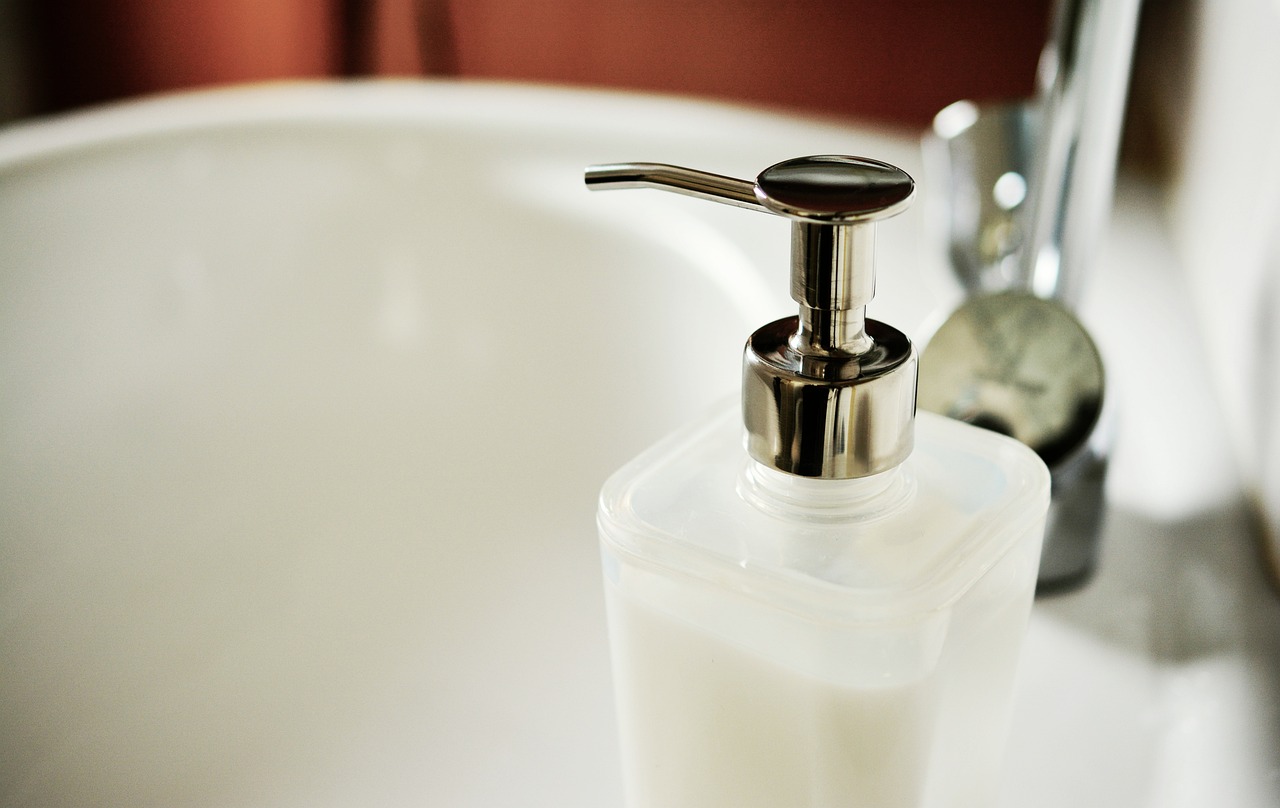
Before reaching for harsh chemicals, start with the most effective, eco-friendly solution: a combination of dish soap and boiling water. This method works because dish soap is specifically formulated to act as a surfactant. It attaches to grease molecules, breaking them down into smaller particles that can no longer cling to the interior of your pipes.
Follow these steps to clear a sluggish, grease-clogged drain:
- Boil the water: Bring a full kettle or large pot of water to a rolling boil.
- Apply the soap: While the water heats, pour about half a cup of high-quality liquid dish soap directly into the drain. The soap needs a moment to coat the grease buildup.
- The flush: Once the water is boiling, carefully pour it down the drain in a steady, controlled stream. Aim directly into the center of the drain opening to ensure the heat reaches the blockage.
- Wait and repeat: Allow the mixture to sit for several minutes. The heat helps melt the solidified fat, while the soap keeps it suspended in the water so it can be flushed away. If the water still drains slowly, repeat the process one more time.
This technique is generally safe for most standard plumbing systems, including PVC and metal pipes. However, if you have older porcelain sinks or delicate fixtures, be cautious with the water temperature; ensure you pour the water directly into the drain opening rather than onto the sink surface to prevent thermal shock or cracking.
If your drain remains clogged after two attempts, the grease buildup may be too extensive or located deeper within the P-trap. In these cases, the grease has likely hardened into a solid mass that requires mechanical removal rather than a simple thermal flush. Avoid using store-bought chemical drain cleaners immediately after this method, as the residual soap and hot water can react unpredictably with harsh acids or bases, potentially splashing back out of the drain and causing skin or eye irritation.
Using Natural Ingredients for Stubborn Buildup
When grease and organic matter accumulate in your kitchen sink, you do not always need harsh, corrosive chemicals to clear the obstruction. A simple, natural reaction between baking soda and white vinegar is often enough to break down minor grease deposits and neutralize persistent odors without damaging your plumbing.
This process relies on an acid-base reaction that creates a vigorous, carbon dioxide-fueled fizz. This effervescence physically helps dislodge debris clinging to the interior walls of your pipes. Because these ingredients are non-corrosive, they are safe for most residential piping materials, including PVC and older metal drains.
To effectively use this method, follow these steps:
- Clear the drain: Remove any visible food scraps or debris from the sink strainer to ensure the solution reaches the blockage.
- Apply the base: Pour approximately one-half cup of baking soda directly into the drain opening. Use a dry funnel if necessary to ensure the powder reaches the pipe.
- Activate the reaction: Pour one-half cup of white vinegar into the drain. Cover the opening immediately with a drain stopper or a damp cloth to force the fizzing action downward into the pipes rather than letting it escape upward.
- Let it sit: Allow the mixture to work for at least 15 to 20 minutes. This gives the reaction time to soften the solidified grease.
- Flush the system: Remove the stopper and pour a kettle of boiling water down the drain. The heat helps liquefy the remaining grease, allowing it to be washed away completely.
If you have a persistent clog that does not respond to this treatment, the buildup may be too dense for natural solutions. In such cases, avoid forcing more liquid down the drain, as this can lead to standing water. Instead, consider using a plastic drain snake or a plunger to manually remove the obstruction. Always prioritize physical removal before resorting to chemical drain cleaners, which can degrade pipe seals and joints over time.
Safety Precautions and Tools
Before you begin clearing a grease-clogged drain, prioritize your personal safety. Working with plumbing involves potential hazards, particularly when using boiling water or caustic substances. Always wear heat-resistant rubber gloves to protect your skin from hot water splashes and any lingering chemical residue that may be trapped in the pipe.
When pouring boiling water, exercise extreme caution. Steam can cause severe burns faster than liquid water. Keep your face away from the drain opening, pour slowly to prevent splashing, and ensure your workspace is clear of obstructions to avoid accidental spills.
For your safety and the longevity of your home’s plumbing, avoid using harsh, store-bought chemical drain cleaners. These products often contain lye or sulfuric acid, which can be dangerous to handle and may cause significant damage to your pipes.
Consider these essential safety guidelines:
- Wear protective gear: Use thick, waterproof rubber gloves and safety glasses to shield yourself from splashes.
- Handle boiling water carefully: Never boil water in a pot that is too heavy to control easily; use a kettle with a stable handle to ensure a steady, controlled pour.
- Avoid chemical cleaners: Harsh acids can corrode metal piping and soften PVC, leading to costly leaks or total pipe failure.
- Ventilate the area: If you are working in a tight space under the sink, ensure the kitchen is well-ventilated to avoid inhaling any fumes released as the grease breaks down.
If you have a double-basin sink, plug the second drain before you start. This prevents the hot water or debris from backing up into the other side of the sink, which could cause an unexpected overflow. By taking these simple precautions, you can effectively clear your drain while protecting both your skin and your home’s infrastructure. If the clog persists after these safe, manual methods, it is best to consult a professional plumber rather than resorting to corrosive chemicals that could compromise your drainage system permanently.
Prevention Tips and Knowing When to Call a Pro
The most effective way to keep your kitchen sink running smoothly is to stop grease from entering the pipes in the first place. Even when mixed with soap, liquid fats cool and solidify as they travel through your plumbing, eventually creating stubborn blockages that are difficult to clear with household remedies.
Instead of pouring cooking oils or fats down the drain, follow these simple disposal steps:
- Pour leftover bacon grease, pan drippings, or oil into a heat-safe container, such as an empty metal can or a glass jar.
- Once the grease cools and hardens, toss the container directly into your regular trash bin.
- For small amounts of residue on pans, use a paper towel to wipe the grease out thoroughly before placing the cookware in the sink for washing.
While preventative habits go a long way, some issues indicate that the problem has moved beyond a simple surface clog. If you notice signs of a deeper obstruction, it is time to stop using DIY methods and call a licensed professional plumber.
You likely need expert assistance if you experience any of the following:
- Persistent slow drainage: If the water continues to drain sluggishly even after you have cleared the P-trap and used a drain snake, the blockage may be located deep within your home’s main sewer line.
- Water backing up: If water begins to bubble up or spill out of other fixtures—such as a basement floor drain or a secondary sink—when you use the kitchen faucet, this is a clear sign of a significant downstream obstruction.
- Gurgling sounds: Unusual noises coming from your pipes after the water has drained can indicate that air is trapped behind a deep blockage, preventing proper ventilation.
Attempting to force heavy-duty chemical cleaners through a deep, stubborn clog can damage your pipes and pose a health risk. A professional plumber has the specialized equipment, such as hydro-jetting tools or industrial-grade cameras, to locate and safely clear these complex blockages without compromising your plumbing system.
