How to Clean Grease from a Glass Cooktop Safely and Effectively
To clean grease from a glass cooktop, apply a mixture of white vinegar and baking soda to the surface, let it sit, and wipe it away with a damp microfiber cloth. This simple method effectively breaks down stubborn, hardened residue without damaging the delicate glass material or requiring harsh, expensive chemical cleaners.
A glass cooktop is a beautiful centerpiece for your kitchen, but it can quickly become covered in stubborn grease splatters. Maintaining this surface requires consistent care, as heavy buildup can become permanently baked on over time. Understanding the right approach ensures you keep your appliance looking pristine without causing any unsightly surface scratches.
This guide explains how to remove tough buildup without scratching the delicate surface, using household staples and proper cleaning techniques. We will walk you through the essential tools needed, the most effective step-by-step cleaning process, and expert tips to prevent future grease accumulation, keeping your kitchen workspace functional, hygienic, and looking brand new.

Essential Safety Precautions Before You Begin
Before you begin cleaning your glass cooktop, prioritize safety to protect both yourself and your appliance. The most critical step is ensuring the surface is completely cool to the touch. Applying cleaning agents to a hot cooktop can cause the liquid to evaporate instantly, leaving behind stubborn residue, or worse, cause thermal shock that leads to cracks or permanent stress in the glass.
Once the surface is cool, take these precautions to ensure a safe and effective cleaning process:
- Disable the controls: Turn off the power supply at the breaker or engage the cooktop’s “lock” feature. This prevents accidental activation while you are working, which could lead to severe burns.
- Protect your skin: Degreasing agents are designed to break down tough oils and fats, which can also strip natural oils from your skin or cause irritation. Always wear rubber gloves to provide a necessary barrier.
- Choose the right tools: Never use steel wool, harsh scouring pads, or abrasive brushes. These materials are harder than the glass surface and will cause microscopic scratches that dull the finish and trap grease in the future.
Additionally, clear the area of any loose debris or large food particles before applying liquid cleaners. If you have been gardening or working outdoors, ensure your hands are free of grit or soil, as even tiny particles of sand can act as an abrasive when rubbed against the glass during the cleaning process.
By taking these few moments to prepare, you prevent accidental injuries and ensure your cooktop remains in pristine condition. A methodical approach not only makes the task easier but also extends the lifespan of your appliance, keeping your kitchen functional and safe for daily use. Always read the manufacturer’s manual for your specific model, as some glass surfaces require specialized cleaning solutions to maintain their integrity and warranty coverage. Taking care of your tools today prevents expensive repairs tomorrow.
The Vinegar and Baking Soda Method
For moderate grease buildup on your glass cooktop, a natural, non-abrasive approach is often the most effective. By utilizing common household staples like baking soda and vinegar, you can break down stubborn oils without resorting to harsh chemicals that might damage the glass surface.
To begin, create a cleaning paste by mixing two parts baking soda with one part water. The consistency should be similar to a thick spread. If you prefer a lighter touch for less intense grime, a simple spray of white vinegar works exceptionally well to cut through surface oils.
Follow these steps for optimal results:
- Apply the baking soda paste generously over the greasy areas or spritz the vinegar directly onto the surface.
- Allow the solution to sit undisturbed for at least 15 minutes. This dwell time is critical, as it gives the natural ingredients enough time to chemically break down the polymerized grease.
- Take a clean, damp microfiber cloth and begin wiping the area. Use gentle, circular motions to lift the residue away from the glass.
- Avoid applying excessive pressure, as scrubbing too hard can inadvertently scratch the cooktop.
If you used the baking soda paste, you may notice a slight white haze remaining once the surface dries. Simply wipe the area again with a fresh, damp microfiber cloth or a splash of vinegar to restore the glass to a streak-free shine. Because these ingredients are natural, they are safe to use as part of your regular kitchen maintenance routine.
Always ensure the cooktop is completely cool to the touch before applying any cleaning agents. Cleaning a hot surface can cause the liquid to evaporate too quickly, reducing its effectiveness and potentially creating stubborn water spots or steam burns. By letting the chemistry do the heavy lifting, you protect the integrity of your appliance while achieving a professional-grade finish with minimal physical effort.

Using a Razor Scraper for Stubborn Build-up
When burnt-on grease refuses to budge with standard cleaning sprays or microfiber cloths, a specialized glass cooktop scraper is your most effective tool. While it may seem intimidating to use a blade on your appliance, it is perfectly safe when handled with the correct technique.
To begin, ensure the cooktop is completely cool to the touch. Applying a razor to a hot surface can cause the glass to shatter or warp. Once cool, follow these steps for safe removal:
- Hold the scraper blade at a strict 45-degree angle relative to the glass surface.
- Apply gentle, light pressure to the edge of the hardened grease.
- Use short, controlled strokes to lift the residue away from the glass.
- Wipe away the loosened debris with a damp cloth before continuing to the next spot.
Precision is key to avoiding permanent damage. Never hold the blade flat against the cooktop, as the sharp corners can dig into the glass and create deep, irreversible scratches. Furthermore, avoid using standard utility knives or loose razor blades without a proper handle. These tools lack the ergonomic control necessary for this task and significantly increase the risk of accidental slips or gouges.
If the grease is particularly thick, do not force the blade through it in one go. Instead, apply a small amount of cooktop cleaner or a paste made of baking soda and water to soften the build-up for a few minutes before scraping. This lubrication helps the blade glide more smoothly and reduces the physical effort required.
Always inspect the blade before you start. If the edge is dull, rusted, or chipped, replace it immediately. A dull blade requires more force, which increases the likelihood of slipping and damaging your appliance. After you have successfully removed the burnt-on patches, perform a final wipe-down with a glass-safe cleaner to remove any remaining oily streaks or residue, leaving your cooktop with a streak-free, polished finish.
Polishing for a Streak-Free Finish
Once you have successfully removed the stubborn grease, your cooktop may still look slightly dull or hazy. This final polishing step is essential for removing microscopic residue and restoring that high-gloss, factory-fresh shine. Skipping this stage often leaves behind streaks that become visible as soon as the light hits the glass.
To achieve a streak-free finish, choose your cleaning agent carefully. You can use a dedicated glass cooktop cleaner, which is formulated to leave a protective barrier, or a simple homemade solution of warm water mixed with a single drop of mild, grease-cutting dish soap. Avoid using heavy-duty degreasers or abrasive chemicals at this stage, as they can leave their own film on the surface.
Follow these steps to buff your cooktop to perfection:
- Spray a light mist of your chosen cleaner onto the glass, or apply a small amount to a clean cloth rather than directly onto the surface to prevent overspray.
- Use a clean, dry, high-quality microfiber cloth to wipe the area. Microfiber is ideal because it traps fine particles rather than just pushing them around.
- Apply gentle pressure and move your hand in steady, circular motions across the entire surface.
- Switch to a fresh, completely dry section of the microfiber cloth for a final pass to lift away any lingering moisture or residue.
If you notice streaks appearing, your cloth may be saturated with residue. Simply switch to a clean, dry cloth and buff the area again. By using a light touch and the right material, you eliminate the need for harsh scrubbing. Consistent polishing not only keeps your kitchen looking pristine but also makes future cleanups significantly easier, as the smooth surface prevents food particles and grease from bonding as tightly to the glass. Always ensure the cooktop is completely cool to the touch before applying any liquids to avoid potential thermal shock or streaking caused by rapid evaporation.

Maintenance Tips and When to Seek Professional Help
The most effective way to keep your glass cooktop pristine is to adopt a routine of immediate maintenance. Once the surface has fully cooled, wipe it down after every use with a damp microfiber cloth. This simple habit prevents food splatters and oil residues from hardening, which eliminates the need for harsh scrubbing later on.
Beyond cleaning, how you handle your cookware significantly impacts the longevity of your appliance. To keep your cooktop looking new and functioning safely, follow these preventive care practices:
- Lift, don’t drag: Always lift pots and pans when moving them. Sliding heavy cookware across the glass can create micro-scratches that trap grease and eventually dull the surface.
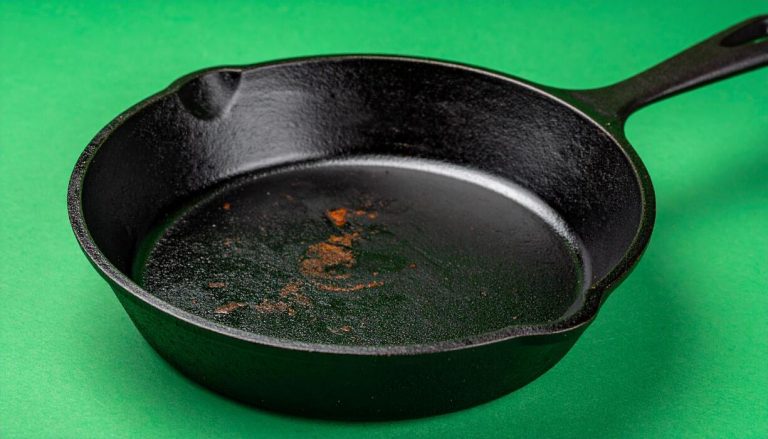
- Check your cookware: Use pots with flat, smooth bottoms. Rough or cast-iron pans can scratch the glass, while warped pans distribute heat unevenly, increasing the risk of stubborn burnt-on stains.
- Avoid abrasive tools: Never use steel wool or scouring pads. These will permanently damage the finish and make the cooktop more prone to future buildup.
- Clean spills immediately: If sugary substances or acidic liquids boil over, clean them as soon as the surface is cool enough to touch. These substances can etch the glass if left to sit.
While regular care keeps your cooktop efficient, you must remain vigilant about structural integrity. Glass cooktops are durable, but they are not indestructible. If you notice deep cracks, significant chips, or spider-webbing, stop using the appliance immediately. These damages can allow moisture or grease to reach the internal electrical components, creating a serious fire or electrocution hazard.
If you encounter these structural issues, or if the heating elements fail to activate after a thorough cleaning, do not attempt a DIY repair. Contact a certified appliance technician. Professional inspection ensures that the internal wiring remains insulated and safe. Addressing these concerns early protects your home and prevents minor surface damage from escalating into a costly total appliance failure.