How to Best Store Potatoes and Onions for Maximum Freshness
Storing potatoes and onions correctly is essential to preventing premature sprouting, rotting, and flavor degradation. You should always keep these two pantry staples in separate locations to ensure they remain fresh for as long as possible. When stored together, the gases released by onions can cause potatoes to sprout and spoil much faster.
While these vegetables are kitchen essentials, they have conflicting environmental needs that make long-term storage tricky for many home gardeners. Understanding these differences is the secret to reducing food waste and saving money on your grocery bill. With the right approach, you can easily maintain their quality and flavor for several months.
This guide explains exactly why you must keep them apart and how to create the ideal storage conditions in your home. We will cover the best temperature, lighting, and ventilation requirements for each vegetable. Follow these practical tips to master your pantry organization and extend the shelf life of your harvest effectively.
Why You Should Never Store Potatoes and Onions Together
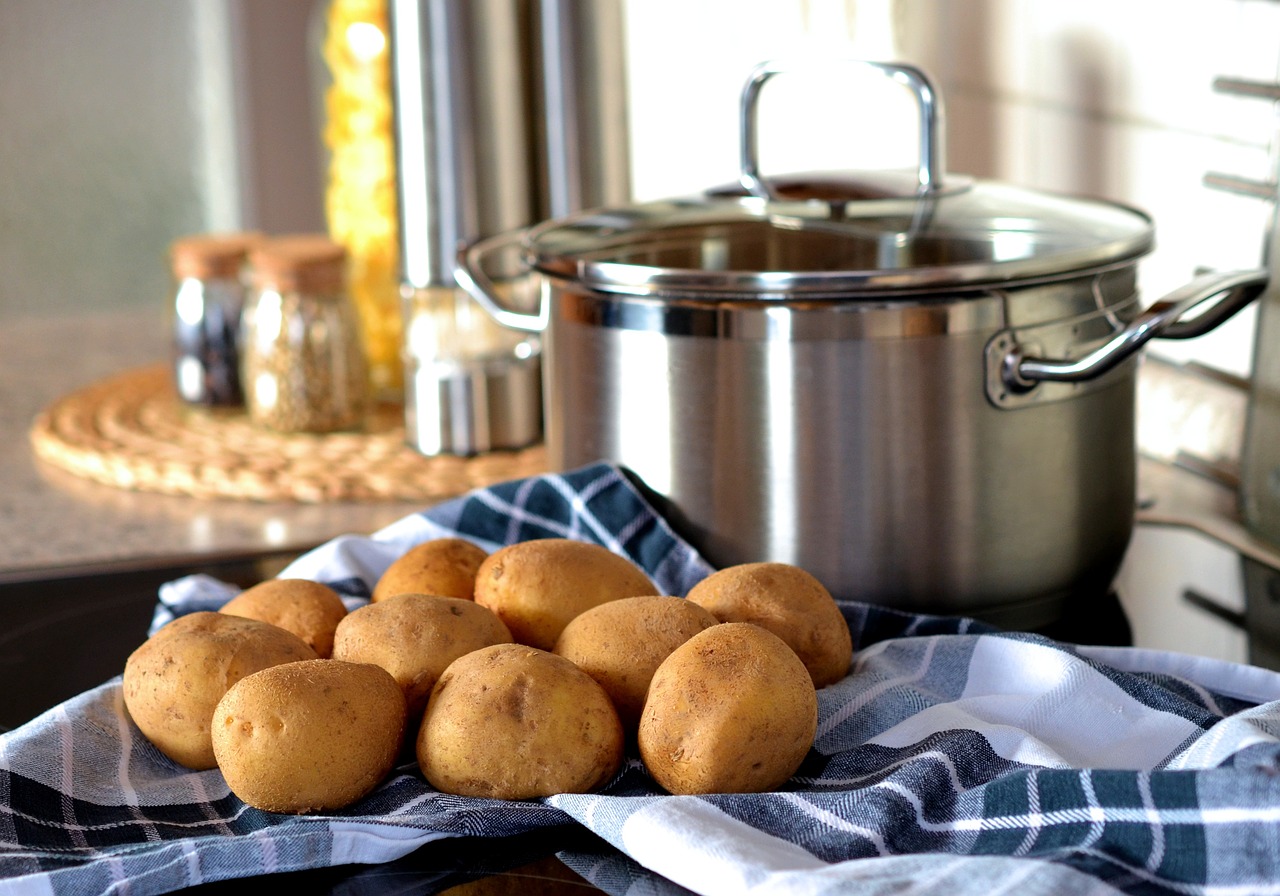
Many home gardeners and cooks make the common mistake of storing potatoes and onions in the same basket or pantry bin. While it may seem convenient to group your root vegetables together, this pairing is detrimental to the shelf life of both items.
The primary reason for separation is chemistry. Onions naturally release ethylene gas, a ripening agent that acts as a powerful catalyst for nearby produce. When potatoes are exposed to this gas, it accelerates their biological clock, causing them to sprout prematurely and soften much faster than they would if stored in isolation.
The damage works both ways. Potatoes have a high moisture content and release humidity as they age. When onions are kept in close proximity to this damp environment, they absorb the excess moisture. This leads to rapid spoilage, mold growth, and a mushy texture that renders the onions unusable in a very short time.
To maximize the longevity of your harvest or grocery haul, follow these simple storage rules:
- Designate separate zones: Keep potatoes and onions in distinct bins, ideally placed in different areas of your pantry or cellar.
- Prioritize airflow: Both vegetables require ventilation. Store them in mesh bags, wire baskets, or wooden crates that allow air to circulate freely.
- Control the environment: Keep both items in a cool, dark, and dry location. Exposure to light causes potatoes to turn green and develop solanine, which is toxic.
- Check regularly: Inspect your storage bins weekly. Remove any individual potato or onion that shows signs of soft spots or rot to prevent the issue from spreading to the rest of the batch.
By simply keeping these two staples apart, you create a stable environment that preserves their flavor, texture, and nutritional value for weeks longer. Proper storage is the most effective, low-effort step you can take to reduce food waste in your kitchen.
The Ideal Conditions for Storing Potatoes
To keep potatoes fresh and firm for months, you must mimic the conditions of a root cellar. The goal is to keep the tubers dormant, preventing premature sprouting or spoilage. If potatoes are exposed to warmth or light, they will quickly lose their quality.
The ideal environment for long-term storage is cool, dark, and well-ventilated. Aim for a temperature range between 45 and 50 degrees Fahrenheit. If the area is too warm, the potatoes will sprout; if it is too cold, the starch converts to sugar, which alters the flavor and texture when cooked.
Light exposure is the primary enemy of potato quality. When potatoes are exposed to sunlight or harsh artificial light, they produce chlorophyll and a compound called solanine. This process turns the skin green and creates a bitter, potentially toxic taste. Always store them in a dark pantry, cupboard, or basement.
Proper airflow is equally critical to prevent rot. Follow these storage guidelines to ensure your harvest lasts:
- Choose breathable containers: Use burlap sacks, woven baskets, or cardboard boxes with pre-cut ventilation holes. These materials allow air to circulate freely around the tubers.
- Avoid plastic: Never store potatoes in sealed plastic bags. Trapped moisture accelerates decay and encourages mold growth.
- Check regularly: Inspect your stash every few weeks. Remove any potatoes that show signs of soft spots or rot immediately, as one bad potato can quickly spoil the entire batch.
- Keep them separate: Do not store potatoes near onions. Onions release ethylene gas, which causes potatoes to sprout significantly faster than they would on their own.
By maintaining a dark, cool, and airy environment, you can significantly extend the shelf life of your potatoes. When properly managed, a high-quality crop can remain in excellent condition throughout the winter months, providing a reliable staple for your kitchen without the need for refrigeration or chemical preservatives.
Best Practices for Storing Onions
To keep onions firm and flavorful for months, you must prioritize air circulation and moisture control. Unlike many other root vegetables, onions are highly sensitive to humidity, which quickly leads to softening, sprouting, or mold growth.
The ideal environment for storing onions is a cool, dark, and well-ventilated space. A temperature range between 40°F and 50°F (4°C to 10°C) is perfect. Avoid areas near plumbing, under sinks, or inside humid pantries, as the trapped moisture will accelerate decay.
Use these storage methods to ensure maximum shelf life:
- Mesh Bags or Netting: These are the gold standard for onion storage. The open weave allows air to flow freely around every bulb, preventing the buildup of trapped moisture.
- Wire Baskets: If you prefer a countertop solution, use a wire basket that allows for airflow from all sides. Avoid solid plastic or glass containers, which suffocate the produce.
- Shallow Trays: Spread onions out in a single layer on a shallow, ventilated tray. This prevents bruising and makes it easy to inspect the bulbs periodically for any signs of spoilage.
It is critical to keep onions away from potatoes. When stored together, onions release ethylene gas, which causes potatoes to sprout prematurely. Conversely, the moisture emitted by potatoes can cause onions to rot faster. Keeping them in separate locations is the single most effective way to extend the life of both crops.
Regularly inspect your supply to catch any issues early. If you notice a single onion becoming soft or showing signs of mold, remove it immediately from the rest of the batch. This prevents the spread of decay to healthy bulbs. If you have already peeled or chopped an onion, transfer the remainder to an airtight container in the refrigerator, where it will stay fresh for up to seven days. By maintaining a dry, airy environment and keeping them away from moisture-heavy zones, you can enjoy your harvest well into the winter months.
Safety Tips for Handling and Preparation
Before preparing stored potatoes and onions for a meal, perform a thorough visual and tactile inspection. Gently press on the produce to check for soft spots, moisture, or sunken areas. If you notice any signs of mold, strong odors, or sprouts, discard the affected item immediately to prevent the decay from spreading to healthy vegetables.
When trimming away small, localized blemishes, prioritize your safety by using a stable, non-slip cutting board. Always use a sharp, high-quality knife; a dull blade is more likely to slip and cause injury. Keep your fingers tucked away from the path of the blade and work on a flat, well-lit surface to maintain full control during the process.
If you are a DIY enthusiast building custom storage solutions, such as wooden crates or ventilated shelving, follow these essential workshop safety protocols:
- Eye Protection: Always wear impact-resistant safety glasses to shield your eyes from flying sawdust, wood chips, and debris.
- Power Tool Safety: Before making adjustments, changing blades, or performing maintenance on power saws, always disconnect the tool from its power source.
- Protective Gear: Use appropriate respiratory protection, such as an N95 mask, when cutting wood to avoid inhaling fine particulates.
- Workspace Stability: Ensure your workbench is level and clear of clutter. Secure your lumber with clamps before making cuts to prevent the material from shifting unexpectedly.
Maintaining a safe environment is just as important as the quality of your harvest. By keeping your tools sharp, your workspace organized, and your produce inspected, you ensure that your home gardening efforts remain both productive and injury-free. Never attempt to use power equipment if you are feeling fatigued or distracted, as this significantly increases the risk of accidents. Taking a moment to prepare your workspace properly allows you to focus on the task at hand, whether you are crafting storage for your next harvest or preparing a fresh meal for your family.
Troubleshooting Common Storage Issues
Even with the best storage practices, issues can occasionally arise. If you notice your potatoes or onions beginning to sprout or soften, do not panic. Simply prioritize using these items in your upcoming meals first to prevent further degradation.
For potatoes showing small sprouts, you can safely cut them away before cooking. However, you must discard any potatoes that have developed a green skin or emit a strong, bitter smell. These are signs of solanine buildup, a natural toxin that can cause illness if ingested.
If you find that your produce is consistently softening or sprouting prematurely, your pantry environment may be the culprit. Ideally, these vegetables require a cool, dark, and well-ventilated space. If your current storage area is too warm or humid, consider moving your stock to a cooler basement or a dedicated root cellar area to extend their shelf life.
Mold is another common challenge that requires immediate intervention. If you spot any signs of fuzzy growth or decay, follow these steps to protect your remaining supply:
- Isolate: Immediately remove the affected items from the storage container. Mold spores spread quickly and can ruin healthy produce within days.
- Inspect: Carefully check all neighboring potatoes and onions for soft spots or dampness, as these are often the first signs of contamination.
- Clean: If you use storage bins, wipe them down with a dry cloth or mild vinegar solution and ensure they are completely moisture-free before returning your remaining vegetables to them.
Maintaining a regular inspection schedule—ideally once a week—is the best way to catch these issues early. By pulling out any compromised items quickly, you ensure that the rest of your harvest remains fresh and safe for consumption. Remember, onions and potatoes should never be stored together, as the ethylene gas released by onions can cause potatoes to sprout faster, compounding your storage difficulties.