How to Best Store Onions and Potatoes to Keep Them Fresh Longer
Storing onions and potatoes correctly is essential for preventing premature sprouting, rotting, and food waste. Although they are common pantry staples, these two vegetables require different environmental conditions to stay fresh. Understanding these specific needs is the secret to extending your harvest or grocery haul and keeping your kitchen supplies usable for months.
While it is tempting to toss everything into a single bin, keeping these items together often causes them to spoil faster. Potatoes release moisture that encourages onions to rot, while onions emit gases that can trigger unwanted sprouting in potatoes. Mastering the art of separation is the most effective way to ensure long-term success.
This guide explains how to properly cure, separate, and store your produce to maximize shelf life in any home environment. We will cover ideal temperature ranges, humidity levels, and the best containers for airflow. Follow these practical steps to keep your onions and potatoes crisp, firm, and ready for your next delicious home-cooked meal.
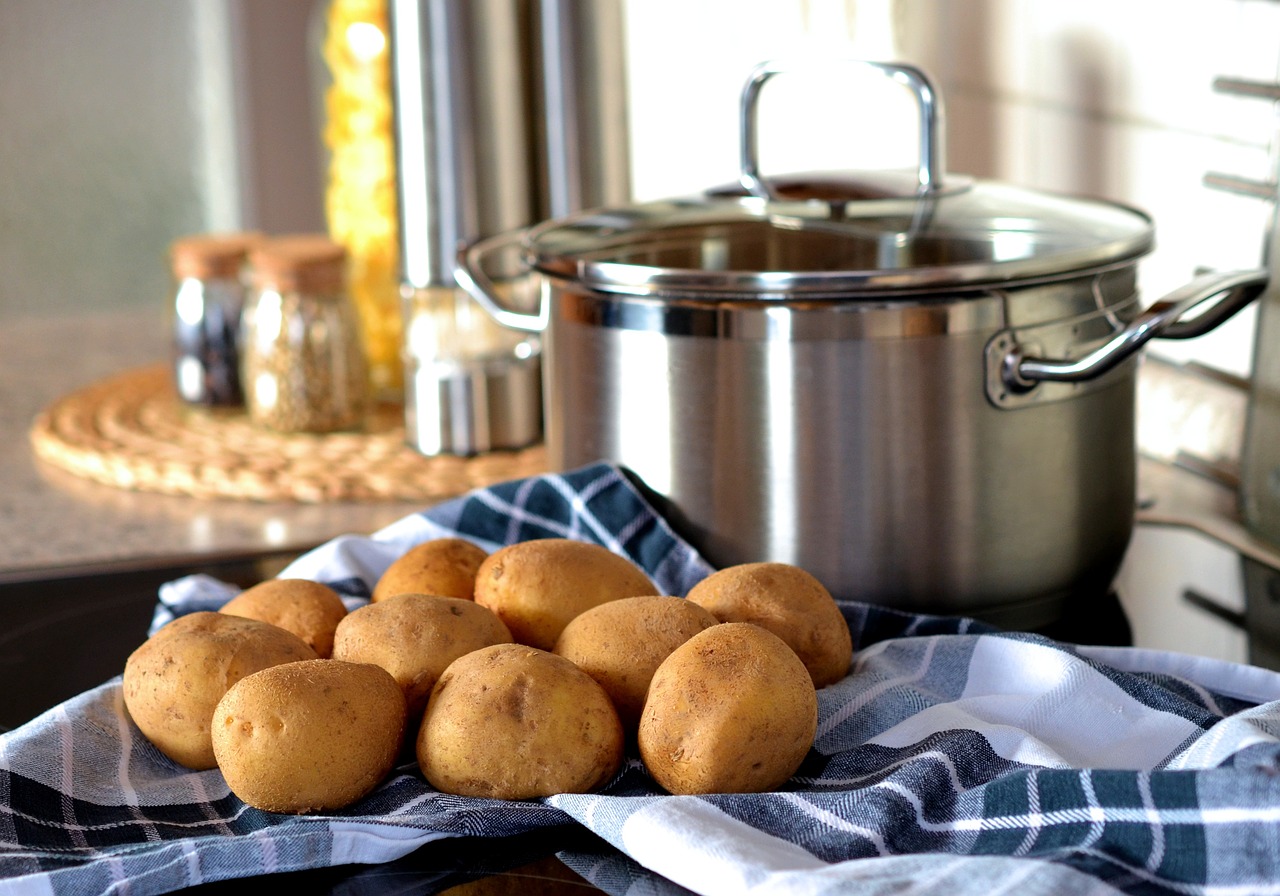
Why You Should Never Store Onions and Potatoes Together
If you want to extend the shelf life of your pantry staples, the most critical rule is simple: keep your onions and potatoes apart. While it may be tempting to group them together in a single basket or bin, doing so is a recipe for premature spoilage.
The primary culprit is ethylene gas. Onions naturally release this odorless, colorless plant hormone, which acts as a ripening agent. When potatoes are exposed to ethylene gas, it triggers a biological response that causes them to sprout and soften much faster than they would in isolation. Conversely, potatoes release moisture as they age; if onions are nearby, they will absorb that humidity, which leads to mold growth and decay.
To keep your produce fresh for as long as possible, follow these storage guidelines:
- Designate separate areas: Store onions and potatoes in different cupboards, on separate shelves, or in distinct bins. Even a few feet of distance can make a significant difference.
- Prioritize airflow: Both vegetables require good ventilation to prevent rot. Use wire baskets, mesh bags, or wooden crates that allow air to circulate freely around the produce.
- Check for proximity: If you are limited on space, ensure that your storage containers are not touching. If you must store them in the same pantry, place them on opposite ends of the shelf.
- Monitor regularly: Even with perfect storage, check your stash weekly. Remove any vegetable that shows signs of soft spots, sprouting, or mold immediately to prevent the issue from spreading to the rest of your stock.
By simply separating these two staples, you create an environment that honors their individual storage needs. Onions prefer a cool, dry, and well-ventilated space, while potatoes thrive in a cool, dark, and slightly humid environment. By respecting these differences, you will significantly reduce food waste and ensure your ingredients remain firm and flavorful for weeks to come.
Ideal Storage Conditions for Onions
To keep your onions firm and flavorful for months, you must replicate a cool, dry, and dark environment. Onions are highly sensitive to humidity and light, both of which can trigger premature sprouting or soft rot. Aim for a storage temperature between 35°F and 50°F (2°C to 10°C) in a location with consistent, low humidity.
Air circulation is the most critical factor in preventing decay. Never store onions in airtight plastic bags, as these trap moisture and create the perfect breeding ground for mold. Instead, opt for breathable containers that allow air to move freely around every bulb.
Use these storage methods for the best results:
- Mesh bags: These provide maximum ventilation and allow you to easily inspect for any softening bulbs.
- Wire baskets: Excellent for keeping onions elevated and separated from other produce.
- Perforated crates: Ideal for larger harvests, ensuring airflow reaches the center of the pile.
If you are harvesting onions from your own garden, the preparation phase is just as important as the storage location. Before moving them into long-term storage, you must ensure the bulbs are fully cured. This process involves leaving the onions in a warm, dry area with exceptional airflow until the outer skins become papery and the necks are completely shriveled and dry to the touch.
Once cured, trim the roots and tops, leaving about an inch of the stem if you prefer, then move them to your chosen storage container. Keep them away from potatoes; while it is common to see them paired in recipes, onions and potatoes have different humidity requirements. When stored together, the moisture released by potatoes can cause onions to spoil much faster. Regularly check your stash and remove any bulbs that show signs of soft spots or sprouting to protect the rest of your harvest.
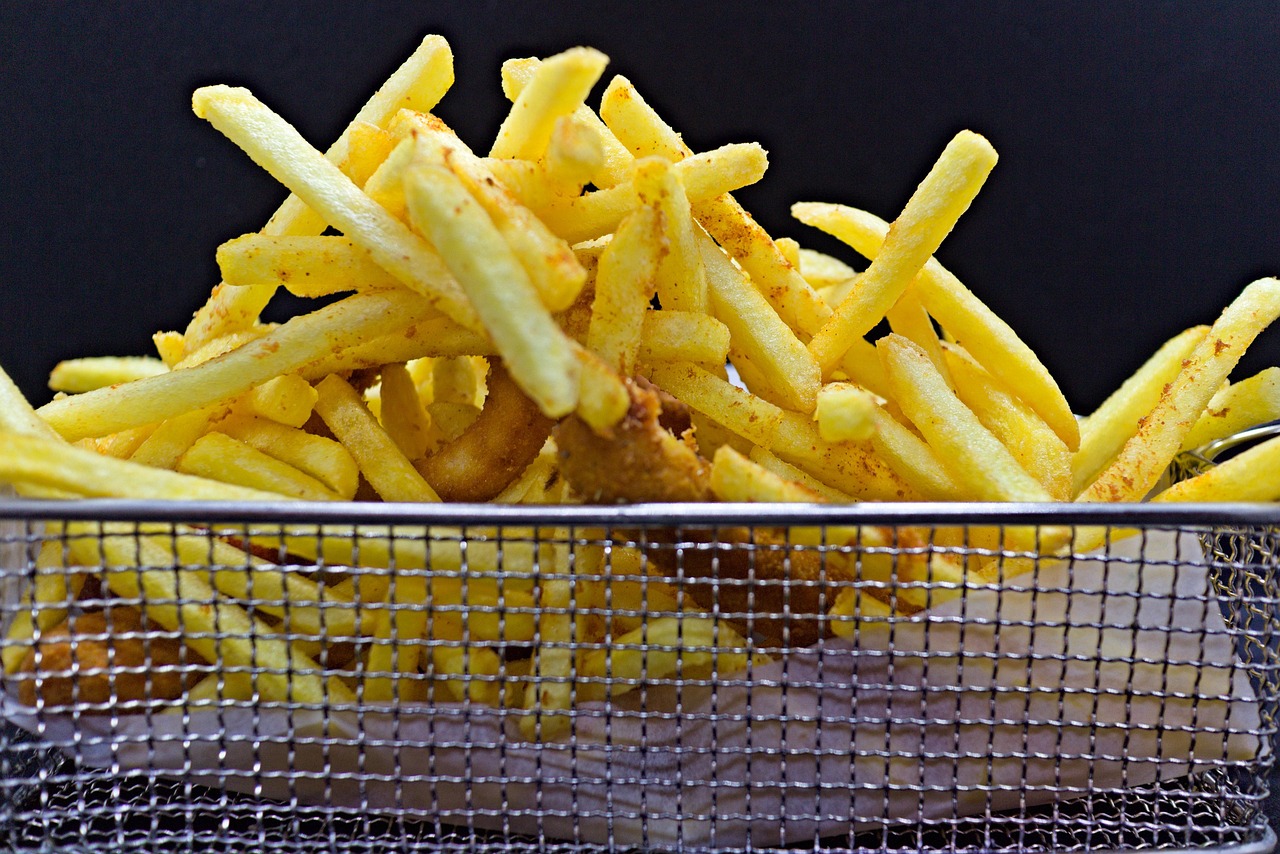
Best Practices for Storing Potatoes
To keep potatoes fresh and safe to eat, your primary goal is to replicate the conditions of the earth where they grew. Potatoes require total darkness to prevent them from turning green. This green discoloration is a sign of solanine production, a natural but toxic compound that can cause illness if consumed in large quantities.
Choose a cool, dark, and well-ventilated location for your storage. A basement, root cellar, or a dedicated pantry cupboard away from heat sources—like the oven or dishwasher—is ideal. The perfect temperature range is between 45°F and 50°F (7°C to 10°C). If the environment is too warm, the potatoes will sprout prematurely; if it is too cold, the starch converts to sugar, altering the flavor and texture.
Proper airflow is just as critical as temperature control. Never store your potatoes in sealed plastic bags, as these trap moisture and accelerate rotting. Instead, use breathable containers that allow air to circulate freely around the tubers:
- Cardboard boxes: Poke a few holes in the sides to improve ventilation.
- Burlap sacks: These are excellent for maintaining airflow while blocking out light.
- Wicker baskets: A decorative and highly breathable option for smaller stashes.
One of the most common mistakes is washing potatoes before putting them away. Moisture is the enemy of long-term storage; it creates the perfect breeding ground for fungal growth, mold, and bacterial decay. If your potatoes are covered in garden soil, simply brush off the loose dirt with a soft-bristled brush or a dry cloth before storing them. Wait to wash them under running water until the exact moment you are ready to peel or cook them.
Finally, inspect your stash every few weeks. If you find a single potato that has started to rot or turn mushy, remove it immediately. A single decaying potato can quickly spoil the entire batch by spreading moisture and bacteria to the healthy ones nearby.
Safety Precautions When Preparing and Storing
Before you begin constructing custom racks or shelving for your root cellar or pantry, prioritize your physical safety. Building storage structures often requires power tools, which demand focus and the correct protective gear. Always wear ANSI-rated safety glasses to shield your eyes from flying wood chips, sawdust, and debris.
When cutting lumber, work in a well-ventilated area to minimize the inhalation of fine particles. Wood dust can cause significant respiratory irritation, so wearing a high-quality N95 mask is a practical precaution, especially if you are working with treated wood or MDF. Keep your workspace organized and clear of offcuts and electrical cords to prevent tripping hazards during the assembly process.
Once your shelving is built, stability is the most critical factor for long-term storage success. Onions and potatoes are deceptively heavy when stored in bulk. An unstable rack can collapse under the weight of a full harvest, potentially causing injury or damaging your food supply. Follow these steps to ensure a secure setup:
- Anchor to studs: Always secure tall shelving units directly into wall studs using heavy-duty brackets or L-braces. Do not rely on drywall anchors, as they may fail under the weight of heavy produce crates.
- Distribute weight: Place your heaviest bags of potatoes on the bottom shelves to lower the unit’s center of gravity. This prevents the structure from becoming top-heavy and prone to tipping.
- Test for movement: Before loading your produce, give the unit a firm push. If it wobbles or shifts, add additional bracing or tighten all hardware connections immediately.
- Level the floor: If your storage area has uneven flooring, use shims under the base of the shelving to ensure the unit sits perfectly flat. A level base prevents uneven stress on the frame, which is essential for maintaining structural integrity over time.
By taking these simple precautions during the preparation phase, you create a safe, durable environment that protects both you and your winter harvest.
Troubleshooting and Maintenance
Even with the best storage setup, your harvest requires ongoing attention. Regularly inspect your stored onions and potatoes at least once a week to catch issues before they compromise your entire supply. Promptly remove any vegetable showing signs of decay, as one rotting item can quickly spoil those nearby.
During your inspections, look for these specific red flags:
- Soft or mushy spots: These indicate the early stages of rot. Remove the affected vegetable immediately.
- Mold or fuzzy growth: Any visible mold suggests the environment is too humid or the produce was damaged prior to storage.
- Strong, pungent odors: A foul smell is a definitive sign of decay. Follow the scent to locate and discard the offending item.
- Sprouting: While minor sprouts can be trimmed, excessive sprouting indicates the storage area is too warm.
Pay close attention to your potatoes. If you notice the skin turning green, this is a sign of solanine accumulation, which occurs due to light exposure. If the greening is shallow, you can peel the skin away entirely before cooking. However, if the green color penetrates deep into the flesh, it is safer to discard the potato entirely to avoid potential digestive discomfort.
Environmental control is the final pillar of maintenance. If you find your storage area is consistently damp, your produce will soften and rot prematurely. Check for condensation on walls or containers, which signals high humidity. In these cases, using a small dehumidifier in your pantry or storage room can significantly improve the longevity of your harvest. Alternatively, ensure your storage containers have adequate airflow—never store produce in airtight plastic bags, as these trap moisture and accelerate spoilage.
By staying vigilant and maintaining a dry, cool, and dark environment, you can extend the shelf life of your home-grown vegetables well into the winter months. A few minutes of weekly maintenance prevents the frustration of losing a large portion of your hard-earned harvest.
