How to Store Potatoes and Onions Properly for Longer Shelf Life
Storing potatoes and onions correctly is essential to prevent premature sprouting, rotting, and flavor degradation. You should always keep these pantry staples in separate containers to ensure they stay fresh, firm, and safe to eat for months. Proper separation stops the gases released by onions from causing your potatoes to soften or sprout early.
While both vegetables are kitchen essentials, they have specific environmental needs that often conflict. Potatoes require cool, dark, and humid conditions, whereas onions prefer a dry, well-ventilated space. Understanding these distinct requirements is the secret to reducing food waste and maintaining the peak quality of your harvest throughout the entire year.
This guide explains how to master your storage setup by balancing temperature, light, and airflow. We will walk you through the best containers to use, where to hide them in your home, and common mistakes you must avoid. Follow these practical tips to keep your produce crisp and delicious until you are ready to cook.
Why Potatoes and Onions Should Not Be Stored Together
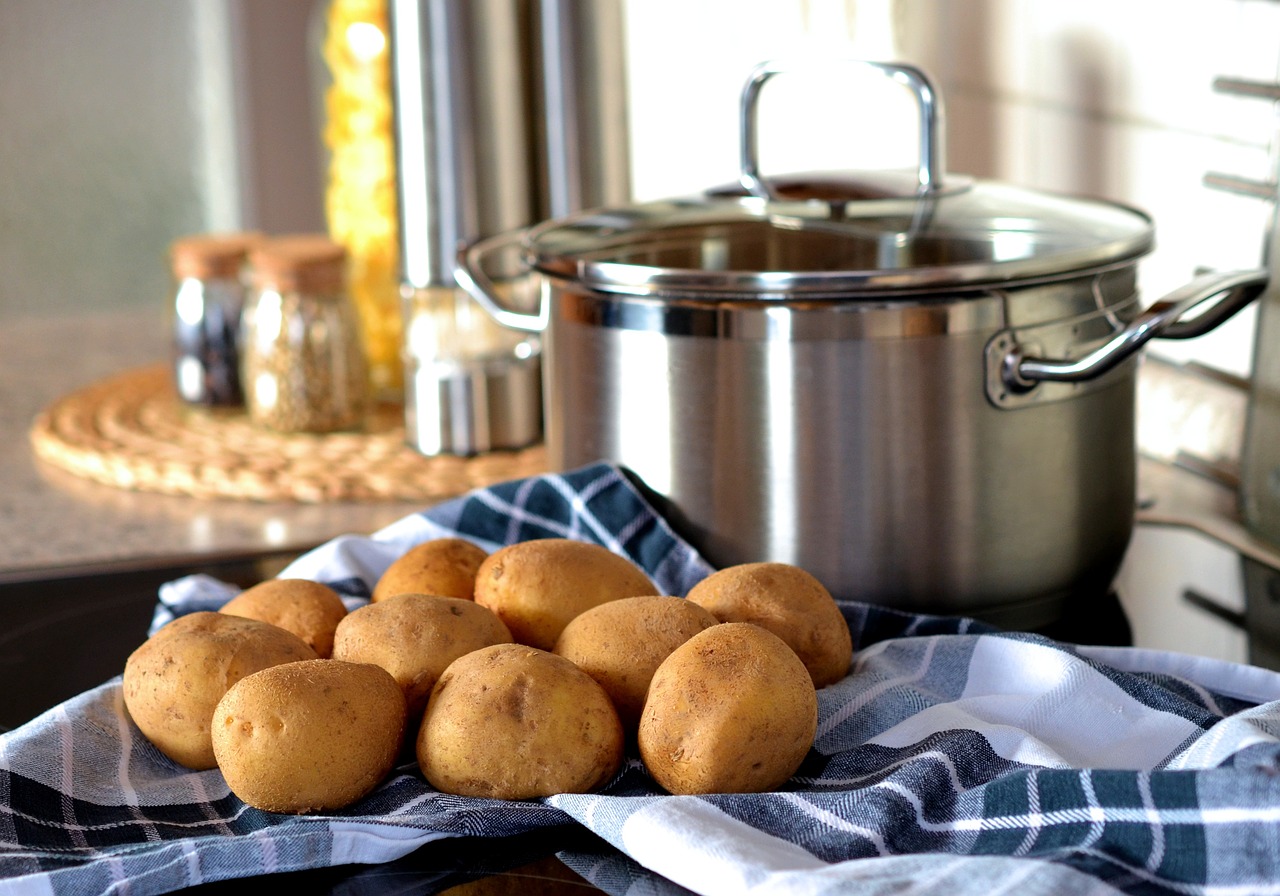
If you want to keep your root vegetables fresh for as long as possible, the most important rule is to keep potatoes and onions apart. While they are both staples of a well-stocked pantry, storing them together creates a chemical reaction that significantly shortens the shelf life of both items.
The primary issue is ethylene gas. Onions naturally release this gas, which acts as a ripening agent. When potatoes are exposed to ethylene, they receive a signal to begin the sprouting process prematurely. This leads to soft, shriveled potatoes that lose their nutritional value and texture much faster than they would in isolation.
Conversely, potatoes have a high moisture content. As they breathe, they release humidity into the surrounding air. Onions are highly sensitive to moisture; when kept near damp potatoes, they quickly become soft, develop mold, or start to rot. Storing them in the same bin creates a cycle of decay that can ruin your entire supply within weeks.
To maximize the longevity of your produce, follow these simple storage guidelines:
- Designate separate areas: Use different bins, baskets, or shelves to ensure there is no airflow between the two types of vegetables.
- Prioritize ventilation: Both potatoes and onions require good air circulation to stay dry. Avoid storing them in airtight plastic bags, which trap moisture and accelerate spoilage.
- Check for proximity: Even if they are in different containers, avoid placing them on adjacent shelves where gas or moisture can easily drift from one to the other.
- Inspect regularly: Periodically check your storage bins and remove any single potato or onion that shows signs of soft spots or decay. One bad vegetable can quickly affect the others in the same container.
By keeping these two pantry essentials separated, you can effectively prevent premature sprouting and rotting, ensuring your vegetables remain firm and flavorful for months rather than weeks.
Ideal Storage Conditions for Potatoes
To keep potatoes fresh for months, you must replicate their natural underground environment. The primary goal is to prevent sprouting, shriveling, and rot by carefully controlling their surroundings.
Potatoes thrive in cool, dark, and well-ventilated conditions. Aim for a storage temperature between 45 and 50 degrees Fahrenheit. A basement, unheated pantry, or a cool garage corner often works best. Avoid storing potatoes in the refrigerator, as the cold temperatures cause the starch to convert into sugar, which alters the flavor and texture significantly.
Light exposure is the greatest enemy of stored potatoes. When exposed to light, potatoes produce solanine, a natural compound that turns the skin green. While small amounts are harmless, consuming large quantities of green skin can cause illness. Always keep your potatoes in a dark location to prevent this chemical reaction.
Proper airflow is equally critical for longevity. Potatoes are living organisms that need to “breathe” to remain firm. If you seal them in plastic bags, moisture will accumulate, leading to mold and rapid decay. Instead, use containers that allow air to circulate freely:
- Burlap sacks: Excellent for breathability and blocking light.
- Wicker baskets: Allow maximum airflow while keeping tubers contained.
- Cardboard boxes: Ideal if you poke several holes in the sides for ventilation.
Before placing your harvest into storage, take a moment to inspect each potato. Remove any that are soft, bruised, or damaged, as a single rotting potato can quickly spoil the entire batch. Gently brush off excess dirt, but do not wash your potatoes before storage; moisture on the skin encourages rot. If you must wash them, ensure they are completely dry before putting them away.
Finally, keep your potatoes separate from your onions. Onions release ethylene gas, a natural ripening agent that causes potatoes to sprout prematurely. By giving your potatoes their own dedicated, well-ventilated space, you ensure they remain a reliable staple in your kitchen throughout the winter months.
Best Practices for Storing Onions
Proper storage is the secret to extending the shelf life of your onions. To keep them firm and flavorful for months, you must mimic the conditions of a root cellar. Onions thrive in an environment that is cool, dry, and dark, with consistent air circulation to prevent premature sprouting or mold growth.
Avoid storing onions in plastic bags. Plastic traps humidity, which quickly leads to soft spots and decay. Instead, prioritize breathability. Excellent storage options include:
- Mesh bags that allow air to flow freely around the bulbs.
- Wire baskets or open bins kept in a pantry or cupboard.
- Woven baskets that provide both ventilation and darkness.
Before placing onions into storage, inspect them for any signs of damage. Use only firm, dry bulbs with intact skins. If you notice any onions that are soft, bruised, or showing signs of rot, remove them immediately; these will spoil the healthy onions stored nearby.
If you need to trim the dried tops or root ends before storage, safety is paramount. Always place the onion on a stable cutting board to prevent slipping. Use a sharp, high-quality knife to make clean cuts, and keep your fingers curled inward—the “claw” grip—to ensure they remain a safe distance from the blade. Never force the knife; if the onion is difficult to trim, reposition it on the board rather than applying excessive pressure.
Finally, keep your onions away from potatoes. While it is tempting to store them together, potatoes release moisture and ethylene gas, which can cause onions to sprout or spoil much faster than they would on their own. By keeping these two staples in separate, well-ventilated locations, you create the ideal conditions for long-term freshness. Check your stored onions periodically, removing any that begin to soften to protect the rest of your harvest.
Safety and Preparation Tips
Before you commit your harvest to long-term storage, you must perform a thorough inspection. Potatoes and onions require a dry, stable environment, and introducing a single compromised vegetable can ruin an entire batch. Examine each item carefully and discard any that show signs of soft spots, mold, discoloration, or deep cuts. Even a small nick can lead to rapid rot, which spreads quickly through stored produce.
Preparation is not just about the vegetables; it is about your physical safety during the process. When moving heavy bags or crates of produce, prioritize your spinal health. Always bend at the knees rather than the waist, keeping your back straight and the load close to your body. If a container feels too heavy, do not hesitate to split the contents into smaller, more manageable portions.
If you are constructing custom wooden storage racks to improve airflow, follow these essential workshop safety protocols:
- Wear protective gear: Always wear safety goggles to shield your eyes from flying sawdust and wood debris.
- Manage power tools: Ensure all power tools are completely unplugged before you attempt to change blades, bits, or make adjustments.
- Secure your workspace: Use clamps to hold your lumber firmly in place while cutting to prevent kickback or slipping.
- Maintain a clear area: Keep your floor free of offcuts and excess sawdust to prevent tripping hazards.
Proper airflow is the final step in preparation. Ensure your storage containers, whether they are crates, baskets, or custom shelves, allow air to circulate freely around the produce. Avoid using airtight plastic bags, as these trap moisture and accelerate decay. By taking the time to inspect your produce and use safe building practices, you create a reliable, long-lasting storage system that keeps your harvest fresh and your kitchen organized throughout the winter months.
Troubleshooting and Maintenance
Even with the best storage conditions, your produce requires regular attention. Make it a habit to inspect your potatoes and onions at least once a week. Because these vegetables release moisture as they age, a single spoiled item can quickly degrade the quality of the entire batch.
When you check your supply, look for signs of softness, wet spots, or mold. If you detect a strong, musty, or unpleasant odor in your pantry or root cellar, act immediately. This is a primary indicator that a vegetable has begun to rot. Remove all produce from the area, discard the spoiled items, and thoroughly clean the storage bin or shelf with a mild disinfectant before replacing the remaining stock.
Use these guidelines to determine when to discard specific produce:
- Potatoes: If you notice significant sprouting or large green patches, it is safer to compost them. Green skin indicates the presence of solanine, a compound that can cause digestive distress even after cooking.
- Onions: If an onion feels mushy or shows signs of black mold around the neck, remove it immediately. Onions that have begun to sprout are generally safe to eat, but they will have a shorter shelf life and should be used first.
Proper maintenance is about prevention. By catching a rotting vegetable early, you protect the rest of your harvest from premature decay. Never attempt to “cut around” severe rot or mold, as fungal spores and bacteria can permeate the interior of the vegetable even if the surface appears salvageable. When in doubt, it is always better to compost the item than to risk foodborne illness.
Finally, keep your storage environment consistent. If you find yourself frequently discarding produce, re-evaluate your storage location. Ensure the area remains dark, cool, and well-ventilated, as excess humidity is the most common culprit behind rapid spoilage. Adjusting your setup now will save you time and prevent unnecessary food waste in the future.
