How to Use a Wusthof Ikon Knife Sharpener for Precision Results
Maintaining the edge on your premium Wusthof Ikon knives is essential for safe and efficient food preparation. Using the manufacturer-recommended sharpener correctly ensures you restore the blade geometry without damaging the steel. Mastering this process transforms your kitchen experience, allowing you to slice through garden-fresh produce and tough stems with effortless precision and safety.
While high-quality cutlery is built to last, even the finest German steel requires consistent maintenance to perform at its peak. It is important to understand that your sharpener is designed specifically for the unique angle of Ikon blades. Following these manufacturer guidelines prevents unnecessary wear and keeps your investment in top condition for years.
This comprehensive guide explains the proper technique for achieving professional results at home. We will walk you through the correct angle, pressure, and stroke rhythm required to hone your blades effectively. By following these practical steps, you will quickly gain the confidence needed to keep your kitchen tools razor-sharp for every culinary project.
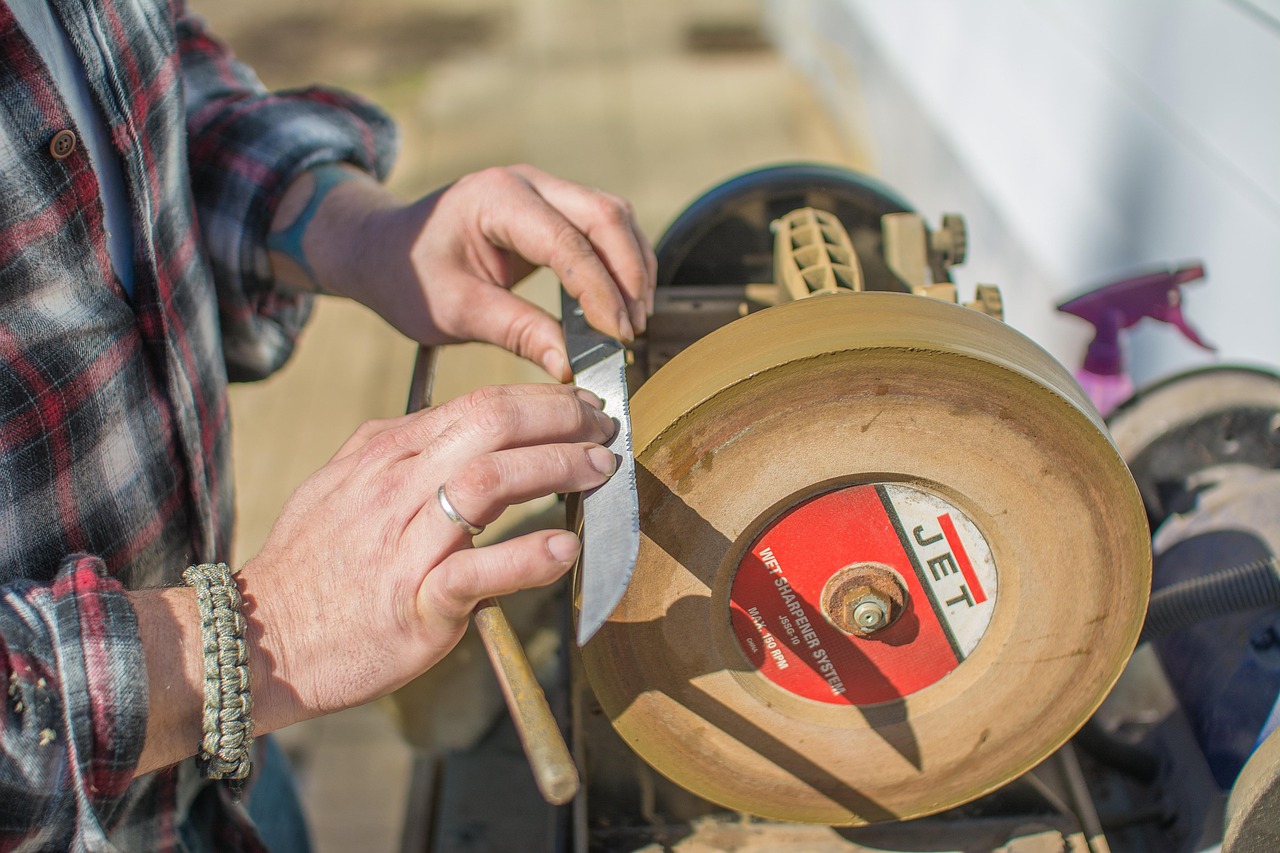
Understanding Your Wusthof Sharpener
Before you begin maintaining your Wusthof Ikon knives, you must identify which tool you are holding. Wusthof Ikon blades are precision-forged at a specific 14-degree angle, which differs from the traditional 20-degree angle found on many standard kitchen knives. Using the wrong sharpening method can damage your blade’s geometry.
Most Ikon sets include a two-stage pull-through sharpener designed specifically to match this 14-degree edge. If you are using a manual pull-through device, familiarize yourself with the two distinct slots:
- Coarse Slot: Use this only for dull blades that have lost their edge. It uses carbide blades to remove a small amount of metal, re-establishing the proper 14-degree bevel.
- Fine Slot: Use this for regular maintenance or to polish the edge after using the coarse slot. It uses ceramic rods to hone the blade, removing burrs and ensuring a razor-sharp finish.
Alternatively, you may be using a honing steel. A honing steel does not sharpen the knife by removing metal; instead, it realigns the microscopic edge of the blade that bends during daily use. If your knife feels dull, honing it frequently keeps the edge straight and effective. If the knife fails the “paper test”—where it struggles to slice cleanly through a sheet of paper—it is time for the pull-through sharpener rather than the steel.
Regardless of the tool, always place the sharpener on a flat, stable surface. Keep your fingers well away from the slots and apply light, even pressure. Never force the blade through the sharpener, as this can cause the metal to chip or create an uneven edge. If you are uncertain about the condition of your blade, start with the fine slot first; you can always progress to the coarse slot if necessary, but you cannot easily replace the metal removed by aggressive sharpening. Proper identification of your tool ensures your Ikon knives remain kitchen-ready for years to come.
Safety Precautions for Knife Sharpening
Achieving a razor-sharp edge on your Wüsthof Ikon knives requires focus and a commitment to safety. Before you begin the sharpening process, prepare your workspace to minimize the risk of accidents. Always place your sharpener on a flat, stable, and non-slip surface. If the unit slides during use, you lose control, which increases the likelihood of a slip.
Before handling your cutlery, ensure the knife handle is completely dry and free of any grease or food residue. A slick handle can cause your grip to falter, leading to dangerous contact with the blade or the sharpening mechanism. Additionally, keep your fingers positioned well away from the sharpening slots at all times.
To maintain both your safety and the integrity of your blade, follow these essential handling guidelines:
- Apply gentle pressure: Never force the blade through the sharpener. Let the internal mechanism do the work. Excessive downward force can damage the blade edge and increases the risk of the knife jumping out of the slot.
- Maintain a steady rhythm: Use smooth, controlled strokes. Rushing the process often leads to uneven sharpening and potential slips.
- Check your posture: Ensure you are standing in a comfortable, balanced position. Avoid leaning over the sharpener in a way that compromises your stability.
- Clean after use: Once finished, carefully wipe the blade with a damp cloth to remove any metal filings. Always wipe from the spine toward the edge, never the other way around, to prevent accidental cuts.
By treating the sharpening process with the same care you use when prepping ingredients, you protect your fingers and extend the lifespan of your high-quality knives. If you ever feel the knife catching or if the sharpener feels unstable, stop immediately and reset your position. Never attempt to sharpen a blade if you are distracted or tired, as precision is the best defense against injury in the kitchen.
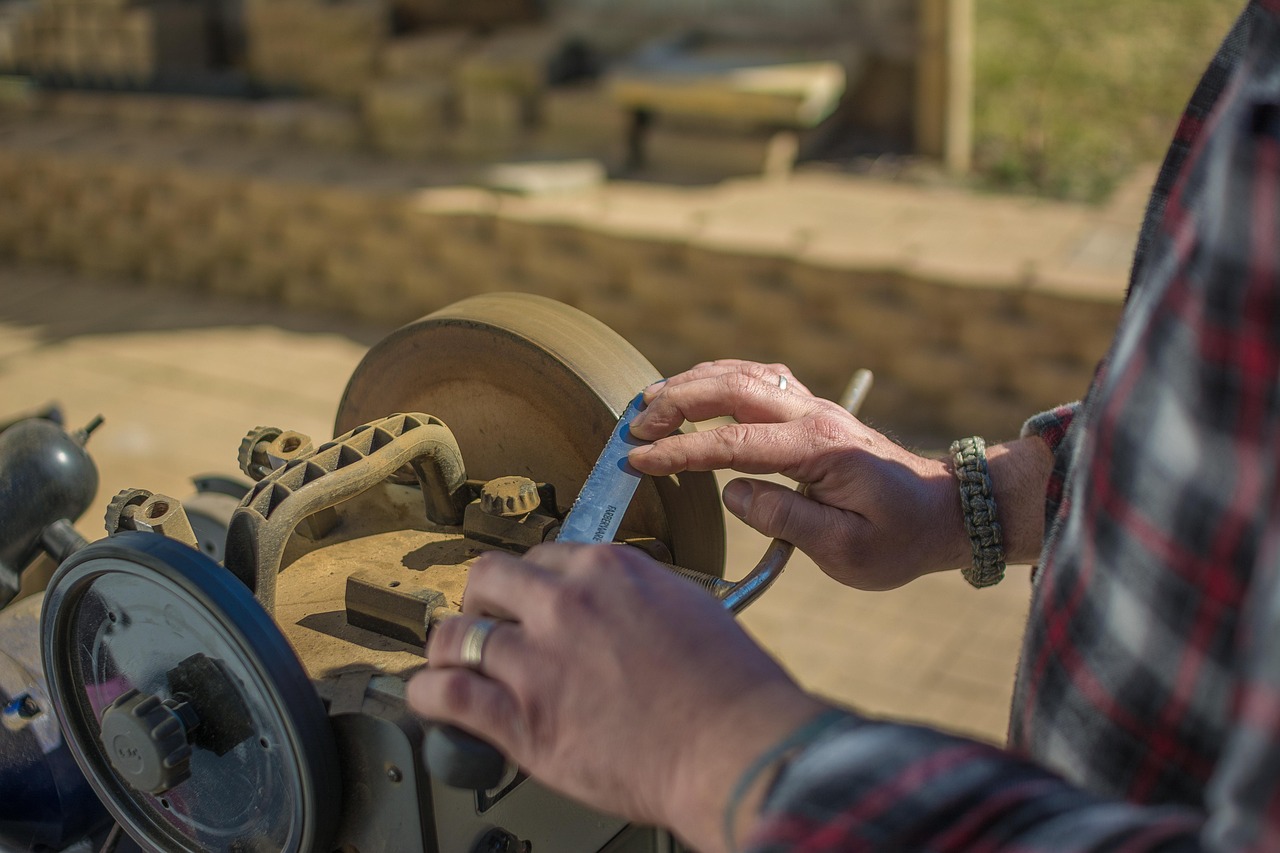
Step-by-Step Sharpening Process
Place your Wusthof Ikon knife sharpener on a flat, stable surface. Ensure the device is secure and will not slide while you work. Grip the handle of your knife firmly, keeping your fingers away from the blade’s edge at all times.
Begin the sharpening process by inserting the heel of the blade into the coarse slot. Apply light, consistent downward pressure. Pull the knife straight back toward you in one smooth, controlled motion, moving from the heel to the tip. Do not lift the knife or change the angle mid-stroke.
Follow these guidelines to achieve the best results:
- Repeat the motion through the coarse slot three to five times.
- Transition to the fine slot to polish and refine the edge.
- Maintain a perpendicular angle to the base throughout the process to ensure an even, symmetrical grind.
- Use only light pressure; the abrasive material does the work, not your strength.
After completing the fine sharpening stage, carefully wipe the blade with a soft, damp cloth to remove any metal filings. Always handle the blade with care during this cleanup phase, as the newly sharpened edge will be extremely keen.
Test the sharpness by slicing through a piece of paper or a ripe tomato. The blade should glide through without tearing or requiring excessive force. If the knife still feels dull, repeat the fine slot process two more times. Avoid over-sharpening, as this can wear down the metal unnecessarily. Consistent, light maintenance is far more effective for preserving the longevity of your Wusthof Ikon cutlery than infrequent, aggressive sharpening sessions.
Store your sharpener in a dry, safe location once you have finished. Keeping the unit clean and free of debris ensures that the sharpening elements remain effective for future use. By following this precise, measured approach, you protect the integrity of your high-quality blades while ensuring they remain reliable tools for your kitchen tasks.
Testing and Finishing Your Blade
Once you have finished the sharpening process, your blade will be covered in microscopic metal filings. These particles can be harmful if they enter your food or damage your ingredients. Carefully wipe the entire length of the blade from the spine toward the edge using a soft, damp cloth. Always keep your fingers away from the sharpened edge during this process to prevent accidental cuts.
After the blade is clean and dry, it is time to verify the results. A simple, effective way to test sharpness is the paper test:
- Hold a single sheet of standard printer paper vertically by one edge.
- Position the heel of your Wüsthof Ikon knife near the top of the paper.
- Apply gentle downward pressure, drawing the blade through the paper in a slicing motion.
A properly sharpened knife should glide through the paper smoothly without catching or tearing the fibers. If the paper tears or the blade feels like it is snagging, the edge is not yet fully refined. Do not be tempted to return to the coarse grinding slot, as this removes excessive metal and shortens the lifespan of your blade.
Instead, return to the fine-slot stage of your sharpener. The fine slots are designed specifically for honing and polishing the edge. Perform a few light, controlled passes through the fine stage, ensuring you maintain a consistent angle and pressure. After these additional passes, wipe the blade clean again and repeat the paper test. Most knives only require a few strokes in the fine slot to achieve a professional-grade edge.
Finally, store your knife in a knife block, on a magnetic strip, or in a protective sheath. Storing your sharpened Wüsthof knife loose in a drawer can cause the edge to strike other utensils, leading to premature dulling and potential damage to the precision-forged steel. Proper storage ensures your hard work lasts through many future kitchen tasks.

Maintenance and When to Seek Professional Help
Maintaining a razor-sharp edge requires more than just occasional sharpening. To extend the life of your Wüsthof Ikon and keep it performing at its best, incorporate regular honing into your kitchen routine. Using a honing steel between sharpening sessions realigns the microscopic teeth of the blade that bend during normal cutting tasks. This simple habit keeps your knife feeling sharp longer and reduces the frequency with which you need to use your manual sharpener.
Even with consistent care, manual sharpening has its limits. Your Wüsthof Ikon is a precision tool, and improper or excessive sharpening can eventually alter the blade’s geometry or remove too much steel. You should transition from DIY maintenance to professional assistance if you notice the following issues:
- Deep nicks or chips: If the blade edge has visible indentations, a standard manual sharpener will not be able to grind away enough material to level the edge effectively.
- Loss of blade shape: If the knife has been sharpened unevenly over time, the profile of the blade may become distorted, affecting its balance and cutting efficiency.
- Persistent dullness: If you have followed the correct sharpening process but the knife fails to slice through paper or produce clean cuts on produce, the edge may require a professional reset.
Professional knife sharpeners possess the specialized equipment and expertise to regrind the bevel and restore the factory edge without overheating or compromising the integrity of the high-carbon steel. A professional service can perform a “reset” on your blade, providing a clean slate for your home maintenance routine. By knowing when to step back and let an expert handle the heavy lifting, you protect your investment and ensure your knife remains a reliable kitchen companion for decades.
Always prioritize safety. If you are unsure about the condition of your blade, it is better to have it inspected by a professional rather than attempting to force a correction with a tool that isn’t designed for structural repairs.