How to Use the Wasabi Knife Sharpener for Garden Tools
A sharp blade is essential for clean cuts in the garden, which helps prevent plant disease and promotes healthy growth. To achieve this, you need to know how to use the Wasabi knife sharpener, a popular and compact tool designed to restore dull edges quickly and efficiently for all your essential gardening equipment.
While this tool is incredibly user-friendly, mastering it requires a steady hand and an understanding of your blade’s specific bevel angle. It is not a replacement for professional grinding services, but it serves as an excellent practical solution for regular maintenance, ensuring your tools remain functional throughout the demanding growing season.
This comprehensive guide explains exactly how to use the Wasabi knife sharpener safely and effectively to maintain your gardening shears, pruners, and utility knives. We will walk you through the proper positioning, the ideal number of strokes required for a razor-sharp finish, and vital safety precautions to protect your hands while working.
Understanding Your Wasabi Sharpener
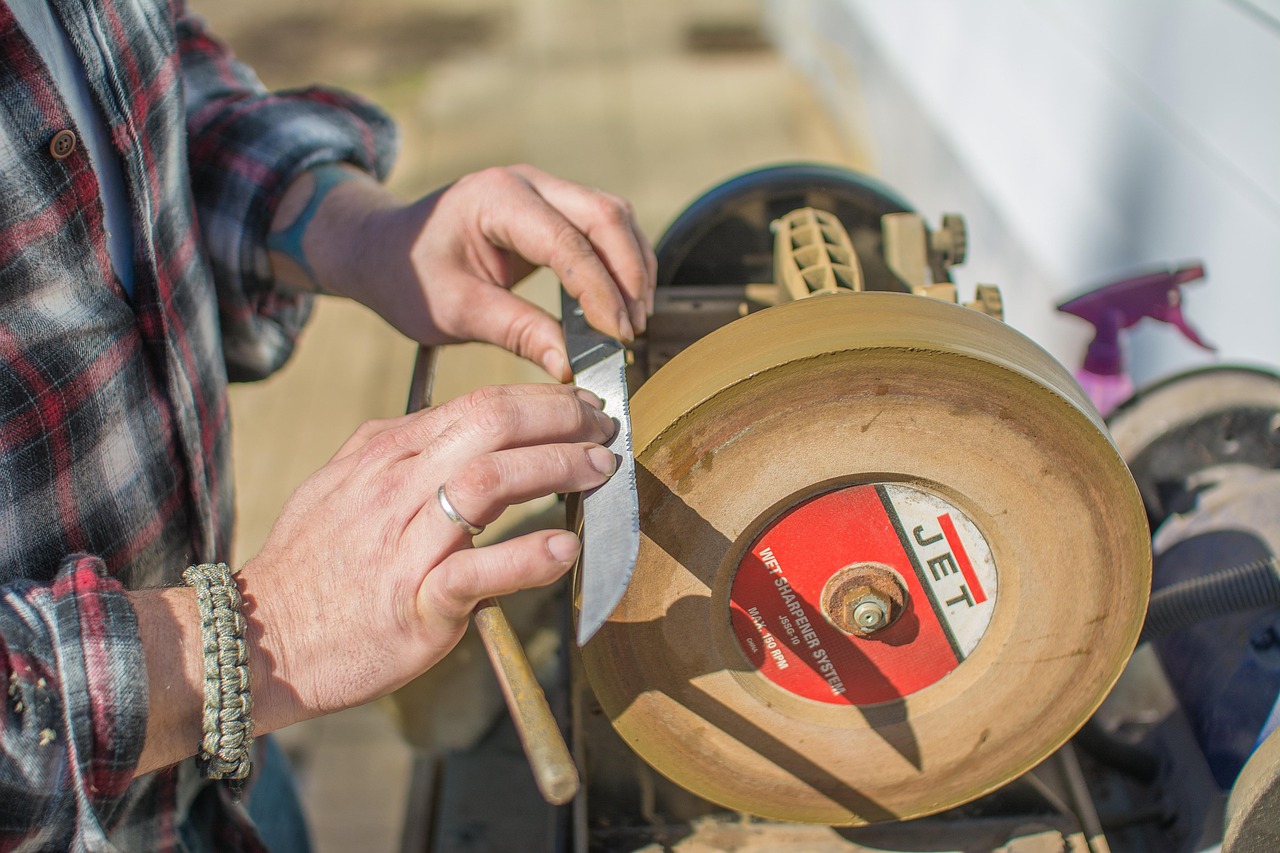
The Wasabi knife sharpener is a compact, user-friendly tool designed for quick edge maintenance. To use it effectively, you must first understand its anatomy. Most models feature a distinct V-shaped slot housing either ceramic or carbide inserts. These inserts are positioned at a precise angle to hone your blade as you draw it through the channel.
It is important to recognize the limitations of this tool. The Wasabi sharpener is engineered specifically for straight-edged kitchen knives. You should never attempt to sharpen serrated blades, such as bread knives, in these slots. Doing so will damage the serrations and ruin the geometry of the blade. Furthermore, these sharpeners are intended for routine touch-ups rather than heavy-duty edge restoration. If your knife has significant chips, deep nicks, or a completely dull edge, a whetstone or professional sharpening service is required to reset the bevel.
To ensure safety and longevity, keep these operational tips in mind:
- Blade Compatibility: Only use this sharpener on straight-edged, double-beveled blades. Avoid using it on single-beveled Japanese-style knives, as the V-slot angle may not match the factory edge.
- Light Pressure: Always apply gentle, consistent pressure. Pressing down too hard can strip metal away unnecessarily and damage the delicate ceramic or carbide inserts.
- Directional Pull: Always pull the knife toward you in a smooth, fluid motion. Never push the blade away from you or move it back and forth, as this can dull the edge and compromise the sharpener’s integrity.
- Cleanliness: Keep the sharpening slots free of debris. Metal shavings can accumulate over time, which may interfere with the sharpening process or cause uneven wear on your knife blade.
By treating the Wasabi sharpener as a maintenance tool rather than a repair kit, you can keep your kitchen knives performing at their best between professional sharpenings. Regular, light honing prevents the edge from rolling, ensuring your prep work remains efficient and safe.
Safety Precautions Before You Begin
Before you begin sharpening your gardening tools with a Wasabi knife sharpener, prioritizing safety is essential. A sharp blade makes yard work more efficient, but the sharpening process itself requires focus and caution to prevent injury.
Always wear high-quality, cut-resistant gloves during the sharpening process. Even if you are careful, a tool can slip unexpectedly, and protective gear acts as a vital barrier against accidental lacerations. Never attempt to sharpen a tool while wearing loose clothing or jewelry that could become snagged.
Before inserting any blade into the sharpener, ensure the tool is completely clean and dry. Dirt, sap, or moisture can clog the sharpening mechanism, reduce the efficacy of the abrasive surfaces, and cause the blade to slide unpredictably. Wipe your shears or pruners thoroughly with a rag and, if necessary, remove stubborn debris with a mild solvent before you start.
To maintain control and stability, follow these guidelines:
- Work on a stable surface: Place the sharpener on a flat, heavy-duty workbench or table. Avoid uneven surfaces where the tool might wobble or tip over while you are applying pressure.
- Clear the area: Ensure your workspace is free of children and pets. Sharp metal shavings and the proximity of razor-sharp blades pose a significant risk to anyone nearby.
- Mind your fingers: Keep your fingers well clear of the sharpening slot at all times. Grip the handle of the tool firmly, but ensure your knuckles and fingertips remain behind the guard or at a safe distance from the internal sharpening elements.
- Use steady pressure: Do not force the blade through the slot. Use a consistent, gentle pull to let the sharpener do the work.
By following these simple precautions, you ensure that your gardening tools remain in peak condition without compromising your personal safety. Taking an extra minute to prepare your environment properly makes the entire maintenance process significantly safer and more effective.
Step-by-Step Sharpening Process
Achieving a razor-sharp edge on your gardening tools is essential for making clean cuts, which promotes faster healing and prevents disease in your plants. Using the Wasabi knife sharpener correctly ensures both the longevity of your equipment and your personal safety during maintenance.
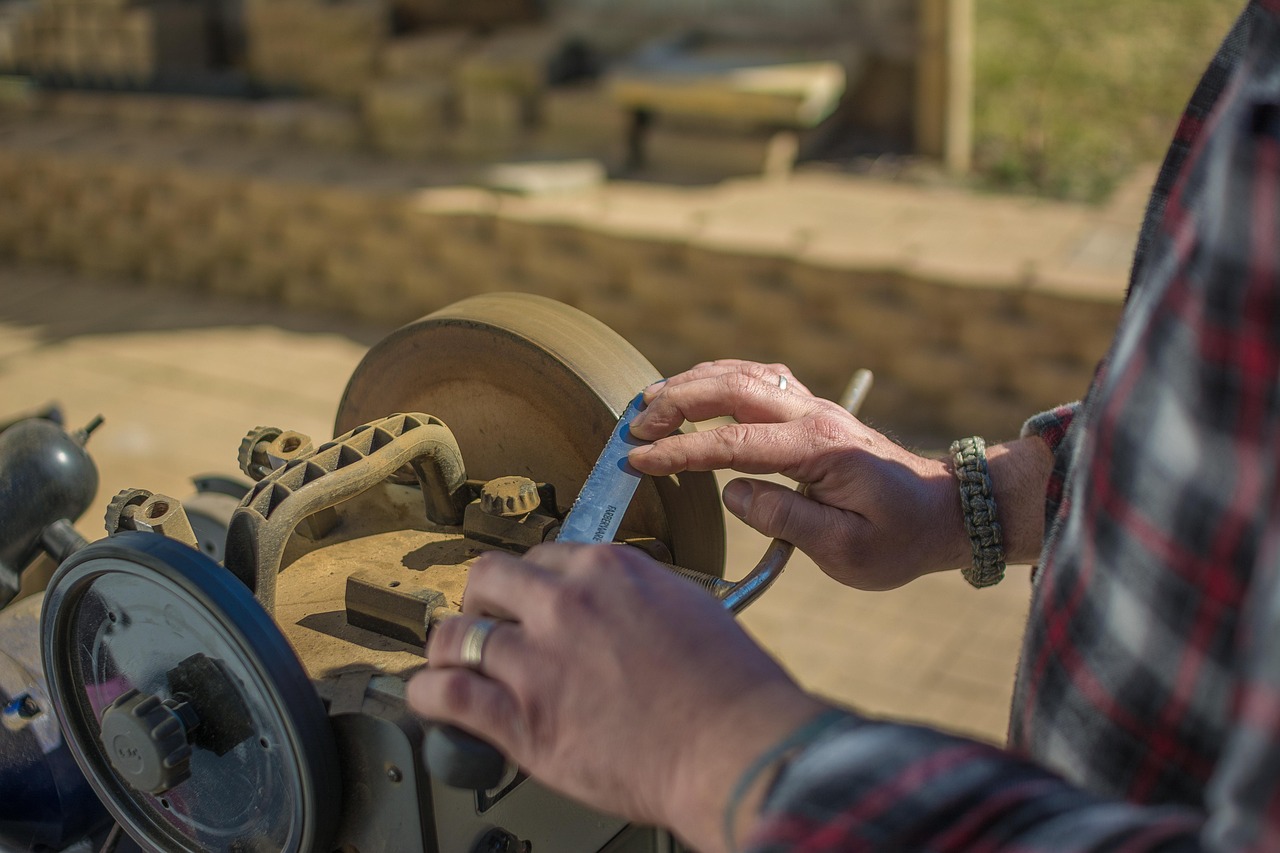
Begin by placing the sharpener firmly on a stable, flat surface, such as a sturdy workbench or kitchen counter. Ensure the device does not wobble; if it has a non-slip base, press down slightly to engage the grip. Using the sharpener on an uneven surface can lead to inconsistent angles and potentially dangerous slips.
Follow these steps to refine your blade:
- Insert the heel of the blade—the part closest to the handle—into the sharpening slot.
- Maintain the blade in a strictly perpendicular position relative to the sharpener. Tilting the blade to the side will create an uneven edge and may damage the sharpening mechanism.
- Pull the tool toward you using light, consistent pressure. Avoid pressing down too hard, as this can grind away unnecessary metal and weaken the integrity of the blade.
- Repeat this pulling motion three to five times.
After completing the cycles, carefully inspect the blade edge. It should appear uniform and free of burrs. If the blade remains dull, repeat the process for another three strokes, but do not over-sharpen, as excessive friction can heat the metal and compromise its temper.
Always keep your fingers clear of the blade’s path throughout the process. Once finished, wipe the blade clean with a dry cloth to remove any metal shavings before returning to your gardening tasks. A well-maintained tool not only makes pruning and harvesting more efficient but also ensures that you are making precise cuts that protect the health of your plants. Regular, light maintenance is far superior to aggressive sharpening, as it preserves the metal and keeps your tools ready for use throughout the growing season.
Testing and Finishing the Blade
Once you have finished using your Wasabi knife sharpener, it is time to verify the edge. Never run your finger along the blade to test sharpness, as even a dull-looking tool can cause deep cuts. Instead, use a simple, safe test to gauge your progress.
Hold a clean sheet of printer paper vertically by one edge. With the other hand, attempt to slice downward through the paper using only the weight of the knife. A properly sharpened blade should glide through the paper without snagging or tearing the fibers.
Alternatively, you can test the blade on a soft, green garden stem, such as a tomato sucker or a soft perennial shoot. A sharp blade will produce a clean, smooth cut that looks like a surgical incision. If the stem appears crushed or the paper catches and tears, your edge is not yet refined.
If the blade fails the test, return to the sharpener for a few more light passes. Follow these tips to ensure a successful finish:
- Use consistent, light pressure; heavy force can damage the blade geometry.
- Maintain the same angle you used during the initial sharpening process.
- Perform only one or two passes at a time before re-testing.
Be careful to avoid the trap of over-sharpening. Every time you pass a blade through a sharpener, a small amount of metal is removed. Excessive sharpening shortens the lifespan of your garden tools unnecessarily and can eventually lead to a brittle or uneven edge. Once the blade slices cleanly, stop immediately.
After you are satisfied with the sharpness, wipe the blade down with a clean, dry cloth to remove any fine metal filings or grit left behind by the sharpener. If you are storing the tool for the season, apply a light coat of food-safe mineral oil to the metal to prevent rust. Your sharpened tool is now ready to make clean, healthy cuts that promote faster healing for your plants.

Maintenance and When to Seek Professional Help
Proper maintenance is essential to extend the lifespan of your gardening tools and ensure the Wasabi knife sharpener remains effective. After every sharpening session, metal filings—known as swarf—will accumulate on the abrasive surfaces. If left behind, these particles can clog the sharpener, reducing its efficiency and potentially scratching your blades during future use.
To clean the sharpener, use a soft-bristled brush or a dry microfiber cloth to gently wipe away the metallic dust. Avoid using water or harsh chemical cleaners, as moisture can lead to corrosion on the abrasive components. Store the tool in a dry, cool environment to prevent rust and maintain the integrity of the sharpening mechanism.
Knowing when to sharpen and when to retire a tool is key to safe gardening:
- Frequency: Sharpen your pruners, shears, and trowels at the start of each growing season. If you notice the tool “chewing” or tearing plant stems rather than making a clean cut, it is time for a touch-up.
- Routine Care: A quick pass through the sharpener every few weeks during peak season keeps edges honed and reduces the physical effort required for pruning.
- Tool Retirement: If a tool handle is cracked, the pivot bolt is seized, or the metal is severely rusted and pitted, it is time to replace the implement rather than sharpen it.
While the Wasabi sharpener is excellent for routine maintenance, it is not a repair tool. If your blades have deep chips, jagged notches, or have become completely dull due to years of neglect, do not attempt to force the edge back into shape. Manual sharpeners are designed for honing, not reprofiling damaged steel. Attempting to grind out deep chips manually can damage the sharpener and result in an uneven, unsafe edge. In these instances, consult a professional sharpening service. They possess the industrial equipment necessary to regrind the bevel correctly, ensuring your tools return to a factory-sharp condition safely and effectively.
