How to Use the Cutco Knife Sharpener Safely and Effectively
Keeping your kitchen knives sharp is essential for safe and efficient food preparation. The Cutco knife sharpener is designed specifically for their double-D recessed edge blades, but it can be used on straight-edge knives as well. Mastering this tool ensures your blades remain in peak condition for every culinary task in your home kitchen.
While this sharpener is incredibly convenient, it is important to understand that it is not a replacement for professional sharpening services. It works best for routine maintenance and quick touch-ups rather than repairing severely damaged or dull edges. Understanding these realistic limitations helps you preserve your investment and keep your cutlery performing reliably for years.
This guide explains the proper technique to maintain your blades without causing damage during the process. We will walk you through the correct angle, pressure, and motion required to achieve a consistent edge safely. Follow these practical steps to master your sharpening routine and ensure your knives are always ready for your next meal.
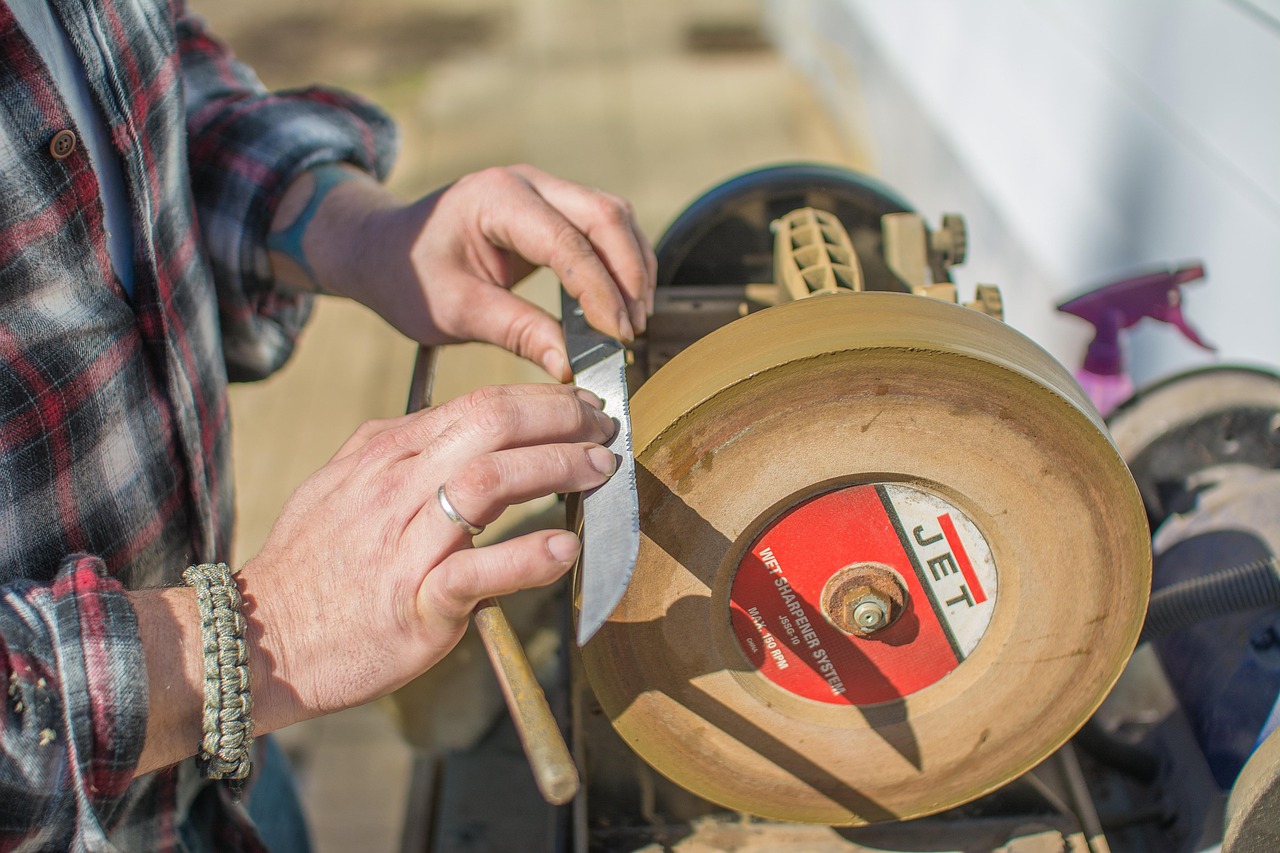
Understanding Your Cutco Sharpener
The Cutco sharpener is a precision tool designed specifically for maintaining the performance of your Cutco cutlery. To use it effectively, you must first understand the two distinct slots located on the device. Each slot serves a specific purpose based on the blade type:
- The Double-D Slot: This slot is engineered for Cutco’s signature Double-D recessed edge. It is designed to hone the points of the serrations without damaging the recessed scallops.
- The Straight-Edge Slot: This slot is intended for standard, non-serrated blades. It helps realign the edge of the metal to ensure a clean, smooth cut.
It is crucial to recognize that this tool is intended for routine maintenance rather than heavy-duty edge restoration. If your knife has become severely dull, chipped, or damaged, this sharpener will not be able to grind a new edge onto the steel. Instead, use this tool periodically to keep a sharp blade performing at its best. Regular, light maintenance prevents the edge from becoming dull enough to require professional sharpening services.
Safety and compatibility are paramount when using this device. You should only use the Cutco sharpener on knives that feature a flat bolster. The bolster is the thick junction between the handle and the blade. A flat bolster allows the knife to sit securely and safely against the sharpener’s base during the honing process. If your knife has a curved or integrated bolster that prevents the blade from resting flush against the sharpener, do not attempt to use it, as this can lead to uneven sharpening or accidental slips.
Always hold the sharpener firmly on a flat, stable surface while in use. Keep your fingers well away from the blade’s edge, and always pull the knife toward you in a smooth, controlled motion. By following these guidelines, you will extend the life of your cutlery and ensure that your kitchen tools remain reliable for years of food preparation and gardening tasks.
Essential Safety Precautions
Prioritizing safety is the most critical step when maintaining your kitchen tools. A sharp knife is a precise instrument, but improper handling during the sharpening process can lead to serious injury. Before you begin, ensure your workspace is prepared to minimize risk.
Always place your Cutco knife sharpener on a stable, flat, and non-slip surface, such as a sturdy countertop or a heavy wooden cutting board. If the device shifts while you are applying pressure, you risk losing control of the blade. Avoid using the sharpener on uneven surfaces, near the edge of a counter, or on unstable materials like a tablecloth that could slide.
Your hand placement is equally vital throughout the sharpening process. Follow these core safety rules to protect your fingers:
- Keep your fingers well away from the sharpening slots at all times.
- Maintain a firm grip on the knife handle, ensuring your fingers remain behind the bolster or guard.
- Never allow your fingers to cross the path of the blade edge while it is inside the device.
- Use your non-dominant hand only to stabilize the sharpener itself, keeping it positioned far from the entry point of the blade.
If you are new to knife maintenance or feel uncomfortable handling exposed blades, consider wearing cut-resistant gloves. These gloves provide an extra layer of protection against accidental nicks or slips. While they do not make you invincible, they significantly reduce the risk of deep cuts if your hand inadvertently brushes against the sharpened edge.
Finally, work slowly and deliberately. Rushing the process is the most common cause of accidents. If you feel the knife slipping or become distracted, stop immediately, set the knife down, and reset your position. By treating the tool with respect and maintaining a controlled, steady motion, you can effectively restore your cutlery’s edge without compromising your safety. Always store your sharpener in a secure location once the task is complete to prevent unauthorized access by others.
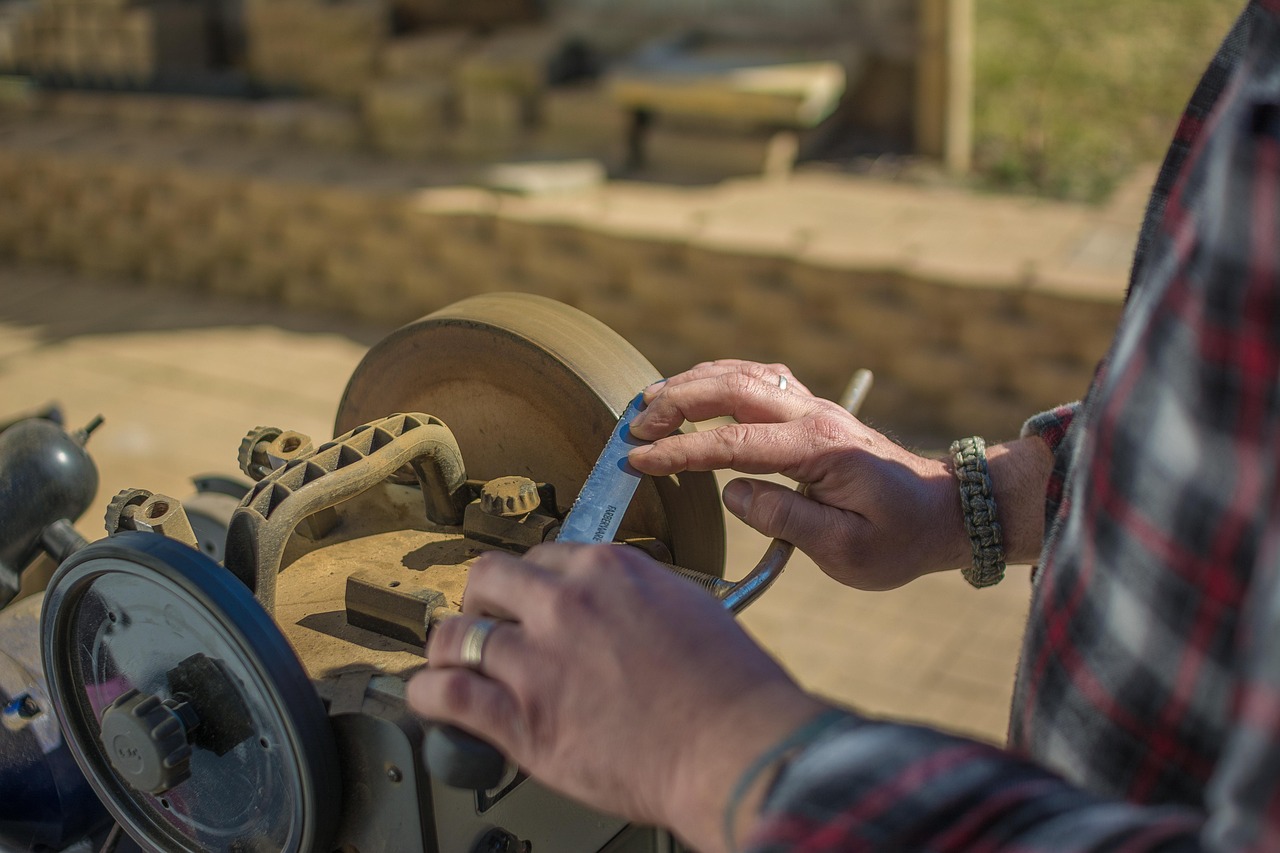
Sharpening Double-D Recessed Edges
Maintaining your kitchen tools is just as vital as proper pruning in your home garden. When it comes to your Cutco knives, the Double-D® recessed edge requires a different approach than standard straight blades. Because these serrations are designed with small, recessed cutting edges protected by larger points, you must use the specific sharpening slot designed for this purpose.
To sharpen your serrated blades effectively, follow these steps:
- Place the sharpener on a flat, stable surface.
- Insert the blade into the designated serrated slot, starting at the heel of the knife near the handle.
- Apply light, even pressure as you pull the blade toward you.
- Ensure the entire length of the blade passes through the slot in one smooth motion.
- Avoid lifting the blade mid-stroke, as this can cause uneven sharpening or damage to the scalloped design.
The secret to success is consistency. You do not need to press hard; the sharpener is engineered to do the work for you. Using excessive force can actually dull the points or mar the unique geometry of the serrations. A gentle, steady pull allows the sharpening rods to engage with the recessed edges, honing them back to their original factory sharpness.
For most home cooks, performing three to five passes is sufficient to restore the edge. If your knife has seen heavy use, you may need a few additional strokes, but always check the sharpness after every few pulls. Over-sharpening is unnecessary and can prematurely wear down the metal.
Just as you check your garden plants for signs of health, inspect your blade after sharpening. A properly maintained serrated edge should glide through fibrous vegetables like tomatoes or crusty bread without tearing. By keeping your tools sharp, you ensure cleaner cuts that minimize bruising on produce and make your meal preparation safer and more efficient. Always remember to wipe the blade clean with a damp cloth after sharpening to remove any fine metal filings before your next use.
Sharpening Straight-Edge Knives
The straight-edge slot on your Cutco sharpener is designed to restore the factory edge of your kitchen knives with minimal effort. To achieve professional results, consistency is more important than force. Always ensure your sharpener is placed on a flat, stable surface before you begin.
Follow these steps for optimal sharpening:
- Insert the heel of the blade into the designated straight-edge slot.
- Maintain a light, even grip on the handle.
- Pull the knife toward you in one smooth, continuous motion, moving from the heel to the tip.
- Lift the knife out of the slot after each pass.
It is vital to pull the knife toward you rather than pushing it away. Pushing the blade forward can cause the tip to catch or drag against the sharpening mechanism, which may dull the edge or damage the tool. By pulling, you maintain better control and ensure the blade follows the intended path.
Resist the urge to press down hard. Many users mistakenly believe that more pressure creates a sharper edge, but the opposite is true. Excessive downward force can remove too much metal, effectively grinding away the blade’s original geometry and shortening the lifespan of your knife. Let the sharpening stones do the work; a gentle, controlled touch is all that is required to hone the steel effectively.
For most maintenance, three to five light pulls are sufficient to restore a keen edge. If your knife is particularly dull, you may need a few additional passes, but always pause to test the sharpness on a piece of produce, such as a tomato, before continuing. Over-sharpening can lead to unnecessary wear. By keeping your movements steady and your pressure light, you will preserve the integrity of your blade while ensuring it remains a reliable, high-performance tool in your kitchen for years to come.

Maintenance Tips and Professional Help
Keeping your kitchen knives in peak condition requires a balance between routine maintenance and knowing when to seek expert assistance. Regular use of a manual sharpener is excellent for daily upkeep, but it should not be overused. For most home cooks, sharpening your knives once every few months is sufficient. If you find yourself needing to sharpen before every meal, your blade may have developed a burr or structural issue that a handheld tool cannot resolve.
To keep your sharpener effective, cleanliness is vital. Metal shavings and debris can accumulate in the sharpening slots, which may cause uneven sharpening or damage the blade edge. After each use, gently tap the sharpener against a hard surface to dislodge loose particles. Periodically, wipe the exterior with a soft, dry cloth. Avoid using water or harsh chemical cleaners, as moisture can lead to corrosion on the internal sharpening components.
While manual sharpening is perfect for edge maintenance, it is not a cure-all. You should consider sending your knives back to the manufacturer for professional factory sharpening if you encounter the following:
- The blade has visible chips, nicks, or deep gouges along the edge.
- The knife is completely dull and fails to slice through a piece of paper after several passes through the sharpener.
- The tip of the knife is broken or bent.
- You notice significant unevenness or a “wavy” appearance along the cutting edge.
Factory sharpening services use industrial-grade equipment to regrind the edge, effectively resetting the geometry of the blade. This process removes a controlled amount of steel to create a brand-new, razor-sharp edge that a home sharpener simply cannot replicate. If your knife feels unsafe to use or requires excessive pressure to cut through simple ingredients, stop using the manual sharpener immediately. Attempting to force a fix on a damaged blade can lead to accidents. Instead, utilize the manufacturer’s professional service to restore your cutlery to its original factory performance and ensure your kitchen remains a safe environment.
