How to Use a Furi Knife Sharpener for Optimal Garden Tool Maintenance
To use a Furi knife sharpener, simply place your blade into the guided slot and pull it toward you with light, consistent pressure. Keeping your kitchen and garden knives sharp is essential for clean cuts that protect plant health. This guide explains how to safely and effectively use this tool to restore your blades to professional quality.
Achieving a razor-sharp edge does not require professional equipment or years of experience. While many gardeners focus solely on pruning shears, maintaining your everyday kitchen knives is equally important for efficiency and safety. Understanding how your specific sharpening tool works will help you extend the lifespan of your favorite blades without causing unnecessary metal wear.
In the following sections, we break down the step-by-step process for maintaining your tools at home. You will learn how to position the sharpener for optimal results, the ideal number of strokes required for dull edges, and essential maintenance tips to keep your gear in top condition for every upcoming gardening or culinary project.
Understanding Your Furi Sharpener
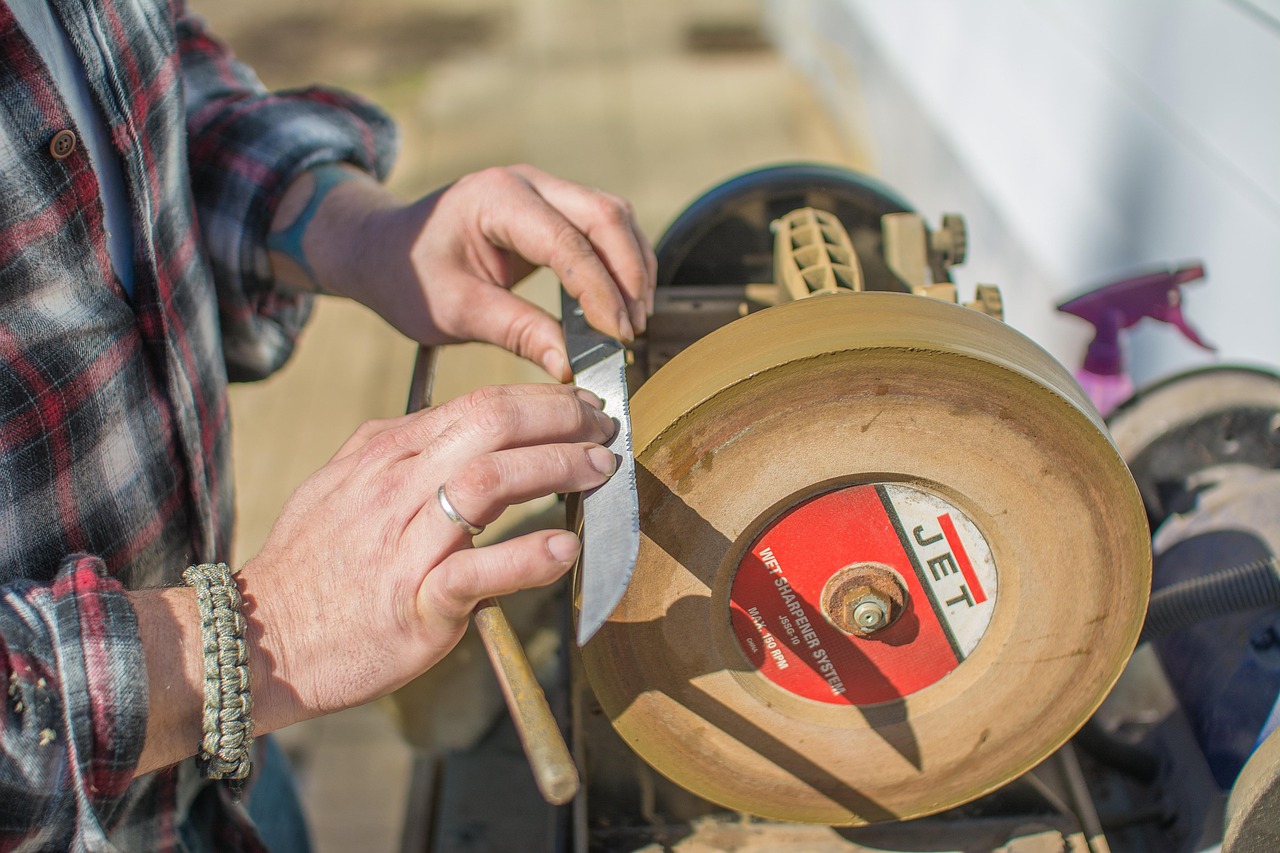
To achieve a professional-grade edge on your kitchen knives, you must first understand the specific mechanics of your Furi sharpener. These tools are engineered with precision, typically utilizing either diamond-coated fingers or high-grade ceramic wheels. Because these materials are highly abrasive, using the tool incorrectly can inadvertently remove too much metal or create uneven bevels.
Before you begin, identify your specific model. Most Furi sharpeners fall into one of two categories:
- Manual pull-through sharpeners: These feature pre-set slots that hold the blade at a fixed angle. They are designed for quick maintenance and edge realignment.
- Specialized sharpening systems: These may offer adjustable settings or multi-stage processes that require a more deliberate, controlled motion to refine the edge.
The core principle of any Furi sharpener is the maintenance of the factory-set edge angle. If your sharpener is a pull-through model, the internal mechanism is already calibrated to guide your blade correctly. Your primary responsibility is to maintain consistent, light pressure. Do not force the knife through the slots, as excessive downward pressure can cause the metal to chip or the sharpener’s internal components to wear prematurely.
If your model uses ceramic wheels, keep them clean. Over time, microscopic metal shavings can accumulate, reducing the effectiveness of the sharpener. A quick wipe with a dry cloth after each use prevents this buildup and ensures the wheels rotate freely.
Always verify that your knife is clean and completely dry before sharpening. Any residual grease or food particles can clog the diamond or ceramic surfaces, leading to an inconsistent finish. By understanding whether your unit is a simple pull-through or a more complex system, you ensure that you are honing the steel rather than damaging it. Consistent, gentle strokes are the secret to a sharp, long-lasting edge that makes food preparation safer and more efficient. Once you have identified your model’s mechanism, you are ready to proceed with the sharpening process with confidence.
Safety Precautions Before You Begin
Before you begin sharpening your gardening tools, prioritize your safety. A sharp blade is essential for clean pruning cuts that help plants heal faster, but the sharpening process requires absolute focus. Working with high-quality blades like those found on Furi knives or bypass pruners demands caution to prevent accidental slips.
Always place your Furi knife sharpener on a stable, flat, and non-slip surface. A cluttered potting bench or an uneven outdoor table can cause the device to shift during use, leading to potential injury. If your workspace lacks grip, place a damp kitchen towel underneath the sharpener to anchor it firmly in place.
Follow these essential safety protocols every time you sharpen:
- Keep fingers clear: Always maintain a safe distance between your fingers and the sharpening slots. Never let your skin pass over the edge of the blade.
- Maintain a firm grip: Ensure your hands are completely dry before handling the sharpener or your tools. Moisture reduces friction and increases the risk of the blade slipping from your grasp.
- Use gentle pressure: Never force a blade through the sharpening mechanism. If the tool does not glide smoothly, stop and re-evaluate your angle. Excessive force can damage both the blade edge and the sharpener’s internal components.
- Focus on the task: Avoid distractions while sharpening. If you are working in a busy garden shed, ensure you have adequate lighting and enough space to maneuver safely.
By treating your sharpening tools with the same respect you show your plants, you ensure a safer gardening experience. If you feel tired or rushed, it is better to postpone the maintenance until you can give the task your full attention. Once you have established a secure environment, you can proceed with confidence, knowing that your tools will be returned to a razor-sharp, efficient state, ready to tackle your next pruning project with precision and ease.
Step-by-Step Sharpening Process
Before you begin, ensure your Furi knife is completely clean and dry. Any lingering moisture or food debris can interfere with the sharpening mechanism and potentially damage the internal ceramic or diamond wheels. A clean blade ensures a consistent, professional-grade edge.
Follow these steps to sharpen your knife safely and effectively:
- Position the blade: Place the heel of the knife—the part closest to the handle—into the coarsest slot of the sharpener.
- Maintain the angle: Keep the knife level and parallel to the surface. Do not tilt the blade; the sharpener is engineered to hold the correct angle for you.
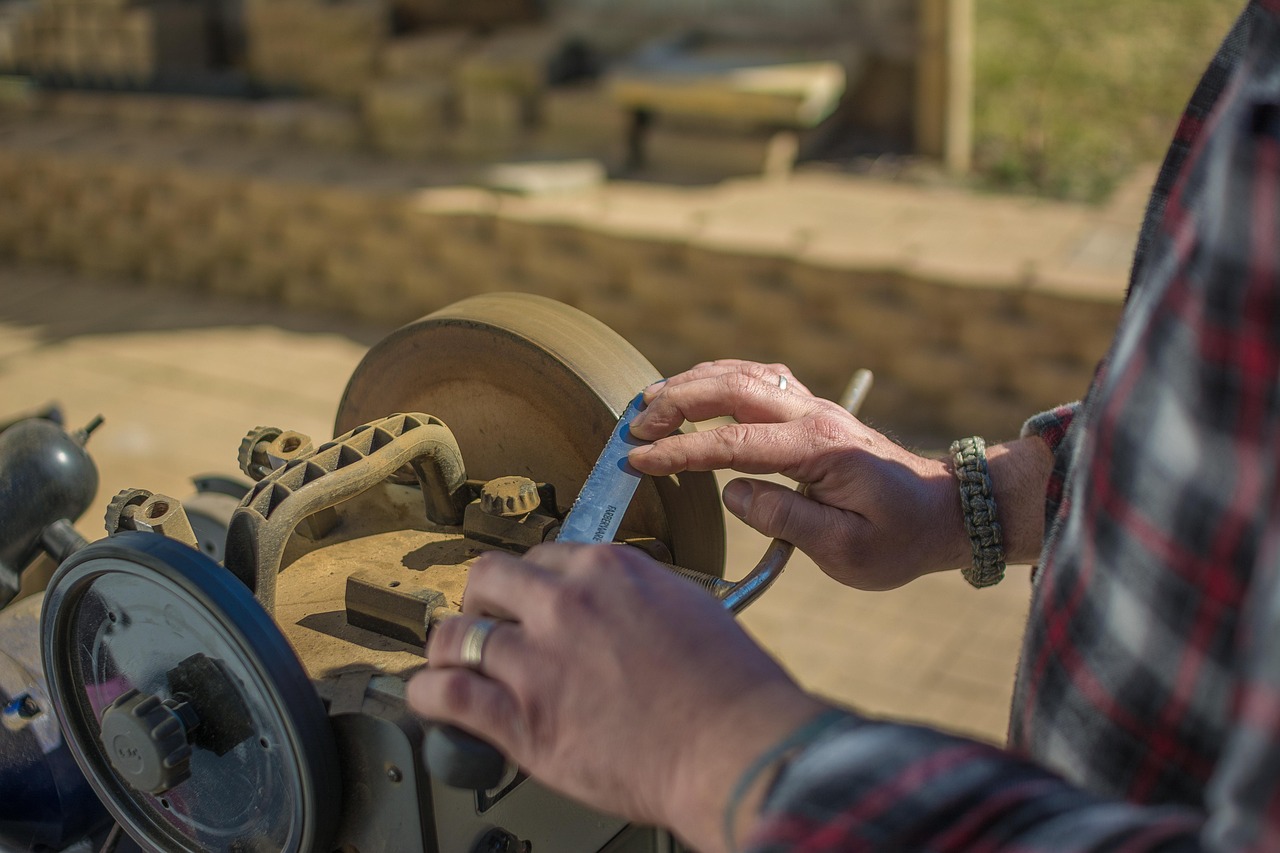
- Pull through: Using light, consistent pressure, pull the knife toward you in a smooth, fluid motion. Avoid pushing the blade back and forth; always pull in one direction.
- Repeat: Perform this motion three to five times in the coarse slot. The number of passes depends on how dull the blade has become.
- Refine the edge: Once the initial sharpening is complete, move the blade to the finer honing slots. Repeat the same smooth pulling motion to polish the edge and remove any microscopic burrs.
The most common mistake is applying too much downward force. You do not need to press hard; the abrasive material inside the sharpener does the work for you. Using excessive pressure can strip away too much metal, wearing down your blade prematurely and shortening its lifespan.
After you finish, wipe the knife blade with a damp cloth to remove any fine metal filings created during the process. Carefully dry the blade immediately to prevent corrosion. Your knife should now glide through ingredients with minimal effort. If the resistance remains, repeat the honing process, but avoid over-sharpening, as this can lead to edge fatigue. Regular, light maintenance is always superior to aggressive, infrequent sharpening sessions.
Testing and Refining the Edge
Once you have completed the sharpening process, your knife will likely have microscopic metal shavings along the edge. Before testing, carefully wipe the entire blade from the spine toward the edge using a clean, dry cloth. Keep your fingers well away from the sharpened edge during this step to prevent accidental cuts.
To verify the effectiveness of your Furi sharpener, use the paper test. Hold a standard sheet of printer paper vertically by one edge. Place the heel of your knife near the top of the paper and draw it downward in a smooth, slicing motion. A properly sharpened blade should glide through the paper cleanly without tearing or catching.
If the blade tears the paper or feels like it is snagging, your edge likely needs a final refinement. Follow these steps to improve the finish:
- Ensure the knife is clean and free of debris.
- Place the blade into the fine honing slot of your Furi sharpener.
- Perform one or two very light, controlled passes.
- Do not apply heavy downward pressure, as this can roll the newly formed edge.
- Wipe the blade once more to remove any final microscopic metal dust.
Repeat the paper test after these additional passes. If the blade still fails to slice cleanly, check your technique to ensure you are maintaining a consistent angle throughout the pull. Remember that consistency is more important than speed when using a manual sharpener.
Maintaining a sharp edge is just as important for home gardening as it is for the kitchen. If you use your knives for harvesting herbs, cutting twine, or trimming small plant stems, a dull blade can crush plant fibers rather than slicing them cleanly. A clean cut promotes faster healing for your plants and prevents unnecessary damage to delicate stems. By keeping your tools sharp, you ensure that both your culinary prep and your garden maintenance remain efficient, safe, and precise throughout the growing season.

Maintenance and When to Seek Professional Help
Maintaining your Furi knife sharpener is essential for ensuring consistent, safe results every time you prep ingredients for your garden-to-table meals. Over time, metal filings and microscopic debris can accumulate within the sharpening slots. If left uncleaned, this buildup can interfere with the abrasive surfaces, leading to uneven sharpening or potential damage to your knife blades.
To keep the unit functioning effectively, follow these simple maintenance steps:
- After every few uses, gently tap the sharpener upside down to dislodge loose metal particles.
- Use a soft, dry brush or a blast of compressed air to clear out the internal slots.
- Never submerge the sharpener in water or use harsh chemical cleaners, as this can degrade the abrasive components.
- Wipe the exterior casing with a slightly damp, lint-free cloth to remove any kitchen grease or residue.
While a home sharpener is excellent for routine maintenance and honing, it is not a cure-all for every blade issue. You must know when to step back and seek professional assistance to protect the structural integrity of your high-quality knives. Attempting to force a severely damaged blade through a manual sharpener often results in further metal loss or a compromised edge profile.
You should consult a professional knife sharpener if you notice any of the following issues:
- Deep Chips or Nicks: Small indentations in the edge require significant grinding to remove, which exceeds the capacity of a standard home sharpener.
- Bent or Broken Tips: A reshaped tip requires specialized grinding equipment to restore the original geometry safely.
- Significant Rust or Pitting: Deep corrosion weakens the steel, and professional refinishing is necessary to prevent the blade from snapping during use.
By keeping your sharpener clean and knowing when to defer to an expert, you ensure your tools remain reliable companions for all your culinary and gardening tasks. Regular, light maintenance is always easier and safer than attempting to repair major damage at home.