How to Use a Baccarat ID3 Knife Sharpener for Gardening Tools
Keeping your gardening shears and pruning knives sharp is essential for plant health. Learn how to safely use the Baccarat ID3 knife sharpener to maintain your equipment for clean, precise cuts that promote faster healing in your garden plants. A sharp blade ensures you do not crush delicate stems during routine maintenance.
While many gardeners focus solely on soil quality and watering schedules, tool maintenance is equally vital for a thriving landscape. Dull blades often tear plant tissue, which invites disease and pests into your garden beds. Using the Baccarat ID3 system regularly helps you avoid these common pitfalls while extending the lifespan of your expensive tools.
In this guide, we provide a step-by-step walkthrough for operating your sharpener with confidence and precision. You will discover the best angles for honing your specific gardening gear and learn safety tips to protect your hands. Follow these practical instructions to keep your equipment in peak condition for every season of growth.
Understanding Your Baccarat ID3 Sharpener
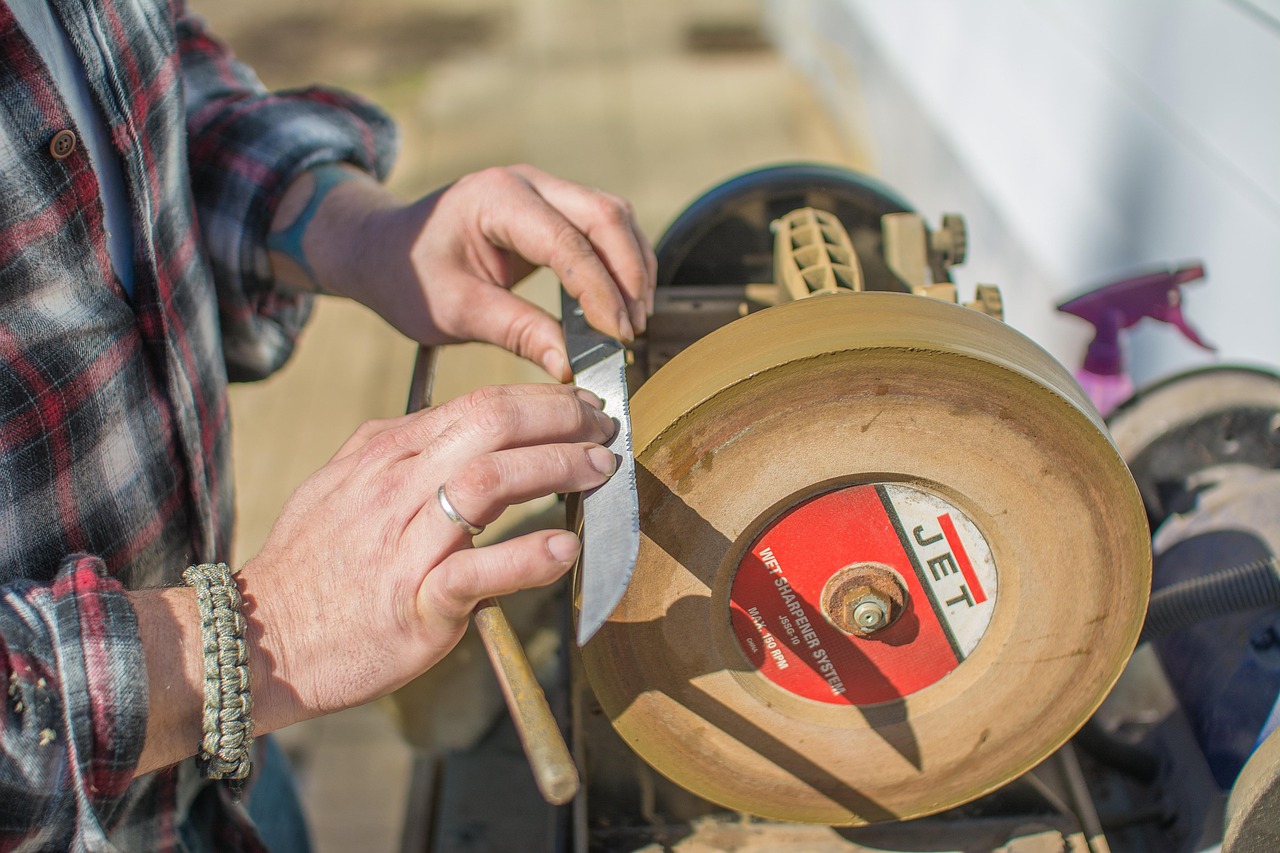
The Baccarat ID3 knife sharpener is engineered specifically for high-quality, hardened steel blades. Understanding its mechanics is the first step toward maintaining your kitchen tools safely and effectively. Before you begin, familiarize yourself with the distinct sharpening slots, as each serves a specific purpose in the maintenance lifecycle of your knife.
Most Baccarat ID3 systems utilize a multi-stage process to restore and refine your blades:
- Coarse Stage: This slot features abrasive wheels designed for repairing dull, chipped, or damaged edges. Use this only when your knife no longer cuts through paper or soft vegetables cleanly. It removes a small amount of metal to reset the blade’s geometry.
- Fine Stage: This stage is for regular maintenance. It hones the edge and polishes the metal, removing microscopic burrs left by the coarse stage or daily use. This is the stage you will use most frequently to keep your knives performing at their peak.
To use the device safely, place the sharpener on a flat, stable surface. Grip the handle firmly with one hand while holding the knife handle with the other. Always insert the blade heel-first into the slot and pull it toward you using light, consistent pressure. Never push the knife away from you, and avoid using a sawing motion, as this can damage both the blade and the sharpening mechanism.
Consistency is key to longevity. Because the ID3 system is designed for precision, you only need three to five passes through the appropriate slot to achieve a professional-grade edge. Over-sharpening can prematurely wear down your knife, so always test the blade’s sharpness after a few passes before deciding if additional work is required. By understanding these stages, you ensure your kitchen knives remain sharp, safe, and reliable for all your culinary tasks, from delicate herb preparation to heavy-duty chopping.
Safety First When Sharpening Blades
Before you begin sharpening your garden tools, prioritize your personal safety. A sharp blade is essential for clean cuts that promote plant health, but the sharpening process itself carries risks. Treating every blade as if it is already razor-sharp will help you maintain focus and prevent accidental injuries.
Start by preparing your workspace. Always place your Baccarat iD3 knife sharpener on a flat, stable, and non-slip surface. If the unit wobbles or slides while you are working, you lose control of the blade, which significantly increases the risk of a slip. If your countertop is slick, place a damp kitchen towel or a silicone mat underneath the sharpener to anchor it firmly.
To further protect yourself during the sharpening process, follow these essential safety guidelines:
- Wear protection: Use cut-resistant gloves on your non-dominant hand. This provides an extra layer of defense against accidental contact with the blade edge.
- Maintain distance: Keep your fingers well clear of the sharpening slots and the path of the blade at all times. Grip the handle firmly, but ensure your knuckles remain behind the guard.
- Use light pressure: Never force the blade through the sharpening mechanism. The iD3 sharpener is designed to work with gentle, consistent pressure. Forcing the tool can cause it to jump or skip, leading to uneven edges and potential injury.
- Focus on the task: Avoid distractions while sharpening. Give the tool your full attention until the process is complete and the blade is safely set aside.
Remember that the goal is to achieve a precise edge without damaging the tool or yourself. If you feel the blade snagging or if you lose your grip, stop immediately. Reset your position and ensure the blade is properly aligned before attempting to pull it through the slot again. By taking these simple precautions, you ensure that your gardening tools remain in peak condition while keeping your hands safe for your next day in the garden.
Step-by-Step Sharpening Process
Before you begin sharpening your gardening tools, preparation is essential for both safety and performance. Start by thoroughly cleaning the blade to remove any accumulated sap, dirt, or rust. A clean surface ensures the Baccarat iD3 knife sharpener makes direct contact with the metal, preventing debris from clogging the ceramic or diamond abrasive slots.
Once the blade is clean and dry, follow these steps to restore a professional edge:
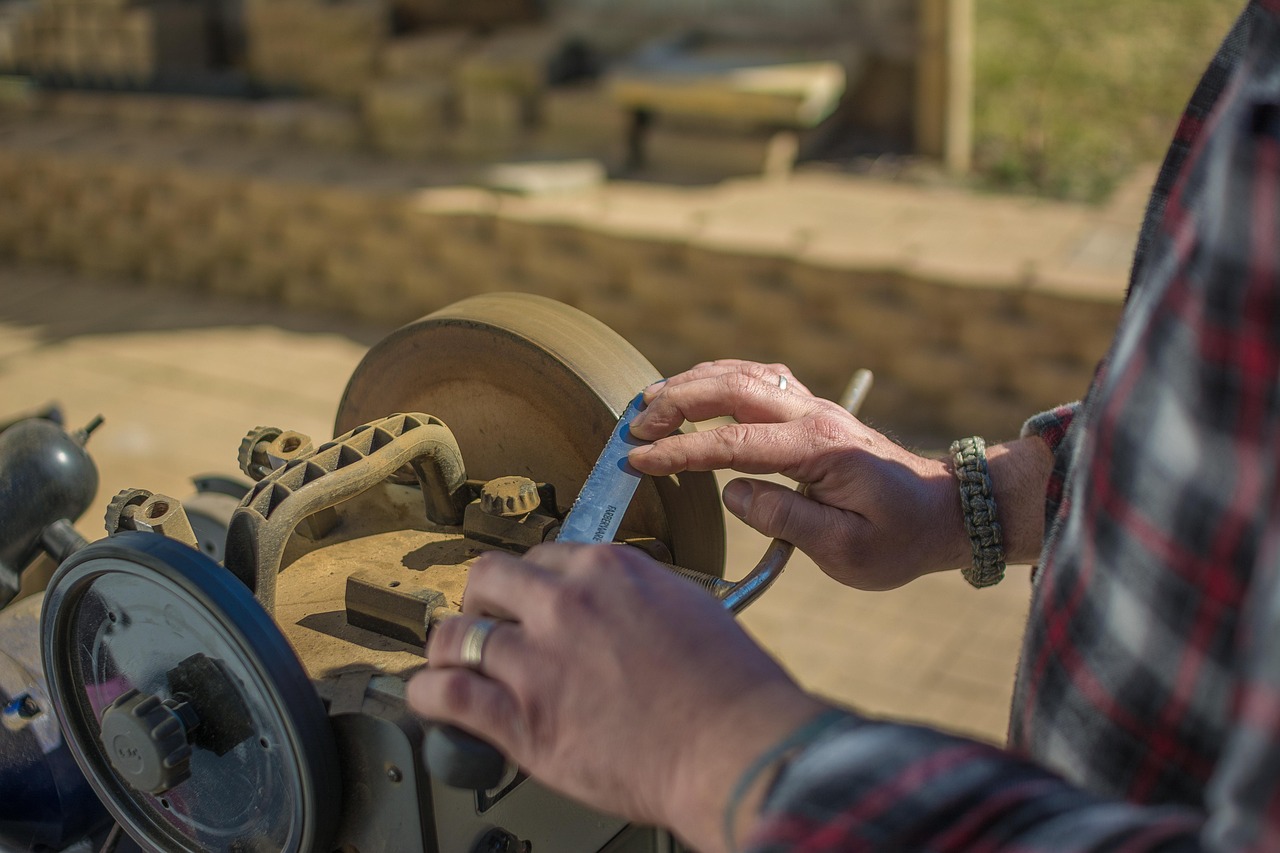
- Position the blade: Place the heel of your gardening blade into the coarse sharpening slot. Ensure the blade is seated firmly at the base of the slot.
- Apply consistent pressure: Pull the blade toward you in a smooth, continuous motion. Use light, even pressure throughout the entire length of the blade, maintaining a flat, level angle to ensure uniform sharpening.
- Repeat for coarseness: Perform this pulling motion three to five times. Avoid pushing the blade back and forth; always move in one direction—from heel to tip—to prevent damaging the edge.
- Refine the edge: Once the initial sharpening is complete, move the blade to the fine slot. Repeat the exact same pulling motion three to five times to hone the edge and remove any microscopic burrs.
Maintaining a consistent angle is the most critical factor in achieving a sharp, durable edge. If your tool has a curved blade, such as a pruner or secateur, carefully follow the contour of the blade as you pull it through the sharpener to ensure the entire cutting surface is addressed.
After you have finished, wipe the blade down with a clean cloth to remove any fine metal filings created during the process. Test the sharpness on a piece of scrap cardboard or a soft stem. If the tool still feels dull, repeat the fine-slot process once more. Keeping your tools sharp not only makes your gardening tasks easier but also promotes healthier plant growth by ensuring clean, precise cuts that heal quickly without crushing delicate stems.
Testing and Finishing Your Tool
Once you have finished using the Baccarat iD3 knife sharpener, the first step is to clean the blade thoroughly. Use a clean, dry cloth to carefully wipe away any microscopic metal filings left behind during the sharpening process. Always wipe from the spine toward the edge to avoid accidental cuts; never run your fingers directly along the sharpened blade.
Before heading back to the garden, verify the quality of your edge with a simple test. You can check the sharpness using one of these two methods:
- Paper Test: Hold a sheet of printer paper vertically and attempt to slice through it. A sharp blade will glide through without tearing or catching.
- Plant Stem Test: Use a soft, sacrificial plant stem, such as a spent flower stalk. A clean, effortless cut indicates the blade is ready for pruning.
If the paper tears or the plant stem shows a jagged, crushed edge, your blade is not yet fully honed. Return to the fine honing stage of the Baccarat iD3 sharpener and perform a few more light, controlled passes. Repeat the testing process until you achieve a smooth, clean slice.
Proper maintenance is essential for garden tools, which are frequently exposed to moisture and plant sap. Once you are satisfied with the sharpness, apply a very light coat of food-grade machine oil or mineral oil to the blade. This creates a protective barrier against oxidation and rust, which is particularly important if you frequently work in damp garden conditions or humid climates.
Wipe off any excess oil with a clean rag before storage. By keeping your blades clean, sharp, and lightly oiled, you ensure that your tools make precise cuts that promote faster healing for your plants. A well-maintained edge also reduces the physical effort required for pruning, protecting your hands and wrists from unnecessary strain during long sessions in the garden.

Maintenance and When to Seek Professional Help
Consistent maintenance is the secret to keeping your gardening tools in peak condition. While your Baccarat iD3 sharpener is excellent for routine edge refinement, it is not a cure-all for every type of damage. Regular inspections are essential to determine if your tools require simple sharpening or more intensive intervention.
Before every use, examine your shears and pruners closely. You should look for two specific indicators that suggest a standard sharpener will not suffice:
- Deep chips: If the blade edge has visible gouges or jagged sections, a handheld sharpener will struggle to restore the bevel correctly.
- Severe rust or structural damage: Heavy corrosion that has pitted the metal or compromised the blade’s integrity requires specialized grinding equipment.
If you encounter these issues, it is safer and more cost-effective to seek a professional tool sharpener. This is especially true for high-quality gardening shears featuring complex bypass mechanisms. Attempting to force a complex blade through a standard sharpener can misalign the pivot point or ruin the tension, rendering the tool useless.
To keep your Baccarat iD3 sharpener performing at its best, you must prioritize cleanliness. Metal filings and microscopic debris accumulate within the sharpening slots during use. If left behind, these particles can clog the mechanism and dull the sharpening surfaces, leading to inconsistent results in future seasons.
Follow these quick steps after every sharpening session:
- Gently tap the sharpener against a hard surface to dislodge loose metal shavings.
- Use a soft, dry brush to clear any remaining debris trapped inside the sharpening guides.
- Wipe the exterior with a clean cloth to remove oil or dust.
By keeping your sharpener clean and knowing when to outsource complex repairs, you ensure your gardening tools remain sharp, safe, and reliable for years to come. Proper care today prevents the need for expensive replacements tomorrow.
