How to Use a Zwilling Knife Sharpener for Optimal Blade Maintenance
Keeping your kitchen knives sharp is essential for safe and efficient food preparation. This guide explains how to properly use a Zwilling knife sharpener to maintain your blades, ensuring they stay in peak condition for years to come. Whether you are prepping home-grown vegetables or slicing herbs, a sharp blade makes every task easier.
While many gardeners focus entirely on outdoor plant care, maintaining your kitchen tools is a vital part of the harvest process. A dull knife is actually more dangerous than a sharp one because it requires excessive force. Mastering your Zwilling sharpener provides the consistency needed to protect your investment and improve your culinary efficiency.
In the following sections, we break down the step-by-step process for achieving a professional edge at home. You will learn how to position your blade correctly, the importance of consistent pressure, and how to identify when your knife is truly ready for use. Follow these simple techniques to keep your kitchen tools perfectly honed.
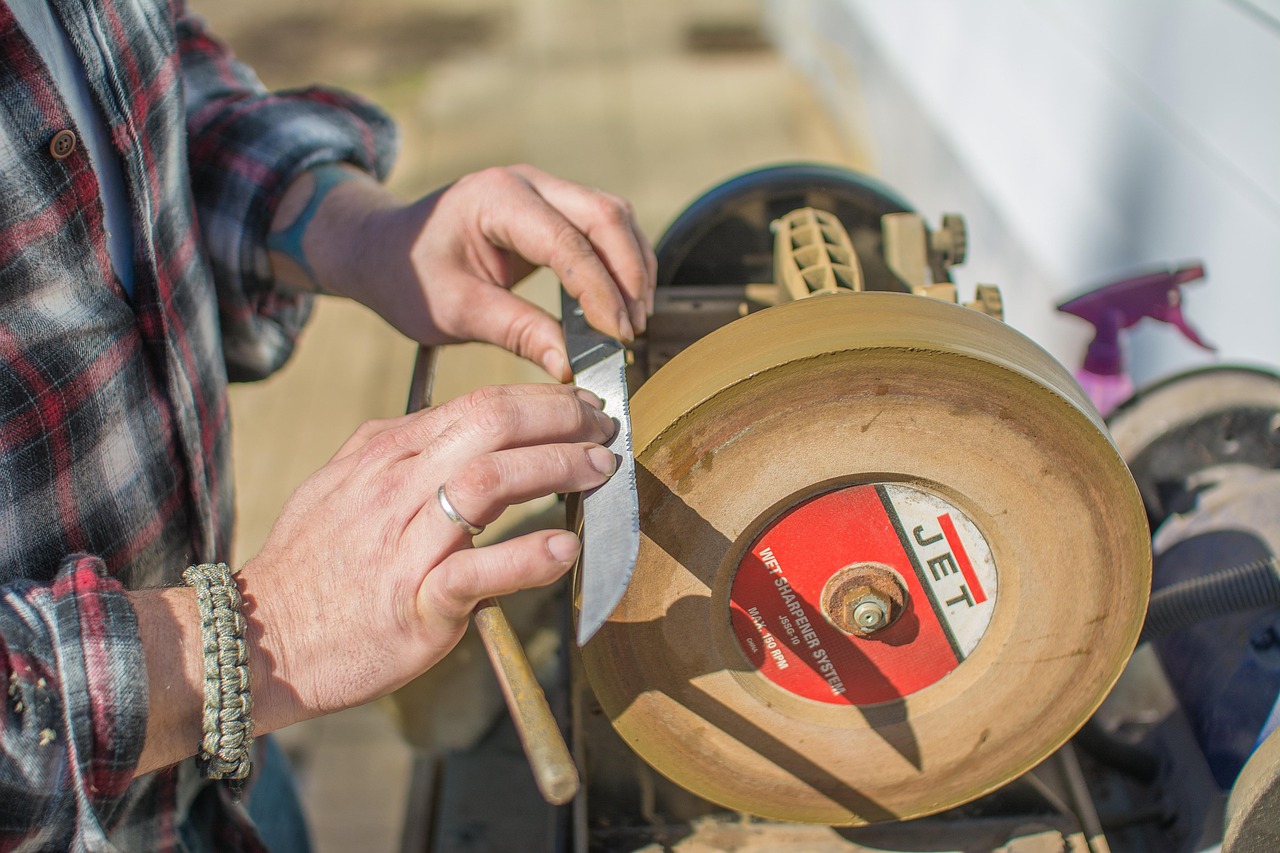
Understanding Your Zwilling Sharpener Type
Before you begin sharpening your kitchen tools, you must identify which Zwilling device you are holding. Using the wrong technique can damage your blade, so take a moment to confirm whether you have a manual pull-through sharpener or a honing steel.
Manual Pull-Through Sharpeners
These devices are designed for restoring dull edges. They typically feature two or more distinct slots, each serving a specific purpose in the sharpening process:
- Coarse Slot: Uses abrasive wheels to remove small amounts of metal, effectively creating a new edge on a very dull or slightly nicked blade.
- Fine Slot: Utilizes finer grit to polish the edge and remove burrs, resulting in a smooth, razor-sharp finish.
To use these safely, place the sharpener on a flat, stable surface. Hold the device firmly with one hand and insert the knife heel into the appropriate slot. Pull the knife toward you with light, consistent pressure, keeping the blade perpendicular to the table. Never push the knife away from you, as this can damage the sharpening wheels.
Honing Steels
A honing steel is not a sharpener; it is a maintenance tool. Its primary function is to realign the microscopic teeth of your knife blade that bend during regular use. If your knife feels like it is “tugging” at food rather than slicing cleanly, it likely needs to be honed.
To hone your blade:
- Hold the steel vertically with the tip resting firmly on a cutting board.
- Position the knife blade against the steel at a 15-to-20-degree angle.
- Draw the blade down the length of the steel in a smooth, sweeping motion, starting at the heel and ending at the tip.
- Repeat this motion 5 to 10 times on each side of the blade.
If your knife remains dull after honing, it is time to move to the manual pull-through sharpener to restore the edge geometry.
Safety First When Handling Sharp Blades
Before you begin sharpening your kitchen knives, prioritizing safety is essential. A sharp blade is a precise tool, but the sharpening process itself requires focus and adherence to basic safety protocols to prevent accidental injury.
Always place your Zwilling knife sharpener on a flat, stable, and non-slip surface, such as a sturdy countertop or a wooden cutting board. If the device feels wobbly or slides during use, it can lead to uneven sharpening or cause the knife to slip, increasing the risk of a cut. Ensure your workspace is clear of clutter to allow for steady, controlled movements.
Maintain a firm, dry grip on your knife handle at all times. If your hands are wet or greasy, wipe them thoroughly before handling the blade. A secure grip is the most effective way to keep the knife blade aligned within the sharpening slots.
Follow these critical handling guidelines to ensure your safety:
- Keep fingers clear: Always position your fingers well away from the sharpening slots and the edge of the blade. Never place your hand near the entry or exit points of the mechanism.
- Use gentle pressure: Never force the knife through the sharpening slots. The device is designed to work with light, consistent pressure. Forcing the blade can damage the knife edge and potentially cause the device to shift.
- Maintain control: Pull the knife toward you in a smooth, steady motion. Avoid jerky movements or excessive speed, which can lead to the knife slipping out of the guide.
- Focus on the task: Avoid distractions while sharpening. Give the process your full attention to ensure the blade remains properly positioned throughout the entire stroke.
By treating the sharpening process with the same level of care as you do when chopping vegetables, you protect yourself from harm while ensuring your knives remain in peak condition. Once you have finished, immediately store your sharpened knife in a block or sheath to maintain the edge and prevent accidental contact.
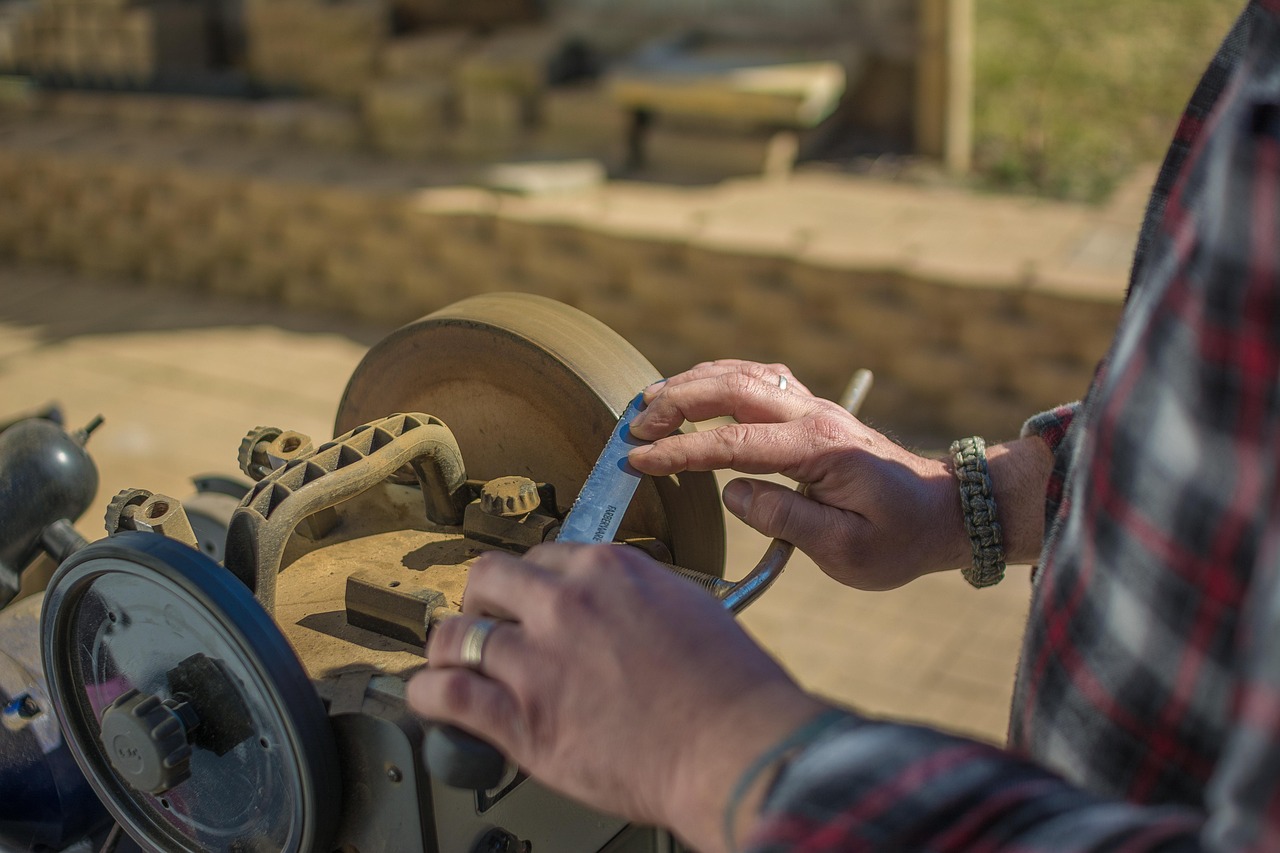
Step-by-Step Sharpening Instructions
To begin the sharpening process, place your Zwilling sharpener on a flat, stable surface. Hold the device firmly with one hand to ensure it does not slip during use. With your other hand, insert the heel of the blade into the appropriate slot, ensuring the edge sits flush against the sharpening mechanism.
Apply light, consistent pressure and pull the knife toward you in a smooth, fluid motion. It is essential to maintain a perpendicular angle to the sharpener throughout the entire stroke. Do not lift the knife or change the angle mid-pull, as this can result in an uneven edge.
Follow these steps to achieve the best results:
- Insert the heel of the blade into the slot.
- Apply gentle, even pressure downward.
- Pull the knife toward you in one continuous motion.
- Repeat the motion 3 to 5 times for each slot, depending on the blade’s condition.
If your sharpener has multiple stages—such as coarse and fine—always begin with the coarse slot to repair the edge, then move to the fine slot to hone and polish it. Never push the knife away from you or move it back and forth in a sawing motion, as this can damage the blade or the sharpening stones.
After completing the process, carefully wipe the blade with a clean, dry cloth to remove any metal filings. Always exercise extreme caution when handling sharpened blades. Test the sharpness by slicing through a piece of paper; if the blade catches or tears, repeat the process with a few additional light strokes in the fine slot.
Regular maintenance is key to longevity. By sharpening your knives periodically rather than waiting for them to become completely dull, you preserve the integrity of the steel. Keep your fingers clear of the blade edge at all times, and store your sharpened knives in a block or on a magnetic strip to keep the edge protected from contact with other utensils.
Finishing and Cleaning Your Knives
Once you have finished sharpening your knife, the blade will likely have microscopic metal shavings, known as a burr, clinging to the edge. These particles are sharp and can interfere with the knife’s performance if left behind. Proper cleaning is essential to ensure both the safety of your food and the longevity of your blade.
To clean your knife safely, follow these steps:
- Use a soft, damp cloth or a paper towel.
- Place the cloth flat against the spine of the blade.
- Gently wipe down toward the cutting edge, moving away from the sharp side.
- Never run your fingers or the cloth directly along the edge, as this increases the risk of accidental cuts.
After wiping away the metal residue, dry the knife immediately using a clean, dry towel. Never leave your knife to air dry or soak in a sink. Even high-quality stainless steel can develop surface rust or corrosion if moisture is allowed to sit on the blade for too long. Drying the blade thoroughly from spine to edge ensures that no water droplets remain trapped near the bolster or the handle junction.
If you are sharpening a carbon steel knife, consider applying a very thin layer of food-safe mineral oil after drying. This provides a protective barrier against humidity and prevents oxidation. Once the blade is clean and completely dry, store it in a knife block, on a magnetic strip, or in a protective sheath. Proper storage prevents the freshly sharpened edge from dulling against other utensils in a crowded drawer.
By taking these few extra moments to clean and dry your knife properly, you maintain the precision of your tool and keep your kitchen environment safe. A well-maintained knife is not only more effective for prep work but also significantly safer to use, as a clean, sharp edge requires less pressure and is less likely to slip while you are cutting.

Maintenance Tips and When to Seek Professional Help
Maintaining your Zwilling knife between major sharpening sessions is the most effective way to extend the life of your blade. While a sharpener removes metal to create a new edge, a honing steel serves a different purpose: it realigns the microscopic teeth of the blade that bend during daily use. By using a honing steel before or after each cooking session, you keep the edge straight and efficient, significantly reducing how often you need to perform a full sharpening.
Even with consistent home care, there are specific scenarios where DIY maintenance is insufficient or risky. Attempting to force an edge back onto a damaged blade can permanently alter its geometry, making the knife less effective and harder to maintain in the future.
You should consult a professional knife sharpener if you encounter the following:
- Significant Chips or Nicks: If the blade edge has visible gouges, your home sharpener will not be able to remove enough material to restore the edge profile safely.
- Persistent Dullness: If you have followed the correct sharpening process but the blade still fails to slice through paper or produce clean cuts, the edge may be “rolled” or rounded to a point where it requires professional grinding.
- Serrated Edges: Bread knives and other serrated blades require specialized equipment to sharpen each individual scallop. Using a standard flat sharpener will ruin the teeth and destroy the functionality of the blade.
- Blade Geometry Issues: If the knife feels unbalanced or the edge has become uneven after years of uneven sharpening, a professional can re-profile the blade to return it to its original factory specifications.
Professional sharpening is an investment in your tools. A skilled technician has the equipment to remove the absolute minimum amount of steel necessary to restore a razor-sharp edge. If you are ever unsure about the condition of your blade, it is always safer to seek an expert opinion rather than risking the integrity of your high-quality cutlery.