How to Use a Baccarat Damashiro Knife Sharpener for Precision Results
To use a Baccarat Damashiro knife sharpener, simply place your blade into the designated sharpening slot and pull it toward you with consistent, light pressure. Repeat this motion several times to restore your knife’s professional edge. Keeping your kitchen tools in top condition is essential for safe, efficient food preparation and gardening tasks.
Achieving a razor-sharp finish at home requires patience and the correct technique rather than excessive force. While these high-quality sharpeners are designed for ease of use, understanding the specific angle and slot requirements is vital for longevity. Consistent maintenance prevents dull blades from slipping, which is the most common cause of kitchen accidents.
This guide explains the correct steps to safely hone and sharpen your blades to maintain a professional edge at home. We will walk you through the proper grip, the ideal number of strokes, and essential safety tips for handling your equipment. Follow these practical instructions to ensure your knives remain sharp, reliable, and ready for every culinary challenge.
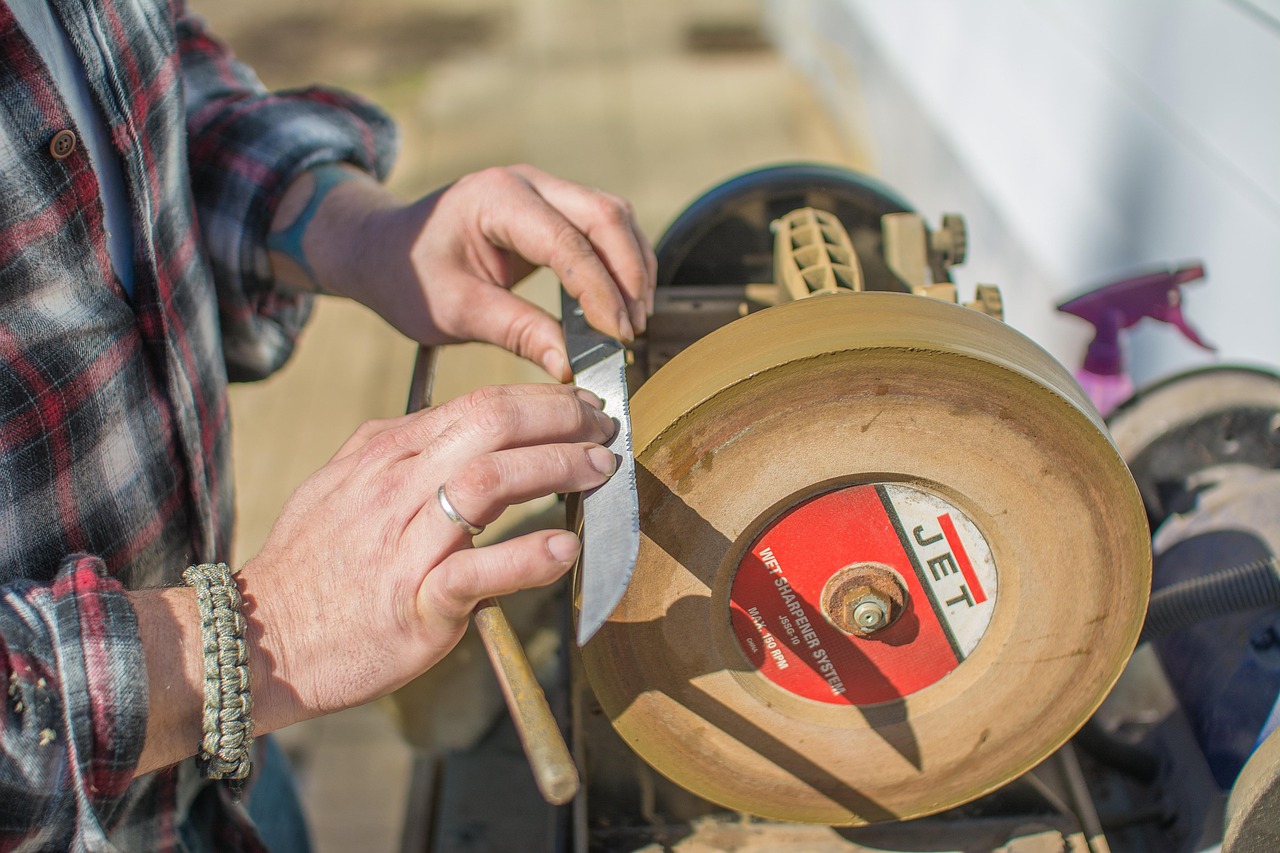
Understanding Your Baccarat Damashiro Sharpener
The Baccarat Damashiro knife sharpener is designed to restore the precision of your Japanese steel blades through a multi-stage process. Understanding the specific function of each slot is essential, as using the wrong stage can lead to unnecessary metal removal or an unfinished edge.
Most Baccarat Damashiro units feature a two-stage or three-stage sharpening system. Each slot contains different abrasive materials calibrated for specific maintenance tasks. Identifying these slots correctly ensures you maintain the integrity of your knife’s edge profile.
Follow this guide to identify your sharpener’s features:
- Coarse Slot (Stage 1): Typically marked with a “1” or a coarser grit icon, this stage is designed for repairing dull or damaged blades. It removes a small amount of metal to re-establish a sharp cutting angle. Use this only when your knife no longer glides through paper or struggles to pierce tomato skin.
- Fine/Honing Slot (Stage 2): Usually marked with a “2” or a finer grit icon, this stage refines the edge created in the first step. It smooths out microscopic burrs and polishes the blade for a clean, effortless cut. This stage should be used regularly to maintain sharpness before the blade becomes significantly dull.
- Ceramic or Specialized Slots: Some models include a dedicated ceramic slot for final polishing. This provides the razor-sharp finish characteristic of high-quality Japanese knives.
Before beginning, inspect your unit for any debris. A clean sharpener prevents metal filings from scratching the sides of your blade during the honing process. Always place the sharpener on a flat, stable surface and hold the handle firmly with your non-dominant hand. By correctly identifying these stages, you transition from simple maintenance to professional-grade knife care, extending the lifespan of your kitchen tools significantly. Remember that the coarse stage is a corrective measure, while the fine stage is for routine upkeep; using the fine stage more frequently will keep your knives in peak condition without wearing down the steel prematurely.
Safety Precautions Before You Begin
Before you begin using your Baccarat Damashiro knife sharpener, prioritizing safety is essential to protect both yourself and your kitchen tools. A sharp knife is a precise instrument, but the sharpening process itself requires your full attention and adherence to safety protocols.
Start by identifying a dedicated workspace. Place the sharpener on a stable, flat, and non-slip surface, such as a sturdy countertop or a heavy wooden cutting board. If the device tends to slide, consider placing a damp kitchen towel underneath it to provide extra grip. Never attempt to sharpen a knife while holding the device in your lap or on an uneven surface.
Before you start, ensure your hands are completely dry. Moisture can reduce your grip on both the knife handle and the sharpening unit, increasing the risk of a slip.
Follow these critical safety rules during operation:
- Keep your fingers and thumbs well away from the sharpening slots at all times.
- Only use the sharpener on blades that are clean and free of debris.
- Work slowly and deliberately; rushing the process is the most common cause of accidents.
- Maintain a firm, controlled grip on the knife handle throughout the entire stroke.
It is equally important to inspect your blades before starting. Never attempt to sharpen a knife that has a chipped, cracked, or severely damaged edge. Attempting to force a damaged blade through a sharpener can cause the metal to catch, potentially damaging the sharpening mechanism or causing the knife to jump unexpectedly. If a blade is significantly damaged, it should be professionally repaired or replaced rather than put through a standard pull-through sharpener.
By maintaining full control over the knife movement and ensuring your setup is secure, you minimize the risk of injury. Always focus on the task at hand and avoid distractions while sharpening. Once you have finished, carefully wipe the knife blade with a damp cloth to remove any fine metal filings before returning it to use or storage.
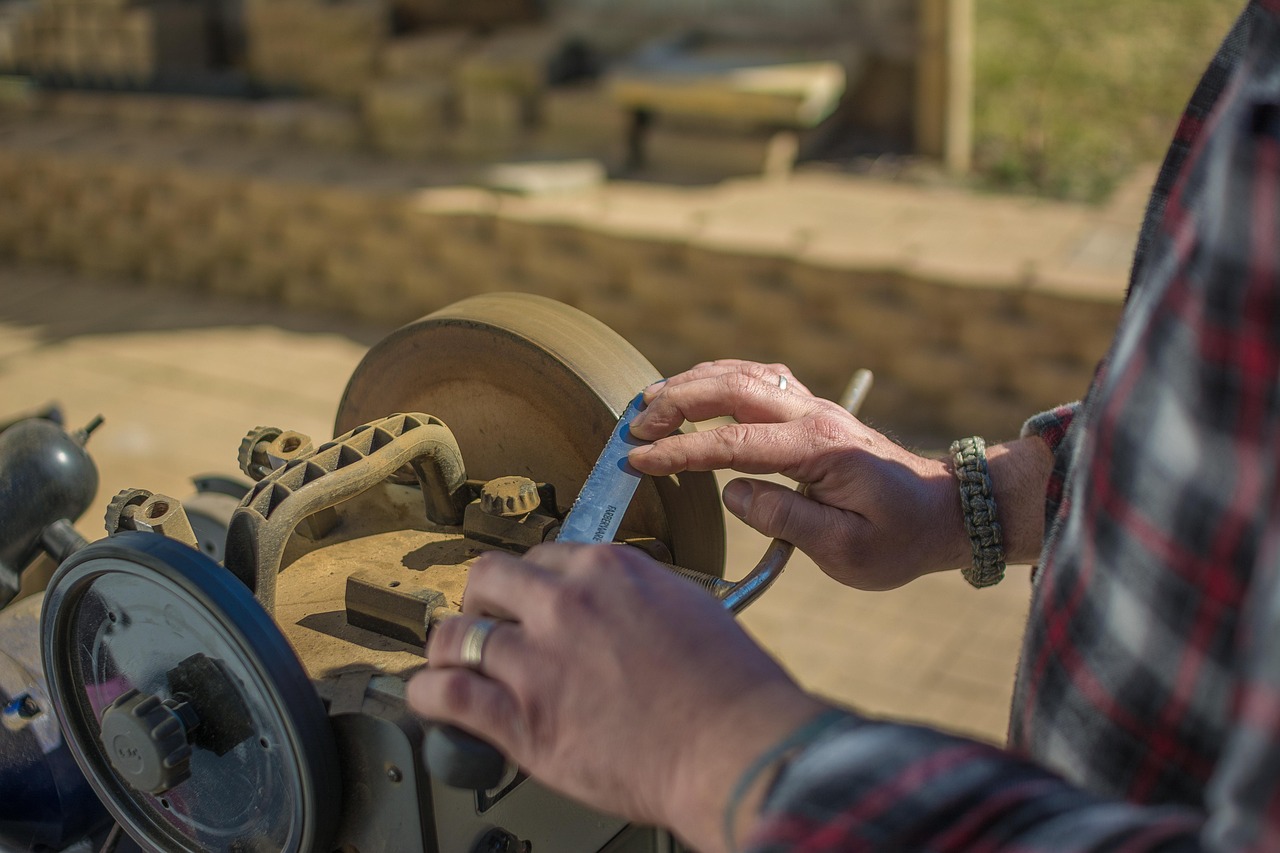
Step-by-Step Sharpening Process
Achieving a razor-sharp edge on your Baccarat Damashiro knife requires precision and patience. Before beginning, ensure the sharpener is placed on a flat, stable surface to prevent slipping. Always keep your fingers away from the blade’s edge and the sharpening slots throughout the entire process.
Follow these steps to restore your blade’s performance:
- Coarse Sharpening: Insert the heel of the knife blade into the coarse sharpening slot. Hold the knife handle firmly with your dominant hand, keeping the blade perpendicular to the base. Using light, consistent downward pressure, pull the blade straight back toward you in a smooth, fluid motion until you reach the tip. Do not lift the knife or apply excessive force. Repeat this motion three to five times.
- Fine Honing: Once the initial edge is set, move the blade to the fine slot. This stage is essential for refining the edge and removing any microscopic burrs created during the coarse stage. Repeat the same pulling motion—from heel to tip—three to five times using light pressure.
After completing the fine honing stage, carefully wipe the blade with a clean, damp cloth to remove any metal shavings or debris. Never test the sharpness of the blade by running your finger along the edge; instead, perform a simple paper-cutting test. If the knife glides through a sheet of paper without tearing, the edge is properly restored.
If the knife still feels dull, repeat the fine honing process once more. Avoid over-sharpening, as this can remove unnecessary metal and reduce the lifespan of your blade. Regular, light maintenance is far more effective for preserving the integrity of high-quality Japanese steel than aggressive, infrequent sharpening sessions. Always store your knives in a block or on a magnetic strip to protect the newly sharpened edge from contact with other utensils, which can cause premature dulling or chipping.
Testing and Blade Maintenance
Once you have finished using your Baccarat Damashiro knife sharpener, the final steps are critical for both safety and tool longevity. Never skip the cleaning process, as microscopic metal filings left on the blade can contaminate your food or cause premature corrosion.
Immediately after sharpening, take a clean, damp microfiber cloth and carefully wipe the entire length of the blade. Always wipe from the spine toward the edge, keeping your fingers well away from the sharpened area. Follow this with a dry cloth to ensure the steel is completely moisture-free before storing the knife.
To verify the effectiveness of your sharpening session, perform a simple paper test:
- Hold a standard sheet of printer paper vertically by one corner.
- Position the heel of the knife blade against the top edge of the paper.
- Using a gentle downward slicing motion, pull the knife through the paper.
- A properly sharpened blade will glide through the paper smoothly without catching, snagging, or tearing the fibers.
If the blade catches or leaves a jagged edge on the paper, repeat the sharpening process with a few lighter, controlled strokes. Never attempt to test the sharpness of a blade by running your finger along the edge. Even a dull-feeling knife can cause severe lacerations, and this method is dangerous regardless of your experience level.
Proper maintenance extends beyond the sharpening session itself. To keep your Damashiro blades in peak condition, always hand-wash them with mild soap and dry them immediately. Avoid placing high-quality knives in the dishwasher, as the harsh detergents and high heat can dull the edge and damage the handle. If you notice the blade losing its “bite” during routine kitchen tasks, perform a quick touch-up with your sharpener rather than waiting for the knife to become completely blunt. Consistent, light maintenance is far more effective and safer than aggressive sharpening sessions performed only when the knife has already failed you.

Common Questions and When to Seek Professional Help
Determining how often to sharpen your Baccarat Damashiro knife depends entirely on your usage patterns. For home cooks who prepare meals daily, a light honing session before each use helps maintain the blade’s alignment. However, a formal sharpening session—using your specific sharpener—should typically occur every three to six months for optimal performance.
If you notice the blade struggling to slice through delicate items like tomatoes or herbs, it is time to sharpen. Never wait until the knife feels dull to the touch, as using excessive pressure to compensate for a blunt edge is the leading cause of kitchen accidents.
Proper storage is just as vital as sharpening. To protect the precision-engineered edge of your Damashiro knife, follow these storage guidelines:
- Use a dedicated wooden knife block or an in-drawer organizer to prevent the blade from knocking against other metal utensils.
- Avoid storing knives loose in a cutlery drawer where the edge can strike other objects and dull prematurely.
- Ensure the blade is completely dry before storing to prevent moisture-related corrosion.
- Consider magnetic strips, provided they have a protective coating to prevent scratching the blade finish.
While regular maintenance keeps your knives in top condition, there are specific instances where you should stop using your sharpener and seek professional help. Attempting to fix major damage at home can often result in removing too much metal or permanently altering the blade geometry.
Consult a professional knife sharpening service if you encounter the following:
- Significant Chips: Deep notches in the blade require professional grinding to restore a smooth cutting edge.
- Bent Tips: A compromised tip is a safety hazard and requires specialized tools to reshape correctly.
- Persistent Dullness: If your Baccarat sharpener no longer restores the edge after a standard session, the blade may have lost its original bevel angle.
- Heat Damage: If the metal has been discolored by excessive heat, a professional can assess if the temper of the steel is still intact.

