
Best Temperature To Drink White Wine
The best temperature to drink white wine is typically between 45-55°F (7-13°C), but this isn’t a one-size-fits-all rule. Many wine lovers overlook how crucial serving temperature is, often chilling whites too much and muting their vibrant aromas and intricate flavors. If you’ve ever found your Sauvignon Blanc bland or your Chardonnay underwhelming, temperature is likely the reason. You’re in the right spot to discover the precise chilling techniques that will elevate every glass, ensuring your white wines always express their full, intended character.
Why White Wine Temperature Changes Flavor
How Cold Suppresses Aromas and Taste
When white wine is served too cold, typically below 45°F (7°C), its delicate aroma compounds become significantly less volatile. This crucial scientific principle means they don’t evaporate as readily from the glass, directly preventing the wine’s complex bouquet from reaching your nose and palate effectively.
Instead of experiencing vibrant fruit, floral, or mineral notes – the hallmarks of quality white wine – the entire tasting experience can become profoundly dull, muted, and disappointingly one-dimensional.
The intense chill can also heighten the perception of acidity, making the wine seem overly sharp or thin, rather than delightfully crisp and balanced.
While a certain degree of coldness is undeniably essential for many refreshing white wines, excessive chilling essentially numbs your senses, completely obscuring the very characteristics that make a particular varietal unique and enjoyable.
To truly appreciate the winemaker’s craft and unlock its full potential, avoid extreme temperatures and aim for a slightly higher serving range.
How Warmth Alters Texture and Character
Conversely, serving white wine too warm, typically above 55°F (13°C), presents a different set of challenges that significantly alter its enjoyment. At elevated temperatures, the wine’s alcohol becomes more prominent and can taste harsh or “hot” on the palate, often overshadowing its nuanced flavors.
The wine can lose its vibrant acidity, leading to a flabby or syrupy texture that lacks energy and freshness. Furthermore, warmer temperatures accelerate the wine’s aging process and can even lead to an oxidized character where it tastes stewed, bruised, or prematurely aged, rather than bright and lively.
The subtle complexities of fruit and floral notes may become muddled or disappear entirely, leaving a wine that feels out of balance and less pleasurable. Proper chilling helps maintain the wine’s structure, preserving its aromatic integrity and ensuring a harmonious and delightful tasting experience.
Finding the Right Balance for Acidity and Sweetness
The “best” temperature for white wine is a nuanced balance, largely dependent on its style and characteristics, aiming to highlight its inherent acidity and sweetness perfectly. For crisp, dry, and light-bodied wines like Sauvignon Blanc, Pinot Grigio, or unoaked Chablis, a temperature range of 45-50°F (7-10°C) is ideal.
This chill enhances their invigorating acidity and keeps them wonderfully refreshing. For full-bodied or oaked whites such as Chardonnay, Viognier, or white Burgundy, a slightly warmer 50-55°F (10-13°C) is preferred. This allows their complex textures, nutty notes, and rich fruit flavors to emerge without feeling heavy or alcoholic.
Finally, for off-dry or dessert wines like Riesling or Sauternes, 43-48°F (6-9°C) is excellent, as the cooler temperature balances their inherent sweetness with vibrant acidity, preventing them from tasting cloying and showcasing their aromatic complexity. Using a wine thermometer or chilling for specific times can significantly enhance your enjoyment.
General Guidelines for Chilling White Wine
The Dangers of Over-Chilling Your Bottle
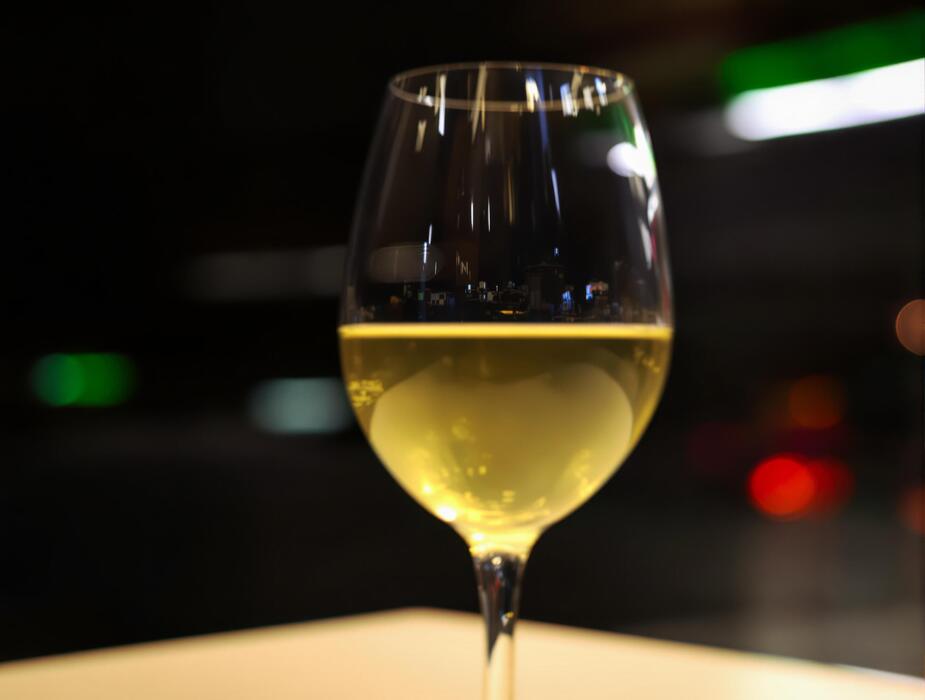
Serving white wine too cold can significantly diminish its intended characteristics, transforming a potentially delightful experience into a bland one. When a bottle is over-chilled, the delicate aromatic compounds become muted, making it difficult to discern the nuanced fruit, floral, or mineral notes the winemaker meticulously crafted.
The wine’s flavors will appear dull and indistinct, losing their vibrancy and complexity. Furthermore, excessive cold can accentuate harsh acidity or bitterness, creating an unpleasant sensation on the palate and masking the wine’s inherent balance and structure.
The wine’s texture can also be negatively impacted, feeling thin or watery rather than rich and expressive. To avoid this, always remove your white wine from the refrigerator about 15-20 minutes before serving to allow it to warm slightly and reveal its true character.
Consider investing in a reliable wine thermometer for precision.
The Problems with Under-Chilling White Wines
Conversely, serving white wine that is not adequately chilled can lead to an equally disappointing experience. When a white wine is under-chilled, its refreshing qualities are lost, and it can taste flabby and unstructured.
The alcohol becomes overly prominent, creating a burning sensation rather than a pleasant warmth, and the wine’s natural acidity, which provides crispness and balance, will be less effective.
Without proper cooling, the wine’s volatile aromas can become overpowering or unpleasant, masking the delicate fruit and floral notes that should be present. The intended crispness and vibrancy that make white wines so enjoyable, especially in warmer climates, will be entirely absent, leaving a rather dull and heavy impression.
Ensure your wine spends enough time in the refrigerator or an ice bucket to reach its optimal serving temperature, allowing its inherent qualities to shine through.
A Good Starting Point for Most White Varieties
Finding the ideal temperature is crucial for enjoying white wine, and a good rule of thumb is to vary the chill based on the wine’s body and style. For light-bodied, crisp whites like Sauvignon Blanc, Pinot Grigio, and most sparkling wines, aim for a temperature between 45-50°F (7-10°C).
This temperature enhances their refreshing acidity and vibrant fruit. Medium-bodied and aromatic whites such as unoaked Chardonnay, Chenin Blanc, or Riesling benefit from being slightly warmer, around 50-55°F (10-13°C), to allow their complex aromatics and fuller textures to develop.
Finally, full-bodied, oaked whites like premium Chardonnay or Viognier are best served at 55-58°F (13-14°C), allowing their creamy textures and nuanced oak notes to shine without being dulled by excessive cold. A wine thermometer is an invaluable tool for precision, and remember to taste and adjust to your personal preference.
Best Temperatures for Specific White Wine Styles

Crisp, Light Whites (e.g., Sauvignon Blanc, Pinot Grigio)
For bright and refreshing wines like Sauvignon Blanc, Pinot Grigio, and unoaked Chablis, the ideal serving temperature is 45-50°F (7-10°C). This chill is crucial for highlighting their vibrant acidity, zesty citrus notes, and fresh fruit aromas.
Serving them too warm can make them taste flabby and alcohol-heavy, while over-chilling can mute their delicate flavors entirely. To achieve this, place the bottle in your refrigerator for 2-3 hours or immerse it in an ice bucket with half water for 20-30 minutes.
Remember, these wines are all about crispness and aromatic purity, so a proper chill is non-negotiable for an optimal drinking experience, enhancing their refreshing character on the palate.
Rich, Oaked Whites (e.g., Chardonnay, Viognier)
Full-bodied, oaked white wines such as a California Chardonnay, white Burgundy (oaked), or Viognier benefit from being served at a slightly warmer temperature than their lighter counterparts, ideally between 50-55°F (10-13°C). This allows their complex aromas of oak, butter, vanilla, and ripe fruit to fully develop and integrate.
If served too cold, their creamy texture and nuanced flavors become suppressed, tasting thin and bland. Conversely, too warm, and the wine can feel heavy and alcoholic. A shorter chill in the refrigerator (1.5-2 hours) or a brief 10-15 minute ice bath is usually sufficient.
Allow a few minutes in the glass for the wine to open up and reveal its rich, textural qualities.
Sparkling Wines and Champagne
Sparkling wines, including Champagne, Prosecco, and Cava, are best enjoyed at a very cool temperature to maintain their effervescence and highlight their crisp acidity. The optimal range is 40-45°F (4-7°C). This ensures a lively stream of bubbles and a refreshing, clean finish.
Serving sparkling wine too warm can cause the bubbles to dissipate quickly and mask its delicate flavors, making it seem less vibrant.
To achieve this perfect chill, place the bottle in an ice bucket filled with equal parts ice and water for 20-30 minutes, or in the refrigerator for 3-4 hours. Always serve immediately upon opening to preserve the delicate mousse and celebratory character of the wine.
Sweet and Dessert Wines
Sweet and dessert wines, like Sauternes, Riesling Auslese, or Moscato d’Asti, require a specific chill to balance their intense sweetness with refreshing acidity. The recommended serving temperature is typically 43-48°F (6-9°C).
This temperature range prevents the wine from tasting cloying or syrupy, allowing its complex aromatic layers of honey, dried fruit, nuts, or floral notes to shine. If served too warm, the sweetness can overwhelm the palate; too cold, and the intricate flavors are dulled.
Chill these wines in the refrigerator for 2-3 hours or in an ice bucket for about 20 minutes. A proper chill enhances their elegant structure and ensures they provide a delightful, harmonious finish to a meal.
How to Chill White Wine Quickly and Safely
Using Your Refrigerator for Optimal Cooling
The refrigerator is your most reliable and safest tool for achieving the best white wine drinking temperature, typically between 45-55°F (7-13°C).
Lighter, fruitier wines like Sauvignon Blanc or Pinot Grigio shine around 45-50°F (7-10°C), while richer, oaked Chardonnays benefit from a slightly warmer 50-55°F (10-13°C) to allow their complex aromas to develop. Place the bottle horizontally or vertically, ensuring good air circulation.
A standard 750ml bottle usually takes about 2.5 to 3 hours to reach an ideal serving temperature from room temperature. This method ensures a gradual and consistent chill, preserving the wine’s delicate flavors and preventing thermal shock. Avoid chilling for too long, as excessively cold wine dulls its aromatic profile.
Fast Chilling with an Ice Bucket
When time is of the essence, an ice bucket offers a remarkably rapid chilling solution to reach that perfect white wine temperature. Fill a bucket with a 50/50 mixture of ice and water, then add a generous amount of table salt.
The salt lowers the freezing point of the water, making the ice melt faster and creating an extremely cold brine that efficiently draws heat from the bottle. Submerge the wine bottle, ensuring the neck is covered, and rotate it gently every few minutes.
A standard bottle can go from room temperature to a crisp 45-50°F (7-10°C) in as little as 10-15 minutes. This method is excellent for achieving the ideal crispness for most white wines quickly without compromising quality.
Freezer Tricks and Important Warnings
For the absolute fastest chilling, your freezer can drop a white wine’s temperature significantly in a short period, but it comes with critical warnings. Place the bottle in the freezer, but set a timer for no more than 15-20 minutes for a standard 750ml bottle.
This method can quickly bring the wine down to a refreshing 45-50°F (7-10°C). However, leaving it in longer risks freezing the wine, which can cause the liquid to expand, potentially pushing out the cork or even shattering the bottle, creating a dangerous mess and wasting your wine.
Freezing also damages the wine’s chemical structure, dulling its flavors and aromas. Always monitor closely and remove promptly to avoid irreversible damage.
Keeping Wine Cool While Serving
Once your white wine has reached its optimal drinking temperature, maintaining it is key to enjoying each glass. The ideal range of 45-55°F (7-13°C) can quickly be lost in a warm environment.
To prevent this, consider using a chilled wine sleeve slipped over the bottle, an insulated wine cooler, or a smaller ice bucket at the table. For richer whites, a slightly warmer temperature is preferred, so don’t over-chill.
If using an ice bucket for serving, keep the ice-to-water ratio balanced to prevent excessive chilling. Serving wine in chilled glasses can also help maintain the desired temperature longer, ensuring every sip is as refreshing as the first.
Essential Tools for Temperature Control
Wine Thermometers: When to Use Them
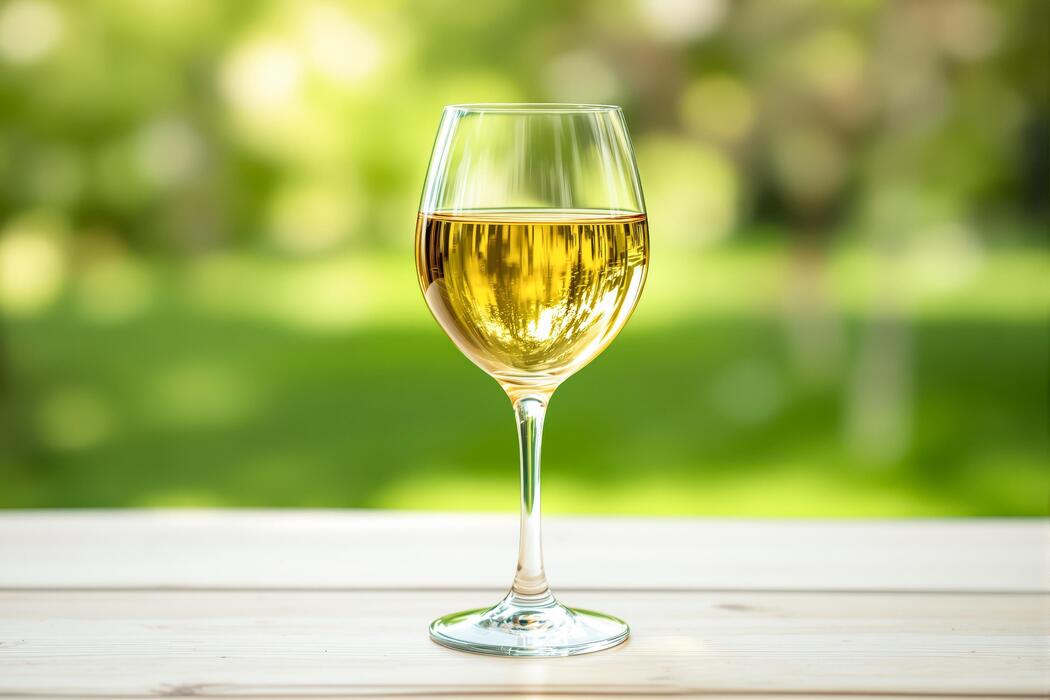
To truly enjoy white wine, understanding its ideal serving temperature is paramount, which typically ranges from 8-12°C (46-54°F) depending on the varietal. While a quick chill in the fridge might seem sufficient, it often leads to over-chilled wine, dulling its delicate aromas and flavors.
This is where a wine thermometer becomes an invaluable tool. Using one allows you to accurately measure the wine’s temperature before serving, ensuring it’s within the optimal range for its style – for instance, crisp Sauvignon Blancs at the cooler end, and richer Chardonnays slightly warmer.
Clip-on digital thermometers provide instant readings, eliminating guesswork and helping you perfect your pour. They are particularly useful when trying to bring a bottle up or down to the precise temperature, allowing the wine’s complex aromatics and palate to fully express themselves, enhancing your tasting experience significantly.
Wine Coolers and Dedicated Refrigerators
For those serious about their white wine collection, a dedicated wine cooler or refrigerator is a game-changer. Unlike standard kitchen fridges that cycle through temperatures and maintain very low humidity (which can dry out corks), wine coolers provide a stable, consistent environment.
They allow you to set a precise temperature, ideally between 8-12°C (46-54°F) for most white wines, ensuring they are always ready to serve at their best. Many models offer dual-zone capabilities, enabling you to store different white wine styles (e.g., light-bodied vs. full-bodied) at their respective optimal temperatures simultaneously.
This prevents thermal shock and preserves the wine’s integrity over time, allowing it to age gracefully if intended. It’s an essential investment for maintaining perfect serving conditions and safeguarding your wine’s quality.
Insulated Sleeves and Ice Buckets
Once your white wine is at its perfect serving temperature, the next challenge is to maintain that ideal temperature throughout your meal or gathering, especially in warmer conditions. An insulated wine sleeve, pre-chilled in the freezer, is a convenient and elegant solution.
It slips over the bottle, providing a consistent cooling effect without the mess of ice, keeping your wine perfectly chilled for an extended period. Alternatively, a traditional ice bucket remains a classic choice.
For maximum effectiveness, fill it with a mixture of ice and water; the water ensures better thermal contact with the bottle, chilling it more rapidly and evenly than ice alone. Remember to periodically remove the bottle from the ice bath to prevent over-chilling, which can mute flavors.
Both tools are indispensable for outdoor events or prolonged dining, ensuring every glass poured is as refreshing and flavorful as the first.
Common Serving Temperature Mistakes to Avoid
Serving Wine Straight from the Fridge
Serving white wine directly from a standard refrigerator is a common mistake that severely hinders the tasting experience. Fridges typically chill wine to around 35-40°F (1-4°C), a temperature so low it numbs the palate, suppressing the delicate aromas and intricate flavors that make white wines enjoyable.
Instead, aim for an ideal serving temperature of 45-50°F (7-10°C) for lighter, crisp whites like Sauvignon Blanc or Pinot Grigio. For fuller-bodied or oaked varieties such as Chardonnay, a slightly warmer 50-55°F (10-13°C) is preferable to allow their complexity and texture to fully express themselves.
To achieve this, simply remove the bottle from the fridge about 15-30 minutes before serving. This brief period allows the wine to gently warm, unlocking its true character and ensuring a far more aromatic and flavorful journey. A wine thermometer can be a valuable tool for precision.
Letting Wine Get Too Warm on the Table
Once a white wine is served, it’s crucial to prevent it from warming up excessively on the table, especially in warmer environments. A white wine that becomes too warm quickly loses its refreshing acidity and crispness, often tasting flabby, dull, or overly alcoholic.
The subtle fruit and floral notes become muted, and the overall balance is compromised. To combat this, always keep your white wine chilled while serving. A simple yet effective solution is to use an ice bucket filled with a half-and-half mixture of ice and water.
The water ensures full contact with the bottle, chilling it more efficiently than ice alone. Alternatively, a chilled wine sleeve can offer a less cumbersome option for casual settings.
Regularly checking the wine’s temperature and returning it to the cooler as needed ensures that every glass maintains its optimal refreshing quality, delivering the intended sensory experience from start to finish.
Ignoring the Bottle’s Storage History
The journey a bottle of white wine takes before it reaches your glass significantly impacts its ideal serving temperature and overall quality. Ignoring its storage history can lead to disappointment, as improper long-term storage can irrevocably damage a wine.
If a wine has been exposed to excessive heat fluctuations, bright light, or dry conditions for extended periods, its delicate flavors and aromas may already be compromised, regardless of how perfectly you chill it just before serving.
While you might not know every detail, purchasing from reputable retailers who maintain proper cellar conditions minimizes this risk. For wines stored in your own home, ensure they are kept in a cool, dark place with consistent temperature (around 50-55°F or 10-13°C) and moderate humidity.
Understanding this background helps you appreciate that the wine’s condition is foundational; even perfect serving temperature cannot revive a wine that has been fundamentally damaged by its past.
Adapting White Wine Temperature to Your Situation
Adjusting for Hot Weather and Outdoor Events
When enjoying white wine in warm climates or at outdoor gatherings, the typical recommended serving temperatures often need adaptation. A wine served at its ideal cellar temperature indoors can quickly become too warm under the sun.
To combat this, utilize an ice bucket filled with a mix of ice and water; this creates maximum surface contact for efficient chilling and maintenance. Alternatively, invest in insulated wine sleeves or coolers that can keep bottles cold for hours without needing ice.
For immediate relief, chilled wine glasses can make a significant difference, providing a momentary temperature drop as the wine is poured. Don’t be afraid to serve your white wine a few degrees colder than usual if it’s hot outside, as it will naturally warm up faster in the glass.
This slight over-chilling ensures that the wine remains refreshing and crisp throughout the drinking experience, preventing it from becoming flabby or losing its vibrancy due to elevated temperatures. Rapid consumption is also a subtle strategy.
Considering Personal Taste Preferences
While general temperature guidelines exist, the ‘best’ temperature for white wine ultimately hinges on personal preference and the specific wine style. Some individuals prefer their crisp Sauvignon Blanc or Pinot Grigio served exceptionally cold, around 40-45°F (4-7°C), to maximize its refreshing acidity and vibrant fruit notes.
Others might find this mutes the wine’s aromatic complexity. Conversely, a richer, more full-bodied Chardonnay, especially one with oak influence, often reveals its nuances better at a slightly warmer temperature, closer to 50-55°F (10-13°C), allowing its creamy texture and secondary aromas to shine.
Experimentation is key; try a bottle at different temperatures to discover your ideal range. Over-chilling can hide a wine’s character, both good and bad, while serving too warm can make it seem alcoholic or dull. Trust your palate to guide you to the perfect balance for each bottle.
The Role of Glassware in Temperature Management
The choice of glassware significantly impacts how long your white wine maintains its ideal temperature, especially in varying conditions. Always opt for stemmed wine glasses; the stem allows you to hold the glass without your hand’s warmth transferring to the bowl and heating the wine.
A thin-rimmed glass enhances the tasting experience by allowing the wine to flow smoothly to the palate. For very hot environments, consider briefly chilling your wine glasses before pouring. This simple step can buy you precious minutes of cooler wine enjoyment.
The shape of the bowl also plays a role; a narrower, taller flute for sparkling wine helps preserve bubbles and maintain chill longer, while a broader bowl for still whites might allow for more aeration but also a slightly faster warming rate.
Proper glassware is not just about aesthetics; it’s a crucial tool for temperature control and maximizing your wine experience.
Frequently Asked Questions
What is the general ideal temperature range for serving white wine?
Most white wines are best enjoyed between 45-55°F (7-13°C). This range allows the wine’s aromas and flavors to express themselves without being dulled by excessive cold or becoming overly alcoholic and flabby if too warm.
Does the ideal serving temperature for white wine vary by type?
Yes, it absolutely does. Lighter-bodied, aromatic white wines like Sauvignon Blanc or Pinot Grigio benefit from being served cooler (around 45-50°F / 7-10°C), while richer, full-bodied whites such as oaked Chardonnay or Viognier are better at a slightly warmer temperature (around 50-55°F / 10-13°C).
What happens if white wine is served too cold?
If white wine is served excessively cold, its aromas and complex flavors can become muted or ‘locked down’. The wine may taste overly acidic or thin, and its true character will not be able to shine through, leading to a less enjoyable experience.
What are the consequences of serving white wine too warm?
Serving white wine too warm can make it taste flabby, overly alcoholic, and less refreshing. The delicate acidity and fruit characteristics can be overwhelmed, and the wine might lose its crispness and vibrant qualities.
How can I achieve the perfect serving temperature for my white wine?
To chill white wine, place it in the refrigerator for 2-3 hours, or in an ice bucket filled with equal parts ice and water for 20-30 minutes. A wine thermometer can help you pinpoint the exact temperature for optimal enjoyment.
Should sparkling wines be served at the same temperature as still white wines?
Sparkling wines, such as Champagne or Prosecco, generally benefit from being served colder than most still white wines, typically between 40-45°F (4-7°C). This colder temperature helps preserve their effervescence and crisp, refreshing character.
How long does it typically take to chill a bottle of white wine in a refrigerator?
A standard 750ml bottle of white wine usually takes about 2 to 3 hours to reach an optimal serving temperature when placed in a regular refrigerator. For quicker chilling, an ice bucket with ice and water is much more efficient.
Conclusion
Ultimately, the ideal white wine temperature elevates its unique aromas and flavors. Remember, most whites shine between 45-55°F, with lighter styles needing more chill and fuller-bodied ones less. Over-chilling mutes character, while too warm makes it seem flabby. Experiment with your favorite bottles, trust your palate, and don’t be afraid to adjust. Enjoy discovering the perfect serving temperature for every delightful pour!