Best Temperature For Red And White Wine Storage
The best temperature for red and white wine storage is a consistent 55°F (13°C) for optimal long-term aging and preservation. Many wine enthusiasts struggle with maintaining ideal conditions, often risking their valuable collections to temperature fluctuations or improper environments. These issues can prematurely age, spoil, or diminish a wine’s delicate flavors and aromas. If you’re looking to protect your investment and ensure every bottle reaches its full potential, you’ve come to the right place to understand the critical role temperature plays in wine storage.
Ideal Temperature for Any Wine Bottle
The Golden Rule for Long-Term Wine Storage
For optimal long-term wine storage, the most crucial factor is consistency rather than a single, absolute temperature. While wines can tolerate a range, extreme fluctuations are detrimental.
The ideal environment should maintain a stable temperature, free from sudden rises or falls, which can cause the cork to expand and contract, leading to oxidation. Aim for a cool, dark, and humid environment to prevent the cork from drying out and allowing air into the bottle.
A consistent temperature ensures the wine ages gracefully, allowing its complex flavors and aromas to develop over time. Prioritizing stability over a precise degree is key to preserving your investment and enjoying your wine at its peak potential.
Why 55°F (13°C) is Often Recommended
The widely recommended temperature of 55°F (13°C) serves as an excellent benchmark for both red and white wines during long-term storage. This temperature is cool enough to slow down the aging process for red wines, allowing them to mature gracefully without accelerating spoilage.
Simultaneously, it’s not so cold as to completely halt the development of white wines, enabling them to also evolve favorably. At 55°F, wines are kept in a state of ‘hibernation,’ where chemical reactions occur at an optimal, controlled pace.
This balance ensures that the wine’s intricate flavors, aromas, and structure are preserved and enhanced over months or even years, making it a reliable target for any serious collector.
Short-Term vs. Long-Term Storage Needs
Understanding the distinction between short-term and long-term storage is vital for wine enthusiasts. For long-term aging (months to years), maintaining a consistent 55°F (13°C) is paramount, as discussed. This stability preserves the wine’s integrity and allows for proper maturation.
However, for short-term storage (days to a few weeks), especially for wines you plan to consume soon, a slightly warmer or cooler environment is less critical. While a dedicated wine fridge is ideal, a cool, dark pantry or closet can suffice.
The primary goal for short-term is to avoid extreme heat, direct sunlight, and significant temperature swings. Always remember to store bottles horizontally to keep the cork moist, preventing premature oxidation, regardless of the storage duration.
Best Temperatures for Red Wine Storage
Storing Full-Bodied Red Wines
For full-bodied red wines like Cabernet Sauvignon, Syrah, or Zinfandel, maintaining a consistent storage temperature is paramount for proper aging and flavor development. The ideal range for these robust varieties is typically 55-60°F (13-16°C).
Fluctuations in temperature are more detrimental than a slightly higher or lower consistent temperature, as they cause the wine to expand and contract, potentially pushing the cork out or allowing oxygen in, leading to premature aging or spoilage.
Aim for a dark, vibration-free environment with appropriate humidity (around 70%) to prevent cork drying. Storing these wines within this stable, cool range allows their complex tannins to soften and their intricate flavors to evolve gracefully, ensuring they reach their peak potential when you decide to uncork them.
This consistent environment is crucial for both short-term holding and long-term cellaring of your prized reds, safeguarding their quality.
Storing Lighter Red Wines
Lighter-bodied red wines, such as Pinot Noir, Beaujolais, or Grenache, benefit from a slightly cooler storage temperature compared to their full-bodied counterparts. The optimal range for these delicate reds is typically 50-55°F (10-13°C).
This cooler environment helps to preserve their vibrant fruit characteristics and delicate aromatics, preventing them from becoming “cooked” or losing their freshness. As with all wines, temperature consistency is critical; avoid any drastic swings that could compromise the wine’s integrity.
While some lighter reds are enjoyed younger, proper storage within this range will ensure that even those intended for a few years of aging maintain their quality and expressive qualities.
Proper humidity also plays a role in preventing cork shrinkage, making a cool, stable cellar or wine fridge the best home for these elegant wines, protecting their subtle nuances.
Serving Temperatures vs. Storage Temperatures for Reds
It’s crucial to understand the distinct difference between a wine’s ideal storage temperature and its optimal serving temperature. While most red wines should be stored consistently cool, ideally between 50-60°F (10-16°C) for preservation and aging, their serving temperatures are often warmer to best express their aromatic profiles and palate.
Full-bodied reds are typically served around 60-65°F (16-18°C), while lighter reds benefit from a slightly cooler 55-60°F (13-16°C) to highlight their freshness. Serving a red wine too warm can make it taste flabby and alcoholic, whereas serving it too cold can mute its flavors and heighten its tannins.
Never store red wine at typical room temperature (70°F/21°C or higher), as this accelerates aging and can spoil the wine quickly. White wines, conversely, are stored similarly cool but served much colder, usually 45-55°F (7-13°C).
Best Temperatures for White Wine Storage
Storing Crisp and Dry White Wines
For crisp and dry white wines, such as Sauvignon Blanc, Pinot Grigio, and unoaked Chardonnay, maintaining an optimal storage temperature is paramount to preserving their vibrant acidity and fresh fruit characteristics. The ideal range for these wines is typically 7-10°C (45-50°F).
Storing them consistently within this cooler spectrum helps to slow down the aging process, preventing premature oxidation and ensuring their delicate aromas and flavors remain intact for longer.
Fluctuations in temperature are particularly detrimental, as they can cause the cork to expand and contract, potentially allowing air to seep in and spoil the wine. Therefore, a stable environment is crucial.
Always store these bottles on their side to keep the cork moist, and away from direct light or vibrations, which can accelerate deterioration. Proper storage ensures these wines retain their refreshing qualities until ready for enjoyment.
Storing Aromatic and Oaked White Wines
Aromatic and oaked white wines, including barrel-fermented Chardonnays, Viognier, and richer Rieslings, benefit from a slightly warmer, yet still cool, storage temperature compared to their crisp counterparts. A range of 10-13°C (50-55°F) is generally recommended.
This slightly elevated temperature allows the wine’s complex aromatic compounds and textural nuances to evolve gracefully over time without rushing the aging process or developing undesirable characteristics. For oaked varieties, this temperature helps integrate the oak influence harmoniously with the fruit.
Consistency is, again, key; avoiding temperature swings is vital to prevent thermal shock and maintain the integrity of the wine. Ensure bottles are stored horizontally in a dark, humid environment to protect the cork and prevent light-induced faults. This careful approach safeguards the intricate balance and depth these wines offer.
Serving Temperatures vs. Storage Temperatures for Whites
It is crucial to differentiate between ideal storage temperatures and optimal serving temperatures for white wines, as they serve entirely different purposes. Storage temperatures, discussed previously, are about long-term preservation and ensuring the wine ages gracefully without spoilage, typically ranging from 7-13°C (45-55°F).
Serving temperatures, however, are about presenting the wine at its best for immediate consumption, enhancing its specific characteristics. For instance, crisp whites are best served colder, around 7-10°C (45-50°F), to highlight their acidity and freshness.
Aromatic and oaked whites often shine at a slightly warmer 10-13°C (50-55°F), allowing their complexity to emerge. Never serve white wine straight from a cold cellar or refrigerator without considering its type; a simple quick chill or brief warming ensures maximum enjoyment.
Confusing these two can lead to a less-than-ideal tasting experience, either muting flavors or making the wine taste flabby.
How Temperature Affects Wine Quality and Aging
Chemical Reactions and Wine Maturation
The ideal temperature for long-term wine storage, encompassing both red and white varieties, is consistently between 50-57°F (10-14°C). Within this range, the complex chemical reactions responsible for wine maturation proceed at a controlled, optimal pace.
Higher temperatures, even slightly above this range, accelerate these reactions significantly, causing the wine to age prematurely and lose its delicate nuances. Conversely, temperatures much lower than 50°F (10°C) can halt maturation, preventing the development of desired secondary and tertiary aromas.
Consistency is paramount; wild temperature swings are detrimental, as they cause the liquid to expand and contract, potentially pushing the cork out or drawing oxygen in, leading to oxidation.
Maintaining a steady cool environment allows tannins to soften, acids to integrate, and complex flavors to emerge gracefully over time, preserving the wine’s intended journey.
Preventing Premature Aging and Spoilage
Storing wine at the correct, stable temperature is critical for preventing premature aging and spoilage. Temperatures exceeding 70°F (21°C) for extended periods can literally “cook” the wine, resulting in a flat, jammy, or stewed flavor profile with diminished acidity and aroma—often irreversible damage.
Conversely, temperatures consistently below 45°F (7°C) can lead to tartrate crystallization, where harmless but visually unappealing crystals form at the bottom of the bottle. More significantly, extreme cold can cause corks to dry out and shrink, compromising the seal and allowing unwanted oxygen exposure.
Temperature fluctuations are equally destructive, leading to cork expansion and contraction that can pull air into the bottle, causing oxidation. A stable environment, ideally within 50-57°F (10-14°C), ensures the cork remains intact and the wine’s delicate balance is preserved against these common pitfalls of improper storage.
Protecting Aromas, Flavors, and Structure
The integrity of a wine’s aromas, flavors, and structural components—such as acidity and tannins—is profoundly influenced by storage temperature. An optimal storage range of 50-57°F (10-14°C) for both red and white wines is crucial for preserving their intended character.
At higher temperatures, volatile aromatic compounds evaporate more quickly, leading to a loss of fresh fruit and floral notes, and an accelerated development of cooked or oxidized characteristics. Lower temperatures can suppress the development of a wine’s bouquet, preventing the subtle nuances from emerging.
Proper temperature control ensures that tannins soften gracefully in red wines, contributing to a smoother mouthfeel, and that acidity remains vibrant in both red and white varieties, providing balance and longevity.
Ultimately, maintaining this consistent, cool environment safeguards the wine’s complex flavor profile and aromatic integrity, allowing it to evolve as the winemaker intended without losing its essential qualities.
Risks of Incorrect Wine Storage Temperatures
What Happens When Wine Gets Too Hot
When wine is exposed to excessive heat, it can suffer irreversible damage often referred to as being “cooked.” Temperatures consistently above 70°F (21°C) rapidly accelerate the wine’s aging process, causing its delicate flavors and aromas to break down prematurely.
This results in a flat, dull, or even “stewed” character, where the vibrant fruit notes are replaced by jammy or raisin-like qualities. Heat also causes the wine to expand, potentially pushing the cork outward and compromising the seal.
This allows oxygen to seep in, leading to undesirable oxidation that can turn the wine brown and vinegary. For optimal preservation of both red and white wines, the best temperature for storage is a consistent 55°F (13°C), which slows down chemical reactions and maintains the wine’s intended profile.
Keeping wine in a stable, cool environment is paramount to prevent this rapid degradation.
What Happens When Wine Gets Too Cold
While less destructive than excessive heat, storing wine in conditions that are too cold can also negatively impact its quality and presentation. Prolonged exposure to very low temperatures, particularly below 45°F (7°C), can cause tartrate crystals to precipitate out of the wine.
These harmless, gritty crystals, though natural, are often mistaken for sediment and can be visually unappealing. More critically, extreme cold can cause the cork to contract, potentially breaking the seal and allowing air to enter, which initiates premature oxidation.
Furthermore, while cold temperatures slow down aging, excessively cold conditions can inhibit the wine’s natural development and mute its complex aromas and flavors. For long-term storage, avoid temperatures consistently below 45°F (7°C), and certainly keep wine above freezing to prevent bottle breakage.
Remember that serving temperatures differ significantly from ideal storage conditions.
Damage from Temperature Fluctuations
Perhaps the most insidious threat to wine quality is frequent and dramatic temperature fluctuations. Even if temperatures don’t reach extreme highs or lows, constant shifts cause the wine inside the bottle to repeatedly expand and contract.
This “pumping” action stresses the cork, making it alternately push out and then pull back in air.
Each time air is drawn in, small amounts of oxygen enter the bottle, leading to oxidative damage that can strip the wine of its freshness, fruit, and aromatic complexity, replacing them with flat, nutty, or sherry-like notes.
This accelerated oxidation leads to premature aging and overall flavor degradation, ruining the wine’s intended character. To protect your investment and ensure your wine ages gracefully, maintaining a stable environment is crucial.
A dedicated wine cellar or wine refrigerator that holds a constant 55°F (13°C) is ideal for both red and white wines, preventing these detrimental shifts.
Ways to Control Wine Storage Temperature at Home
Using Wine Cellars and Dedicated Refrigerators
For optimal wine preservation, particularly for long-term storage, dedicated wine cellars and refrigerators are the most effective solutions. The ideal storage temperature for all wines – red, white, and sparkling – is consistently 55°F (13°C).
These specialized units are designed to maintain this precise temperature, preventing premature aging caused by heat and protecting against cork damage from excessive cold.
Wine refrigerators come in various sizes and configurations, including single-zone units for a uniform temperature or dual-zone models that can accommodate different serving temperatures for reds (e.g., 60-65°F) and whites (e.g., 45-50°F), though for *storage*, 55°F remains paramount for both.
They also often incorporate humidity control (ideally 50-70%) to prevent corks from drying out, which can lead to oxidation. Investing in such equipment ensures your collection ages gracefully, preserving its complex flavors and aromas over time.
Simple Home Storage Solutions and Tips
If a dedicated wine cellar or refrigerator isn’t feasible, several simple home solutions can help manage wine storage temperature. The primary goal is to find a location that remains cool, dark, and experiences minimal temperature fluctuations. Basements are often ideal, naturally maintaining cooler, more stable conditions.
A closet on an interior wall, away from heat sources like ovens or windows, can also work. Avoid storing wine in kitchens, laundry rooms, or utility closets, as these areas typically experience significant heat changes and vibrations.
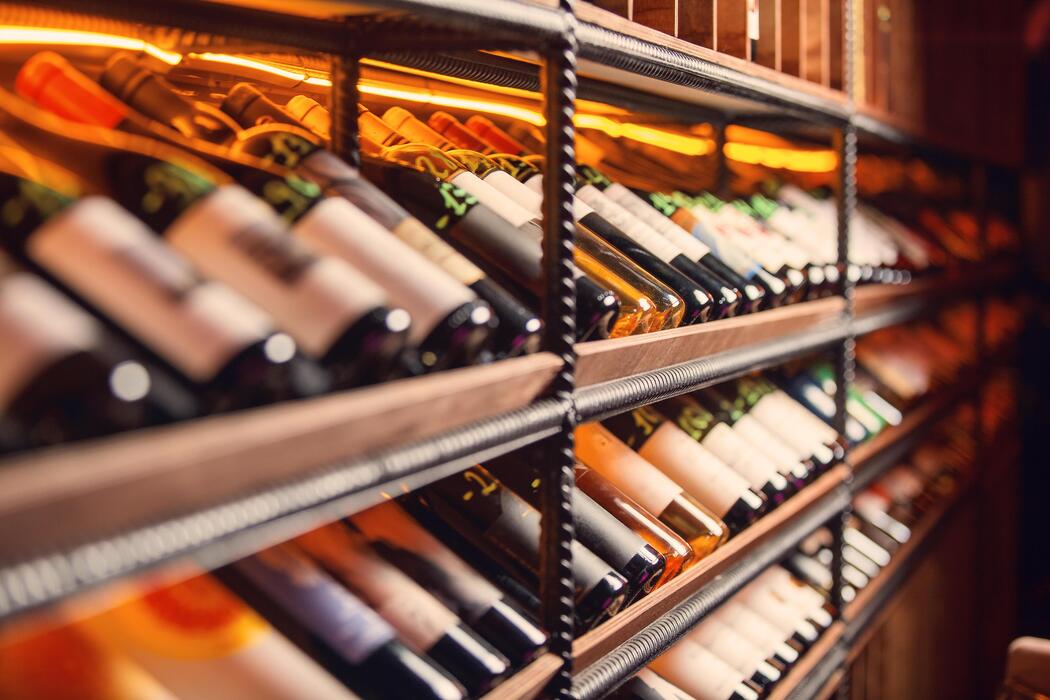
Always store bottles horizontally to ensure the cork remains moist, preventing it from drying out and allowing air to enter, which can spoil the wine. Keep wine away from direct sunlight and artificial light, which can degrade quality.
While these methods won’t offer the precise control of a wine fridge, they significantly improve upon leaving bottles exposed to room temperature swings, helping to keep your wine closer to the ideal 55°F (13°C).
Monitoring Temperature with Tools and Sensors
Even with the best storage solutions, continuous monitoring is crucial to ensure optimal conditions for your wine. The ideal storage temperature for all wine types, including red and white, is a consistent 55°F (13°C), with humidity between 50-70%. Basic digital thermometers can provide immediate temperature readings in your storage area.
For more comprehensive oversight, consider digital hygrometers that also measure humidity, which is vital for cork integrity. For advanced monitoring, smart sensors and Internet of Things (IoT) devices offer invaluable benefits.
These devices can remotely track temperature and humidity, sending alerts to your phone if conditions deviate from your set parameters. This proactive approach allows you to address issues promptly, safeguarding your wine collection from damaging fluctuations.
Regular monitoring ensures your efforts to maintain a stable environment are effective, protecting your investment and the quality of every bottle.
Other Key Factors for Perfect Wine Storage
Importance of Humidity Levels for Corks
Maintaining the correct humidity level is paramount for long-term wine storage, particularly when bottles are sealed with natural corks. Corks are organic materials that require moisture to remain supple and create an airtight seal.
If the environment is too dry, typically below 50% relative humidity, corks can dry out, shrink, and become brittle. This shrinkage allows air to seep into the bottle, leading to premature oxidation of the wine, which degrades its flavor, aroma, and overall quality.
Conversely, excessively high humidity, above 80%, can foster the growth of mold and mildew on labels and capsules, potentially affecting the bottle’s aesthetic value and future resale, though it doesn’t directly harm the wine itself. The ideal range for wine storage humidity is generally between 60% and 75% relative humidity.
This balance ensures cork integrity, preventing both desiccation and excessive mold growth, thus safeguarding your valuable collection.
Keeping Wine Away from Light Exposure
Light exposure, particularly ultraviolet (UV) rays, is a significant threat to wine, regardless of whether it’s red or white, and directly impacts its aging potential.
Just as UV light damages human skin, it can cause chemical reactions within wine, leading to a phenomenon known as “light strike.” This reaction results in unpleasant sulfurous compounds, creating off-flavors and aromas often described as wet cardboard, cabbage, or burnt rubber.
While some wines come in darker-colored bottles (like green or brown) which offer a degree of protection, they are not entirely impervious to UV damage. Fluorescent lights, often found in kitchens or basements, also emit UV, making them unsuitable for storage.
Therefore, storing wine in a consistently dark environment, such as a dedicated wine cellar, a wine refrigerator with solid doors, or opaque shelving, is absolutely crucial to preserve its delicate characteristics and ensure it ages gracefully without undesirable deterioration.
Vibration, Bottle Position, and Airflow
Minimizing vibration is critical for long-term wine storage, as constant agitation can disturb the wine’s delicate chemical structure, potentially accelerating its aging process and preventing sediment from settling properly. Avoid storing wine near heavy appliances, washing machines, or areas with frequent foot traffic.
For bottles sealed with natural corks, horizontal storage is essential; it keeps the cork in continuous contact with the wine, preventing it from drying out and allowing air to enter, which could lead to oxidation. Screw-cap or synthetic-corked bottles are less sensitive to position.
Adequate airflow is also important, particularly in larger collections or cellars. Good circulation helps maintain a consistent temperature and humidity throughout the storage space, preventing the development of stagnant, musty odors that could potentially permeate corks and affect the wine’s aroma.
Ensuring these factors are optimized contributes significantly to preserving the wine’s quality and ensuring it matures as intended.
Frequently Asked Questions
What is the ideal temperature for storing red wine long-term?
For long-term storage, red wines generally thrive at a consistent temperature between 50-57°F (10-14°C). This range allows the wine to age gracefully, developing its complex flavors and aromas without premature degradation.
What is the optimal temperature for storing white wine long-term?
White wines, like reds, prefer cooler temperatures for long-term storage, typically between 45-52°F (7-11°C). While slightly cooler than reds, maintaining consistency within this range is key to preserving their freshness and delicate characteristics.
Is there a universal ideal temperature for storing both red and white wines together?
Yes, if storing both red and white wines in the same environment, a compromise temperature of around 55°F (13°C) is often recommended. This temperature is cool enough for whites without being too cold, and warm enough for reds without causing premature aging.
What adverse effects can occur if wine is stored at too high a temperature?
High temperatures accelerate the aging process, causing wine to lose its freshness, fruit flavors, and potentially develop cooked or raisined notes. It can also cause the cork to expand and contract, leading to oxidation.
What are the risks of storing wine at temperatures that are too cold?
Storing wine too cold can stunt its development, preventing it from reaching its full potential. Extremely low temperatures can also cause the wine to freeze, pushing out the cork and potentially diluting the wine upon thawing.
How does temperature fluctuation impact wine quality during storage?
Frequent or significant temperature fluctuations are highly detrimental to wine, causing the cork to expand and contract. This movement allows oxygen to seep into the bottle, leading to premature oxidation and spoilage.
What is the difference between wine storage temperature and serving temperature?
Storage temperature refers to the cool, consistent environment needed for wine to age properly over time, typically between 45-65°F (7-18°C). Serving temperature, however, is the specific temperature at which a wine is best enjoyed to highlight its flavors, often warmer for reds and cooler for whites.
How can I ensure a consistent storage temperature for my wine collection?
The best way to maintain a consistent storage temperature is by using a dedicated wine refrigerator or cellar designed to control temperature and humidity. For smaller collections, a cool, dark closet away from appliances and direct sunlight can be a temporary solution.
Conclusion
Properly storing your red and white wines at their ideal, consistent temperatures is crucial for preserving their quality and enhancing your drinking experience. Remember, stability is key; avoid significant fluctuations. Aim for cooler, stable environments, typically around 55°F (13°C) for all wines, with serving temperatures varying. Applying these simple guidelines ensures every bottle delivers its intended flavor and aroma. Start optimizing your wine storage today and savor every sip!