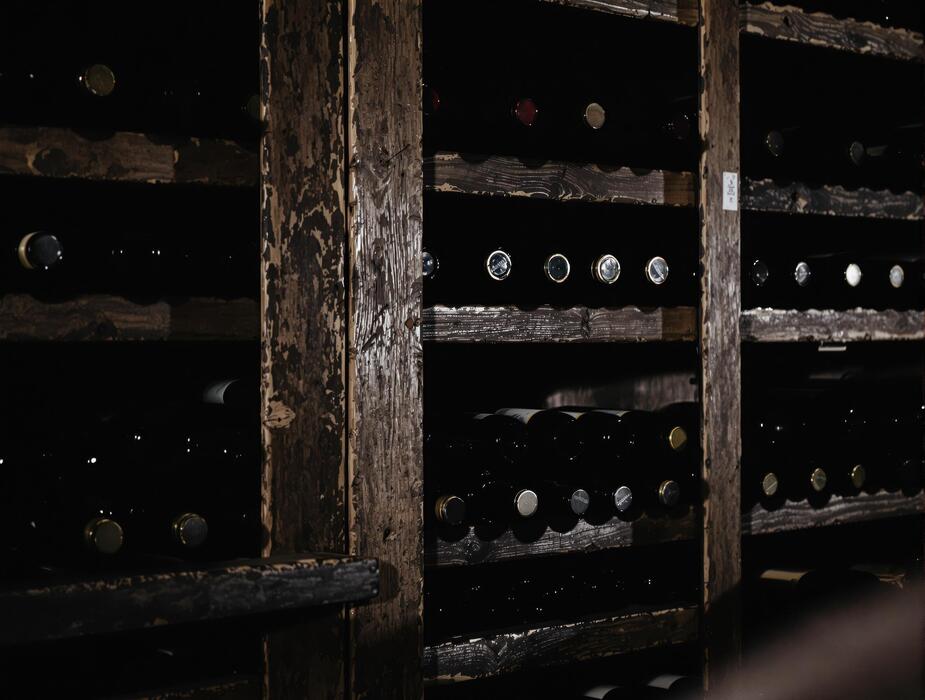
Best Temperature For Wine Cellar
The best temperature for wine cellar is consistently between 50-59°F (10-15°C). Maintaining this precise range is absolutely critical for optimal wine preservation and proper aging. Fluctuations or extreme temperatures can rapidly degrade your valuable collection, causing premature oxidation and ruining delicate flavors and aromas. If you’re serious about protecting your investment and ensuring every bottle reaches its full potential, you’ve definitely come to the right place to master perfect cellar conditions.
The Perfect Wine Cellar Temperature: An Overview
Ideal Range for Long-Term Storage
The optimal temperature for long-term wine storage is consistently between 50-59°F (10-15°C), with 55°F (13°C) often cited as the perfect sweet spot for most red and white wines.
This cool, stable environment is crucial because it slows down the chemical reactions responsible for aging, allowing the wine to mature gracefully and develop complex flavors and aromas over many years without prematurely degrading.
Temperatures below this range can stunt development and potentially dry out corks, while warmer temperatures accelerate aging significantly, leading to “cooked” wine with maderized, oxidized, or dull fruit flavors. To achieve and maintain this ideal, consider a dedicated wine cellar cooling unit or a high-quality, temperature-controlled wine refrigerator.
Investing in proper insulation for your cellar space is also key. Regular monitoring with a reliable, calibrated thermometer is essential to confirm these conditions are consistently met, safeguarding your valuable collection’s integrity and longevity.
Short-Term vs. Long-Term Temperature Needs
While long-term cellaring demands a strict 50-59°F (10-15°C) for optimal aging and preservation, wines intended for short-term consumption (typically within 1-6 months) can tolerate slightly warmer conditions. For these bottles, keeping them consistently below 70°F (21°C) and away from direct light or heat sources is generally acceptable.
It’s crucial to understand that serving temperatures are distinct from storage temperatures; reds often benefit from 60-65°F (15-18°C) and whites from 45-55°F (7-13°C). Even for short-term storage, avoid common pitfalls like storing wine in an uninsulated garage, attic, or near household appliances that generate heat.
Prioritize consistency and coolness for any storage duration. If ideal long-term conditions aren’t available, consider rotating your collection regularly, enjoying older bottles before they might suffer from less-than-perfect storage environments.
Why a Stable Temperature is Crucial
Beyond maintaining an ideal average, temperature stability is paramount for effective wine preservation. Fluctuations are often more damaging than a slightly off-but-consistent temperature. Significant or rapid shifts in temperature cause the wine inside the bottle to expand and contract.
This repeated expansion and contraction can lead to the cork repeatedly pushing out and pulling back, ultimately compromising the cork’s seal. Once the seal is weakened, oxygen can seep into the bottle, leading to premature oxidation, which ruins the wine’s delicate flavors and aromas, effectively “killing” it before its time.
A consistent temperature, even if it’s at the higher end of the ideal range (e.g., a steady 59°F/15°C), is far superior to a fluctuating environment.
To ensure stability, invest in high-quality cellar insulation, a reliable and precise cooling system, and strategically avoid placing your cellar near heat sources or areas prone to drafts.
How Temperature Affects Wine Aging and Quality
Chemical Reactions and Wine Evolution
The ideal temperature range for long-term wine aging is consistently between 50-59°F (10-15°C), with 55°F (13°C) often cited as optimal. Within this narrow band, the complex chemical reactions that define wine evolution, such as esterification, polymerization of tannins, and subtle oxidation, proceed at a controlled, gradual pace.
If the temperature is too high, these reactions accelerate drastically, leading to a rapid loss of fresh fruit characteristics and a premature development of ‘cooked’ or ‘stewed’ notes.
Conversely, temperatures that are too low can nearly halt these beneficial aging processes, preventing the wine from developing its full potential and complexity.
A stable environment ensures that the wine’s delicate balance of acids, sugars, alcohols, and phenols can slowly transform, creating the nuanced flavors and aromas desired in aged wines. Consistency is key to harnessing these transformative chemical changes effectively.
Preventing Premature Aging and Spoilage
Maintaining a stable and appropriate temperature in a wine cellar is crucial for preventing premature aging and spoilage.
High temperatures are a significant enemy, as they not only accelerate desirable chemical reactions to an undesirable speed but also increase the risk of wine “cooking” – losing its vibrancy and developing unpleasant caramelized flavors. More critically, fluctuating temperatures cause the cork to expand and contract, compromising its seal.
This allows oxygen to ingress at an uncontrolled rate, leading to excessive oxidation and spoilage, commonly referred to as “maderization.” Additionally, temperatures above 68°F (20°C) can encourage microbial growth, potentially leading to undesirable secondary fermentations or the development of wine faults.
A consistent cellar temperature, ideally around 55°F (13°C), minimizes these risks, preserving the wine’s integrity and allowing it to age gracefully without external stressors.
The Impact on Flavor and Aroma Development
The best temperature for a wine cellar directly influences the development of a wine’s flavor and aroma profile over time.
At the recommended 50-59°F (10-15°C), wines undergo a slow, controlled evolution, allowing primary fruit aromas to soften, secondary notes from fermentation to integrate, and tertiary complexities (such as tobacco, leather, or truffle) to emerge. This gradual transformation creates a more harmonious and intricate sensory experience.
If the storage temperature is consistently too warm, the wine’s delicate aromatic compounds can dissipate rapidly or develop off-notes, resulting in a wine that tastes flat, overly alcoholic, or prematurely aged.
Conversely, very cold temperatures can effectively ‘put the wine to sleep,’ inhibiting the chemical reactions necessary for the development of complex flavors and aromas, thus preventing it from reaching its peak potential. Optimal temperature ensures the wine’s full aromatic spectrum unfolds beautifully.
Temperature Guidelines for Different Wine Types
Best Temperatures for Red Wines
For long-term storage of red wines, maintaining a consistent temperature between 50-57°F (10-14°C) is crucial. This range allows the wine to age gracefully, developing complex flavors and aromas without premature oxidation or degradation.
While serving temperatures for reds often differ (typically 60-68°F), the cellar environment needs to be cooler for optimal maturation. Fluctuations are detrimental, so a stable temperature is paramount; even small, repeated swings can stress the cork and accelerate spoilage.
Prioritize a cellar system that offers precise temperature control to ensure your treasured red wines reach their full potential over time. Avoid storing reds above 65°F (18°C) as this can ‘cook’ the wine, leading to flat, stewed flavors.
Ideal Settings for White and Rosé Wines
White and rosé wines, whether for short-term holding or long-term aging, thrive in a slightly cooler cellar environment than reds. An ideal storage temperature is 45-52°F (7-11°C). This range helps preserve their delicate aromatics, crisp acidity, and vibrant fruit characteristics.
While many white wines are consumed young, high-quality Chardonnay, Riesling, or Sauvignon Blanc can benefit from several years of aging, and this temperature range supports that process without hindering development. For immediate consumption, they might be chilled further, but for cellar storage, consistency within this cooler bracket is key.
Ensure your cellar system can reliably maintain this lower range to prevent these lighter wines from losing their freshness and becoming flabby.
Storing Sparkling Wines and Champagne
Sparkling wines and Champagne require specific, cooler conditions to maintain their effervescence and delicate flavors. The optimal cellar temperature for these wines is 45-50°F (7-10°C). Storing them warmer can cause the cork to dry out and shrink, leading to a loss of pressure and the wine becoming flat.
Conversely, storing them too cold for extended periods isn’t ideal either, as it can sometimes inhibit flavor development. The consistent humidity often found in cellars is also vital to keep the cork moist and sealed. Always store sparkling wines horizontally to ensure the wine remains in contact with the cork.
Prioritize a storage zone within your cellar that reliably holds this cooler, stable temperature to safeguard the bubbles and brightness of your sparkling collection.
Sweet and Fortified Wine Temperature Needs
Sweet and fortified wines, such as Port, Sherry, Sauternes, or Ice Wine, often have higher alcohol content or sugar levels, making them more resilient to temperature variations than other wine types.
However, for optimal long-term aging and flavor preservation, a temperature range of 50-57°F (10-14°C) is still recommended, similar to red wines. While their robust nature means they won’t spoil as quickly if stored slightly warmer, extreme heat or fluctuating temperatures will still degrade their complex profiles over time.
The key is stability and consistency within this range to allow their unique characteristics to evolve slowly and gracefully. Proper cellar conditions ensure these rich, often age-worthy wines develop their full depth and nuance without becoming oxidized or losing their intended character.
Dangers of Temperature Swings and Instability
What Happens During Rapid Temperature Changes
Rapid temperature changes are incredibly detrimental to wine, causing more harm than a slightly higher or lower consistent temperature. When wine experiences significant shifts, the liquid inside the bottle, along with the air pocket and cork, undergoes thermal expansion and contraction.
This constant movement can force wine out past the cork or, more commonly, draw air into the bottle. Oxygen is wine’s enemy when present prematurely or in excess, leading to accelerated aging and oxidation, which strips the wine of its delicate aromas and flavors, making it taste dull and lifeless.
A stable environment, ideally within the 50-59°F (10-15°C) range, minimizes these physical stressors, ensuring the wine can evolve slowly and gracefully without external interference. Consistency is paramount for preserving the wine’s intended character and longevity.
Preventing Cork Damage and Oxidation
Temperature swings directly impact the integrity of the cork, which acts as the bottle’s crucial seal. When temperatures fluctuate, the cork itself expands and contracts. This repeated movement can compromise the seal, creating tiny pathways for air to enter the bottle.
Once oxygen seeps past the cork, it begins a process of premature oxidation, irrevocably altering the wine’s profile. Oxidized wines often display characteristics like a nutty or sherry-like aroma, browning color, and a significant loss of fresh fruit flavors.
To prevent this, maintaining a consistent cellar temperature, ideally around 55°F (13°C), is vital. This stability, coupled with appropriate humidity levels (50-70%), keeps the cork moist and pliable, ensuring it maintains a tight, effective seal and protects the wine from destructive oxidation.
Avoiding ‘Cooked’ Wine Syndrome
The dreaded ‘cooked’ wine syndrome is an irreversible condition that occurs when wine is exposed to excessively high temperatures, even for relatively short periods, or to chronic temperature instability. Heat causes the wine’s delicate volatile compounds to degrade rapidly, destroying its aromatic complexity and vibrant fruit flavors.
The result is a wine that tastes flat, stewed, or jammy, often described as having a “burnt” or “maderized” quality, completely losing its freshness and terroir expression. Even if the wine isn’t literally cooked, high temperatures accelerate all chemical reactions, leading to premature aging and spoilage.
To prevent this, the best temperature for a wine cellar is a consistently cool 50-59°F (10-15°C), with 55°F (13°C) being ideal. This stable, cool environment ensures the wine ages slowly and gracefully, preserving its integrity and preventing the onset of this devastating condition.
Humidity’s Role in a Temperature-Controlled Cellar
Why Humidity Matters for Wine Storage
Humidity is a critical, yet often overlooked, component in a truly effective temperature-controlled wine cellar. Its primary role is to prevent the corks from drying out and shrinking. When corks lose moisture, they contract, allowing tiny amounts of air to seep into the bottle.
This air ingress leads to premature oxidation, which can quickly degrade the wine’s delicate flavors and aromas, turning it flat or vinegary. A cellar that maintains a consistent, cool temperature, typically around 55°F (13°C), provides the ideal environment for a long, slow aging process.
However, without adequate humidity, even perfect temperature control cannot fully protect your investment. Stable humidity levels ensure the corks remain pliable and maintain a tight, impermeable seal, preserving the wine’s integrity for decades. It’s an indispensable partner to temperature stability.
Finding the Right Humidity Level
The optimal humidity range for a wine cellar is generally accepted to be between 50% and 75% Relative Humidity (RH). Within this range, corks remain moist and properly sealed, preventing unwanted air exchange without promoting mold growth.
While the “best temperature for wine cellar” is widely agreed upon as 55°F (13°C), achieving this temperature in isolation is insufficient. You need to actively monitor your cellar’s RH using a reliable hygrometer.
If levels drop too low, a humidifier might be necessary; if they’re too high, a dehumidifier can help. The key is consistency and balance: dramatic fluctuations in humidity are just as detrimental as unstable temperatures.
Maintaining this precise atmospheric equilibrium is paramount for protecting your wine, ensuring its character develops beautifully over time and that the cork remains perfectly functional.
How Low and High Humidity Damages Wine
Both excessively low and high humidity levels pose significant threats to your wine collection. When humidity consistently drops below 50% RH, corks begin to dry, shrink, and lose their elasticity.
This allows harmful oxygen to enter the bottle, leading to oxidation and spoilage – a direct consequence of a compromised seal. Conversely, humidity consistently above 75% RH can foster mold and mildew growth, primarily on bottle labels and cork exteriors.
While mold on labels is unsightly and can devalue collectible bottles, mold on the cork can, in severe cases, indicate a risk to the wine itself, though this is less common. These humidity issues, when combined with inconsistent or incorrect temperatures, accelerate damage.
A stable environment with humidity between 50-75% RH, alongside the ideal 55°F (13°C) temperature, is crucial to safeguard both the wine’s quality and its aesthetic presentation, ensuring your investment matures perfectly.
Building or Converting Your Wine Cellar for Temperature Control
Insulating Your Storage Space
Maintaining the optimal wine cellar temperature of 55°F (13°C) and a relative humidity of 60-70% hinges critically on superior insulation. A well-insulated space minimizes energy consumption and prevents temperature fluctuations that can harm your wine.
Start by ensuring a continuous vapor barrier on the warm side of the insulation to prevent moisture migration, which can lead to mold and label damage. For walls and ceilings, aim for a high R-value using materials like closed-cell spray foam or rigid foam boards.
These provide excellent thermal resistance and act as a secondary vapor barrier. Don’t overlook the floor, especially if it’s over an unconditioned space, where insulation is equally important.
Finally, sealing all gaps and cracks around doors, windows, and utility penetrations is paramount to prevent air leakage and maintain a stable internal environment, directly contributing to consistent temperature control.
Choosing the Right Cooling System
Selecting the appropriate cooling unit is paramount for achieving and maintaining the ideal wine cellar temperature of 55°F (13°C). Unlike standard air conditioners, dedicated wine cellar cooling units are designed for continuous operation at lower temperatures and include humidity control capabilities, which are essential for cork longevity.
Consider factors like your cellar’s volume, insulation quality, and external heat load when determining the required BTU requirements. Options range from self-contained units that vent into an adjacent room to more complex split systems or ductless mini-splits, where the noisy compressor can be located remotely.
Professional sizing is crucial; an undersized unit will struggle to maintain temperature, while an oversized one can short-cycle, leading to humidity issues. Invest in a quality system designed specifically for wine storage to guarantee long-term temperature stability.
Cellar Location and Environmental Factors
The location of your wine cellar significantly influences its ability to maintain the optimal 55°F (13°C) temperature and the efficiency of your cooling system.
Ideally, a cellar should be located in a basement or underground space as these areas naturally offer more stable, cooler temperatures and less exposure to external heat fluctuations.
Avoid placing your cellar on an exterior wall or in areas exposed to direct sunlight, as these will dramatically increase the heat load and strain on your cooling unit.
Furthermore, consider potential sources of vibration – such as laundry rooms or busy thoroughfares – as constant vibration can disturb wine sediment and prematurely age the wine.
Evaluating the ambient temperature of the surrounding areas will help determine the necessary insulation and cooling capacity, ensuring your system can efficiently achieve and hold the desired stable conditions without excessive energy consumption.
Monitoring and Maintaining Your Cellar’s Climate
Essential Tools for Temperature Tracking
Maintaining the ideal environment for your wine collection hinges on precise temperature monitoring. The best temperature for long-term wine storage is consistently between 55°F (13°C) and 57°F (14°C), with minimal fluctuations. To achieve this, several tools are indispensable.
A high-quality digital thermometer with remote sensors is crucial, allowing you to track conditions without frequently opening the cellar door. Look for models that also integrate a hygrometer to monitor relative humidity, ideally kept between 60-70%, as extreme dryness or dampness can also damage corks and labels.
Smart cellar monitoring systems offer advanced features, providing real-time data, alerts for deviations, and even historical logging. Place sensors strategically: one near the cooling unit, another in the warmest spot, and one at average height among the bottles, to get a comprehensive understanding of your cellar’s climate.
These tools are your first line of defense against temperature instability.
Regular Checks and Troubleshooting Tips
Ensuring your cellar consistently maintains the optimal temperature of 55-57°F (13-14°C) requires more than just good equipment; it demands routine vigilance. Make it a habit to check your monitoring system daily or at least several times a week to catch any deviations early.
Periodically calibrate your thermometers and hygrometers against a known standard to guarantee accuracy. If you notice the temperature creeping up or down, first check the obvious: is the cellar door completely sealed? Are there any obstructions to the cooling unit’s airflow? Inspect door gaskets for cracks or wear.
For more persistent issues, consider whether the cooling unit needs a filter change or professional servicing. Avoid drastic temperature swings, as these are far more damaging to wine than a slightly off but stable temperature. Prompt action can prevent minor issues from becoming costly problems, preserving your valuable collection.
Protecting Your Collection from Power Outages
Power outages pose a significant threat to maintaining your cellar’s stable and ideal temperature of 55-57°F (13-14°C). While a well-insulated cellar can hold its temperature for a while, prolonged outages require proactive measures.
Consider installing a backup power source, such as a generator or a robust uninterruptible power supply (UPS), especially for your cooling unit and monitoring systems. During an outage, minimize opening the cellar door to trap the cool air inside.
For very long outages, some enthusiasts use passive cooling methods like placing frozen water bottles in strategic locations, though this is a temporary and less precise solution. Ensure your monitoring system can alert you remotely if power is lost, allowing for timely intervention.
Investing in a reliable backup plan is crucial for safeguarding your wine against unforeseen electrical disruptions and preserving its optimal aging conditions.
Frequently Asked Questions
What is the ideal temperature range for long-term wine storage?
The generally accepted ideal temperature range for long-term wine storage is between 50°F and 59°F (10°C and 15°C). Within this range, 55°F (12.7°C) is often cited as the perfect constant temperature for optimal aging and preservation.
Why is maintaining a consistent temperature crucial for wine cellaring?
Consistent temperature prevents rapid expansion and contraction of the wine and its cork, which can lead to premature aging or oxidation. Fluctuations stress the cork, potentially allowing air to enter the bottle and spoil the wine.
What are the risks of storing wine in a cellar that is too warm?
Storing wine in a cellar that is too warm (above 65°F/18°C) accelerates its aging process, causing it to lose its freshness, fruit flavors, and complexity prematurely. Extreme heat can also ‘cook’ the wine, leading to flat, stewed flavors and a damaged cork.
Can a wine cellar be too cold, and what are the effects?
Yes, a wine cellar can be too cold, although it’s less damaging than being too warm. Temperatures consistently below 45°F (7°C) can inhibit the wine’s aging process, preventing it from developing its full potential. Extreme cold can also cause the wine to freeze, pushing out the cork and potentially spoiling the wine.
Does the recommended cellar temperature differ for red, white, or sparkling wines?
No, the recommended long-term storage temperature is consistent for all types of wine, including red, white, and sparkling, ideally around 55°F (12.7°C). While serving temperatures vary greatly, the optimal aging environment remains the same for all varietals.
How can I ensure my wine cellar maintains the optimal temperature?
To maintain optimal temperature, use a dedicated wine cellar cooling unit or a high-quality wine refrigerator designed for precise temperature control. Insulate the cellar space thoroughly, avoid placing it near heat sources or direct sunlight, and monitor the temperature regularly with an accurate thermometer.
What is the distinction between wine cellar temperature and serving temperature?
Cellar temperature refers to the ideal long-term storage temperature (around 55°F/12.7°C) for aging and preservation. Serving temperature, however, is the specific temperature at which a wine is best enjoyed to highlight its flavors and aromas, which varies widely depending on the wine type (e.g., reds warmer, whites cooler).
Conclusion
Maintaining a consistent 55°F (13°C) is paramount for optimal wine aging and preservation. Fluctuations and extreme temperatures degrade quality, while proper humidity (60-70%) prevents cork drying. Investing in a dedicated wine cellar or cooler ensures your collection reaches its full potential. Prioritize these conditions to savor every bottle at its peak, transforming each uncorking into a truly rewarding experience for years to come.
