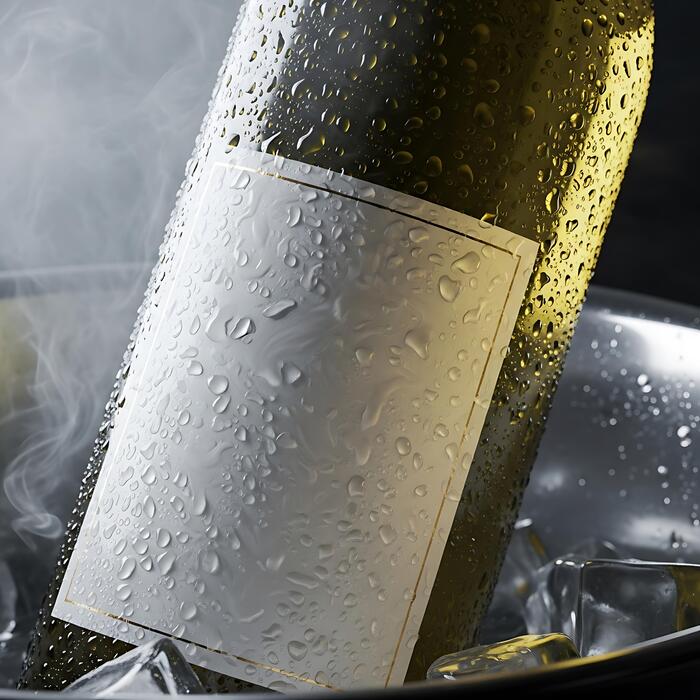
Best Temp For Storing White Wine
Finding the best temp for storing white wine is essential for maintaining its quality and character. White wines, whether intended for short-term enjoyment or longer aging, require specific conditions to preserve their delicate flavors and aromas. Storing them incorrectly can lead to premature aging, oxidation, or even spoilage. The ideal range is typically between 45-55°F (7-13°C), a sweet spot that protects your investment and ensures every glass is enjoyed as the winemaker intended. You’re here to learn how to perfectly store your whites, and you’ve found the definitive guide.
Why Proper White Wine Storage Matters
Protecting Your Wine Investment
White wine, particularly age-worthy bottles, represents a significant investment, both financially and in terms of anticipation. Storing these delicate beverages at the incorrect temperature is the quickest way to diminish their quality and ultimately, their value.
Fluctuations in temperature cause the wine to expand and contract, leading to a compromised cork seal, which allows oxygen to seep in and spoil the wine prematurely through oxidation. This irreversible damage can turn a vibrant, complex white wine into a flat, unpalatable vinegar.
To protect your wine investment and ensure it matures gracefully, maintaining a consistent, cool storage environment is paramount. Aim for a stable temperature between 45-55°F (7-13°C) for long-term storage of most white wines, preventing premature aging or spoilage and preserving its intended character for future enjoyment.
This careful approach ensures your investment yields a delightful return.
How Temperature Impacts Taste and Aroma
Temperature plays a critical role in how a white wine evolves, directly influencing its taste and aromatic profile over time. Storing white wine in an environment that is too warm significantly accelerates its aging process, causing delicate fruit flavors to fade rapidly and leading to a cooked or stewed character.
The vibrant acidity and fresh aromatics, which define many white wines, can quickly dissipate, leaving behind a dull and uninspired beverage. Conversely, while less damaging for long-term storage, temperatures that are too cold can prevent the wine from developing its full complexity, muting its subtle nuances.
For optimal enjoyment and to ensure the wine expresses its winemaker’s intent, maintaining a stable cool temperature is non-negotiable. This prevents the degradation of volatile compounds responsible for the wine’s signature bouquet and palate, preserving its crispness, acidity, and aromatic complexity.
The Goal: Preserving Wine Quality
The overarching goal of proper white wine storage is to preserve its inherent quality from the moment it leaves the winery until it’s poured into your glass. This means safeguarding its delicate balance of acidity, fruit, and texture, preventing any adverse environmental factors from compromising its integrity.
The ideal long-term storage temperature for most white wines, including sparkling wines and light-bodied varietals, falls within the narrow range of 45°F to 55°F (7°C to 13°C).
Within this range, chemical reactions that lead to spoilage or premature aging are significantly slowed, allowing the wine to mature gracefully or maintain its youthful vibrancy as intended.
Achieving this consistency often requires dedicated wine refrigerators or cellars, as standard kitchen refrigerators are generally too cold and prone to frequent temperature fluctuations. By adhering to this optimal range, you ensure that every bottle reaches its full potential.
The Best Temperature for White Wine Storage
The Ideal Temperature Range Explained
The optimal storage temperature for most white wines, especially those intended for aging, falls within a narrow range of 50-55°F (10-13°C).
This cool, stable environment is crucial because it significantly slows down the chemical reactions that lead to aging, allowing the wine to develop its complex flavors and aromas gracefully over time.
Temperatures much higher than this can accelerate the aging process, potentially ‘cooking’ the wine and causing it to lose its vibrant acidity and fresh fruit characteristics prematurely. Conversely, while slightly cooler temperatures won’t harm the wine, they can overly slow its development, making it take longer to reach its peak.
Maintaining this range ensures the wine’s freshness, integrity, and intended longevity are preserved until it’s ready to be enjoyed.
Why Consistency is Key to Wine Longevity
Maintaining a consistent storage temperature is arguably as vital as the specific temperature itself for the long-term health of your white wine. Fluctuations in temperature, even minor ones, can cause the wine inside the bottle to expand and contract.
This constant thermal movement can put undue stress on the cork, leading to it losing its elasticity and seal. When the cork’s integrity is compromised, oxygen can seep into the bottle, leading to premature oxidation which dulls flavors, creates off-notes, and ultimately spoils the wine.
A stable environment, free from rapid temperature swings, ensures the cork remains pliable and tightly sealed, protecting the wine from its greatest enemy – excessive oxygen. Investing in a dedicated wine cooler or cellar that offers stable conditions is a wise long-term investment for any serious collector.
Temperature Variations for Different White Wine Styles
While the 50-55°F range serves as a general guideline, slight variations can be considered depending on the white wine’s style and intended storage duration.
Lighter, aromatic, and fruit-forward white wines, such as Sauvignon Blanc or Pinot Grigio, which are typically enjoyed young, might tolerate the lower end of the spectrum, around 45-50°F (7-10°C), if they are to be consumed within a year or two.
For full-bodied, oaked, or age-worthy white wines like Chardonnay or certain Rieslings, sticking closer to the 55°F (13°C) mark is often preferred to allow for optimal, slower development of their complex profiles. Remember, these are storage temperatures, distinct from serving temperatures, which are often cooler.
The key is to avoid extremes and ensure the environment is dark, humid, and vibration-free to complement the temperature control.
What Happens When White Wine Gets Too Hot or Cold
Risks of Warm Storage: Cooked Wine and Oxidation
Storing white wine at consistently high temperatures, typically above 70°F (21°C), can lead to irreversible damage, often described as “cooked wine.” This heat accelerates chemical reactions within the bottle, causing the wine to lose its vibrant acidity and fresh fruit characteristics, replacing them with stewed or jammy notes.
Even worse, prolonged exposure to heat can cause the wine to expand, pushing the cork outwards or allowing air to seep in, leading to oxidation. Oxidized white wine will develop a dull, brownish hue and an unpleasant nutty, bruised apple, or sherry-like aroma, completely masking its intended profile.
To prevent these detrimental effects, it is crucial to store white wines, especially those intended for aging, in a cool, stable environment where temperatures remain consistent and below this critical threshold. Aiming for a storage temperature between 45-55°F (7-13°C) is ideal to preserve its delicate flavors and aromatics.
Problems with Cold Storage: Muted Flavors and Cork Issues
While extreme heat is more damaging, storing white wine at excessively cold temperatures, particularly below 40°F (4°C) for extended periods, also presents its own set of problems. Although it won’t “cook” the wine, prolonged cold can inhibit the wine’s development and muffle its complex aromatics and flavors.
The delicate esters and volatile compounds responsible for a white wine’s nuanced bouquet can become dormant or even precipitate out, leaving the wine tasting flat and unexpressive upon serving.
More critically, extreme cold can cause the cork to dry out and shrink, especially in a frost-free refrigerator which actively pulls moisture from the air. A shrunken cork compromises the seal, allowing tiny amounts of oxygen to ingress, which can lead to premature oxidation over time.
For optimal long-term storage, maintaining a cellar temperature closer to 45-55°F (7-13°C) helps preserve cork integrity and allows the wine to evolve gracefully.
Damage from Temperature Swings and Fluctuations
Beyond absolute high or low temperatures, the most insidious threat to white wine’s longevity and quality is constant temperature fluctuation. Even if temperatures stay within a seemingly acceptable range, repeated cycles of warming and cooling cause the wine inside the bottle to expand and contract.
This continuous movement places undue stress on the cork, leading to a phenomenon known as “cork pump.” As the wine repeatedly pushes against and pulls away from the cork, microscopic amounts of air are drawn into the bottle, leading to gradual but inevitable oxidation.
Such fluctuations can severely accelerate aging, stripping the wine of its freshness and vitality much faster than intended, resulting in a dull, tired, or even faulty wine. Therefore, the stability of temperature is paramount for proper white wine storage.
Investing in a dedicated wine fridge or utilizing a dark, consistent cellar space between 45-55°F (7-13°C) with minimal variation is the best strategy to protect your investment and ensure optimal enjoyment.
Other Important Factors for Storing White Wine
Keeping Humidity Levels Right for Cork Health
Maintaining appropriate humidity is crucial for preserving the integrity of your white wine’s corks, directly impacting the wine’s longevity. If the air is too dry, corks can shrink and crack, allowing air to seep into the bottle.
This premature oxidation can quickly spoil the wine, leading to flat flavors and undesirable aromas. Conversely, excessive humidity can encourage mold growth on the cork and label, though it’s less detrimental to the wine itself than dryness.
Aim for a consistent relative humidity between 60-75% to keep corks moist and elastic, ensuring a tight seal. Utilizing a hygrometer to monitor levels and a humidifier or dehumidifier as needed will safeguard your investment and ensure your white wine ages gracefully.
Blocking Out Light: The Enemy of Wine
Light, especially ultraviolet (UV) rays, is a significant enemy of white wine, causing irreversible damage that can quickly degrade its quality.
Exposure to light can trigger complex chemical reactions within the wine, leading to what is known as “light strike.” This phenomenon results in off-flavors and aromas, often described as cooked cabbage or wet wool, effectively ruining the wine’s delicate profile. Even ambient household light can be detrimental over time.
Therefore, always store white wine in a dark environment, such as a dedicated wine cellar, a dark closet, or opaque wine cabinets. While some white wines come in tinted bottles that offer a degree of protection, it’s never enough to completely negate the need for darkness.
Prioritizing dark storage is essential for preserving the wine’s intended characteristics.
Avoiding Vibrations and Movement
Constant vibrations and frequent movement are detrimental to white wine storage, as they can disturb the wine’s delicate chemical balance and accelerate its aging process. Agitation can stir up any fine sediment present, which, while harmless, can impart a gritty texture to the wine and alter its clarity.
More critically, vibrations can cause subtle changes in the wine’s structure, potentially leading to a loss of nuanced flavors and aromas over time. To ensure your white wine remains stable and develops optimally, store it in a still, undisturbed location.
Avoid placing wine racks near heavy foot traffic, major appliances like refrigerators or washing machines, or any sources of continuous mechanical vibration. A stable environment promotes gentle maturation and prevents unnecessary stress on the wine.
Bottle Orientation: Lying Down or Standing Up?
The correct bottle orientation depends primarily on the closure type. For white wines sealed with natural corks, it is imperative to store them horizontally, or lying down. This position ensures the wine remains in constant contact with the cork, keeping it moist and preventing it from drying out.
A dry cork can shrink, lose its elasticity, and allow air to seep into the bottle, leading to oxidation and spoilage. Conversely, white wines sealed with screw caps or synthetic corks do not require horizontal storage; they can be stored standing upright without any risk of air ingress.
Since these closures are impermeable, contact with the wine isn’t necessary to maintain their seal. Always check the closure type to determine the best storage orientation for your specific white wine bottle.
Tools and Methods for Storing White Wine at Home
Choosing a Wine Refrigerator: Types and Features
For optimal storage of white wine at home, a dedicated wine refrigerator is paramount for maintaining the ideal temperature. The best temperature range for white wines, especially those intended for consumption within a few years, is generally 45-55°F (7-13°C).
Look for models with dual-zone temperature control if you also store reds, allowing precise settings for each type. Key features to consider include UV-protected glass doors to shield wine from harmful light, and vibration-dampening compressors to prevent sediment disturbance and premature aging.
Proper insulation is also crucial for energy efficiency and temperature stability. Investing in a good wine fridge ensures your white wines are always ready to be enjoyed at their peak, protecting their delicate aromas and flavors from temperature fluctuations often found in standard kitchen fridges.
Setting Up a Dedicated Wine Cellar
For serious collectors or those aging white wines for many years, a dedicated wine cellar offers the ultimate controlled environment. The gold standard for long-term white wine storage is a consistent temperature between 50-55°F (10-13°C), which slows down the aging process optimally without freezing.
Crucially, this temperature needs to be stable, avoiding any significant fluctuations. Beyond temperature, maintaining a relative humidity of 50-70% prevents corks from drying out and allowing oxidation. A cellar should also be dark, quiet, and free from vibrations, which can negatively impact wine development.
While a significant investment, a well-designed cellar ensures your prized white wines mature gracefully, preserving their complexity and value for decades.
Short-Term Storage Tips for Opened Bottles
Once a bottle of white wine is opened, its shelf life dramatically decreases due to exposure to oxygen. To preserve its quality for a few days, immediate refrigeration is essential. The optimal temperature for opened white wine storage is typically 40-45°F (4-7°C), which significantly slows down the oxidation process.
Ensure the bottle is re-sealed tightly; simple corks or specialized wine stoppers are effective for short periods. For extended freshness, consider using a vacuum pump to remove air from the bottle, or an inert gas preserver (like argon) to create a protective layer over the wine.
These methods can help maintain flavor and aroma for 2-5 days, depending on the wine’s style and quality.
Budget-Friendly Storage Options
For those without a dedicated wine fridge or cellar, several budget-friendly options can still provide decent storage for white wines, especially for short to medium-term keeping. The primary goal is to find the coolest, darkest, and most temperature-stable location in your home.
Aim for a spot where the temperature consistently stays below 60°F (15°C), ideally closer to 50-55°F if possible. Basements, unheated closets, or even under a bed in a cool room can work well. Always avoid direct sunlight, heat sources, and areas with significant temperature swings, like kitchens or laundry rooms.
Storing bottles on their sides helps keep corks moist. While not perfect, these methods help protect your white wine from premature spoilage without a large investment.
Specific Storage Needs for Different White Wines
Storing Sparkling Wines and Champagne
For sparkling wines and Champagne, the ideal storage temperature is critical to preserve their effervescence and delicate aromas. Aim for a consistent 7-10°C (45-50°F). Temperatures that are too warm can accelerate aging and cause the cork to dry out, leading to a loss of bubbles.
Conversely, extremely cold temperatures can also negatively impact the wine’s integrity. Ensure bottles are stored on their side if sealed with a traditional cork to keep the cork moist, preventing oxygen ingress.
A dark, vibration-free environment with moderate humidity (around 70%) is also paramount to protect these festive wines from light damage and premature oxidation, ensuring their vibrancy upon opening.
Best Conditions for Crisp, Dry Whites (e.g., Sauvignon Blanc)
Crisp, dry white wines like Sauvignon Blanc, Pinot Grigio, and unoaked Riesling thrive in cooler conditions that maintain their vibrant acidity and aromatic freshness. The optimal storage temperature range is typically 10-13°C (50-55°F).
Storing them warmer can cause them to lose their zesty character and develop undesirable oxidized notes more quickly. Always choose a dark place away from direct sunlight or artificial light, as UV rays can degrade the wine.
For cork-sealed bottles, horizontal storage is best to prevent the cork from drying out. Minimize vibrations, as these can disturb the wine’s delicate structure and accelerate aging.
Caring for Full-Bodied and Oaked Whites (e.g., Chardonnay)
Full-bodied and oaked white wines, such as many Chardonnays, often benefit from slightly warmer storage temperatures than their lighter counterparts, allowing for a more graceful evolution of their complex flavors. An ideal range is 12-15°C (54-59°F).
This temperature range helps preserve their rich texture and integrates oak characteristics over time, without causing them to age too rapidly. As with all wines, consistency in temperature is more important than achieving an exact degree.
Store these bottles on their side if they have natural corks, in a dark, stable environment with around 70% humidity to protect their integrity and ensure proper development.
Sweet and Dessert White Wine Storage
Sweet and dessert white wines, including Sauternes, Tokaji, and Late Harvest Rieslings, possess high sugar content which naturally acts as a preservative, allowing many to age for decades. The best storage temperature for these wines is generally between 10-15°C (50-59°F).
While robust, they still benefit immensely from stable conditions to protect their delicate balance of sweetness and acidity. Fluctuations can harm their complex profiles.
Always store these bottles horizontally if corked, in a dark, cool, and humid environment (around 70%) to prevent cork failure and ensure their luscious character and potential for long-term aging are fully realized.
Common Mistakes to Avoid When Storing White Wine
Don’t Store Wine in the Kitchen
Storing white wine in your kitchen is a common but detrimental mistake, primarily due to the wild temperature swings it experiences. Kitchens are prone to rapid changes from cooking heat, sunlight through windows, and general activity, which can quickly degrade wine quality.
Constant fluctuations cause the wine to expand and contract, potentially pushing the cork out or allowing oxygen in, leading to premature aging and a ‘cooked’ taste. Instead, seek out a location with a stable, cool temperature, ideally between 45-55°F (7-13°C), for long-term preservation.
A dedicated wine cellar, a temperature-controlled wine fridge, or even a cool, dark closet far from heat sources are much better alternatives to ensure your white wine maintains its intended crispness and aromatic profile.
Keep Wine Away From Heat Sources and Appliances
A significant error in white wine storage is placing bottles near heat-emitting appliances like ovens, dishwashers, or even the top of a regular refrigerator. These sources generate localized heat and often subtle vibrations that are highly detrimental to wine.
Consistent exposure to warmth accelerates the chemical reactions within the wine, leading to a loss of fresh fruit flavors and a dull, flat character. Vibrations, even minor ones, can disturb the sediment and prevent the wine from settling properly, impacting its aging potential.
Always ensure your white wine is stored in an area where it is not directly exposed to these stressors, maintaining a consistent, cool environment to protect its delicate balance and ensure it ages gracefully, if at all.
Avoid Long-Term Storage in a Regular Refrigerator
While a standard kitchen refrigerator is perfect for chilling white wine before serving, it’s a poor choice for long-term storage.
The internal temperature of a typical fridge, usually around 35-40°F (1-4°C), is too cold for extended periods, which can strip the wine of its subtle aromas and flavors, making it taste muted.
Furthermore, the low humidity within a refrigerator can cause the cork to dry out and shrink, allowing air to seep in and oxidize the wine. The constant vibrations from the compressor can also negatively impact the wine’s stability.
For anything beyond a few weeks, invest in a dedicated wine cooler or find a naturally cool, damp spot, reserving the kitchen fridge strictly for pre-serving chilling.
Neglecting Humidity and Light Control
Overlooking humidity and light control can severely compromise your white wine’s quality. UV rays from direct sunlight or even fluorescent lights can cause ‘light strike,’ leading to off-flavors and aromas, often described as burnt rubber or wet cardboard. Therefore, storing bottles in darkness is paramount.
Equally important is humidity: too low, and corks dry out, allowing oxygen ingress and causing oxidation; too high, and labels can mold. An ideal relative humidity for wine storage is around 70%.
If you don’t have a wine cellar, use a wine fridge with humidity control or consider storing bottles in their original cases in a cool, dark closet to protect them from both damaging light and unsuitable humidity levels, preserving their integrity.
Frequently Asked Questions
What is the ideal temperature range for long-term storage of white wine?
The optimal temperature for storing white wine, like all wines, is generally between 50-57°F (10-14°C). This cool, consistent temperature helps preserve the wine’s delicate flavors and aromas, allowing it to age gracefully if intended.
Why is maintaining a consistent temperature crucial for white wine storage?
Consistent temperature prevents premature aging and spoilage. Fluctuations cause the cork to expand and contract, potentially allowing air to seep in and oxidize the wine, or even push the cork out, ruining the bottle.
What are the risks of storing white wine at temperatures that are too warm?
Storing white wine in temperatures above 70°F (21°C) can cause it to “cook,” leading to a flattened, stewed, or oxidized taste. High temperatures also accelerate chemical reactions, causing the wine to age prematurely and lose its freshness and vibrancy.
Does storing white wine too cold cause any damage?
While less damaging than excessive heat, storing white wine too cold (below 45°F / 7°C) for extended periods can inhibit its proper development and potentially dry out the cork. For short-term storage, however, a regular refrigerator is acceptable, but not ideal for long-term aging.
Is the ideal storage temperature the same as the ideal serving temperature for white wine?
No, the ideal storage temperature (50-57°F / 10-14°C) is typically cooler than the ideal serving temperature for most white wines. Many white wines, especially lighter styles, are best served chilled between 45-50°F (7-10°C), while fuller-bodied whites might be served slightly warmer.
How can I properly store white wine if I don’t have a dedicated wine cellar or cooler?
If you lack a wine cellar, choose the coolest, darkest, and most consistent temperature spot in your home, such as a closet or basement. Avoid areas near windows, heating vents, or appliances that generate heat, and always store bottles on their side to keep the cork moist.
Do different types of white wine require different storage temperatures?
While the general range of 50-57°F (10-14°C) applies broadly, some experts suggest slightly cooler temperatures (closer to 50°F) for delicate, aromatic whites like Sauvignon Blanc, and slightly warmer (closer to 57°F) for richer, age-worthy whites like Chardonnay. However, consistency within this range is more critical than minor variations.
Conclusion
Optimal white wine storage at 45-55°F (7-13°C) is crucial for preserving its delicate flavors and aromas. Consistency is key; avoid significant temperature fluctuations to prevent premature aging or spoilage. By maintaining these ideal conditions, you ensure each bottle reaches its full potential, offering a delightful drinking experience. Invest in proper storage and savor every perfectly chilled sip of your favorite white wines.