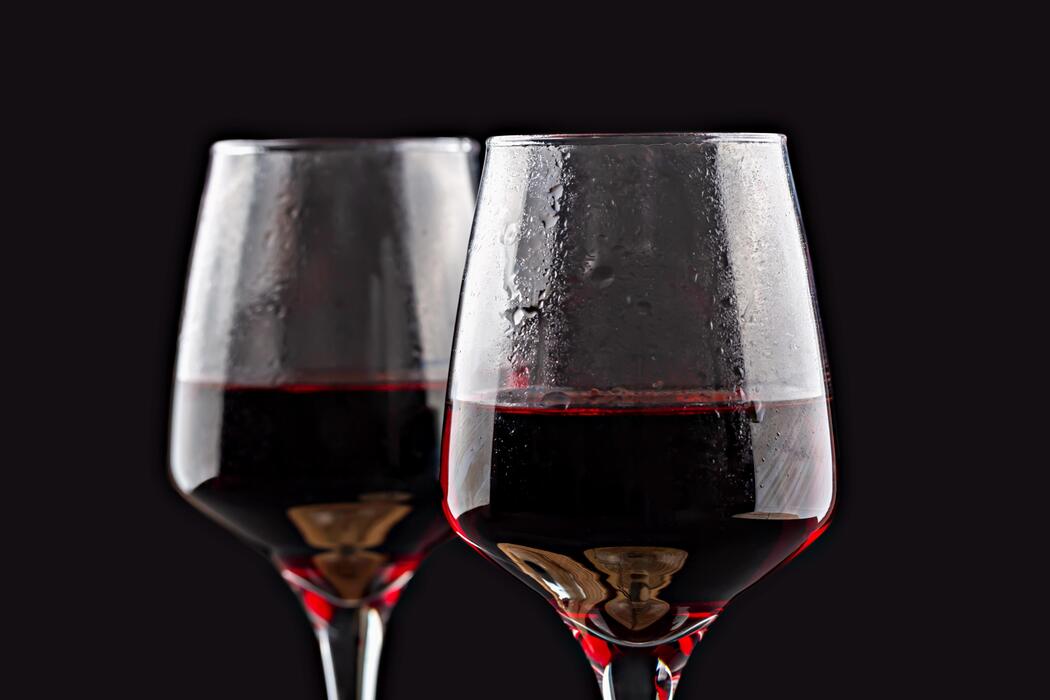
Best Temp For Red Wine Celsius
The best temp for red wine celsius is typically between 12-18°C (54-64°F), often referred to as “cellar temperature.” Serving red wine too warm mutes its nuanced flavors and makes it taste unpleasantly alcoholic, while serving it too cold dulls its aromas and enhances harsh tannins. Finding that ideal temperature unlocks the full complexity and enjoyment of your bottle. You’re here to perfect your red wine experience, and we’ll guide you through achieving just that for every varietal.
Why Red Wine Temperature Matters
How Temperature Changes Taste and Aroma
Achieving the optimal serving temperature for red wine, typically 16-18°C, is crucial for unlocking its full aromatic and flavor profile. When red wine is served too cold, below 12°C, its complex aromatic compounds become suppressed, making the wine smell and taste muted, with tannins often feeling harsher and more astringent.
Conversely, serving red wine too warm, above 20°C, can cause the alcohol to become overly volatile, dominating the nose and palate, making the wine taste “flabby” or cooked, and masking its delicate fruit and earthy notes.
The perfect temperature allows the wine’s volatile esters and phenols to express themselves fully, revealing nuanced fruit, spice, and floral characteristics without any single component overpowering another. This balance ensures a richer, more expressive, and truly enjoyable tasting experience, highlighting the craftsmanship of the winemaking.
The Impact on Alcohol Perception
The temperature at which red wine is served profoundly influences how its alcohol content is perceived, directly impacting the overall drinking experience. When a red wine is too warm, especially above 20°C, the alcohol becomes more volatile and pronounced, leading to a “hot” or burning sensation on the palate.
This can overshadow the wine’s other characteristics, making it taste unbalanced and aggressive, rather than harmonious. Conversely, while chilling a wine significantly mutes alcohol, it also suppresses desirable aromas and flavors, making the wine taste thin and characterless.
Serving red wine within the recommended 16-18°C range ensures the alcohol integrates seamlessly, becoming a supportive element that adds body and warmth without overpowering the fruit and structural components.
This precise temperature allows the alcohol to act as a harmonizing agent, enhancing the wine’s complexity and smoothness, rather than detracting from its elegance.
What Happens When Wine is Too Cold or Too Warm
Serving red wine outside its ideal temperature window can significantly detract from its intended enjoyment.
When red wine is too cold, typically below 12°C, the aromas and flavors are severely muted, making the wine taste austere, overly acidic, and tannic, as if it’s “closed.” The fruit characteristics disappear, and the wine appears thin and unexpressive.
Conversely, when red wine is too warm, above 20°C, the alcohol component becomes overly dominant and volatile, leading to a “cooked” or “flabby” taste. The wine loses its freshness, fruit flavors turn jammy or stewed, and the overall impression is heavy and cloying, lacking crispness and vibrancy.
The target range of 16-18°C is critical for allowing all elements – fruit, acidity, tannins, and alcohol – to harmonize, presenting the wine in its best light. A simple wine thermometer or a brief chill/warm-up can rectify temperature issues, ensuring you experience the wine as the winemaker envisioned.
Debunking the ‘Room Temperature’ Myth
The Origin of the Old Advice
The common advice to serve red wine at ‘room temperature’ dates back centuries, originating from a time when homes were significantly cooler and less insulated than today. In 17th and 18th-century European castles and manors, ‘room temperature’ was not the cozy 22°C we often experience now.
Instead, it typically hovered between 13°C and 18°C (55-65°F), a range considered ideal for most red wines to express their full aromatic and flavor profiles. This temperature allowed the complex nuances of the wine to emerge without the alcohol becoming overly pronounced.
The advice was perfectly sound for its era, reflecting the ambient conditions of the time. However, as heating technologies advanced and homes became warmer, the literal interpretation of ‘room temperature’ became misleading, leading to many red wines being served far too warm and consequently, underperforming.
Understanding this historical context is key to debunking the pervasive myth and appreciating wine as it was intended.
Modern Room Temperatures vs. Historical Norms
The stark contrast between historical and modern ‘room temperatures’ is where the myth truly begins to mislead. Today, the average comfortable indoor temperature in many homes is often between 20°C and 24°C (68-75°F), which is significantly warmer than the 13-18°C range originally implied by the old adage.
Serving a red wine at these modern ambient temperatures can severely diminish its quality. Wines served too warm tend to taste flabby, with the alcohol notes becoming dominant and obscuring the delicate fruit, acidity, and tannic structure. This imbalance can make even high-quality wines seem unrefined or harsh.
Recognising this disparity is crucial for any wine enthusiast aiming to enjoy their reds optimally. Instead of blindly following dated advice, we must adjust our understanding to contemporary conditions, prioritizing the wine’s actual optimal temperature over a literal, misunderstood interpretation of ‘room temperature’ to ensure a truly pleasurable drinking experience.
Why This Myth Harms Your Wine
Serving red wine at temperatures higher than its optimal range causes several detrimental effects, fundamentally harming its sensory profile. When a red wine is too warm, the alcohol becomes more volatile and prominent, leading to a sensation that can be described as ‘hot’ or ‘burning’ on the palate.
This often masks the delicate fruit flavors, making the wine taste stewed or cooked, and can exaggerate the harshness of tannins, stripping the wine of its intended balance and elegance. The vibrant acidity that provides freshness can also become subdued, resulting in a dull, flat, and one-dimensional experience.
To genuinely appreciate red wine, aim for specific Celsius ranges: lighter-bodied reds like Pinot Noir or Gamay are best at 12-16°C, while medium to full-bodied reds such as Cabernet Sauvignon, Merlot, or Syrah shine at 16-18°C.
Even a slight chill can elevate these wines, allowing their complex aromas and flavors to truly blossom, offering a far more enjoyable and nuanced tasting experience than if served at typical modern room temperatures.
Best Serving Temperatures for Popular Red Wines (Celsius Guide)
Light-Bodied Reds: Pinot Noir, Gamay, Grenache
These vibrant red wines truly shine when served slightly chilled, which enhances their bright fruit characteristics and refreshing acidity. Aim for a temperature range of 12°C to 14°C.
Chilling prevents them from tasting flabby or overly alcoholic, allowing their delicate aromas of red berries and floral notes to come to the forefront. To achieve this, place the bottle in the refrigerator for about 30-45 minutes before serving, or use an ice bucket for 10-15 minutes.
Avoid serving these wines too warm, as heat can mute their subtle complexities and make them seem less lively. A cooler temperature elevates their natural elegance and makes them incredibly enjoyable, especially during warmer months.
Medium-Bodied Reds: Merlot, Sangiovese, Zinfandel
For medium-bodied red wines, the ideal serving temperature allows their balance of fruit, earthy notes, and moderate tannins to truly flourish. A temperature of 15°C to 17°C is generally considered perfect. This range is often referred to as ‘cool room temperature,’ which is typically cooler than most modern home interiors.
Serving these wines too warm can overemphasize their alcohol and make them taste heavy, while too cold can mute their complex aromas and make tannins seem harsher. To hit this sweet spot, consider refrigerating the bottle for 20-30 minutes before opening.
Allowing the wine to breathe slightly at this temperature helps soften tannins and reveal deeper layers of flavor.
Full-Bodied Reds: Cabernet Sauvignon, Syrah, Malbec
Robust, full-bodied reds require a slightly warmer temperature to fully express their rich character, complex tannins, and concentrated fruit. The optimal range is typically 17°C to 19°C.
Serving these powerful wines too cold can make their prominent tannins feel harsh and astringent, while also suppressing their intricate aromatic profile of dark fruit, spice, and savory notes. Conversely, serving them too warm (above 20°C) can cause them to taste overly alcoholic and one-dimensional, masking their nuanced flavors.
Aim for a temperature that allows their bold structure and deep fruit to shine without becoming overpowering. Decanting these wines can also enhance their aeration, further softening tannins and allowing their rich aromas to fully develop.
Aged and Delicate Red Wines
Aged and delicate red wines, such as mature Bordeaux or Barolo, demand careful temperature consideration to preserve their fragile tertiary aromas and complex structure. The best range is a consistent 16°C to 18°C. Fluctuations in temperature can be detrimental, potentially causing premature oxidation or muting their subtle nuances.
Serving them too cold will shut down their delicate bouquet, making them seem thin and unexpressive. Too warm, and their ethereal qualities can be lost to an overpowering alcoholic presence. The goal is to gently awaken their evolved characteristics, allowing notes of leather, tobacco, and dried fruit to gracefully emerge.
Handle these wines gently and allow ample time to adjust to the serving temperature for the best experience.
How Temperature Shapes Wine Experience
Effects on Tannins and Acidity
The serving temperature of red wine profoundly influences how we perceive its tannins and acidity. When a red wine is served too cold, its tannins can become noticeably more astringent and chalky, making the wine feel harsh and unpleasant on the palate.
Simultaneously, the wine’s natural acidity will appear sharper and more pronounced, potentially overwhelming other nuanced flavors. Conversely, serving red wine too warm can cause the tannins to soften excessively, leading to a flabby, unstructured mouthfeel. The acidity also becomes less vibrant, making the wine seem dull and less refreshing.
For most red wines, a temperature between 16-18°C (60-65°F) is ideal, allowing the tannins to be firm but integrated, and the acidity to provide a refreshing counterpoint without being overly sharp.
Lighter-bodied reds, like Pinot Noir, often benefit from a cooler 12-14°C (54-57°F) range to highlight their delicate structure and vibrant fruit. This careful temperature management ensures a harmonious balance of these critical structural components.
Releasing or Suppressing Aromas
Temperature plays a crucial role in the release and perception of a red wine’s aromatic compounds. When served too cold, the wine’s volatile aromas are suppressed, causing its fruit characteristics and subtle complexities to become muted or even undetectable.
This can leave the wine smelling and tasting one-dimensional, failing to express its true varietal character. Conversely, serving red wine too warm can cause the more delicate aromatic compounds to dissipate too quickly, or worse, promote the perception of alcohol over fruit, leading to a “hot” or “cooked” aroma profile.
The optimal serving temperature allows the wine to gently release its full spectrum of aromas, from vibrant fruit and floral notes to earthy undertones and spicy nuances.
For most medium to full-bodied reds, a range of 16-18°C (60-65°F) ensures that the wine’s bouquet is both expressive and balanced, preventing it from either hiding its charms or revealing them too aggressively. Lighter reds, again, prefer slightly cooler, around 12-14°C (54-57°F), to preserve their freshness.
The Role of Alcohol Volatility
The volatility of alcohol, and consequently its perception on the palate, is significantly influenced by serving temperature. As a liquid warms, alcohol becomes more volatile, meaning it evaporates more readily.
When red wine is served too warm, the alcohol can become overly prominent, manifesting as a burning sensation on the nose and palate, often described as “hot.” This excessive alcohol perception can easily overshadow the wine’s delicate fruit flavors, making the wine seem unbalanced and harsh.
Conversely, serving red wine at an appropriately cooler temperature helps to integrate the alcohol more seamlessly into the overall structure of the wine. It contributes to the wine’s body and mouthfeel without dominating the aromatic or flavor profile.
For most red wines, maintaining a temperature between 16-18°C (60-65°F) ensures that the alcohol is present enough to provide warmth and richness, yet remains in harmony with the fruit, tannins, and acidity.
This careful balance prevents the wine from tasting either aggressively alcoholic or strangely muted, allowing for a more enjoyable and refined tasting experience.
Simple Ways to Get Your Red Wine to the Right Temp
Quick Chilling Methods (Ice Bucket, Fridge)
Achieving the optimal serving temperature for red wine, typically between 12°C and 18°C (lighter reds like Pinot Noir at the lower end, fuller-bodied reds like Cabernet Sauvignon at the higher end), often requires a quick chill.
The most efficient method is an ice bucket filled with equal parts ice and water, plus a generous sprinkle of salt. The salt lowers the freezing point of the water, allowing the ice to melt faster and transfer cold more rapidly to the bottle.
Submerge the bottle, ensuring maximum contact, and gently rotate it; this can bring a bottle down to ideal temperature in just 10-15 minutes. Alternatively, your refrigerator is a reliable tool for gradual chilling. Place the red wine bottle inside for 30 to 60 minutes to reach its desired range.
While effective, avoid leaving wine in the freezer for extended periods (more than 15-20 minutes) as extreme cold can cause flavor dullness or, worse, make the cork pop and the bottle burst. Always aim for a controlled, gentle chill to preserve the wine’s character.
Gentle Warming Techniques (Room Air, Hand)
If your red wine is too cold, perhaps straight from a cellar or a cool fridge, gentle warming is key to bringing it into its ideal 12°C to 18°C serving window. The simplest and most recommended approach is to let the bottle or glass rest at room temperature.
This gradual acclimatization allows the wine to warm naturally and evenly, preserving its delicate aromas and flavors. For minor adjustments to a poured glass, the warmth from your hand cupping the bowl of the wine glass can subtly elevate the wine’s temperature by a degree or two, enhancing its expressiveness.
Decanting also offers a warming benefit; as the wine breathes in the decanter, it slowly approaches the ambient temperature.
While less common, a very cautious method involves briefly placing the bottle in a lukewarm water bath, but this requires constant vigilance to prevent overheating, which can irreversibly damage the wine’s character. Patience is a virtue when warming red wine.
Using Wine Thermometers and Coolers
For ultimate precision in achieving the perfect 12°C to 18°C serving temperature for your red wine, specialized tools are invaluable. A wine thermometer is your best friend, removing all guesswork.
Options include cuff-style thermometers that wrap around the bottle, or probe thermometers that can be gently inserted into the wine (especially useful once opened). These devices provide real-time temperature readings, allowing you to make accurate adjustments using the chilling or warming methods mentioned previously.
For consistent temperature control and long-term storage, a dedicated wine cooler or cellar is the gold standard. These appliances maintain a stable environment, often with adjustable temperature zones, ensuring your reds are always ready at their ideal serving point.
While an investment, a good wine cooler is the most reliable way to guarantee your wine’s condition, delivering the best possible tasting experience every time.
Storing Red Wine vs. Serving Red Wine Temp
Ideal Long-Term Storage Conditions
For long-term cellaring of red wine, the most crucial factor is consistency and stability of temperature, regardless of the specific varietal. The best temperature for red wine storage is consistently around 12-14°C (54-57°F). Fluctuations in temperature are far more damaging than a slightly higher or lower constant temperature.
This range helps to slow down the aging process gracefully, allowing the wine to develop its complex flavors and aromas without premature oxidation or degradation. Humidity should also be maintained at 60-75% to prevent corks from drying out.
Avoid direct sunlight, vibrations, and strong odors, which can also negatively impact the wine’s quality over time. A dedicated wine cellar, cooler, or temperature-controlled cabinet is ideal for achieving these optimal conditions, ensuring your valuable collection matures beautifully.
Short-Term Storage for Ready-to-Drink Bottles
When you have red wine bottles that you plan to consume within a few weeks or months, the storage requirements are less stringent than long-term cellaring but still important. Avoid drastic temperature swings and keep bottles away from direct heat sources like radiators or sunlight.
A cool, dark pantry or cupboard is often sufficient. While the ideal long-term storage of 12-14°C is still beneficial, maintaining a consistent temperature between 15-20°C (59-68°F) for short periods won’t significantly harm the wine. However, remember that this is still *storage* temperature, not serving temperature.
Before opening, allow the wine to reach its optimal serving temperature, which is typically cooler than room temperature, to fully appreciate its characteristics. Horizontal storage is always recommended to keep the cork moist, preventing premature oxidation.
Why Storage Temperature Differs from Serving Temperature
The primary reason storage and serving temperatures differ is their respective purposes: preservation versus enjoyment. Storage temperature, ideally 12-14°C (54-57°F), is chosen to slow down the chemical reactions that cause wine to age. This gentle, cool environment allows the wine to mature slowly, developing complexity without spoilage.
In contrast, serving temperature is about optimizing the sensory experience by allowing the wine’s aromas, flavors, and tannins to express themselves best.
Most red wines are best served slightly cooler than typical room temperature, generally between 16-18°C (60-65°F) for lighter reds like Pinot Noir, and 18-20°C (65-68°F) for fuller-bodied reds such as Cabernet Sauvignon or Syrah.
Serving too warm can make a red wine taste flabby or alcoholic, while too cold can mute its flavors and highlight harsh tannins, underscoring the importance of this distinction.
Common Mistakes and Best Practices for Red Wine Enjoyment
Avoiding Over-Chilling or Over-Warming
The ideal serving temperature for most red wines falls between 14-18°C (58-65°F). Lighter-bodied reds like Pinot Noir or Gamay shine at the cooler end, around 12-16°C, enhancing their fruit and acidity without muting delicate aromas.
Conversely, fuller-bodied reds such as Cabernet Sauvignon, Merlot, or Syrah are best enjoyed at 16-18°C, allowing their complex tannins and rich flavors to express fully.
A common mistake is serving red wine too warm, which can make it taste alcoholic and flabby, or too cold, which mutes its character and emphasizes harsh tannins.
Always ensure your red wine is within this optimal temperature window for the best sensory experience, making minor adjustments based on the specific varietal.
Letting Wine Breathe After Reaching Temp
Once your red wine has reached its optimal serving temperature, typically between 14-18°C, giving it time to breathe is a crucial step often overlooked.
This aeration process, whether through decanting or simply uncorking the bottle 30-60 minutes before serving, allows the wine to ‘open up.’ For younger, more tannic reds, this helps to soften their edges and reveal more nuanced aromas and flavors that might otherwise be masked.
For older wines, it helps dissipate any reductive notes that may have developed in the bottle, allowing their complex bouquet to shine. Patience is key; rushing this step can mean missing out on the wine’s full potential.
Trusting Your Palate: Personal Preference
While general guidelines suggest a serving temperature of 14-18°C for most red wines, the most important factor is your personal preference. These recommendations are excellent starting points, but your palate is the ultimate judge.
Don’t be afraid to experiment; you might find a particular Cabernet Sauvignon tastes more enjoyable to you at a slightly cooler 15°C, or a Grenache at a warmer 18.5°C. Pay attention to how the wine evolves as it warms or cools in your glass.
The goal is to find the temperature where the wine’s acidity, tannins, fruit, and alcohol are in perfect harmony for your individual taste. Trust your senses above all else.
Tools and Gadgets for Temperature Control
To consistently achieve the ideal serving temperature of 14-18°C for your red wines, a few practical tools can be invaluable. A simple wine thermometer is an inexpensive yet highly effective way to accurately measure the wine’s temperature before pouring.
For precision and convenience, a dedicated wine cooler or cellar offers the most stable environment for storage and serving, maintaining specific temperatures with ease. However, for quick adjustments, an ice bucket filled with water and ice can rapidly cool an over-warm bottle to its target range in minutes.
Insulated wine sleeves or chillers can also help maintain the desired temperature during longer tasting sessions, ensuring consistent enjoyment.
Frequently Asked Questions
What is the ideal serving temperature for most red wines in Celsius?
Most red wines are best served between 16°C and 18°C (60-65°F). This range allows the wine’s complex aromas and flavors to fully develop without being dulled by excessive cold or overwhelmed by warmth.
Why is serving red wine at the correct temperature important?
Serving red wine at its optimal temperature significantly enhances the tasting experience. It ensures the wine’s balance of fruit, acidity, tannins, and alcohol is perceived correctly, allowing its unique characteristics to shine through.
What happens if red wine is served too warm (above 18°C)?
If red wine is served too warm, it can taste flabby, overtly alcoholic, and less structured. The alcohol notes become more pronounced, masking the subtle fruit and earthy characteristics, making the wine seem unbalanced and less refreshing.
What happens if red wine is served too cold (below 16°C)?
Serving red wine too cold can mute its aromas and flavors, making it taste overly tannic, acidic, and thin. The wine’s complexity will be suppressed, and it might come across as harsh or bitter, preventing you from appreciating its full potential.
Are there different ideal temperatures for different types of red wine in Celsius?
Yes, lighter-bodied red wines like Pinot Noir or Beaujolais benefit from being served slightly cooler, around 14°C to 16°C. Fuller-bodied reds such as Cabernet Sauvignon or Syrah generally prefer the warmer end of the spectrum, between 16°C and 18°C.
What’s a simple method to chill red wine if it’s too warm?
To quickly chill a red wine, place it in an ice bucket filled with half ice and half water for about 10-15 minutes. Alternatively, a refrigerator can cool it down in 20-30 minutes, but be careful not to over-chill it.
Should red wine be stored at the same temperature it is served?
No, storage temperature is typically different from serving temperature. Red wine should ideally be stored long-term in a cool, dark place around 12°C to 14°C (55-57°F) to ensure proper aging and prevent spoilage. It should then be brought up or down to its ideal serving temperature just before opening.
Conclusion
Achieving the optimal red wine temperature, typically between 12-18°C (54-64°F) depending on the varietal, significantly enhances its aromas and flavors. Avoid serving too warm, which can dull nuances, or too cold, which hides them. Remember, the perfect temperature elevates your tasting experience from good to exceptional. Experiment with different reds and find your preferred serving point to fully unlock their potential and savor every sip. Cheers to better wine!