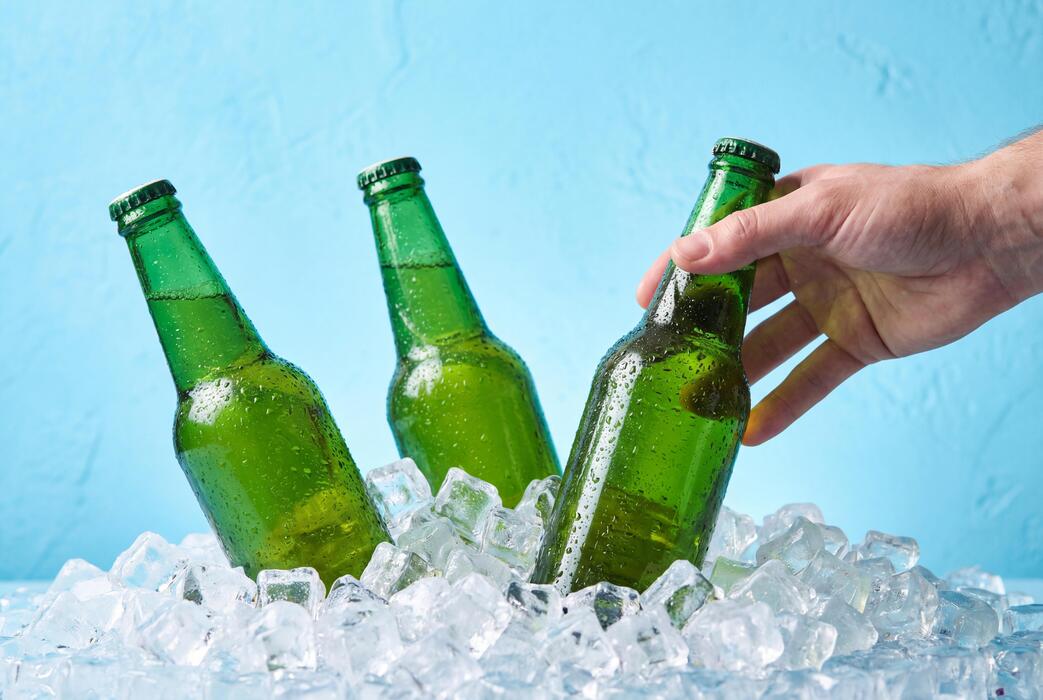
Best Temp For Beer And Wine Fridge
Finding the best temp for beer and wine fridge is a common dilemma, as these distinct beverages have different ideal serving and storage temperatures. You want to ensure your crisp craft beers are perfectly chilled and your fine wines are properly preserved, but a single setting often compromises one or the other. You’re in the right place! This guide cuts through the confusion, providing clear, authoritative advice to optimize your fridge settings. We’ll help you achieve the perfect balance, ensuring every pour maximizes flavor and longevity.
Why Temperature Matters for Your Beer and Wine
How Temperature Changes Drink Flavor
Beer and wine are delicate beverages, and their flavors are profoundly influenced by temperature.
For beer, storing it too cold can mute its intricate aromas and flavors, making it taste bland, and potentially cause a “chill haze.” Conversely, storing or serving beer too warm significantly accelerates staling, leading to undesirable off-flavors such as cardboard, butterscotch (diacetyl), or sherry-like notes.
Wine, on the other hand, suffers if stored or served excessively cold, as it suppresses aromatic compounds and can make tannins taste harsh and astringent. When wine is too warm, it risks being “cooked,” which destroys its delicate fruit characteristics and results in a flat, oxidized, or stewed taste.
Achieving the optimal flavor profile requires understanding that ideal storage temperatures (typically cooler and stable for both) differ from optimal serving temperatures, which vary greatly by style. Proper temperature control ensures the drink’s intended complexity and enjoyment.
Common Problems from Incorrect Storage
Incorrect temperature storage can lead to a host of detrimental issues for both beer and wine, significantly impacting their quality and longevity. For beer, excessive warmth accelerates oxidation, resulting in unpleasant papery or wet cardboard flavors, while exposure to light can cause the infamous “skunky” taste.
Furthermore, fluctuating temperatures can stress the beer, leading to premature aging and off-flavors. For wine, the consequences are equally severe.
Storing wine too warm causes premature aging, where the delicate fruit characteristics are replaced by stewed or raisin-like notes, and it dramatically increases the risk of oxidation, leading to a flat, sherry-like taste.
Inconsistent temperatures also cause the wine to expand and contract, potentially pushing the cork out or allowing oxygen in. Moreover, low humidity can dry out corks, compromising the seal and inviting oxidation. These issues collectively ruin the intended sensory experience, making careful temperature management crucial.
Benefits of a Dedicated Drink Fridge
Investing in a dedicated drink fridge, often referred to as a wine or beverage cooler, offers substantial benefits for preserving the quality and enhancing the enjoyment of your beer and wine. The primary advantage is maintaining a stable, consistent temperature, which is paramount for both beverages.
Unlike a standard kitchen refrigerator that frequently opens and closes, causing temperature swings, a dedicated unit ensures the environment remains constant, preventing premature aging and flavor degradation. Many models feature UV-protected glass doors to shield bottles from harmful light, which can “skunk” beer or degrade wine.
Furthermore, wine fridges often include humidity control, crucial for keeping corks moist and preventing oxidation. These units are also designed with minimal vibration technology, safeguarding delicate wines from sediment disturbance.
Ultimately, a dedicated fridge provides the precise, controlled environment needed to protect your investment and ensure every pour tastes as intended.
Best Temperatures for Storing Different Beers
Ideal Temps for Lagers and Pilsners
Lagers and Pilsners, known for their crisp, clean profiles, benefit significantly from cooler storage temperatures to maintain their intended freshness and prevent off-flavors. For these styles, the ideal storage temperature range is typically between 38°F and 45°F (3°C to 7°C).
This colder environment helps to slow down the aging process and inhibit the development of undesirable notes, such as papery or stale flavors, which can emerge if stored too warm. A dedicated beer and wine fridge is excellent for this, as it provides a stable, consistent chill.
Ensure the temperature remains constant, as fluctuations can accelerate spoilage. Storing them within this range preserves their delicate hop aromas and bright, refreshing character, ensuring each pour is as intended by the brewer.
Storing Ales, Stouts, and Porters
Unlike their lighter lager counterparts, Ales, Stouts, and Porters often benefit from slightly warmer, more cellar-like storage conditions. These styles, particularly those with higher alcohol content or complex flavor profiles, can evolve beautifully over time when kept at the right temperature.
The optimal storage range for most ales, stouts, and porters is generally between 45°F and 55°F (7°C to 13°C). This allows their intricate flavors, such as roasted malt, caramel, or fruity esters, to meld and mature without breaking down too quickly.
Avoid storing them above 60°F (15°C), as this can lead to accelerated oxidation and the production of unwanted flavors like sherry or wet cardboard. A stable, dark environment within this range is crucial for preserving their rich character.
Short-Term vs. Long-Term Beer Storage
The duration you plan to store your beer significantly impacts the recommended temperature. For short-term storage (up to a few weeks), maintaining a consistent temperature, even if slightly outside the ideal long-term range, is often sufficient, especially for everyday drinking beers.
However, for long-term storage (months to years), precision and stability are paramount. A stable, cool, and dark environment, free from temperature fluctuations, is crucial to prevent premature aging and off-flavors.
Aim for the lower end of the recommended storage temperatures for each beer style (e.g., 38-40°F for lagers, 45-50°F for ales) if you intend to age them.
Consistent temperature control, like that offered by a quality beer and wine fridge, is the single most important factor for preserving beer quality over extended periods.
Serving Temperature vs. Storage Temperature
It’s essential to distinguish between the ideal temperature for storing beer and the optimal temperature for serving it, as they are often different. Storage temperature focuses on preservation and preventing spoilage, aiming for stability and coolness to slow down chemical reactions.
For instance, a stout might store best at 50°F (10°C), but its ideal serving temperature could be 55°F (13°C) to allow its complex flavors to shine. Lagers might store at 38°F (3°C) and be served slightly warmer at 40-45°F (4-7°C) for best taste.
A beer and wine fridge is perfect for storage, but you might need to briefly warm or chill a bottle to its preferred serving temperature before pouring. Understanding this distinction ensures both longevity and optimal enjoyment of your beer.
Optimal Temperatures for Various Wines
White Wine Storage Guidelines
White wines generally thrive when stored consistently at 45-50°F (7-10°C). This cooler range is crucial for preserving their delicate aromatics, crisp acidity, and preventing premature oxidation.
Serving temperatures can be slightly higher, typically around 45-55°F (7-13°C), allowing for optimal expression of fruit and floral notes without becoming too cold and muted, which can suppress flavors. For a wine and beer fridge, allocate a specific zone to maintain these lower temperatures for your whites.
Consistency is key; frequent temperature fluctuations can prematurely age or damage the wine. Ensuring your Chardonnay, Sauvignon Blanc, or Pinot Grigio is stored and served within this range significantly enhances the drinking experience.
Red Wine Storage Guidelines
Red wines prefer a slightly warmer, yet still cool, environment for both storage and serving compared to whites. The ideal storage temperature for most reds is consistently around 55-65°F (13-18°C).
This range allows for slow, graceful aging, preventing the ‘cooked’ fruit flavors that can develop at higher temperatures or the stunting of development at lower ones. When serving, aim for 60-65°F (15-18°C).
Lighter reds like Pinot Noir can be on the cooler side, while fuller-bodied varieties like Cabernet Sauvignon benefit from the warmer end.
A wine fridge with a dedicated zone set to this range ensures tannins soften properly and complex flavors fully emerge, providing a superior drinking experience compared to often too-warm room temperature storage.
Sparkling Wine and Rosé Temperatures
Sparkling wines and rosés demand colder temperatures to maintain their vibrant effervescence and refreshing character. Store these wines consistently at 40-45°F (4-7°C) to preserve their delicate bubbles and crisp acidity. When serving, ensure they are thoroughly chilled, ideally between 40-45°F (4-7°C).
Serving too warm can make sparkling wines seem flat and less invigorating, while rosés can lose their bright fruitiness and become flabby. A dedicated wine fridge zone or a separate beverage cooler set to these lower temperatures is perfect for ensuring these wines are always served at their most refreshing.
This cold environment helps maintain their freshness and prevents premature oxidation, making every sip a delightful experience.
How Temperature Affects Wine Aging
Consistent temperature is paramount for the long-term aging of wine. An ideal aging temperature is generally between 50-55°F (10-13°C), with minimal fluctuation.
Temperatures above 68°F (20°C) can rapidly age wine, causing it to lose its complexity and develop ‘cooked’ flavors, while extremely cold temperatures (below 40°F / 4°C) can hinder development and potentially dry out corks.
More importantly, temperature stability is critical; even minor swings can cause the wine to expand and contract, leading to cork damage and oxidation.
A high-quality wine fridge or cellar designed for stable conditions protects your investment by providing this crucial consistency, allowing wines to evolve gracefully and reach their full potential over years or decades.
Setting Up Your Dual-Zone Beer and Wine Fridge
What a Dual-Zone Fridge Offers
A dual-zone beer and wine fridge is an invaluable appliance for any beverage enthusiast, offering the distinct advantage of maintaining separate temperature zones within a single unit. This capability is paramount because beer and wine, while both fermented beverages, have vastly different optimal storage and serving temperature requirements.
Wine, particularly for long-term aging, demands consistent, moderate temperatures, typically in the low to mid-50s Fahrenheit, to prevent spoilage and premature aging. On the other hand, many beers, especially lagers and lighter ales, are best enjoyed at colder temperatures, often in the low to mid-40s Fahrenheit, for ultimate refreshment.
A dual-zone unit eliminates the need for compromises, allowing you to perfectly chill each beverage category according to its specific needs, ensuring that every bottle is ready to be savored at its ideal condition.
This specialization enhances the flavor profile and overall drinking experience for both your cherished wines and craft beers.
How to Zone for Beer and Wine
Optimizing your dual-zone fridge means understanding the best temperature ranges for each beverage. For wine, general long-term storage is ideally maintained between 50-57°F (10-14°C) to preserve quality without prematurely aging.
When it comes to serving, white and sparkling wines are best at 45-50°F (7-10°C), while red wines should be served slightly warmer, around 58-65°F (14-18°C), allowing their complex aromas to develop. For the beer zone, most popular lagers and light ales are best enjoyed at a crisp 40-45°F (4-7°C).
However, darker and more robust styles like stouts, porters, and many IPAs can benefit from a slightly warmer 45-55°F (7-13°C) to reveal their full flavor spectrum.
A practical approach is to set one zone (often the upper) for wine storage/white wine serving, and the other (typically the lower, colder zone) for your general beer collection and perhaps red wine serving, adjusting as needed based on your current stock.
Tips for Calibrating Temperatures Accurately
Ensuring your dual-zone fridge is maintaining the correct temperatures is crucial for beverage quality. Don’t solely rely on the built-in digital display; these can sometimes be inaccurate. The most effective method is to use an independent, reliable thermometer in each zone.
Place the thermometers in the middle of each zone, away from the door, and allow them to stabilize for several hours, or even overnight, before taking a reading and making any adjustments. Avoid opening the doors frequently during this calibration period.
Remember that fridge load can impact temperature stability; a fuller fridge tends to maintain temperature more consistently than an empty one. Monitor temperatures regularly, especially after adding a large batch of new bottles or during significant changes in room temperature.
Slight temperature fluctuations within a zone are normal, but consistent deviations from your target settings indicate a need for further adjustment or professional inspection to ensure optimal storage conditions.
Making a Single-Zone Fridge Work for Both Drinks
Finding a Compromise Temperature
When managing a single-zone fridge for both beer and wine, the key is to identify a compromise temperature that is acceptable, even if not perfectly ideal, for both beverages.
While ideal beer serving temperatures range from 38°F (3°C) for lagers to 55°F (13°C) for some ales, and wine prefers 45°F (7°C) for whites to 65°F (18°C) for reds, there’s a sweet spot in the middle. Setting your fridge between 48°F and 52°F (9-11°C) typically works best.
This range is cool enough to provide a refreshing, albeit not ice-cold, beer experience, especially for ales or stouts. For wine, it’s a good cellar temperature for reds and a slightly cool, but not palate-numbing, temperature for whites, allowing their aromas and flavors to express themselves reasonably well.
Remember, this is a middle ground, so expect to make minor serving adjustments.
Prioritizing One Drink Type’s Needs
If your consumption leans heavily towards one type of beverage, you might choose to prioritize its ideal temperature. If you primarily drink cold lagers and pilsners, setting the fridge closer to 40°F (4°C) will ensure your beers are perfectly chilled.
While this will make wines quite cold, potentially muting their flavors and aromas, it won’t permanently damage them for short-term storage. You’ll simply need to allow red wines to warm up significantly before serving.
Conversely, if wine is your main focus, especially reds intended for slightly longer storage, setting the fridge to 55°F (13°C) is ideal.
Beers stored at this temperature will be less frosty, akin to ‘cellar temperature’ ales, which is suitable for some styles but may require a quick ice bath for typical lagers to reach optimal refreshment. Your primary usage dictates the best single-zone setting.
Best Practices for Mixed Storage
To optimize your single-zone fridge for both beer and wine, employ a few smart storage practices. Since colder air sinks, place your beers on the lower shelves where temperatures might be slightly cooler, reserving the upper shelves for wines.
Minimize frequent door opening to maintain a stable internal temperature, as fluctuations are detrimental to wine quality. This type of unit is best for ready-to-drink beverages, not long-term wine aging; for that, dedicated storage is recommended.
Always be prepared to make serving temperature adjustments: use a regular refrigerator or an ice bucket to briefly chill white wines or certain beers if the compromise temperature is too warm for immediate consumption.
Similarly, allow red wines to breathe and warm up after being stored at a cooler compromise temperature to unlock their full aromatic potential before pouring.
Other Key Factors for Drink Quality (Beyond Temperature)
Controlling Humidity for Wine Corks
Maintaining the correct humidity level is crucial, especially for wines sealed with natural corks. An ideal relative humidity of 50-70% prevents corks from drying out and shrinking, which can lead to oxidation and spoilage of the wine.
Too high humidity, however, can encourage mold growth on labels and corks, though it rarely affects the wine itself. Many wine fridges include humidity control features or materials that naturally regulate moisture.
For fridges without this, a small hygrometer can monitor levels, and a shallow dish of water can gently increase humidity if needed. Proper humidity ensures the cork remains plump and airtight, preserving the wine’s intended flavor profile over time.
Protecting Drinks from Light Exposure
Light, particularly UV rays, can be detrimental to both wine and beer, causing what’s known as ‘light strike’ or ‘skunking’ in beer, and accelerating undesirable chemical reactions in wine. This leads to altered aromas and flavors, diminishing the quality of your beverages.
Dark glass bottles offer some protection, but they are not foolproof. Storing drinks in a dedicated fridge with a solid or UV-protected glass door is paramount. Avoid placing your fridge in direct sunlight or under harsh artificial lighting.
Consistent darkness ensures that delicate flavors and complex aromas are preserved, allowing your drinks to age gracefully or maintain their intended freshness.
Minimizing Vibration and Movement
Vibration and excessive movement are silent enemies of stored beverages, particularly wine. Constant subtle tremors can disturb sediment in older wines, making them cloudy and affecting clarity.
More significantly, vibrations can accelerate the chemical aging process by keeping molecules in a constant state of agitation, leading to a loss of complexity and premature degradation of delicate flavors and aromas. Choose a fridge with a vibration-dampening compressor or one designed with minimal moving parts.
Ensure the unit is placed on a stable, level surface, away from heavy foot traffic or vibrating appliances. Minimizing movement allows wines to rest undisturbed, fostering optimal maturation and preserving their intricate characteristics.
Ensuring Proper Air Circulation
Good air circulation within your beverage fridge is vital for maintaining consistent temperatures and preventing the buildup of stale odors. Stagnant air can lead to temperature stratification, where different areas of the fridge are warmer or colder than desired, potentially harming your drinks.
Moreover, poor air flow can create pockets of humidity, increasing the risk of mold and mildew growth, particularly on wine labels or corks. Ensure bottles and cans are not packed too tightly against each other or the fridge walls, allowing air to move freely around them.
Many quality fridges feature internal fans designed to actively circulate air, distributing cool air evenly throughout the unit and helping to dissipate any unwanted smells from labels or packaging.
Maintaining Your Beer and Wine Fridge for Longevity
Regular Cleaning and Odor Control
Maintaining a clean beer and wine fridge is fundamental for its longevity and optimal performance, directly impacting its ability to hold the best temperature.
Annually, vacuum the condenser coils located at the back or bottom of the unit; dust buildup here forces the compressor to work harder, consuming more energy and leading to inconsistent cooling and premature wear.
Internally, wipe down all surfaces and shelves regularly with a mild, food-safe cleaner to prevent mold and mildew growth. This not only eliminates odors that could taint your beverages but also ensures unimpeded airflow, which is critical for maintaining stable and accurate internal temperatures.
A clean fridge operates more efficiently, prolonging the life of its components and safeguarding your collection.
Checking and Replacing Door Seals
The integrity of your fridge’s door seals is paramount for maintaining consistent internal temperatures and energy efficiency. Over time, seals can become brittle, cracked, or loose, allowing warm air to seep in and cold air to escape.
This forces the compressor to run more frequently and intensely, accelerating wear and tear. Periodically inspect the door gaskets for any visible damage or gaps. A simple test involves closing the door on a dollar bill; if it slides out easily, the seal is compromised.
Promptly replace faulty door seals to prevent temperature fluctuations, which are detrimental to both beer and wine quality and the fridge’s lifespan. An airtight seal is crucial for holding the best temperature for your beverages.
Troubleshooting Common Fridge Issues
Addressing minor issues promptly can prevent major breakdowns and ensure your fridge consistently maintains the best temperature. If you notice your fridge isn’t cooling properly, first check the thermostat settings to ensure they haven’t been accidentally altered. Next, verify that the door is sealing correctly and not being left ajar.
Excessive frost buildup can also impede cooling; if present, a manual defrost might be necessary. Unusual noises often indicate a struggling motor or fan; ensure the unit has adequate ventilation and is level.
For persistent cooling problems or compressor issues, it’s often best to consult a qualified appliance technician to diagnose and repair the problem, rather than attempting complex DIY fixes.
Tips for Maximizing Fridge Lifespan
To ensure your beer and wine fridge serves you for many years, careful usage and maintenance are essential. Always place the fridge in a well-ventilated area away from direct sunlight or heat sources, as extreme ambient temperatures force the unit to work harder.
Avoid overloading the fridge, as this restricts airflow and compromises its ability to maintain a consistent internal temperature. For beer, the ideal temperature ranges from 38-45°F (3-7°C), while for wine, a stable 50-59°F (10-15°C) is generally recommended for long-term storage to prevent spoilage and preserve flavor.
Regularly monitor the temperature with an external thermometer to confirm your fridge is operating optimally, adjusting settings as needed for the best temperature for your collection.
Frequently Asked Questions
What is the ideal temperature range for storing most beers?
Most beers are best stored between 45-55°F (7-13°C) to preserve their flavor and prevent spoilage. Lighter lagers and pilsners can go slightly colder, while darker, stronger beers benefit from the warmer end of this spectrum.
What is the ideal temperature range for storing most wines?
For long-term storage, all wines (red, white, rosé, sparkling) are best kept at a consistent cellar temperature of 50-57°F (10-14°C). This range minimizes aging, prevents premature oxidation, and maintains quality over time.
Can I store beer and wine together in a single-zone fridge?
While possible, it’s not ideal for optimal storage of both simultaneously. A single-zone fridge typically requires a compromise temperature, often around 50-55°F (10-13°C), which is good for wine but might be too warm for some beers or too cold for others.
What are the benefits of a dual-zone beer and wine fridge?
A dual-zone fridge offers separate temperature controls for two distinct compartments, allowing you to maintain different optimal temperatures simultaneously. This means you can store wine at its ideal cellar temperature in one zone and beer at its preferred cooler serving or storage temperature in the other, maximizing the quality of both beverages.
Why is maintaining a consistent temperature crucial for beer and wine?
Consistent temperature prevents thermal shock and premature aging. Fluctuations can cause expansion and contraction, potentially pushing corks out of wine bottles or accelerating oxidation in both beverages, leading to degraded flavors and aromas.
What are the recommended serving temperatures for different types of beer and wine?
Serving temperatures differ from storage temperatures. White wines and most beers are best served chilled (40-50°F / 4-10°C), while red wines generally benefit from being served slightly cooler than room temperature (60-65°F / 15-18°C) to best express their complex flavors.
What happens if beer or wine is stored at temperatures that are too warm or too cold?
Too warm storage can accelerate aging, causing wine to become ‘cooked’ and beer to develop off-flavors like skunky or cardboard notes. Too cold storage can damage wine corks, dry them out, or cause haziness in beer, and in extreme cases, freeze the liquid, which can burst bottles.
Conclusion
Achieving the best temperature for your beer and wine fridge means understanding each beverage’s unique needs. Reds generally prefer 55-65°F, whites 45-55°F, and beers often between 45-55°F, with specific styles varying. Tailoring your fridge’s zones ensures optimal storage and serving, preserving flavors and enhancing your drinking experience. Apply these insights to unlock the full potential of your collection. Enjoy every perfectly chilled sip!
