
Best Temperature For Dual Zone Wine Fridge
Determining the best temperature for dual zone wine fridge involves understanding that red wines thrive around 55-65°F, while white and sparkling varieties prefer 45-55°F. Are you wondering how to optimally preserve your diverse wine collection and ensure each bottle is perfectly ready to drink? You’ve landed in the ideal spot! This guide cuts through the confusion, offering clear, authoritative advice to help you master your dual zone fridge, protecting your investment and enhancing every sip.
What Dual Zone Wine Fridges Do
How dual zone fridges work
Dual zone wine fridges are specifically engineered to provide two distinct temperature environments within a single unit, addressing the varied storage needs of different wine types. Each zone operates with its own independent thermostat and cooling system, allowing for precise temperature settings.
Typically, one zone is set for red wines, usually at a warmer temperature like 55-65°F (12-18°C), while the other is designated for white and sparkling wines, requiring cooler temperatures around 45-55°F (7-12°C).
This separation ensures that both types of wine are kept at their optimal conditions, whether for long-term aging or immediate serving. The independent control prevents temperature fluctuations between zones, guaranteeing that your valuable collection is preserved correctly and ready to be enjoyed at its peak.
This functionality is crucial for serious collectors and enthusiasts who maintain diverse wine selections.
Benefits of temperature zones for wine
The primary advantage of dual temperature zones lies in their ability to maintain ideal serving and storage conditions for all your wines simultaneously.
Red wines, for instance, benefit from being stored and served slightly warmer than whites, typically between 55-65°F (12-18°C) to allow their complex aromas and flavors to fully develop. Conversely, white and sparkling wines require cooler temperatures, around 45-55°F (7-12°C), to preserve their crispness, acidity, and effervescence.
Storing wines at incorrect temperatures can lead to premature aging, altered taste profiles, or even spoilage.
A dual zone fridge eliminates the need for separate units or inconvenient chilling methods, ensuring every bottle, from a robust Cabernet Sauvignon to a delicate Sauvignon Blanc, is presented at its absolute best, enhancing the overall drinking experience and safeguarding your investment.
Key features of dual zone units
Beyond independent temperature control, modern dual zone wine fridges incorporate several key features crucial for optimal wine preservation. Look for units with UV-resistant, double-pane glass doors to protect wine from harmful light, which can degrade flavors and accelerate aging.
Vibration-dampening compressors are essential, as constant vibrations can disturb sediment and negatively impact wine’s delicate chemical structure. Precise humidity control, often maintained between 50-70%, prevents corks from drying out and allowing oxidation. Furthermore, adjustable shelving accommodates various bottle sizes, and LED interior lighting offers visibility without emitting heat.
These combined features create a stable, dark, and vibration-free environment, mimicking traditional wine cellars and providing the best possible conditions for both short-term serving and long-term maturation of your diverse wine collection.
Best Temperatures for Red Wines
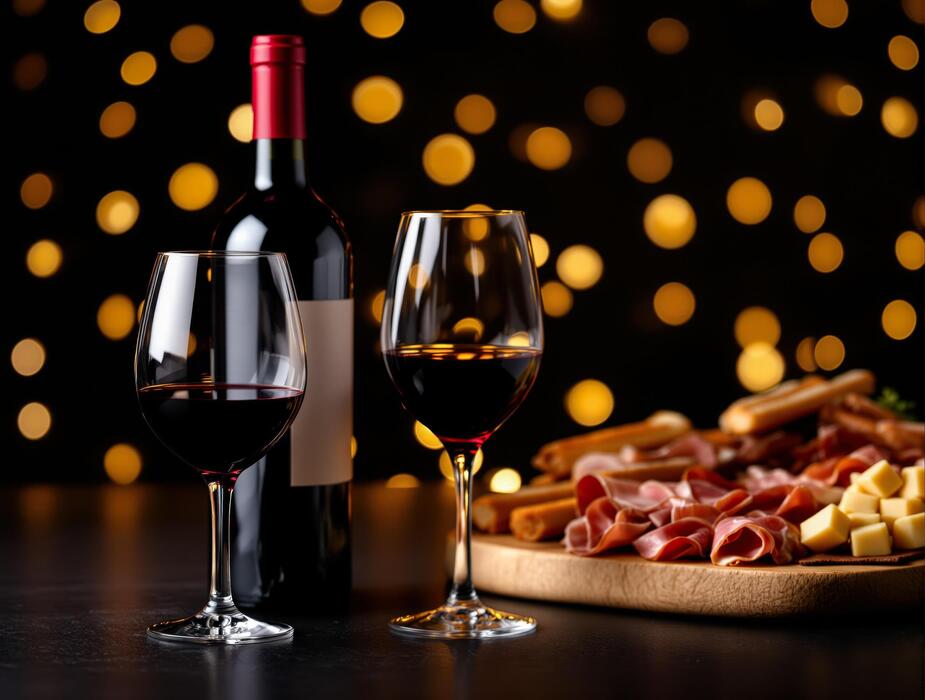
Why red wines need specific storage temperatures
Red wines are particularly sensitive to temperature fluctuations, which can significantly impact their longevity, flavor, and aroma development. Storing red wines at inconsistent or excessively high temperatures can lead to premature aging, causing the wine to lose its vibrant fruit characteristics and develop cooked or stewed notes.
Conversely, very low temperatures can stunt maturation and prevent the wine from fully expressing its complex bouquet. A stable temperature environment is crucial for proper aging, allowing the wine’s tannins to soften and integrated flavors to emerge.
For red wines, this typically means avoiding anything above 65°F (18°C) for long-term storage. A dual-zone wine fridge is ideal for this, as it ensures reds are kept at their optimal storage temperature, protecting your investment and guaranteeing the best possible drinking experience when the time comes.
Optimal temperature ranges for popular red varietals
While a general storage temperature of 55°F (13°C) is often recommended for all wines, specific red varietals can benefit from slight adjustments, especially in a dual-zone wine fridge. Lighter-bodied reds like Pinot Noir and Beaujolais are best stored around 50-55°F (10-13°C) to preserve their delicate aromatics and vibrant acidity.
Medium-bodied reds such as Merlot and Sangiovese thrive at 55-60°F (13-16°C), allowing their fruit and earthy notes to evolve gracefully. For full-bodied reds like Cabernet Sauvignon, Syrah, and Zinfandel, a slightly warmer storage temperature of 60-65°F (16-18°C) is often preferred, promoting a smoother integration of tannins and deeper complexity.
The upper zone of your dual-zone fridge can be set for these warmer storage needs, ensuring each bottle ages under its ideal conditions for optimal flavor development.
Storing vs. serving temperatures for reds
It’s crucial to distinguish between storage and serving temperatures for red wines, as they are rarely the same. While storage is about long-term preservation and slow maturation, serving is about presenting the wine at its most expressive.
Most red wines are stored between 50-65°F (10-18°C), but serving them directly at this temperature often results in a muted experience. Lighter reds like Pinot Noir should be served slightly chilled, around 55-60°F (13-16°C), to highlight their freshness.
Medium to full-bodied reds are typically best enjoyed at “cellar temperature,” which is 60-68°F (16-20°C), allowing their fruit, spice, and structural elements to shine without being overwhelmed by alcohol or astringency.
A dual-zone wine fridge is perfectly suited for this, allowing you to store wines in one zone and bring select bottles to their ideal serving temperature in the other, ready for immediate enjoyment.
Best Temperatures for White and Sparkling Wines
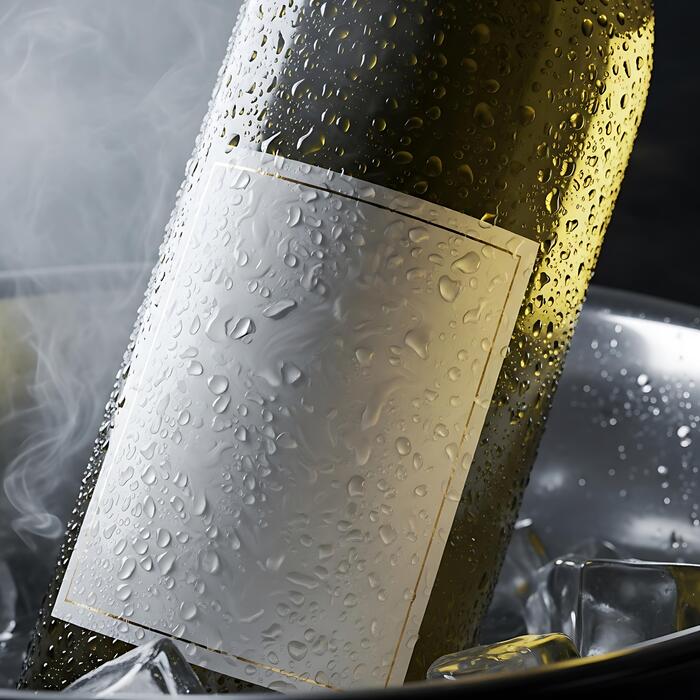
Why white and sparkling wines need cooler storage
White and sparkling wines are highly susceptible to temperature variations and warmer environments, making the cooler zone of a dual-zone wine fridge indispensable. Elevated temperatures significantly accelerate the oxidation process, which can rapidly strip these wines of their delicate fruit flavors, crisp acidity, and vibrant aromas.
For sparkling wines, warmth also causes a premature loss of effervescence, leading to a dull, flat experience. Storing these wines in a consistently cool environment, typically the lower zone of your fridge, is crucial for preserving their intrinsic freshness, structural integrity, and aromatic complexity.
This dedicated cool setting prevents the wine from becoming ‘cooked’ or developing undesirable off-flavors, thereby safeguarding its delicate balance. It ensures that the wine ages gracefully, allowing its nuanced characteristics to shine through when served, rather than degrading prematurely due to improper storage conditions.
This targeted cooling is fundamental for their long-term quality.
Optimal temperature ranges for popular white and sparkling varietals
Utilizing a dual-zone wine fridge allows for precise temperature control, crucial for different white and sparkling wines. For most dry white wines like Sauvignon Blanc, Pinot Grigio, and unoaked Chardonnay, an ideal storage temperature in the cooler zone is between 45-50°F (7-10°C).
This range helps maintain their bright acidity and aromatic purity. Full-bodied whites such as oaked Chardonnay or Viognier benefit from slightly warmer storage, around 50-54°F (10-12°C), which allows their complex textures and flavors to evolve without becoming overly chilled.
Sparkling wines, including Champagne, Prosecco, and Cava, require the coolest storage to preserve their effervescence and crispness, ideally between 40-45°F (4-7°C). Properly setting the cooler zone of your fridge to these specific ranges ensures each varietal is stored under optimal conditions, ready to be enjoyed at its peak.
Storing vs. serving temperatures for whites and sparkling
Understanding the distinction between storage and serving temperatures is key to maximizing your wine experience, especially with a dual-zone fridge. While the cooler zone is set for long-term preservation (typically 40-54°F/4-12°C depending on varietal), serving temperatures are often slightly different to allow the wine’s full character to emerge.
For example, a crisp Sauvignon Blanc might be stored at 48°F (9°C) but served at 50-54°F (10-12°C) to open up its aromatics. Sparkling wines are best served well-chilled, often straight from their storage at 40-45°F (4-7°C), to maintain their effervescence.
Allowing a wine to warm up slightly from storage to serving temperature, or chilling it briefly if stored warmer, can significantly enhance its aroma profile and palate expression.
A dual-zone fridge lets you maintain optimal storage, then perhaps move a bottle to the warmer zone or let it sit out briefly before serving for perfection.
Setting Temperatures on Your Dual Zone Fridge
Assigning zones for red, white, and sparkling wines
For optimal wine preservation and enjoyment, understanding the best temperatures for different wine types is crucial. Typically, the warmer zone of your dual zone fridge is ideal for red wines, maintaining them between 55-65°F (13-18°C).
This range allows their complex aromas and flavors to develop without being too warm or too cold. The cooler zone should be reserved for white and rosé wines, ideally set to 45-55°F (7-13°C). This temperature ensures they are crisp and refreshing.
If you frequently store sparkling wines, aim for the lower end of the white wine range, around 40-45°F (4-7°C), to keep them perfectly chilled. Prioritize keeping the chosen temperatures consistent within each zone to prevent wine spoilage and ensure longevity.
This thoughtful assignment guarantees your wines are always ready to be enjoyed at their peak.
Step-by-step guide to setting each zone
Setting the temperatures on your dual zone wine fridge is straightforward, though controls may vary slightly by model. First, locate the digital display and control panel, usually on the exterior or inside near the top. Identify which controls correspond to Zone A (e.g., upper) and Zone B (e.g., lower).
Use the up/down arrows or dedicated zone buttons to adjust the desired temperature for each compartment. For instance, set Zone A to 58°F for reds and Zone B to 48°F for whites.
After making adjustments, allow the fridge several hours, or even a full day, to reach and stabilize at the new temperatures. It’s beneficial to use an independent, reliable thermometer inside each zone to verify the actual temperature, ensuring your wines are stored precisely as intended. Avoid frequent, drastic temperature changes.
Tips for initial setup and calibration
Proper initial setup and calibration are vital for your dual zone wine fridge’s performance and longevity. Upon unboxing, allow the unit to stand upright for at least 24 hours before plugging it in, letting the compressor oils settle.
Once plugged into a dedicated power outlet, run the fridge empty for 24-48 hours without any wine inside. This allows the internal components to cool down and the temperatures to stabilize. During this period, place a calibrated external thermometer in both zones and monitor readings to confirm accuracy.
If there’s a discrepancy, adjust the fridge’s internal settings incrementally until the external thermometer reflects your desired temperatures. Ensure the fridge is placed away from direct sunlight or heat sources and has adequate ventilation to maintain consistent performance and efficiency.
Factors That Affect Wine Fridge Temperature
Impact of ambient room temperature
The external environment significantly dictates how effectively your dual-zone wine fridge maintains its programmed internal temperatures.
If your fridge is situated in a very warm or cold room, its compressor will have to work harder, consuming more energy and potentially struggling to hold the precise 55°F for reds and 45-50°F for whites. Placing the unit in a stable, temperate location, ideally between 60-75°F (15-24°C), is paramount.
Avoid direct sunlight exposure or proximity to heat-generating appliances like ovens or dishwashers, as these can drastically increase the workload and internal temperature fluctuations. Furthermore, ensure there’s adequate ventilation space around the back and sides of the unit, allowing heat to dissipate efficiently.
Neglecting these factors can lead to inconsistent temperatures, compromising the wine’s quality and the fridge’s longevity, despite its dual-zone capabilities. A well-placed fridge operates more efficiently and reliably, ensuring your wines are always at their ideal serving or aging temperatures.
How door openings influence internal temperature
Each time the door of your dual-zone wine fridge is opened, a significant influx of ambient air immediately impacts the carefully regulated internal temperature. This sudden change forces the compressor to activate, working harder and longer to restore the desired conditions of typically 55°F for reds and 45-50°F for whites.
Frequent or prolonged openings lead to energy inefficiency and can cause noticeable temperature swings, particularly in the zone being accessed. To mitigate this, minimize door openings by planning your wine selection in advance. Retrieve all necessary bottles at once rather than making multiple trips.
Additionally, regularly inspect the door seals for any signs of wear or damage. A compromised seal allows warm air to seep in constantly, making the fridge work overtime and preventing it from consistently holding the ideal storage temperatures for your valuable collection.
Maintaining seal integrity is crucial for optimal thermal regulation.
Importance of proper bottle placement and air flow
Effective air circulation is fundamental for maintaining consistent temperatures throughout a dual-zone wine fridge, ensuring every bottle, whether red or white, is stored optimally.
An overcrowded fridge or improperly placed bottles can severely restrict this crucial airflow, leading to hot or cold spots within a zone, even if the thermostat is set correctly.
For instance, a tightly packed shelf might have bottles at the front experiencing the set temperature while those at the back are significantly warmer or cooler. To prevent this, always leave adequate space between bottles and avoid stacking them so tightly that they touch the back wall or internal fans.
Ensure that ventilation vents are never blocked by labels or bottle necks. Distributing bottles evenly across shelves also aids in uniform cooling and reduces strain on the refrigeration system.
Proper placement guarantees that the entire collection benefits from the precise temperature control your dual-zone unit is designed to provide, preserving wine quality.
Common Temperature Mistakes and Solutions
Mistake: Storing all wines at one temperature
A dual zone wine fridge is specifically designed to accommodate the distinct temperature requirements of different wine types. A common mistake is to set both zones to a single, compromise temperature, which undermines the unit’s core benefit.
To optimize your wine storage, dedicate the warmer zone (typically the upper) for your red wines, ideally setting it between 55-65°F (13-18°C). This range allows reds to age gracefully and prevents premature oxidation.
The cooler zone (usually the lower) should be reserved for white and sparkling wines, maintained at 45-55°F (7-13°C), ensuring they are perfectly chilled and ready for serving. Properly utilizing both zones means every bottle is stored at its optimal condition, preserving its flavor and longevity.
Mistake: Frequent temperature adjustments
Constantly changing the temperature settings in your wine fridge can be detrimental to your wine. Wine is sensitive to fluctuations, and frequent adjustments can stress the wine, potentially accelerating its aging or causing undesirable chemical changes.
The ideal approach is to set your desired temperatures for each zone based on your wine collection’s needs and then maintain those settings consistently. Only consider adjustments if you are preparing a specific wine for immediate serving outside its long-term storage temperature, or if your collection composition significantly changes.
Stability is paramount for wine preservation, ensuring cork integrity and preventing expansion and contraction of the liquid. Once set, trust your fridge to maintain optimal conditions.
Solution: Monitoring humidity levels alongside temperature
While temperature is crucial, overlooking humidity is a significant oversight that can compromise your wine. Low humidity (below 50%) can cause corks to dry out, shrink, and allow air to seep into bottles, leading to oxidation and spoilage.
Conversely, excessively high humidity (above 70%) can foster mold growth on labels and corks, though it’s less damaging to the wine itself. The optimal humidity level for a wine fridge is generally between 50-70%.
If your fridge doesn’t have built-in humidity control, consider placing a small hygrometer inside to monitor levels. For low humidity, a small dish of water or a humidity pack can help. Maintaining this balance alongside consistent temperatures is key to long-term wine preservation.
Troubleshooting inconsistent temperatures
If your dual zone wine fridge isn’t maintaining its set temperatures, several factors could be at play. First, ensure the fridge is not overloaded, as too many bottles can impede air circulation.
Second, check that the door seals are intact and clean, as a faulty seal allows warm air to enter. Regularly clean the condenser coils (usually at the back or bottom) to ensure efficient cooling, as dust buildup reduces performance.
Also, verify that the fridge is level; an uneven unit can affect door sealing and refrigerant flow. If issues persist, consider whether the ambient room temperature is too high, forcing the unit to work harder. Addressing these common issues can often restore consistent, optimal temperatures to both zones.
Maintaining Your Dual Zone Wine Fridge
Regular cleaning practices for optimal performance
To ensure your dual zone wine fridge maintains optimal temperatures and energy efficiency, regular cleaning is paramount. Begin by unplugging the unit for safety. Periodically, at least every 3-6 months, vacuum or brush the condenser coils located at the back or bottom of the fridge.
Dust accumulation on these coils forces the compressor to work harder, consuming more energy and potentially leading to inconsistent temperatures in your wine zones.
Wipe down the interior with a mild, unscented soap and water solution, paying attention to any spills or residue that could foster mold or odors, which might affect your wine.
Don’t forget to clean the door seals with a damp cloth; a clean, pliable seal is crucial for preventing air leaks and maintaining temperature consistency, ensuring your valuable wine collection is perfectly preserved.
Checking and adjusting humidity levels
Maintaining appropriate humidity levels is as crucial as temperature for long-term wine preservation, especially in a dual zone wine fridge where corks can dry out if conditions are too arid. Ideal humidity for wine storage typically ranges from 50% to 70%.
Regularly monitor the humidity inside your fridge using a small, reliable hygrometer placed within one of the zones. If you observe consistently low humidity, consider placing a small, shallow dish of distilled water inside the fridge to evaporate, or invest in a specialized humidity control device designed for wine cellars.
Conversely, excessively high humidity can lead to mold growth on labels or corks. Ensure proper airflow and avoid over-packing the fridge. Consistent humidity prevents cork shrinkage, which could otherwise allow air to ingress and spoil your wine, safeguarding its quality and ensuring perfect aging conditions.
When to consider professional servicing or upgrades
While regular maintenance can prolong your dual zone wine fridge’s life, there are times when professional servicing becomes essential to ensure its optimal function and protect your investment.
If you notice persistent temperature fluctuations that are unresponsive to your adjustments, or if one zone consistently fails to reach its set temperature, it’s a clear sign of a potential issue with the cooling system.
Unusual noises, such as loud humming, rattling, or clicking, or the presence of strange odors, could indicate compressor problems or refrigerant leaks. Furthermore, if your fridge is older than 7-10 years, its efficiency may be declining, leading to higher energy consumption and less reliable performance.
In such cases, a professional technician can diagnose the problem, perform necessary repairs, or advise on potential upgrades to more energy-efficient and technologically advanced models, ensuring your collection remains perfectly stored.
Frequently Asked Questions
What are the ideal temperature ranges for red and white wines in a dual zone fridge?
For white wines, the optimal storage temperature is typically between 45-52°F (7-11°C). Red wines prefer a slightly warmer range, generally 55-65°F (13-18°C). A dual zone fridge allows you to maintain these distinct environments simultaneously for optimal preservation.
Why is a dual zone wine fridge beneficial for mixed wine collections?
A dual zone wine fridge is ideal because it allows you to store red and white wines at their respective optimal temperatures without compromising either. This ensures both types of wine are perfectly preserved and ready for serving, enhancing their flavor and longevity.
What is the best temperature for long-term aging in a dual zone wine fridge?
For long-term aging of most wines, a consistent temperature of around 55°F (13°C) is generally recommended for both red and white varieties. This stable temperature helps the wine mature gracefully by slowing down chemical reactions, preserving its quality over many years.
How do I properly set the temperature for each zone in my dual zone wine fridge?
Most dual zone wine fridges have separate digital controls for each compartment. Identify which zone is intended for whites (typically the cooler zone) and reds (warmer zone), then adjust the settings according to your wine type or serving preference. Always refer to your fridge’s manual for specific instructions.
Can I store sparkling wines or champagne in a dual zone wine fridge, and at what temperature?
Yes, sparkling wines and champagne can be stored in a dual zone fridge, ideally in the cooler zone. Their optimal storage and serving temperature is typically between 45-50°F (7-10°C) to maintain their effervescence and crispness effectively.
Should I store red wines at their serving temperature or a different one for long-term preservation?
For long-term preservation, red wines are best stored at a consistent cellar temperature around 55°F (13°C). However, for serving, many reds benefit from being brought up to 60-65°F (15-18°C) to fully express their aromas and flavors. A dual zone allows you to store at the ideal preservation temperature and then briefly adjust or decant to serving temperature.
Are there specific wines that might require different temperature settings than the general red/white guidelines?
Yes, some specific wines might benefit from slight adjustments to the general guidelines. For instance, delicate Pinot Noirs might prefer the lower end of the red wine range (around 55°F), while full-bodied Cabernet Sauvignons can handle the higher end (60-65°F). Similarly, dessert wines or some rosés might prefer a slightly cooler white wine setting.
Conclusion
Optimizing your dual zone wine fridge means setting distinct temperatures: typically 45-55°F for whites/sparkling and 55-65°F for reds. This precision ensures each bottle ages and serves perfectly, preserving flavor and aroma. By understanding these nuances, you unlock the full potential of your wine collection, enhancing every sip. Experiment with your preferred settings to achieve ideal storage conditions and truly elevate your wine experience. Cheers to perfectly chilled wine!