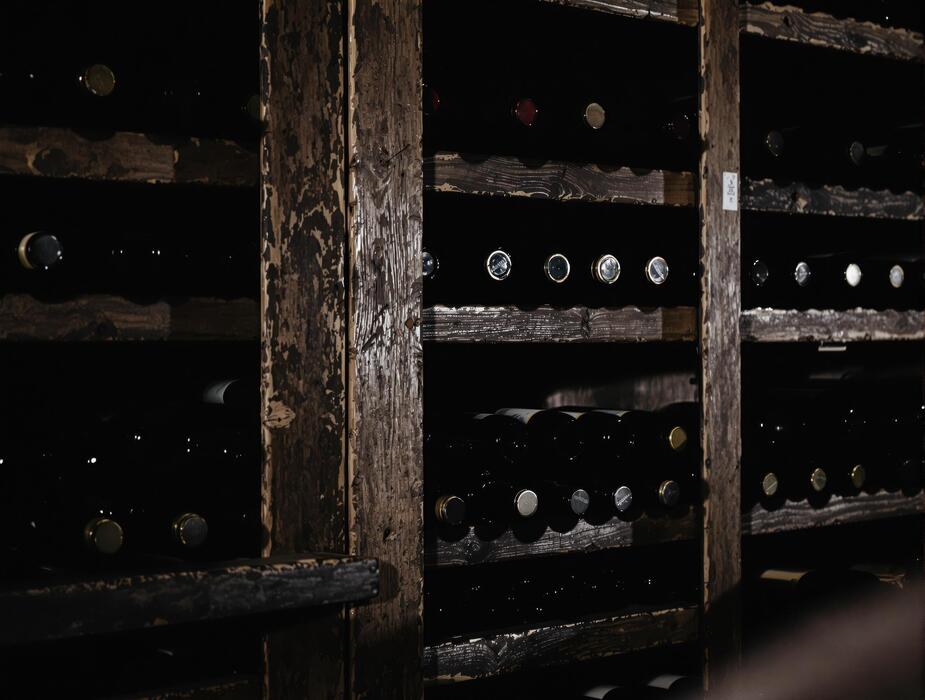
Best Temp For Red Wine Storage
The best temp for red wine storage is consistently between 55°F (13°C) and 57°F (14°C). Why is this precise range so vital? Because improper temperatures cause premature aging or even spoil your valuable bottles, destroying their nuanced flavors and aromas. If you’re seeking to protect your investment and ensure every red wine reaches its optimal potential, you’re in exactly the right place.
Ideal Temperature for Storing Red Wine
The Optimal Temperature Range
The optimal temperature for storing red wine is widely considered to be around 55°F (13°C), although a range between 50-59°F (10-15°C) is generally acceptable.
Maintaining this cool, constant temperature is paramount because it significantly slows down the aging process, allowing the wine to develop its complex flavors and aromas gracefully over time.
Temperatures that are too high will accelerate aging, causing the wine to become “cooked” or lose its vibrancy, often resulting in flat, stewed flavors. Conversely, extremely low temperatures can halt the aging process entirely and may even dry out the cork, leading to oxidation as air seeps into the bottle.
Therefore, aiming for the mid-50s Fahrenheit provides the ideal environment for the slow, controlled evolution of your red wines, preserving their quality for years to come. Investing in a temperature-controlled environment is the best solution for serious collectors.
Why Consistency Matters Most
Beyond hitting the ideal temperature, consistency is arguably the most critical factor in successful red wine storage. Frequent or drastic temperature fluctuations are far more damaging than a slightly warmer but stable environment.
When temperatures rise and fall, the wine inside the bottle expands and contracts, which puts immense stress on the cork. This constant movement can compromise the cork’s integrity, causing it to lose its elasticity and seal.
A damaged cork allows oxygen to seep into the bottle, leading to premature oxidation and irrevocably spoiling the wine’s character, often resulting in vinegary or flat notes.
Therefore, ensuring a stable climate, free from significant swings, is essential for preserving the cork’s seal and protecting your wine from unwanted oxygen ingress. A dedicated wine cooler or a properly insulated cellar provides this crucial stability, safeguarding your investment and ensuring peak enjoyment.
Short-Term vs. Long-Term Storage Needs
The duration you plan to store your red wine significantly influences the level of environmental control required. For long-term aging—wines intended to be enjoyed years or even decades from now—strict adherence to the optimal temperature range (50-59°F) and consistent conditions is non-negotiable.
This necessitates a dedicated wine cellar or a high-quality wine refrigerator that can precisely maintain temperature, humidity, and darkness. However, for short-term storage—wines you intend to consume within a few weeks or months—the requirements are less stringent.
While still avoiding extremes, storing these bottles in the coolest, darkest spot available in your home, such as a pantry or basement closet, away from direct sunlight and heat sources, is generally sufficient. Just ensure it’s not subject to radical temperature swings, as even brief exposures can negatively impact flavor.
The goal is to prevent damage or accelerated aging before consumption.
How Temperature Affects Red Wine Quality
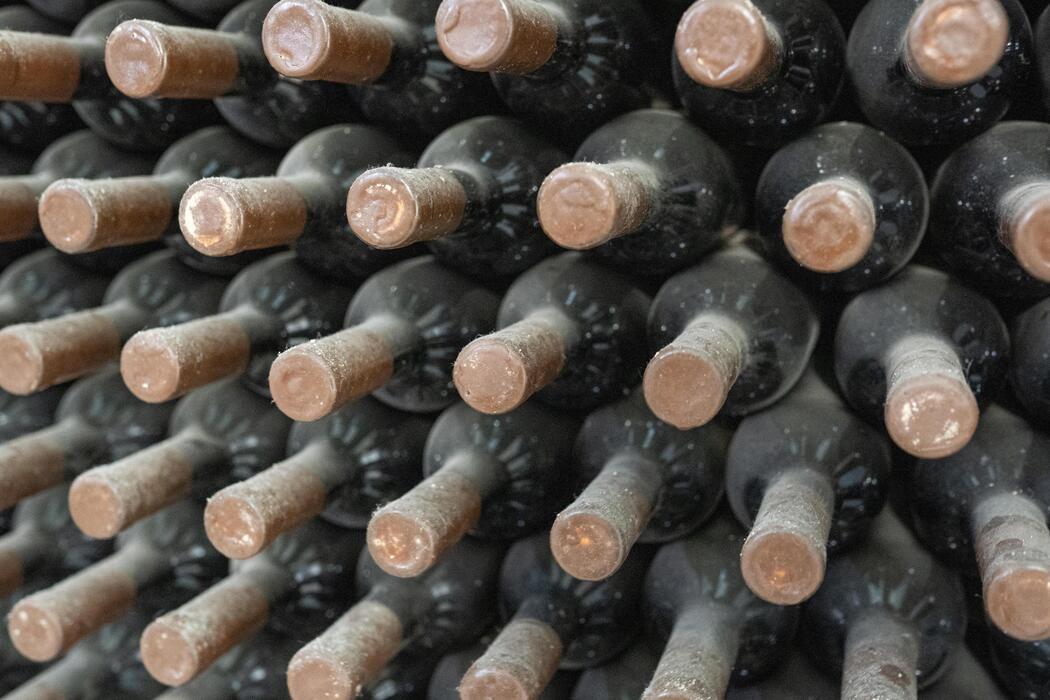
Chemical Changes in Wine
The ideal storage temperature for red wine, typically around 55°F (13°C), is paramount because it significantly influences the rate of chemical reactions within the bottle. Higher temperatures accelerate these reactions, leading to the rapid breakdown of complex compounds and an increased risk of oxidation.
This can cause the wine to lose its vibrant fruit characteristics, develop unappealing nutty or stewed flavors, and dull its color prematurely. Conversely, temperatures that are too low can excessively slow down the aging process, preventing the wine from developing its full potential and desirable tertiary aromas.
Maintaining a stable cool environment allows for a gradual and controlled evolution of the wine, promoting the gentle polymerization of tannins and the formation of complex aromatic esters and aldehydes, which contribute to the wine’s depth and character over time. Fluctuations are particularly detrimental, stressing the wine and its cork.
Preventing Premature Aging
Storing red wine at its optimal temperature of approximately 55°F (13°C) is critical for preventing premature aging. Elevated temperatures dramatically speed up the aging process, causing the wine to develop much faster than intended, often resulting in a wine that tastes “cooked” or lifeless, stripped of its freshness and complexity.
Heat can also cause the wine to expand, pushing the cork slightly out and allowing oxygen ingress, which is the primary driver of oxidation and spoilage.
Maintaining a consistent, cool temperature ensures that the wine ages gracefully, allowing its primary fruit flavors to gradually evolve into more nuanced secondary and tertiary characteristics over years, rather than months.
A stable environment also protects the integrity of the cork, preventing it from drying out, shrinking, or becoming compromised, which is essential for maintaining the airtight seal necessary for proper aging.
Protecting Flavor and Aroma Compounds
The delicate flavor and aroma compounds in red wine are highly susceptible to temperature variations. Storing wine at the recommended 55°F (13°C) helps to preserve these volatile compounds, which are responsible for the wine’s unique bouquet and taste profile.
High temperatures can cause these delicate esters, terpenes, and pyrazines to evaporate or undergo undesirable chemical transformations, leading to a significant loss of fruit character and the development of harsh or off-flavors. Imagine a fine perfume losing its top notes; wine suffers similarly.
Conversely, while very low temperatures might preserve some compounds, they can also inhibit the subtle chemical reactions required for the wine to develop complexity and integrate its various components harmoniously.
Consistent, moderate temperatures ensure that the wine’s aromatic profile remains intact and develops optimally, allowing the full spectrum of its intended flavors and aromas to be enjoyed when opened.
Problems from Storing Red Wine Too Warm
The ‘Cooked’ Wine Effect
When red wine is stored above its ideal temperature, typically above 70-75°F (21-24°C), it can rapidly develop what sommeliers refer to as a “cooked” or “maderized” character. This isn’t just an aesthetic flaw; it fundamentally alters the wine’s chemical structure.
The delicate fruit flavors and aromatic compounds that make red wine enjoyable are essentially baked away, leaving behind a flat, dull, and often sweet, prune-like taste. The wine loses its vibrancy, acidity, and complexity, becoming a shadow of its intended profile.
To prevent this irreversible damage, the best temperature for red wine storage is consistently between 55-58°F (12-14°C). Maintaining this range ensures the wine ages gracefully, allowing its nuances to develop rather than degrade. A stable environment is key to preserving its integrity and preventing premature spoilage.
Risk of Oxidation and Cork Damage
High storage temperatures significantly accelerate the aging process and pose a severe risk of oxidation, which is detrimental to red wine. Warm conditions cause the wine inside the bottle to expand, pushing past the cork and leading to leakage.
This not only wastes wine but, more critically, allows oxygen to seep back into the bottle when the temperature drops and the wine contracts. Oxygen is the enemy of wine when present in excessive amounts, turning vibrant fruit flavors into nutty, sherry-like notes and dulling the wine’s color.
Moreover, prolonged exposure to heat can dry out and compromise the cork’s elasticity, further exacerbating the risk of oxygen ingress. The optimal storage temperature of 55-58°F (12-14°C) helps keep corks moist and firm, forming an airtight seal essential for preventing premature oxidation and preserving the wine’s intended character.
Loss of Freshness and Fruitiness
One of the most immediate and regrettable consequences of storing red wine in overly warm conditions is the rapid degradation of its freshness and vibrant fruit characteristics. Red wines, especially younger, fruit-forward styles, rely on their bright acidity and aromatic compounds to provide a pleasurable drinking experience.
Elevated temperatures speed up chemical reactions within the wine, causing these volatile compounds to dissipate quickly. The wine loses its lively aroma, its crisp acidity softens prematurely, and its juicy fruit flavors become jammy or stewed, lacking definition and zest.
This effectively robs the wine of its primary appeal, making it taste older and less complex than it should. To retain the wine’s inherent freshness, bright fruit profile, and aromatic integrity, always aim for a consistent storage temperature of 55-58°F (12-14°C).
This stable, cool environment slows down chemical processes, allowing the wine to mature slowly and gracefully, preserving its intended character for years.
Issues from Storing Red Wine Too Cold
Suppressing Aromas and Flavors
Storing red wine at excessively cold temperatures, particularly below 45-50°F (7-10°C), can significantly inhibit its aromatic expression and mute its complex flavor profile. When the wine is too cold, the volatile compounds responsible for its characteristic bouquet become less active, leading to a dull, subdued, and less enjoyable tasting experience.
The ideal storage temperature for most red wines is a consistent 55°F (13°C), often referred to as “cellar temperature.” This stable environment allows the wine to age gracefully, facilitating the slow, beneficial chemical reactions that lead to greater complexity and nuance.
While serving, red wines generally benefit from a slight warming from cellar temperature, typically to 60-68°F (15-20°C), to fully unlock their intricate aromas and flavors. Ensure any warming is gradual to prevent thermal shock, which can negatively impact the wine’s structure.
Maintaining this consistent temperature is crucial for long-term preservation and optimal development.
Understanding Tartrate Crystals
Storing red wine at very cold temperatures can lead to the formation of small, crystalline deposits at the bottom of the bottle or on the cork. These are commonly known as tartrate crystals, or “wine diamonds,” and are formed from potassium bitartrate, a natural byproduct of the winemaking process.
While their appearance might seem alarming, tartrates are entirely harmless to consume and do not indicate any fault or spoilage in the wine itself. They are simply the result of tartaric acid precipitating out of solution due to cold conditions, particularly when temperatures drop significantly or fluctuate.
To minimize their occurrence, it’s best to store red wine at a stable and consistent cellar temperature, ideally around 55°F (13°C).
If tartrate crystals are present, they can be easily managed by carefully decanting the wine before serving, allowing the sediment to remain in the bottle and ensuring a clear pour. This preservation method ensures the wine’s quality remains unaffected.
Impact on Corks and Seals
Extremely cold storage temperatures can have detrimental effects on the integrity of a wine bottle’s cork and seal. Corks are natural materials that are susceptible to temperature fluctuations.
When exposed to prolonged cold, the cork can contract and shrink slightly, potentially compromising the airtight seal between the cork and the bottle neck. This contraction creates microscopic gaps, allowing unwanted air ingress and exposing the wine to oxygen.
Oxygen is the primary enemy of wine, as it can lead to premature oxidation, resulting in flattened flavors, loss of fruit vibrancy, and ultimately, a spoiled wine that tastes vinegary or stale.
To protect your investment and preserve the wine’s quality, ensure it is stored at a consistent 55°F (13°C) with adequate humidity (around 60-70%). This stable environment keeps the cork moist and expanded, maintaining a tight seal and preventing the damaging effects of oxidation, crucial for long-term aging.
Best Ways to Control Red Wine Storage Temperature
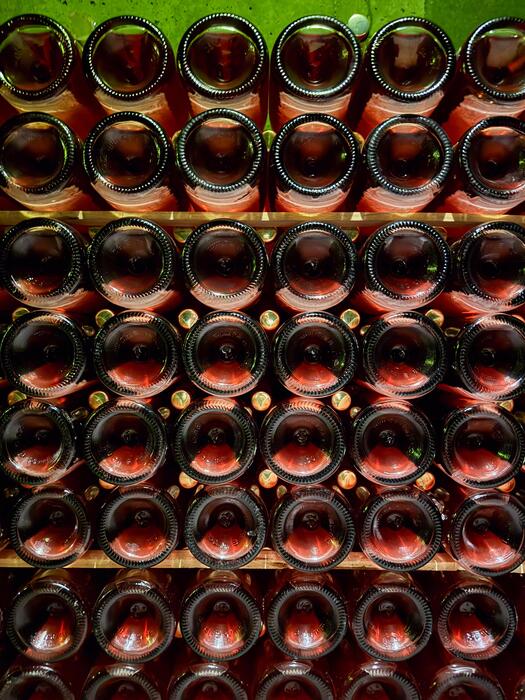
Using Wine Refrigerators and Cellars
For optimal long-term red wine storage, maintaining a consistent temperature between 50-59°F (10-15°C) is paramount. Wine refrigerators, often called wine coolers, are specifically designed to achieve this stable environment, protecting your valuable collection from harmful fluctuations.
Unlike standard kitchen refrigerators, which operate at much lower temperatures and have excessive vibration, wine fridges offer precise temperature control and often humidity regulation. This prevents the cork from drying out, which can lead to premature oxidation.
For serious collectors, a dedicated wine cellar provides the ultimate controlled environment, accounting for temperature, humidity, light, and vibration. Investing in these specialized units ensures your red wines age gracefully, developing their intended complex flavors and aromas without spoilage.
Consistency is key to preserving quality and maximizing the lifespan of your collection.
Basement Storage Considerations
Basements can offer a naturally cool environment for red wine storage, often falling within an acceptable temperature range, but require careful consideration. The ideal temperature for red wine is consistently between 50-59°F (10-15°C). However, basements are prone to temperature fluctuations throughout the year, especially if not climate-controlled.
More critically, humidity levels must be monitored; too low (below 50%) can dry out corks, leading to oxidation, while too high (above 80%) risks mold growth. Consider using a hygrometer to track humidity and a dehumidifier or humidifier as needed.
Avoid storing wine directly on concrete floors, as this can leach cold and moisture. Instead, use sturdy wine racks. A stable, dark corner of a cool basement can be a cost-effective solution if these environmental factors are diligently managed to prevent spoilage and ensure proper aging.
Avoiding Kitchens and Garages
Kitchens and garages are among the worst places to store red wine due to their inherent instability and extreme conditions. Kitchens experience frequent temperature swings from cooking heat, significantly stressing the wine and accelerating its aging process.
The vibrations from appliances like refrigerators and dishwashers can also disturb the wine’s delicate chemical balance, preventing proper sediment settling and potentially damaging its structure.
Garages are even more problematic, suffering from drastic temperature fluctuations between seasons and even day and night, often reaching damaging highs in summer and lows in winter. They also expose wine to excessive light and often strong odors, both detrimental to its quality.
For the longevity and enjoyment of your red wine, it is crucial to avoid these unsuitable locations entirely, opting for a stable, dark, and consistently cool environment instead.
Other Important Factors for Red Wine Storage
Managing Humidity Levels
Low humidity can lead to corks drying out and shrinking, allowing air ingress and premature oxidation of your red wine, even if the temperature is perfectly maintained. Aim for a relative humidity between 60-75% to keep corks moist and elastic.
Conversely, excessively high humidity, above 80%, can foster mold growth on labels and corks, potentially compromising the seal and aesthetic value, though it rarely affects the wine inside directly unless the cork itself degrades.
Use a hygrometer to monitor levels and consider humidifiers or dehumidifiers if your storage environment falls outside this optimal range. Proper humidity ensures the long-term integrity of the closure, complementing ideal temperature for aging.
Protecting Wine from Light
Exposure to light, especially ultraviolet (UV) rays, is detrimental to red wine, regardless of how meticulously you manage the storage temperature. UV light can cause “light strike,” leading to unpleasant aromas and a degradation of the wine’s delicate flavors and structure.
This chemical reaction is irreversible and can prematurely age or spoil the wine. Store bottles in a dark environment, such as a dedicated wine cellar, a dark closet, or opaque wine racks. If using a wine refrigerator, ensure it has UV-protected glass doors or store bottles in their original boxes.
Even ambient room light can be harmful over extended periods, so minimize exposure to preserve the wine’s quality and ensure it matures gracefully alongside optimal temperature conditions.
Minimizing Vibrations
Constant vibrations, even subtle ones, can negatively impact red wine’s aging process, making it a critical factor alongside ideal temperature. Vibrations can disturb sediment within the bottle, preventing it from settling naturally, and potentially accelerate chemical reactions that lead to premature aging or a “fatigued” wine.
This agitation can also prevent the complex flavors from integrating properly. Therefore, it’s crucial to store wine in a stable, undisturbed location, away from washing machines, heavy foot traffic, or noisy appliances.
Dedicated wine coolers or cellars are designed with vibration-dampening technology to provide a still environment, allowing your red wines to mature undisturbed at their optimal storage temperature, ensuring their long-term quality.
Bottle Position: Cork Contact
For red wines sealed with natural corks, storing bottles horizontally is paramount to maintaining the cork’s integrity, complementing the benefits of stable temperature. This position ensures the wine remains in constant contact with the cork, keeping it moist and preventing it from drying out and shrinking.
A dry cork can allow oxygen to seep into the bottle, leading to oxidation and spoilage, even if the temperature is perfectly maintained at 55°F (13°C).
While screw-cap or synthetic cork bottles do not require horizontal storage, for traditional corks, this practice is essential for long-term aging and preserving the wine’s quality. Proper rack design facilitates horizontal storage, safeguarding your investment.
Preparing Red Wine for Serving After Storage
Bringing Wine to Proper Serving Temperature
After optimal storage, the crucial next step is bringing your red wine to its ideal serving temperature. While often misunderstood, “room temperature” is typically too warm for most reds, which thrive around 16-18°C (60-65°F). Wines stored at cellar temperature (around 12-14°C) will need to gently warm up before serving.
To achieve this, simply remove the bottle from storage an hour or two before you plan to open it, allowing it to acclimate naturally in a cooler room or on a counter.
For wines that might be too warm, a quick dip in an ice bucket for 10-15 minutes can bring it down without over-chilling.
Conversely, if a wine is too cold, avoid rapid warming methods like placing it near a heater, as this can shock the wine and negatively impact its delicate flavors. A gradual increase ensures the wine’s complex aromas and flavors are presented at their best, offering a more enjoyable tasting experience.
Patience is key in this preparation stage.
Decanting Red Wines
Decanting is a valuable step for many red wines, serving two primary purposes: separating sediment and aerating the wine. Older, aged reds often develop harmless but gritty sediment, which should be carefully removed to ensure a clear pour.
For these, stand the bottle upright for at least 24 hours before serving to allow sediment to settle.
Then, pour the wine slowly and steadily into a decanter, using a light source (like a candle or flashlight) under the bottle’s shoulder to spot the sediment and stop pouring as it approaches the neck.
Younger, more robust reds, especially those high in tannins like Cabernet Sauvignon or Syrah, benefit from aeration. The increased surface area exposure to air in a decanter helps to soften harsh tannins, allowing the wine’s fruit and aromatic complexities to emerge more readily.
Decanting times vary; some wines need only 30 minutes, while very young, tight wines might benefit from several hours. Always taste the wine periodically to determine its readiness.
Serving Temperatures for Different Red Varieties
The perfect serving temperature significantly impacts a red wine’s expression, enhancing its inherent characteristics. Generally, reds should be served cooler than often perceived, with specific varieties benefiting from distinct ranges. Lighter-bodied reds, such as Pinot Noir, Beaujolais, or Lambrusco, are best enjoyed slightly chilled, typically between 12-16°C (54-61°F).
This cooler temperature highlights their vibrant fruit and acidity without masking delicate aromas. Medium-bodied reds, including Merlot, Sangiovese (Chianti), or Grenache, perform optimally around 16-18°C (60-65°F), which balances their fruit, tannin, and acidity.
For full-bodied reds like Cabernet Sauvignon, Syrah/Shiraz, Zinfandel, or Malbec, a slightly warmer range of 18-20°C (65-68°F) allows their rich, complex flavors and firm tannins to fully integrate and express themselves without becoming soupy or alcoholic.
Remember, even full-bodied reds should never be served warm, as excessive heat can make them taste flat and alcoholic. Using a wine thermometer can help ensure precision for the best possible experience.
Frequently Asked Questions
What is the ideal temperature range for storing red wine?
The universally recommended ideal temperature for long-term red wine storage is between 53-57°F (12-14°C). This range is cool enough to slow down the aging process gracefully, yet warm enough to allow the wine to develop its complex flavors and aromas without becoming stagnant. Consistency within this range is more crucial than hitting an exact single degree.
Why is temperature so important for red wine storage?
Temperature significantly impacts the chemical reactions within the wine, directly influencing its aging process and quality. Too warm, and the wine ages prematurely, losing its delicate flavors; too cold, and the aging process slows excessively, hindering development. Consistent temperature also prevents expansion and contraction of the cork, which can lead to oxidation.
How does fluctuating temperature affect red wine?
Frequent or significant temperature fluctuations are highly detrimental to red wine. They cause the wine in the bottle to expand and contract, pushing and pulling at the cork. This movement can compromise the cork’s seal, allowing oxygen to enter and spoil the wine prematurely through oxidation.
What happens if red wine is stored too warm?
Storing red wine at temperatures above 70°F (21°C) can cause it to “cook,” accelerating its aging process and leading to flat, stewed flavors. The wine will lose its freshness, vibrancy, and complexity much faster, potentially tasting like prune juice or even vinegar. High heat can also cause the cork to dry out and fail.
What happens if red wine is stored too cold?
While less damaging than excessive heat, storing red wine consistently below 45°F (7°C) can also be detrimental. Extremely cold temperatures can stop the aging process altogether, preventing the wine from developing its full potential. It can also cause harmless tartrate crystals to form, which don’t affect the wine’s quality.
How can I maintain a consistent temperature for my red wine?
The best way to maintain a consistent temperature is by using a dedicated wine refrigerator or a properly conditioned wine cellar. These environments are designed to keep temperatures stable year-round, regardless of external conditions. For shorter-term storage, a cool, dark closet or basement can suffice, but avoid areas near heat sources or direct sunlight.
Conclusion
Maintaining the optimal temperature of 55°F (13°C) is paramount for red wine storage, though a range of 50-65°F (10-18°C) is acceptable. Consistency is key, so avoid drastic fluctuations that can prematurely age or spoil your collection. Proper temperature management preserves flavor, aroma, and longevity, ensuring each bottle reaches its full potential. Invest in a suitable storage solution to protect your reds and enhance every future pour. Enjoy the rewards of perfectly preserved wine!

