
Wine Fridge Best Temperature
If you’re wondering about wine fridge best temperature, the short answer is that most wines store best between 45°F and 65°F, with 55°F often considered ideal for long-term aging. The right setting depends on whether you’re chilling whites, preserving reds, or aging a mixed collection. In this guide, you’ll get a clear, practical answer so you can protect flavor, prevent spoilage, and set your wine fridge with confidence for every bottle, whether you’re storing daily drinkers or prized vintages year-round.
What Is the Best Temperature for a Wine Fridge?
Best temperature for red wine storage
For most red wines, the best temperature for a wine fridge is 55°F to 65°F (13°C to 18°C), with 55°F to 60°F being a very safe everyday setting for long-term storage. This range helps red wine age slowly without losing aroma, structure, or freshness.
If you plan to drink a red soon, a slightly warmer serving temperature is fine, but the fridge should still be cool enough to protect the wine from heat spikes. Avoid storing reds at normal room temperature if your home runs warm, because heat accelerates aging and can flatten flavor.
Keep the fridge steady, since temperature swings are more damaging than being a degree or two off. If you store both reds and whites, a single-zone fridge set around 55°F is a practical compromise. For best results, keep bottles away from the door and minimize opening the fridge too often.
Best temperature for white wine storage
The best temperature for white wine storage is usually 45°F to 50°F (7°C to 10°C), with many everyday white wines tasting their best closer to 47°F to 50°F. This cooler range preserves crisp acidity, fresh fruit notes, and floral aromas without making the wine taste dull.
Lighter styles like Sauvignon Blanc, Pinot Grigio, and dry Riesling generally benefit from the colder end of that range, while fuller whites like Chardonnay can sit slightly warmer.
If your wine fridge has a single zone and you mainly store white wine, set it around 48°F for a strong all-around option. For serving, you can let the bottle warm a bit in the glass if needed.
The most important thing is consistency: avoid frequent temperature changes and don’t store white wine too cold for long periods, because overly low temperatures can mute flavor and slow proper development.
Best temperature for sparkling wine storage
For sparkling wine, the best temperature for a wine fridge is 40°F to 45°F (4°C to 7°C) if you want to keep the bubbles lively and the wine fresh. This cooler range works well for Champagne, Prosecco, Cava, and other sparkling styles because it slows oxidation and helps preserve carbonation.
If you do not want a separate setting just for sparkling wine, 45°F is a useful general target. Store bottles upright or horizontally depending on your fridge design, but always make sure they are stable and undisturbed.
Avoid keeping sparkling wine too warm, because heat can flatten bubbles and dull the finish. Also avoid freezing conditions, which can damage the cork, push out pressure, or alter flavor. If you’re opening the bottle soon, chill it for several hours rather than rushing with ice water alone.
For the best drinking experience, keep the fridge cool, consistent, and vibration-free.
How Wine Fridge Temperature Affects Taste and Aging
Why stable temperature matters
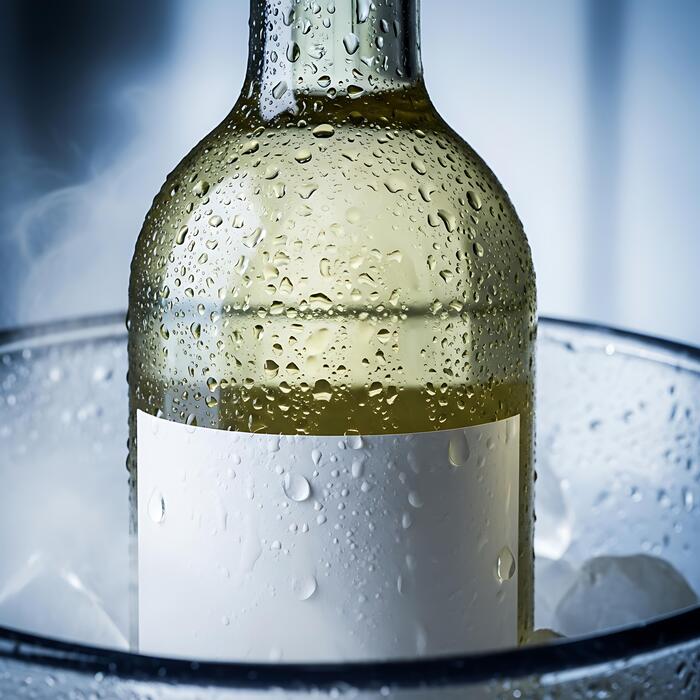
For most wines, the best wine fridge temperature is around 55°F (13°C), with a small range of about 50–59°F (10–15°C) for long-term storage. What matters most is not chasing a perfect single number, but keeping the temperature steady.
Frequent swings cause the liquid and air in the bottle to expand and contract, which can slowly push the cork and allow tiny amounts of oxygen in. That oxygen exposure can flatten aromas and shorten the wine’s life.
If you want the simplest solution, set your fridge to 55°F and avoid opening the door too often. For wines you plan to drink soon, a slightly higher serving-oriented setting may be fine, but for aging, stability wins.
A good wine fridge should hold the temperature with minimal fluctuation, keeping reds, whites, and sparkling wines safe from heat spikes and cold dips.
How heat damages wine quality
Heat is one of the fastest ways to ruin wine, even before you notice obvious signs. When wine is stored too warm, the aging process speeds up, which can make the wine seem tired, overly soft, or “cooked.” Fruity notes fade first, and delicate aromas turn dull or jammy.
In extreme cases, heat can expand the liquid enough to force wine past the cork, leading to leakage and oxidation. If you are choosing the wine fridge best temperature for aging, keep it cool rather than warm, ideally near 55°F (13°C). This helps preserve structure, acidity, and freshness over time.
Avoid placing a wine fridge near ovens, sunny windows, or laundry rooms where ambient heat changes often. If your collection includes bottles you want to keep for years, consistent cool storage is far more important than making wines ready to serve straight from the fridge.
How cold temperatures affect wine
Too much cold can also affect taste, but in a different way than heat. If wine is stored near freezing, the liquid can contract, making corks less secure and increasing the risk of air entering the bottle once temperatures rise again.
Very cold storage may also mute aromas, making wines taste tight, lean, or less expressive when opened. In rare cases, if wine actually freezes, it can expand and damage the bottle or push out the cork.
For that reason, the best wine fridge temperature is not the coldest setting; it is a stable, moderate cool range. Use about 55°F (13°C) for general storage, then chill individual bottles to a lower serving temperature only when needed.
Reds usually taste best a bit cooler than room temperature, while whites and sparkling wines can be briefly chilled before serving. That approach protects aging while still giving you the right drinking temperature.
Set Your Wine Fridge for Different Wine Types
Ideal settings for red wine
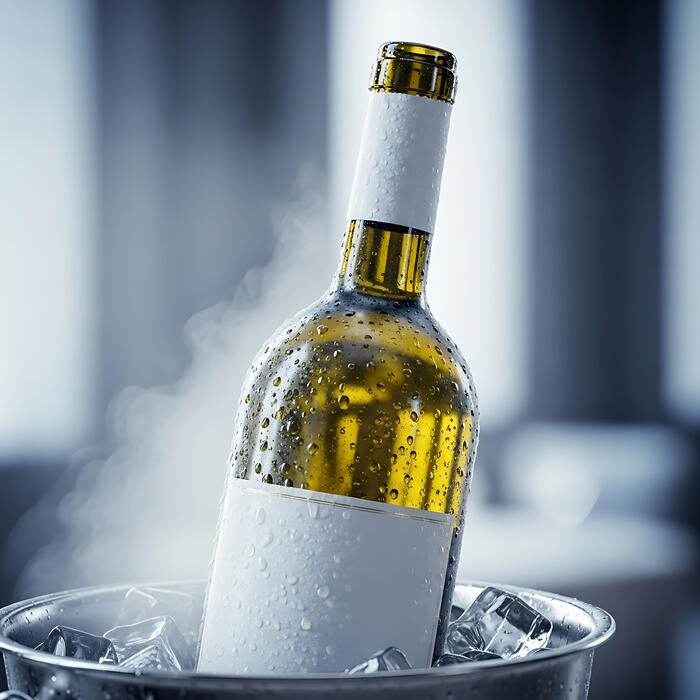
For red wine, the best temperature range is usually 55–65°F (13–18°C), with 60–65°F working well for fuller-bodied reds and 55–60°F better for lighter styles. If your fridge has one zone, aim for about 55°F and let the bottle warm slightly in the glass if needed.
This helps preserve aroma, soften harsh tannins, and keep alcohol from tasting overly hot. Avoid storing red wine too cold, because chilling mutes flavor and makes tannins feel tighter. Avoid going much above 65°F for long periods, since heat can speed up aging and flatten the wine.
If you serve red wine often, keep a small difference between storage and serving: store at the lower end and remove the bottle 20–30 minutes before pouring. For a wine fridge best temperature setup, consistency matters as much as the number—stable temperature is better than frequent changes.
Ideal settings for white and rosé wine
For white and rosé wine, the ideal wine fridge temperature is generally 45–55°F (7–13°C). Lighter, crisper whites like Sauvignon Blanc, Pinot Grigio, and dry rosé usually taste best around 45–50°F, while richer whites such as Chardonnay are often better at 50–55°F.
This range keeps acidity bright, protects delicate aromas, and prevents the wine from feeling flat. If your fridge is too cold, the wine may taste closed and overly sharp; if it is too warm, the fruit can seem soft and less refreshing.
A practical approach is to set the fridge to around 48–50°F for everyday white and rosé storage. Then, if needed, let fuller whites warm slightly before serving.
When checking the wine fridge best temperature, remember that glass doors, frequent opening, and warm room conditions can affect performance, so use an internal thermometer if possible.
Ideal settings for champagne and sparkling wine
For champagne and sparkling wine, the best storage temperature is typically 40–50°F (4–10°C), with 45°F being a strong all-purpose setting. Cooler temperatures help preserve bubbles, freshness, and fine mousse without overcooling the wine.
If sparkling wine is too cold, the flavors can become muted and the aromas harder to notice; if it is too warm, carbonation can seem aggressive and the wine may feel loose. For long-term storage, keep bottles consistently cool rather than moving them in and out of the fridge often.
For serving, you can chill slightly lower than storage, but avoid freezing or placing bottles in very cold zones for extended periods. If your wine fridge has multiple zones, use the cooler zone for sparkling wine and the slightly warmer zone for still whites.
When deciding on the wine fridge best temperature, steady cooling and minimal vibration are especially important for preserving the freshness of champagne and sparkling styles.
How to Choose a Single-Zone or Dual-Zone Wine Fridge
When a single-zone fridge works best
A single-zone wine fridge is the simplest choice when you mostly store one wine style at the same serving temperature. If your goal is the wine fridge best temperature for either all reds or all whites, a single zone keeps things consistent and easy to manage.
It works especially well if you drink bottles regularly and want one reliable setting rather than multiple compartments to balance. For long-term storage, aim for about 55°F (13°C), which is widely considered a stable cellar temperature for both red and white wine.
If you mainly chill whites or sparkling wines for immediate serving, you may prefer a cooler setting around 45–50°F (7–10°C). A single-zone model is also usually more affordable, easier to use, and better for smaller spaces.
Choose this option if your collection is uniform and you want one temperature, one purpose, and less guesswork.
When a dual-zone fridge is the better choice
A dual-zone wine fridge is the better option if you keep both reds and whites and want each at its ideal serving range. This is the most practical answer for people asking about the wine fridge best temperature because different wines taste best at different temperatures.
In a dual-zone unit, one compartment can sit around 55–65°F (13–18°C) for reds, while the other can be set closer to 45–50°F (7–10°C) for whites and sparkling wines. That flexibility helps preserve flavor and makes bottles ready to pour without extra chilling or warming.
A dual-zone fridge is especially useful for mixed collections, frequent entertaining, or households with varied preferences. It is also a smart choice if you buy wine for both aging and short-term drinking. If you want maximum versatility and precise temperature control, dual-zone is usually worth the extra cost and space.
Which option suits mixed wine collections
If your collection includes reds, whites, rosés, and sparkling wine, the best choice depends on how you use your bottles. For collectors who mostly store wine for aging, a single-zone fridge set near 55°F (13°C) is often the safest all-around setting, because it is close to the ideal cellar temperature.
If you frequently open different styles throughout the week, a dual-zone fridge gives you more convenience and better serving results. Think about your buying habits: if most bottles are meant to be enjoyed soon, temperature flexibility matters more; if storage and consistency matter more, simplicity wins.
To decide, ask which matters most: one steady temperature or two tailored zones. For a mixed collection, dual-zone is usually the best fit, but a single-zone fridge can still work if you prioritize aging and keep the temperature stable.
The right choice is the one that matches your wine types, drinking habits, and storage goals.
How to Use a Wine Fridge the Right Way

Best shelf placement for different wines
The best wine fridge temperature is only part of the equation; shelf placement matters too. Store red wines on the middle or lower shelves if your fridge has temperature variation, since those spots are usually more stable and slightly less exposed to warm air when the door opens.
Keep white wines, rosé, and sparkling wines on shelves closest to the colder zone if your fridge allows zones or uneven cooling. For long-term storage, aim for a steady 55°F (13°C) overall, but for serving, reds do well around 60–65°F and whites around 45–50°F.
Avoid putting bottles directly against the cooling plate, fan, or back wall if they can freeze. Lay corked bottles horizontally so the cork stays moist, and leave enough space for air circulation.
If your fridge has a top and bottom difference, use the more stable middle shelves for your most valuable bottles.
How often to open the fridge
To keep your wine fridge at the best temperature, open it as infrequently and briefly as possible. Every door opening lets warm air in and causes temperature swings that can affect flavor, especially for delicate whites, sparkling wines, and older reds.
Try to plan ahead before opening the fridge: know which bottle you want, remove it quickly, and close the door right away. If you use the fridge for daily serving, consider grouping bottles by style so you can grab the right one faster.
A fridge set to 55°F can recover well, but repeated opening may still push internal temperatures up for several minutes. That’s why it helps to avoid storing the fridge in a hot room or near direct sunlight.
If your model has a glass door, make sure the seal is tight and keep the exterior clean so the unit doesn’t work harder than necessary.
How long wine should stay at serving temperature
Wine should stay at its serving temperature only as long as needed for pouring and drinking. Once a bottle is chilled to the right range, it can usually remain there for several hours without issue, but it’s best not to treat serving temperature as long-term storage for every wine.
For white, rosé, and sparkling wines, keep them cold in the fridge until you’re ready to serve, then return leftovers promptly to prevent warming and oxidation.
For reds, pull the bottle from the fridge about 15–30 minutes before serving if it has been stored cool, so it can open up a little in the glass.
If a wine is already at the ideal serving point, don’t leave it out for more than the duration of the meal. Unfinished wine should be recorked and returned to the fridge within 1–2 hours.
The goal is to enjoy wine at the right temperature without exposing it to repeated swings.
Common Wine Fridge Temperature Mistakes to Avoid
Setting the temperature too low
A common mistake is assuming colder is always better. For most wines, the wine fridge best temperature depends on whether you are storing or serving, but setting the unit too low can dry out corks, mute aromas, and slow proper aging.
For long-term storage, aim for a steady 55°F (13°C), or keep reds and whites in their ideal ranges if you rotate bottles often. Avoid dropping the temperature below the low 40s unless you are chilling a bottle for immediate service.
The best fix is to use the fridge’s digital display and verify it with a separate thermometer, since some units run warmer or cooler than shown. Also, make adjustments gradually rather than making big jumps, because rapid swings can stress wine.
A consistent, moderate temperature is far more important than chasing the coldest setting possible.
Storing wine in a hot room
Even a well-set wine fridge can struggle if it is placed in a hot, poorly ventilated room. When the surrounding temperature rises, the compressor works harder, internal temperatures fluctuate, and wines may age faster than intended. This is especially risky in kitchens, garages, or near ovens, windows, and direct sunlight.
To avoid this, position the fridge in a cool, shaded area with enough clearance around the vents so heat can escape. If the room gets very warm in summer, check the fridge more often and confirm it maintains a stable internal temperature.
You may also need a model designed for ambient temperatures above normal room conditions. Keeping the environment stable helps you preserve the wine fridge best temperature without overworking the appliance.
In short, the fridge setting matters, but the room around it matters just as much for protecting flavor, aroma, and aging quality.
Ignoring humidity and vibration
Temperature is only part of the equation; ignoring humidity and vibration can still damage wine. If humidity is too low, corks can shrink and let air in, even when the fridge is set to the right temperature. If it is too high, labels may peel and mold can develop.
Aim for moderate humidity, typically around 50% to 70%, to keep corks healthy. Vibration is another overlooked issue because constant movement can disturb sediment and interfere with aging, especially for older reds and unfiltered wines. To reduce this, avoid placing the fridge near washing machines, speakers, or heavy foot traffic.
Choose a model with low-vibration technology if you plan to age bottles long term. The best approach is to monitor the full storage environment, not just the thermostat.
When temperature, humidity, and vibration are all controlled, wine stays in better condition and is more likely to taste as the winemaker intended.
Wine Fridge Temperature Tips for Better Results
How to monitor and adjust the thermostat
For the best wine fridge results, aim for one stable temperature rather than frequent changes. Most wine fridges perform well between 45°F and 55°F (7°C to 13°C), with 50°F to 55°F often ideal for mixed collections and long-term storage.
Use a separate appliance thermometer to verify the built-in display, since the internal dial can be slightly off. Place the thermometer in the center of the cabinet for a more accurate reading and check it after the fridge has run undisturbed for several hours.
If your wines are mostly reds, move slightly warmer; if you store more whites and sparkling wines, go a little cooler. Make small adjustments of 1–2 degrees at a time, then wait 24 hours before changing again.
Avoid setting the fridge too cold, because that can mute aromas and dry corks. Consistency matters more than chasing the exact number every day.
How to store unopened versus opened bottles
Unopened bottles should be stored at a steady, moderate temperature to preserve flavor and slow aging. For most collections, 55°F is a reliable target, especially if the wines will stay in the fridge for weeks or months.
Keep bottles on their sides so the wine stays in contact with the cork and helps prevent drying. Opened bottles are different: they are more vulnerable to oxidation, so they should be recorked tightly or sealed with a wine stopper and stored as cool as practical without freezing.
For short-term keeping, a wine fridge set around 45°F to 50°F can help slow deterioration. If you plan to drink the bottle within a few days, store it upright to reduce surface area exposure and avoid leaks.
Separate delicate sparkling, white, and rosé bottles from heavier reds if your fridge has zoning, so each style stays near its preferred serving or storage range. This makes daily use easier and improves overall quality.
When to recalibrate or service your wine fridge
If your wines taste inconsistent or the display temperature no longer matches a trusted thermometer, it may be time to recalibrate or service the unit. Check accuracy whenever you notice fluctuating temperatures, unusual noise, excessive vibration, condensation, or warm spots inside the cabinet.
A drift of more than a few degrees can affect aging and should not be ignored. Start by cleaning the condenser coils, confirming the door seals tightly, and making sure the fridge is not overpacked, since blocked airflow can create uneven cooling.
If the temperature still swings, consult the manual to see whether your model allows thermostat calibration. For older units, repeated compressor cycling or poor cooling may signal a worn fan, sensor, or refrigerant issue, which may require professional service.
Recheck calibration seasonally or after moving the fridge, because ambient room temperature can change performance. Routine maintenance keeps the appliance efficient and helps maintain the best wine fridge temperature with less guesswork.
Frequently Asked Questions
What is the best temperature for a wine fridge?
For most wine fridges, the best general temperature is around 55°F (13°C). This is close to ideal cellar conditions and works well for storing both red and white wines short- to medium-term.
What temperature should red wine be stored at in a wine fridge?
Red wine is typically stored best between 55°F and 65°F (13°C to 18°C), depending on the style. If you want one temperature for mixed storage, 55°F is a safe default.
What temperature should white wine be kept at in a wine fridge?
White wine is generally best stored a little cooler, around 45°F to 50°F (7°C to 10°C). If you are storing both red and white wines in one fridge, compromise at about 55°F for long-term storage.
Can I set my wine fridge to serving temperature instead of storage temperature?
Yes, but serving temperature is different from storage temperature. Whites are often served colder, and reds are usually served slightly cooler than room temperature, so many people use a wine fridge for storage and then chill or warm bottles as needed before serving.
Is 50°F a good temperature for a wine fridge?
Yes, 50°F (10°C) can be a good setting if you mostly drink white wine or want bottles ready to chill quickly. For long-term mixed wine storage, though, 55°F is usually considered more ideal.
Does the best wine fridge temperature change with wine type?
Yes, the ideal temperature can vary by wine type. Sparkling wines are often stored a bit cooler, reds a bit warmer, and whites in the middle, but 55°F is the most common all-purpose wine fridge temperature for storage.
Conclusion
Finding the best temperature for your wine fridge is essential for preserving flavor, aroma, and long-term quality. In general, 45°F to 65°F works well, with 55°F often considered ideal for most wines. Keep reds, whites, and sparkling wines at their recommended ranges, and avoid frequent temperature changes. By setting your wine fridge correctly and storing bottles properly, you can enjoy every pour at its best and protect your collection with confidence.