How To Clean A Cast Iron Skillet Rust
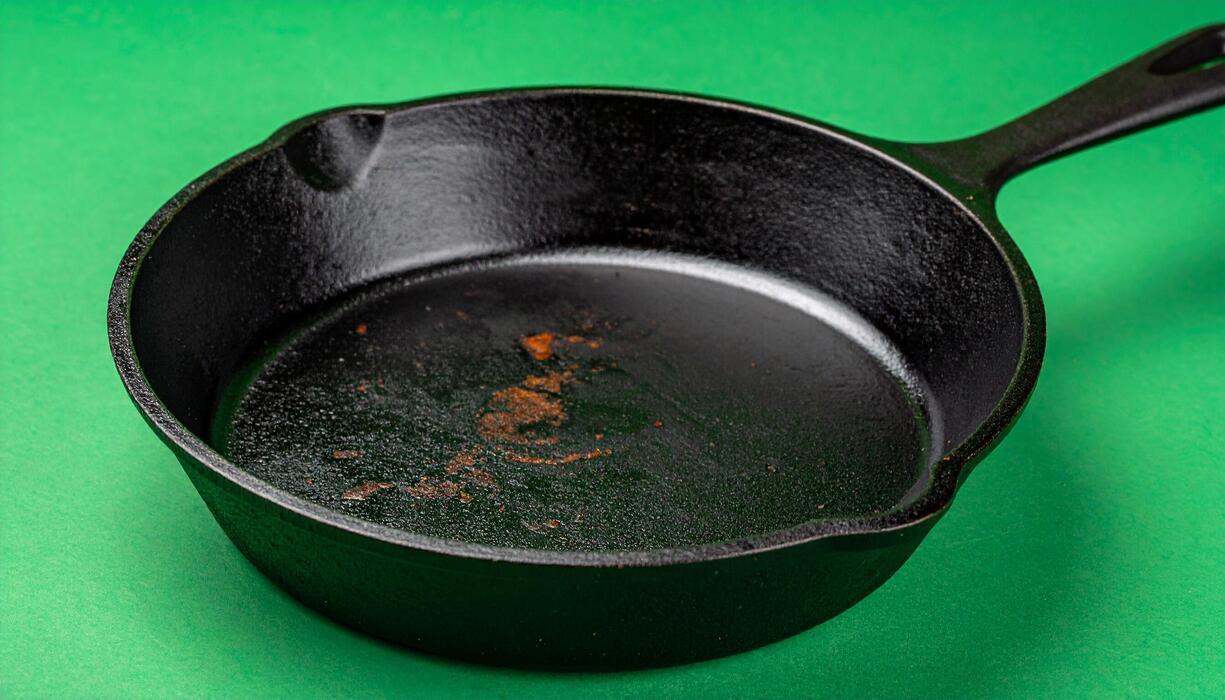
If you’re looking for how to clean a cast iron skillet rust, you’re dealing with one of the most common cast iron problems. The good news: rust usually means the seasoning has been damaged, not that the pan is ruined. In this guide, you’ll learn the safest way to remove rust, restore the surface, and reseason the skillet so it cooks like new.
How to Clean a Cast Iron Skillet Rust
Why rust forms on cast iron
Rust appears when moisture stays on the bare iron surface long enough for oxidation to begin. This often happens after washing, soaking, or storing a skillet in a humid place. It can also show up if the seasoning layer is too thin, scratched, or burned off, leaving the metal exposed.
The good news is that light to moderate rust is usually fixable. Start by removing any loose flakes with a non-metal scrub pad, steel wool, or a stiff brush and warm water.
Then dry the pan completely with a towel and heat it briefly on the stove to drive off hidden moisture. After that, apply a very thin coat of oil to protect the surface.
If you catch rust early, you can often restore the skillet without harsh chemicals, and regular seasoning plus proper drying will help prevent it from coming back.
What you need before you start
Before cleaning rust from a cast iron skillet, gather a few simple supplies so the process stays quick and controlled. You will need warm water, dish soap, a scrub pad or steel wool, paper towels or a lint-free cloth, cooking oil, and an oven or stovetop for drying and reseasoning.
For stubborn rust, have coarse salt or baking soda on hand to help lift corrosion without damaging the pan. Avoid soaking the skillet for long periods, and do not use harsh abrasives unless rust is heavy.
If the pan has a wooden or plastic handle, keep the cleaning tools focused on the iron surface and wipe the handle separately. Once the rust is removed, you will need oil to rebuild protection, so choose a neutral cooking oil with a high smoke point.
Working with the right supplies makes it easier to clean thoroughly, dry completely, and prevent the skillet from rusting again.
When a skillet can be saved
Most cast iron skillets with surface rust can be saved, even if they look rough at first. If the rust is orange or brown and only affects the outside or cooking surface, cleaning, drying, and reseasoning usually restore the pan.
A skillet may still be usable if it has pitting, dark discoloration, or a dull surface, as long as the metal is still solid and there are no cracks. After scrubbing away rust, rinse, dry immediately, and heat the skillet until every trace of moisture is gone.
Then rub on a thin layer of oil and bake or heat it to rebuild seasoning. The pan may need several rounds if the rust was heavy. Replacement is only worth considering if the skillet is cracked, warped beyond use, or badly rotted through.
In most cases, patience and repeated care can bring a rusty cast iron skillet back to a reliable, nonstick cooking tool.
How to Remove Light Rust from Cast Iron
Scrub with coarse salt and oil
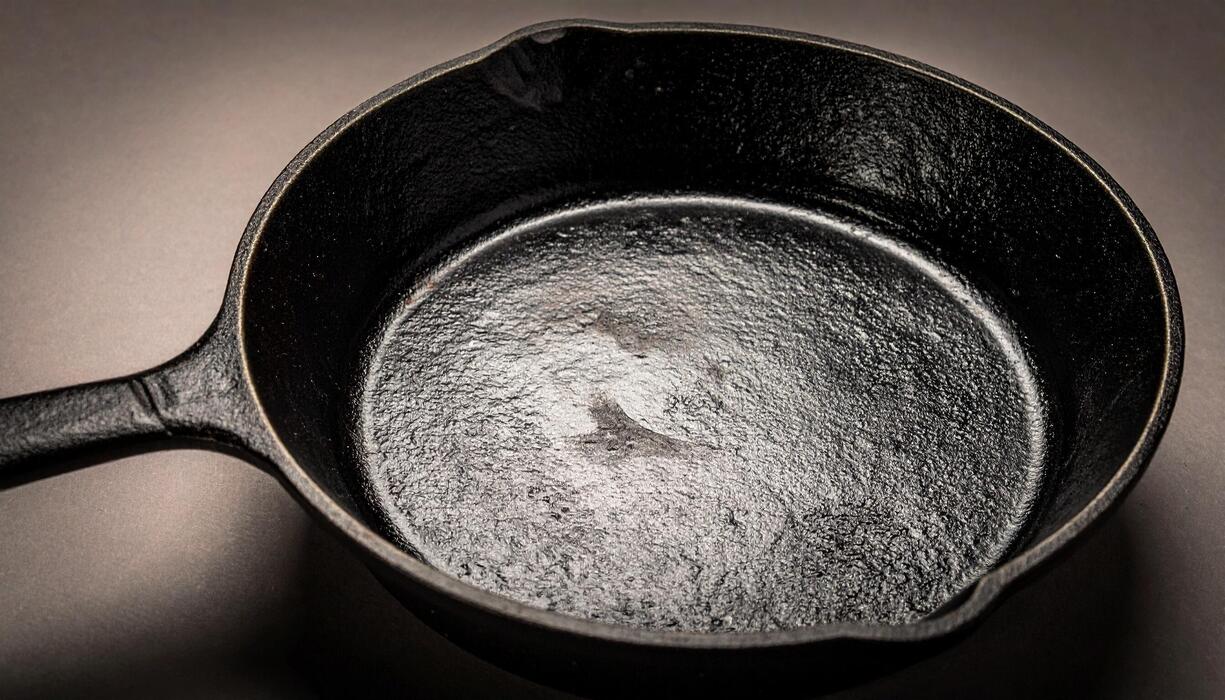
For light rust, start with a simple abrasive paste made from coarse kosher salt and a little cooking oil. Pour a spoonful of salt into the skillet, add a small amount of oil, and rub it over the rusty areas with a folded paper towel or cloth.
The salt acts like a gentle scrubber, while the oil helps loosen surface rust without stripping the iron too aggressively. Focus on the orange spots first, then work in small circles over the whole cooking surface if needed.
Do not use soap at this stage unless the skillet is extremely greasy, because you want to preserve the seasoning layer as much as possible. Once the rust lifts, wipe away the gritty residue with clean towels and inspect the pan.
If a few stubborn patches remain, repeat the process rather than scrubbing harder, which can damage the finish and create more cleanup later.
Use a non-scratch pad or brush
If the rust does not come off with salt and oil alone, switch to a non-scratch pad, nylon brush, or cast-iron-safe scrubber. Light rust usually sits on the surface, so you only need enough abrasion to remove the orange discoloration, not enough to gouge the metal.
Work the pad over the affected spots using firm but controlled pressure, and keep the motion moving to avoid concentrating too much force in one place. A little warm water can help loosen debris, but avoid soaking the skillet.
For corners, the rim, and around the handle, a brush can reach areas a pad may miss. Check your progress often and stop once the metal looks dark gray or black again. If the skillet still feels rough, continue gently until it smooths out.
The goal is to remove rust without removing healthy seasoning, so patience matters more than speed.
Rinse and dry the skillet fast
After the rust is removed, rinse the skillet quickly under warm water to wash away salt, loosened rust, and oil residue. Do not let it sit wet in the sink, because cast iron can begin rusting again in minutes.
Immediately dry it with a clean towel, then place it on a burner over low heat for a few minutes to evaporate any remaining moisture from the pores and edges.
This step is important even if the pan looks dry, since hidden water can cling around the handle, underside, or lip. Once fully dry, apply a thin coat of oil to the cooking surface and wipe off any excess so the skillet feels barely slick, not greasy.
If the rust was noticeable, consider heating the oiled pan a bit longer to help restore protection. This fast dry-and-oil routine helps prevent new rust and prepares the skillet for regular use.
Best Ways to Remove Heavy Rust from a Cast Iron Skillet

Soak briefly in vinegar and water
For a skillet with heavy rust, start with a short vinegar soak to loosen the corrosion without damaging the iron.
Mix equal parts white vinegar and water in a container large enough to hold only the rusty areas, then submerge the skillet for no more than 1 hour at a time. Check it often, because vinegar can begin to etch the metal if left too long.
When the rust softens, scrub gently with a non-metal brush or sponge, then rinse thoroughly with warm water. Dry the pan immediately with a towel and place it on low heat for a few minutes to remove hidden moisture.
This step answers how to clean a cast iron skillet rust by breaking down the worst buildup first, making the next round of scrubbing much easier. If rust remains, repeat with another short soak instead of extending the soak time.
Use steel wool for thick rust spots
After the soak, use fine or medium steel wool to remove the remaining thick rust spots. Scrub in firm, circular motions and focus on the orange or flaky areas until the surface feels smoother.
For a badly rusted skillet, this mechanical cleaning is often the fastest way to get down to clean metal. Keep the pan slightly damp with water or a little oil if needed, but avoid letting it sit wet.
If the rust is deep, add a small amount of dish soap to help lift debris, then rinse well afterward. Once the visible rust is gone, wipe the skillet completely dry and inspect it under bright light. You should see dark iron again, not orange powder or rough patches.
This is an important step when learning how to clean a cast iron skillet rust because soaking alone usually will not remove heavy buildup.
Repeat until the metal looks clean
Heavy rust often needs multiple cleaning rounds, so don’t expect one attempt to fix everything. Repeat the pattern of a brief vinegar soak, scrubbing, rinsing, and drying until the skillet looks like bare, clean metal with only faint discoloration left.
Between rounds, use a paper towel to check for stubborn spots and give those areas extra attention. Once the rust is removed, re-season the skillet right away by coating it with a very thin layer of oil and baking it upside down in the oven.
This protects the iron from flash rust and restores the nonstick surface. If you see new orange specks after drying, that means moisture is still present or the pan needs another pass.
When figuring out how to clean a cast iron skillet rust, the key is patience: clean thoroughly, dry completely, and season promptly to keep the rust from coming back.
How to Re-Season a Cast Iron Skillet After Rust Removal
Apply a thin layer of cooking oil
After removing rust, the first step in re-seasoning is to coat the skillet with a very thin layer of oil. Use a neutral, high-smoke-point oil such as canola, vegetable, grapeseed, or flaxseed oil.
Pour a small amount onto the pan, then spread it over the entire surface, including the outside, handle, and rim.
The goal is not to leave the pan greasy; instead, wipe off as much oil as possible with a clean lint-free cloth or paper towel until the skillet looks nearly dry. A heavy layer can turn sticky during baking and create a soft finish rather than a hard seasoning.
Make sure the skillet is completely dry and free of moisture before oiling, especially after rust removal and washing. If any rust spots remain, remove them first, because seasoning works best on clean metal.
Bake the skillet upside down
Once the skillet is lightly oiled, place it in a preheated oven at 450–500°F to build the seasoning layer. Set the skillet upside down on the oven rack or on a middle rack with a sheet of foil or a baking tray on the lower rack to catch any drips.
Baking it upside down helps prevent excess oil from pooling inside the pan, which can cause a sticky or uneven finish. Leave it in the oven for about one hour, giving the oil time to bond with the cast iron and form a protective coating.
This heat treatment is the key step that turns a thin film of oil into a durable seasoning layer. For safety, handle the pan carefully when placing it in and removing it from the oven, since the handle and walls will be very hot.
Cool and repeat for a stronger coating
After baking, turn off the oven and let the skillet cool inside the oven until it is safe to handle. This gradual cooling helps the seasoning harden more evenly.
Once cool, inspect the surface: it should look slightly darker and smoother, but a single round may not be enough after rust removal. For the best protection, repeat the oiling and baking process 2–4 times. Each layer strengthens the finish, improves nonstick performance, and helps guard against future rust.
Between rounds, always apply only a very thin coat of oil and wipe away any excess. When the skillet is fully seasoned, store it in a dry place, and after each use, clean it gently, dry it thoroughly, and apply a light wipe of oil if needed.
Consistent care will keep the cast iron protected and ready for cooking.
How to Clean a Rusty Cast Iron Skillet Without Damaging It
Avoid harsh soap mistakes
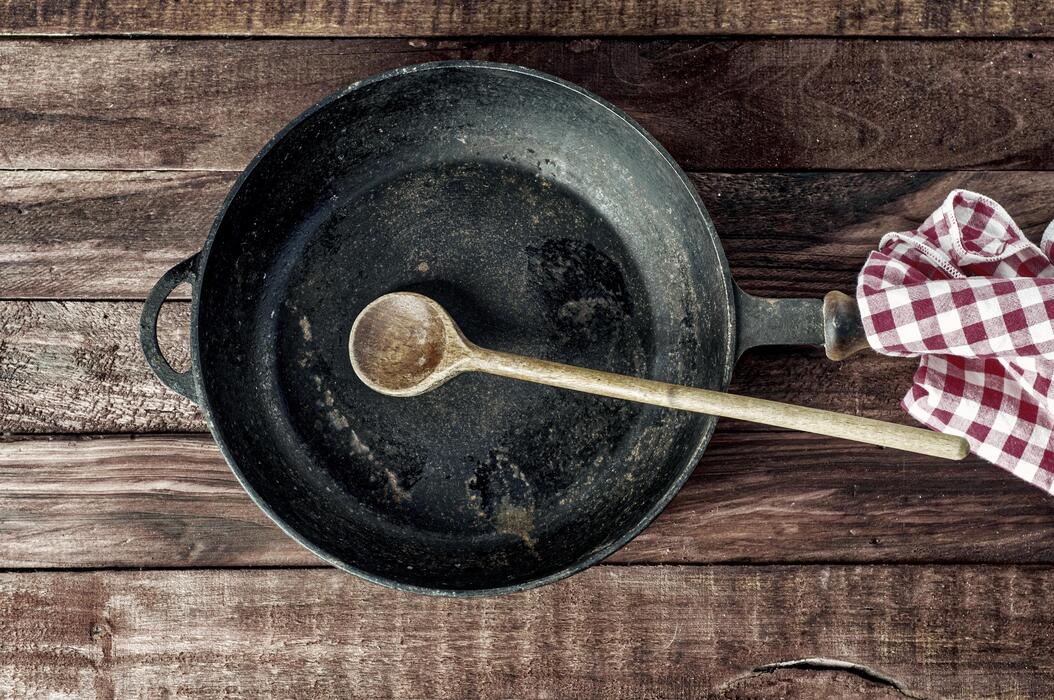
When removing rust from cast iron, don’t reach for aggressive degreasers or heavy detergent use first. A small amount of mild dish soap is usually fine, especially when you are dealing with old rust and grime, but harsh cleaning products can strip seasoning and leave the pan more vulnerable.
Start by scrubbing the rusty spots with a non-metal brush, a scrub pad, or coarse salt and a little water. If the rust is stubborn, make a paste with baking soda and water and work it gently over the surface.
For heavier rust, a short scrub with fine steel wool can help, but stop once the orange rust is gone instead of grinding deep into the iron. Rinse quickly, dry immediately, and remember that cleaning rust is only half the job.
The skillet must be re-seasoned after rust removal so the surface becomes protected again and less likely to corrode.
Skip long water soaks
If you want to clean a cast iron skillet rust problem safely, avoid soaking the pan in water for long periods. Cast iron is porous, and extended exposure to water can make existing rust worse or create new rust in places that looked fine before.
Instead of filling the sink and letting the skillet sit, use a short, targeted cleaning approach. Wet the rusty area briefly, then scrub with a sponge, nylon brush, chain-mail scrubber, or fine steel wool depending on how severe the rust is.
For stubborn spots, apply a little baking soda paste or a mix of coarse salt and a few drops of water, then scrub in small circles.
If the rust is widespread, you can use a quick vinegar-and-water treatment, but keep it brief and monitor it closely because too much acid can damage the iron. Once the rust lifts, rinse fast and move straight to drying and re-seasoning.
Never leave the skillet wet
After you remove rust, drying the skillet completely is one of the most important steps. Even a thin film of moisture can bring rust back quickly, sometimes within hours.
As soon as you rinse the pan, wipe it thoroughly with a clean towel, then place it on the stove over low heat for a few minutes to evaporate hidden moisture from the surface and handle area.
This step is especially helpful because cast iron can hold water in tiny pores you cannot see. Once the skillet is fully dry, rub on a very thin layer of cooking oil, buff away the excess, and heat it so the oil begins rebuilding the protective seasoning.
If the rust was severe, repeat the oil-and-heat process in the oven for a fuller re-seasoning. Going forward, store the skillet in a dry place and never air-dry it on the counter if you want to prevent rust from returning.
Tips to Prevent Rust on Cast Iron Cookware
Dry immediately after washing
After you remove rust from a cast iron skillet, drying it right away is one of the best ways to keep the problem from coming back. Cast iron starts to oxidize quickly when moisture sits on the surface, especially around the sides, handle, and pour spouts.
After washing, wipe the skillet thoroughly with a clean towel, then place it on the stove over low heat for a few minutes to evaporate any hidden water. This extra step matters because tiny droplets left behind can create new rust spots even if the pan looks dry.
If you have just scrubbed away rust with steel wool or coarse salt, be even more careful, since the bare metal is more vulnerable until it is re-oiled and seasoned. Make a habit of never air-drying cast iron in the sink rack.
Quick, complete drying helps protect the surface, preserves seasoning, and reduces the chances that you will need to deep-clean rust again.
Store in a dry place
Proper storage makes a big difference in preventing rust after you clean a cast iron skillet. Even a well-seasoned pan can develop rust if it is kept in a humid cabinet, damp basement, or stacked while moisture is trapped inside.
Choose a cool, dry spot with good airflow, and make sure the skillet is fully dry before putting it away. If you stack cast iron with other pans, place a paper towel or cloth between them to absorb leftover moisture and prevent scratches to the seasoning.
Avoid storing the skillet with the lid sealed tightly on top, since that can trap condensation. In kitchens with high humidity, it helps to leave the pan in an open shelf area rather than a closed cabinet near the dishwasher or sink.
The goal is simple: keep moisture away from bare iron. Dry storage supports the seasoning layer, prevents repeat rust, and makes routine maintenance much easier over time.
Rub in a light oil layer after use
Once your skillet is clean and completely dry, finish with a very light coat of oil to create a barrier against moisture. This is especially important after removing rust, because freshly exposed iron can rust again quickly if left unprotected.
Add a small amount of neutral oil or a seasoning-friendly option like canola, grapeseed, or flaxseed oil, then rub it over the entire pan, including the cooking surface, sides, bottom, and handle.
After that, wipe away the excess with a clean cloth or paper towel so the skillet looks almost dry rather than greasy. A thin layer works better than a thick one, which can turn sticky in storage.
If you want extra protection, warm the pan briefly on low heat after oiling so the coating bonds more evenly. This simple routine helps maintain seasoning, block humidity, and reduce future rust spots, keeping your cast iron skillet ready for cooking instead of repeated restoration.
When to Replace a Rusty Cast Iron Skillet
Signs the pan has deep pitting
Surface rust is usually fixable, so if you are wondering how to clean a cast iron skillet rust, start by scrubbing with steel wool, rinsing, drying completely, and reseasoning. However, replacement becomes more reasonable when rust has eaten into the metal and left deep pitting instead of light orange discoloration.
Run your fingers carefully across the cooking surface; if it feels rough, cratered, or uneven after aggressive cleaning, those pits can trap moisture, encourage new rust, and make seasoning hard to maintain. Food may stick more often because the surface can no longer build a smooth, durable layer of oil.
Look closely for dark pockets that remain even after sanding or scouring, since these often indicate corrosion below the surface. If the skillet keeps rusting again soon after proper drying and seasoning, the metal may be too compromised for dependable everyday use, especially if the cooking area is heavily affected.
When cracks or warping appear
A rusty skillet is often recoverable, but cracks and warping are stronger signs that replacement is the safer choice. If you are trying to figure out how to clean a cast iron skillet rust, remove the rust first so you can inspect the pan clearly under bright light.
Hairline cracks may show near the handle, sidewalls, or base, and they can worsen with repeated heating and cooling. A cracked skillet can fail unexpectedly on the stove or in the oven, making it unreliable and potentially unsafe. Warping is another problem that cleaning cannot fix.
Set the skillet on a flat surface and see if it rocks or spins; if it does, heat distribution will be uneven and the pan may not sit properly on a burner. That can lead to hot spots, poor searing, and frustrating cooking results.
Once structural damage appears, restoration stops being a cleaning issue and becomes a performance and safety issue.
When restoration is no longer worth it
Sometimes the pan can technically be saved, but the time, effort, and results no longer make sense. If you are researching how to clean a cast iron skillet rust, remember that successful restoration usually means removing rust thoroughly, drying the pan immediately, and applying several rounds of seasoning.
That process is worthwhile for quality vintage skillets or a favorite pan with sentimental value. But if your skillet has widespread rust inside and out, repeated seasoning failures, rough texture, and poor cooking performance, replacement may be the more practical solution.
Consider the cost of supplies, the hours of scrubbing, and whether the pan still heats evenly afterward. If rust returns quickly despite proper care, the seasoning will become a constant battle rather than routine maintenance. Also weigh whether a newer skillet would perform better with less frustration.
Replace the pan when restoration keeps consuming time without giving you a smooth, reliable, well-seasoned cooking surface.
Frequently Asked Questions
How do I remove rust from a cast iron skillet?
Scrub the rusted areas with steel wool or a stiff scrub brush using warm water and a small amount of mild dish soap if needed. Once the rust is gone, dry the skillet completely and reseason it right away to protect the surface.
Can I use soap when cleaning rust off cast iron?
Yes, a little mild dish soap is fine when you are removing rust, especially if the pan needs a deeper cleaning. The key is to dry the skillet thoroughly afterward and apply a fresh layer of seasoning.
What is the best way to dry a cast iron skillet after rust removal?
Wipe it dry with a clean towel, then place it on the stove over low heat for a few minutes to evaporate any remaining moisture. Cast iron rusts quickly if left damp, so complete drying is very important.
How do I reseason a cast iron skillet after cleaning off rust?
Rub a very thin layer of cooking oil over the entire skillet, including the outside, then wipe off any excess so it looks almost dry. Bake it upside down in the oven at about 450°F for 1 hour, then let it cool in the oven.
Can heavy rust be removed from a cast iron skillet?
Yes, even heavy rust can often be removed with repeated scrubbing, a baking soda paste, or a vinegar-water soak for short periods. Avoid soaking too long in vinegar because it can start to damage the iron once the rust is gone.
How long should I soak a rusty cast iron skillet in vinegar?
If you use vinegar, soak the skillet in a 50/50 vinegar and water solution for no more than 30 minutes at a time, checking it often. Remove it as soon as the rust loosens, then scrub, rinse, dry, and reseason immediately.
How can I prevent rust from coming back on my cast iron skillet?
Always dry the skillet fully after washing and apply a light coat of oil before storing it. Store it in a dry place and avoid leaving water, wet food, or moisture sitting in the pan for long periods.
Conclusion
Cleaning rust from a cast iron skillet is simple when you act quickly: scrub away the rust, dry the pan completely, and restore its seasoning with a thin coat of oil and heat. Regular care, proper drying, and light re-seasoning help prevent future rust and keep your skillet in great shape. With a little attention, your cast iron can last for years and continue delivering reliable, delicious results in the kitchen.