How To Clean A Rusty Iron Pan
If you’re searching for how to clean a rusty iron pan, the fix is simpler than you might think. In this guide, you’ll learn the safest way to remove rust without harming the iron, then protect the pan so it stays smooth, nonstick, and ready to cook again.
What Causes Rust on an Iron Pan?
Why cast iron rusts after washing
Cast iron rusts when water stays on the surface long enough for oxygen to react with the iron. This usually happens after washing if the pan is left to air-dry, put away while still damp, or scrubbed with soap and not fully dried.
A pan can also rust faster if its seasoning layer is thin, damaged, or uneven, because that protective oil coating is what helps block moisture.
Even a clean-looking pan can rust if it is stored in a humid kitchen, stacked with wet cookware, or left with droplets in the handle, rim, or textured cooking surface.
To prevent this, dry the pan immediately, then warm it on the stove for a minute or two to evaporate hidden moisture. Finish with a very light coat of oil so the surface stays protected.
If rust has already formed, the good news is that light rust is usually just surface damage and can often be removed before it spreads.
Signs your pan has surface rust
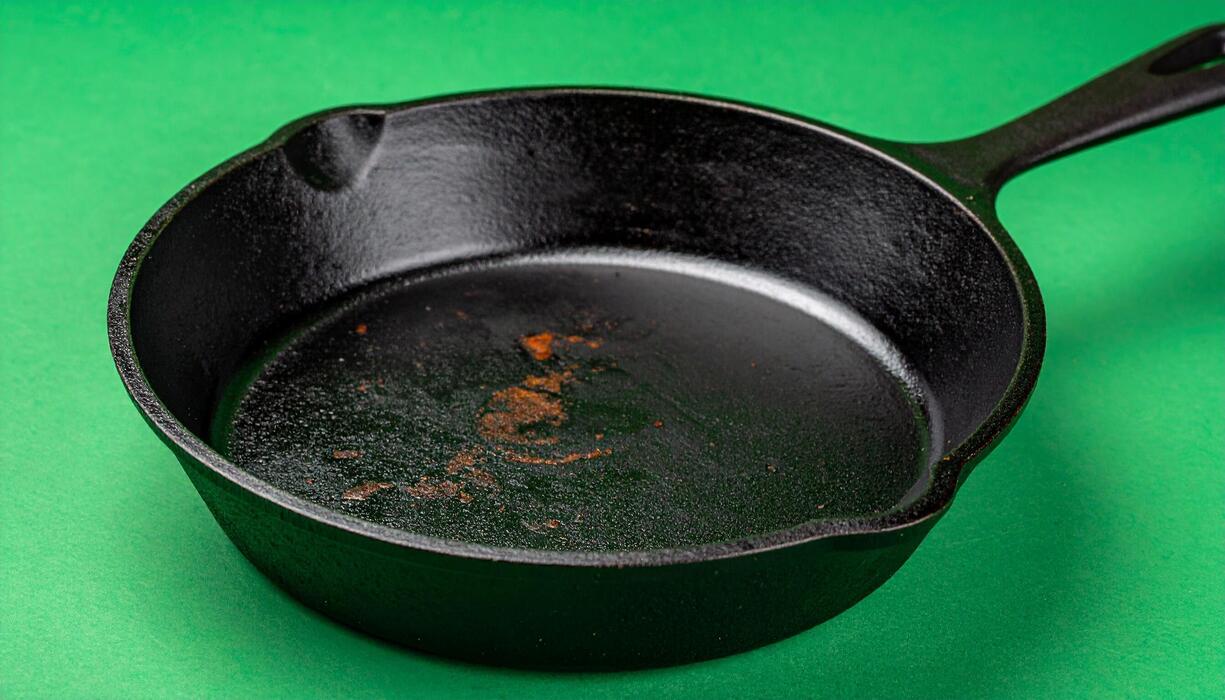
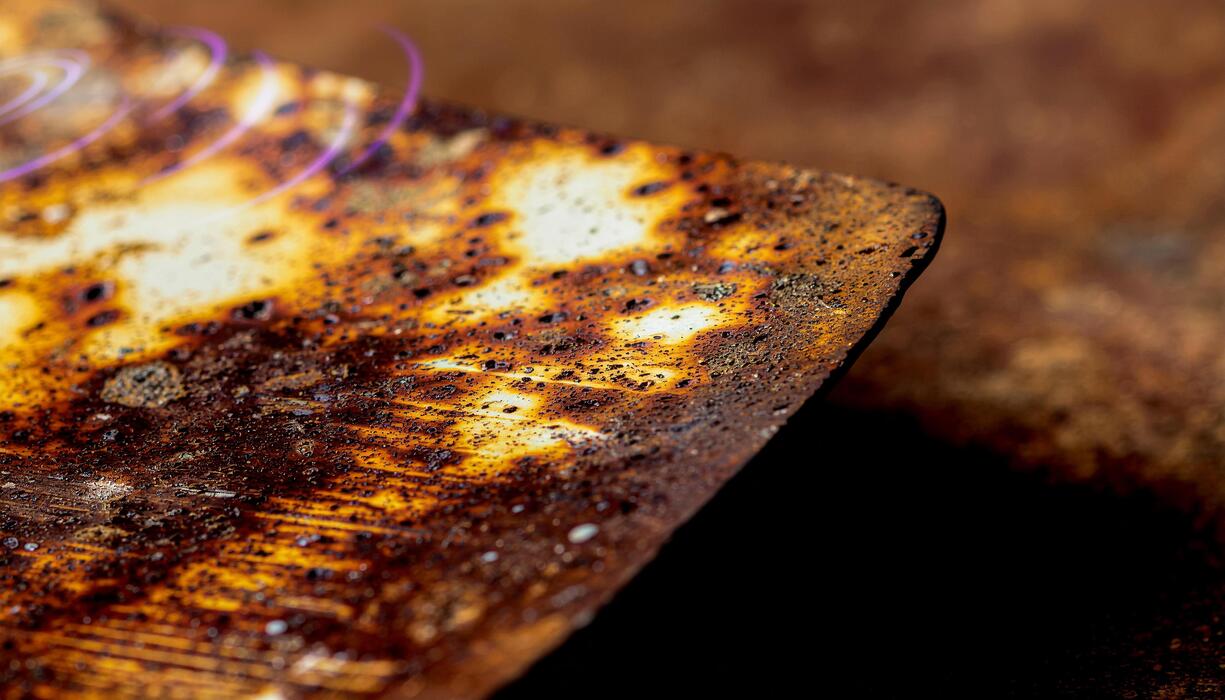
Surface rust usually looks like orange, red, or brown patches on the cooking surface, rim, handle, or underside. It may feel slightly rough, gritty, or dusty instead of smooth and slick.
In mild cases, the rust appears as small freckles or a thin film, especially in spots where water sat after washing. You might also notice that food starts sticking more than usual, which can mean the seasoning has worn down and exposed bare iron.
Another clue is a chalky residue that comes off on a paper towel when you wipe the pan. This kind of rust is often manageable if it has not eaten into the metal deeply.
Before cleaning, check whether the rust is only on the surface or whether the pan has pitting, flaking, or cracks. If it is just surface rust, you can usually restore it with gentle scrubbing, thorough drying, and re-seasoning. Catching it early makes the cleanup much easier.
When rust means the pan still can be saved
Most rusty cast iron pans can still be saved if the rust is light, evenly spread, or limited to the surface. If the metal is still solid and there are no large holes, deep pits, or structural cracks, cleaning and re-seasoning usually bring it back.
Even a pan that looks badly orange can often be restored with scrubbing, rinsing, drying, and a new layer of oil. The key is to act before the rust turns into deep pitting, because shallow surface rust is much easier to remove than corrosion that has eaten into the iron.
If the pan is salvageable, start by removing loose rust with a stiff brush, salt, or a non-metal scrub pad, then dry it completely and re-season it in the oven or on the stovetop.
If rust returns quickly, the issue is usually incomplete drying or weak seasoning, not a ruined pan. In other words, most rusty iron pans are repairable, not replaceable.
How to Clean a Rusty Iron Pan Safely

Gather the right cleaning tools
Before you start, gather a few safe, non-abrasive supplies so you can clean the pan without damaging the iron. You’ll want warm water, mild dish soap, fine steel wool or a non-scratch scrub pad, kosher salt, a dry towel, and cooking oil for re-seasoning afterward.
For heavier rust, keep white vinegar on hand, but use it carefully and only for short soaks. Avoid harsh cleaners, bleach, and metal scrapers that can gouge the surface. It also helps to have paper towels or a clean cloth for drying immediately after washing.
If the pan has a thick layer of rust, work in a well-ventilated area and wear gloves to protect your hands. The goal is to remove rust while preserving the pan’s seasoning and smooth cooking surface.
Having everything ready before you begin makes the process faster, safer, and much less likely to leave the pan exposed to new rust.
How to scrub off light rust
For light rust, start by rinsing the pan with warm water and a small amount of mild dish soap to remove grease and loose debris. Then sprinkle kosher salt over the rusted areas or use a fine scrub pad with a few drops of water.
Scrub in small circles with steady pressure until the orange-brown spots begin to lift. If needed, add a little more salt or switch to fine steel wool, but be gentle so you do not strip away more seasoning than necessary. Rinse the pan frequently to check your progress.
Once the rust is gone, dry the pan immediately and completely with a towel, then place it on low heat for a few minutes to evaporate any hidden moisture.
Finish by rubbing a thin layer of oil over the entire surface, including the handle and outer edges, to help protect against future rust and restore the pan’s seasoning.
How to remove heavy rust buildup
If the pan has heavy rust buildup, use a more intensive approach, but keep the treatment short so the iron does not stay wet for long.
Mix equal parts white vinegar and water in a basin or sink, then soak only the rusty sections, or the whole pan if needed, for no more than 30 minutes at a time.
Check often; vinegar can remove rust quickly but can also start to etch the iron if left too long. After soaking, scrub with steel wool or a stiff non-scratch pad to lift the softened rust. Repeat the soak-and-scrub process until the surface is clean.
Rinse thoroughly with water, dry immediately, and warm the pan on the stove to remove all moisture. Then apply a thin coat of oil and bake or heat it to begin re-seasoning. If the pan is deeply pitted, repeat the seasoning process several times to rebuild a strong, protective layer.
Best Ways to Remove Rust from Cast Iron
Using coarse salt and oil
For light surface rust, start with coarse kosher salt and a little cooking oil because this combo acts like a gentle scrub without stripping the pan too aggressively.
Pour in enough salt to cover the rusty areas, then add a small amount of oil and rub the surface with a folded paper towel or a scrub pad. Work in small circles and focus on the orange spots until the rust loosens.
If needed, repeat with fresh salt to keep the abrasive action effective. Once the rust is gone, wash the pan with warm water, dry it completely, and place it over low heat for a few minutes to remove hidden moisture.
Finish by applying a thin layer of oil and wiping off the excess to help protect the cast iron. This method is ideal when you want a simple, non-toxic first step for how to clean a rusty iron pan.
Using vinegar for stubborn rust
When rust is heavier or baked on, white vinegar can help break it down faster.
Mix equal parts vinegar and water in a container large enough to hold the pan, then soak only the rusty sections or the entire pan for a short period, usually 30 minutes to a few hours depending on the severity.
Check often, because vinegar is strong and can damage the iron if left too long. Once the rust loosens, scrub the surface with a non-metal brush or sponge to lift away the remaining debris.
Rinse the pan thoroughly with water to remove any acid, then dry it immediately and warm it on the stove or in the oven to prevent flash rust. After drying, rub on a very thin coat of oil.
This approach is one of the best ways to remove rust from cast iron when simple scrubbing is not enough, but careful timing is important.
When to use a baking soda paste
A baking soda paste is useful when you want a mild cleaner for spot rust or for a pan that only needs a little extra scrubbing after soaking.
Mix baking soda with just enough water to form a thick paste, then spread it over the rusted areas and let it sit for 10 to 15 minutes. The paste helps loosen debris and gives you a bit of abrasion without being as harsh as vinegar.
Scrub with a sponge, cloth, or soft brush, adding a little more paste if needed. This method works well for light rust, discoloration, or uneven patches that remain after an initial cleaning. Afterward, rinse thoroughly, dry the pan completely, and heat it briefly to drive off moisture.
Always apply a thin layer of oil afterward to restore protection. If you’re wondering how to clean a rusty iron pan without risking damage, baking soda is a safe, easy option for routine touch-ups.
How to Restore the Pan After Rust Removal
Rinse and dry the pan completely
After removing rust, rinse the pan with warm water to wash away any loosened residue, scrubber grit, or cleaning paste left behind. Avoid soaking it, because standing water can trigger new rust quickly on bare cast iron.
Use a soft sponge or nonmetal brush to catch any remaining particles in the corners and along the rim. When the pan feels clean, dry it immediately and thoroughly with a lint-free towel or paper towels.
Then place it on low heat for 2 to 5 minutes so hidden moisture evaporates from the handle, base, and small pores in the metal.
This step matters even more if you are trying to figure out how to clean a rusty iron pan, because any leftover moisture can undo your work.
Once the pan is fully dry, let it cool just enough to handle, but keep moving into the seasoning step before any humid air has time to settle on the surface.
How to re-season cast iron
To restore protection, apply a very thin layer of oil to every surface of the pan, inside and out, including the handle and exterior walls. Use a neutral oil with a high smoke point, such as canola, grapeseed, or vegetable oil.
Put a few drops on a clean cloth or paper towel and rub it on until the pan looks almost dry; too much oil can create sticky spots instead of a hard finish.
Place the pan upside down in a preheated oven at about 450°F, with foil or a tray on the lower rack to catch drips. Bake it for one hour, then turn the oven off and let the pan cool inside.
This heat turns the oil into a protective layer that helps block moisture and supports the long-term care you need after learning how to clean a rusty iron pan. If the surface still looks patchy, repeat the process for a stronger finish.
How many seasoning layers to apply
After rust removal, one seasoning layer is enough to protect the pan temporarily, but 2 to 3 layers usually give a better, more durable base.
If the pan was heavily rusted or stripped down to bare metal, start with a thin first coat, bake it, and then repeat the process once or twice more. Each layer should be extremely light; the goal is building hard, bonded seasoning, not leaving oil on the surface.
A pan that will be used often can improve naturally over time, especially if you cook with a little oil and dry it well after each use. For pans used less frequently, adding an extra seasoning round can help prevent flash rust in humid kitchens.
If the surface feels tacky, the layer was probably too thick, so wipe it down and rebake. When restoring a pan after researching how to clean a rusty iron pan, consistency matters more than quantity, so apply thin layers and keep them even.
How to Clean a Rusty Iron Pan in the Oven
When oven cleaning works best
Use the oven method when rust is light to moderate and the pan has no cracked seasoning, deep pitting, or structural damage. This approach works well if you want the heat to help dry out moisture, loosen stubborn residue, and prepare the pan for a fresh seasoning layer.
It is especially useful after you’ve already scrubbed off loose rust and need a controlled way to finish the cleanup. The oven can also help when the pan has been sitting in a damp area and you want to restore it quickly.
Before you start, make sure the pan is all cast iron or oven-safe iron, and remove any non-metal parts. If the rust is thick, flaky, or spreading under old seasoning, oven cleaning is best used as part of a broader restoration process rather than the only step.
Always start with a clean, dry work area so you can inspect the surface clearly.
Steps for a full oven restoration
Begin by washing the pan with hot water and a stiff brush to remove loose dirt, then dry it completely. Next, scrub rusted areas with coarse salt, steel wool, or a non-soap abrasive pad until the orange discoloration fades.
If needed, use a small amount of water or a paste of baking soda to help lift the rust, then rinse and dry again right away. Place the pan upside down in a preheated oven at 350–400°F for 20–30 minutes so every trace of moisture evaporates.
After heating, let it cool just enough to handle safely, then wipe on a very thin layer of neutral oil such as canola, vegetable, or flaxseed oil. Buff off the excess so the pan looks nearly dry.
Return it to the oven for another 30–60 minutes to build a protective seasoning layer. Repeat the oil-and-bake cycle once or twice if the surface still looks dull or patchy.
How to avoid damaging the finish
Protect the pan’s finish by avoiding harsh chemicals, soaking, and soap-heavy cleaners that can strip seasoning faster than rust can be removed. Never use high heat on a pan that is still wet, because trapped moisture can cause new rust or warp the metal.
When scrubbing, use enough pressure to remove corrosion but stop short of grinding away the dark seasoned surface. If you see black or brown patches coming off, that may be normal seasoning, not rust, so be careful not to over-clean.
After the oven treatment, apply only a very thin oil coat; too much oil can turn sticky and create uneven buildup. Store the pan in a dry place with good airflow, and place a paper towel inside if humidity is a problem.
For ongoing care, wipe the pan dry immediately after washing and give it a light oiling when it starts to look dull. Consistent maintenance prevents rust from returning and keeps the finish smooth.
How to Keep a Cast Iron Pan from Rusting Again
Best drying habits after washing
After you clean a rusty iron pan, the most important next step is to remove every trace of moisture. Wash it quickly, rinse well, and dry it immediately with a clean towel.
Then place it on the stovetop over low heat for a few minutes so hidden water in the handle, rivets, and pores can evaporate. Don’t let cast iron air-dry on the counter, because even a small amount of leftover moisture can start rust again.
If the pan was heavily rusted, check the cooking surface, underside, and rim for damp spots before putting it away. For extra protection, wipe it once more after heating. Drying thoroughly is the simplest way to stop rust from returning, and it matters even more in humid kitchens.
If you use the pan often, make this a habit every time you wash it so the surface stays stable and ready for the next use.
How to store cast iron the right way
Proper storage helps your pan stay rust-free between uses. Once the pan is fully dry, store it in a cool, dry place where moisture is low and air can circulate.
If you stack pans, place a paper towel, cloth, or pan protector between them so condensation does not get trapped against the metal. Avoid sealing cast iron in an airtight container or covered cabinet right after washing, since trapped humidity can bring rust back quickly.
If your kitchen is damp, try storing the pan in an oven that stays dry, or in a cupboard away from the sink and dishwasher. Never leave cast iron soaking in a sink or resting in a dish rack for long periods.
Good storage is about preventing repeated exposure to water and humidity, not just protecting it once. A pan that is washed, dried, and stored correctly will usually stay in much better condition with very little effort.
Why light oiling helps prevent rust
A thin layer of oil creates a protective barrier that keeps air and moisture from reaching the iron surface. After the pan is completely dry, add just a few drops of neutral oil like canola, vegetable, or grapeseed oil, then wipe it over the entire pan with a paper towel.
The goal is a barely visible coating, not a greasy layer. Too much oil can feel sticky and may turn rancid, but a light film helps block rust and supports the seasoning that makes cast iron stronger over time.
This is especially useful after removing rust, because freshly cleaned metal is more exposed. If the pan looks dull or dry, repeat the process before storing it. Light oiling is a simple maintenance step that protects your work and helps the pan develop a healthier surface with regular use.
When combined with good drying and storage habits, it significantly lowers the chance of rust returning.
Mistakes to Avoid When Cleaning Rusty Cast Iron
Why soap and soaking can be risky
A common mistake when learning how to clean a rusty iron pan is leaving it to soak or using too much soap for too long. Cast iron can handle a quick wash, but extended soaking lets water work deeper into the iron, which can worsen rust and loosen the seasoning.
If the pan has rust, start by wiping out loose debris, then use a small amount of warm water and a gentle scrub only as needed. Avoid putting the pan in a sink full of water or the dishwasher.
If food is stuck, use a paste of coarse salt and a little water or a non-abrasive sponge instead of letting it sit. After cleaning, dry the pan immediately and thoroughly with a towel, then warm it on the stove for a few minutes to evaporate hidden moisture.
Finish with a thin coat of oil to protect the surface and help prevent new rust from forming.
Why steel wool should be used carefully
Steel wool can be useful when removing rust from a cast iron pan, but it should be used carefully and only when needed. The biggest mistake is scrubbing so aggressively that you strip away the pan’s seasoning layer or create uneven scratches that make future rusting more likely.
If you do use steel wool, choose a fine grade and work gently on the rusty spots rather than grinding the whole pan. Rinse, inspect, and stop as soon as the surface feels smooth enough.
Afterward, wash away all rust particles, dry the pan completely, and re-season it right away with a thin, even layer of oil. If the rust is light, a softer scrubber, a nylon brush, or a paste made from salt and oil may be enough.
The goal is to remove rust without damaging the iron underneath, so less pressure and more patience usually give the best results.
When to replace a badly damaged pan
Most rusty cast iron pans can be saved, but there are times when replacement is the smarter choice. If the pan has deep pitting, cracks, holes, or a warped cooking surface, cleaning alone may not restore safe or even heating performance.
A badly damaged skillet can also have rust that keeps returning because moisture has penetrated too far into the metal. In these cases, repeated scrubbing may waste time and still leave the pan unreliable.
Before giving up, check whether the damage is only surface-level or if the cooking area is structurally compromised. If the handle is loose, the base is unstable, or the pan flakes badly even after cleaning, it may be safer to replace it.
For pans with sentimental value, a professional restoration service can sometimes help. Otherwise, it is better to invest in a pan that can be properly seasoned and used with confidence rather than forcing one that is beyond practical repair.
Frequently Asked Questions
What is the safest way to clean a rusty iron pan?
Scrub the rust off with warm water, coarse salt, and a non-abrasive pad or stiff brush. For heavier rust, use a paste of baking soda and water or soak briefly in vinegar, then rinse well and dry immediately to prevent more rust.
Can I use vinegar to remove rust from a cast iron pan?
Yes, vinegar can help loosen rust, but use it carefully because soaking too long can damage the iron. Mix equal parts white vinegar and water, check the pan every 15 to 30 minutes, and remove it as soon as the rust lifts.
Do I need to re-season the pan after removing rust?
Yes, re-seasoning is important because rust removal strips away some of the protective oil layer. After cleaning and drying the pan, apply a thin coat of oil and heat it in the oven or on the stove to restore the seasoning.
How do I dry a rusty iron pan after cleaning it?
Dry it immediately with a towel, then place it on low heat for a few minutes to evaporate any remaining moisture. This step helps prevent the pan from rusting again.
What should I avoid when cleaning a rusty iron pan?
Avoid soaking it for long periods, using harsh detergents, or putting it in the dishwasher. Also avoid leaving the pan wet, since moisture is the main cause of rust returning.
How can I prevent rust from coming back on my iron pan?
Keep a light layer of oil on the pan after each use and store it in a dry place. Clean it gently, dry it completely, and re-season it whenever the surface starts looking dull or rough.
Conclusion
Cleaning a rusty iron pan is simple when you use the right methods and stay patient. After cleaning, dry the pan thoroughly, re-oil it, and heat it to protect the surface. With regular care, your iron pan can last for years and keep cooking beautifully.