Why Do You Need A Decanter
If you have ever wondered why wine enthusiasts swear by that elegant glass vessel on the table, you are in the right place. Beyond looking sophisticated, a decanter serves two vital purposes: it aerates your wine to unlock hidden flavors and separates bitter sediment from older vintages. Whether you want to soften harsh tannins in a young red or brighten a complex white, this guide explains exactly why you need a decanter to elevate your next glass instantly.
What is a wine decanter and how does it work?
The basic function of a decanting vessel
A wine decanter serves two primary purposes: separating sediment and promoting oxygenation. For older red wines, a decanter allows you to carefully pour the liquid while leaving bitter tannins and solid particles at the bottom of the bottle.
For younger, bolder wines, the vessel’s wide base increases the surface area exposed to air, which softens harsh tannins and allows complex aromas to develop fully.
You need a decanter because it acts as a controlled environment where the wine can breathe, a process that effectively mimics years of aging in just a few hours. By using a decanter, you ensure that every glass poured is clear, smooth, and expressive.
This tool is essential for improving the flavor profile of varieties like Cabernet Sauvignon or Syrah, which often arrive tightly wound. Ultimately, the decanting process transforms the drinking experience by unlocking hidden aromatic layers that would otherwise remain trapped within the narrow neck of a standard glass bottle.
Common materials used in decanter design
Most high-quality decanters are crafted from glass or lead-free crystal to ensure maximum clarity and durability. Crystal is often preferred by enthusiasts because it can be spun into intricate, thin-walled shapes that increase the surface area of the wine without adding excessive weight.
These materials are non-porous, meaning they will not absorb odors or affect the delicate chemical balance of the vintage. When selecting a vessel, look for borosilicate glass options if you prioritize thermal resistance and strength for frequent use.
The transparency of the material is functional rather than just aesthetic; it allows the host to monitor the clarity of the wine and stop pouring the moment sediment appears near the neck. Investing in a lead-free crystal decanter ensures that your wine remains pure and uncontaminated during the aeration process.
Whether you choose a classic ship’s decanter or a modern swan shape, the material ensures that the focus remains entirely on the visual and gustatory quality of the wine.
Difference between decanting and aerating
While both methods aim to enhance wine through oxygen exposure, they serve different functional needs based on the wine’s age and style. Aerating is a rapid process, typically involving a small device that forces air into the liquid as it is poured directly into the glass.
This is ideal for young, inexpensive reds that need a quick boost to mellow out. In contrast, decanting is a slower, more deliberate method that focuses on both oxygenation and sediment removal.
A decanter provides a larger surface area for a gradual exchange of gases, which is far gentler on delicate older vintages. You need a decanter when you want to preserve the structural integrity of a wine while allowing it to evolve over sixty to ninety minutes.
While an aerator offers convenience for immediate consumption, the decanter remains the superior choice for achieving a balanced bouquet and a silkier mouthfeel. Understanding this distinction allows you to choose the right tool to maximize the potential of every bottle in your collection.
Primary benefits of decanting your wine
Improving flavor through oxidation
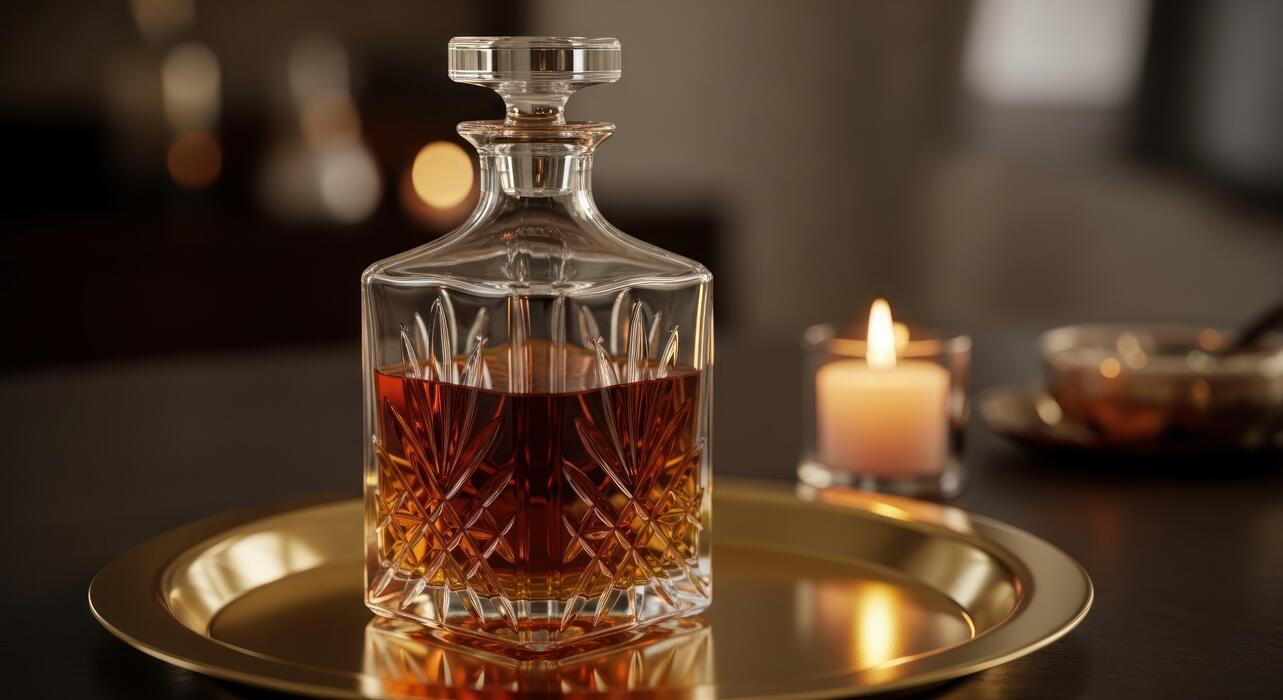
Decanting is a vital step for unlocking the full aromatic potential of your favorite bottle. When wine is poured into a decanter, the increased surface area allows for controlled oxygen exposure, a process known as aeration.
This interaction helps to ‘open up’ the wine, releasing complex aromatic compounds that were previously trapped in the bottle. By allowing the liquid to breathe, you will notice that subtle notes of fruit, spice, and earth become much more pronounced and vibrant.
This is particularly beneficial for wines that have been sealed for a long time, as it helps to dissipate reductive odors that can sometimes smell like burnt matches or sulfur upon initial opening. To maximize this benefit, swirl the wine gently within the vessel to accelerate the oxidation process.
The result is a more expressive and layered drinking experience, ensuring that every glass reflects the winemaker’s original intent while providing a smoother and more balanced flavor profile that delights the palate from the very first sip.
Removing bitter sediment from aged bottles
As premium red wines age, they naturally develop solid particles known as sediment, which consists of tannins and coloring matter that fall out of the liquid over time.
While these particles are harmless, they can create a gritty texture and impart a distinctly bitter taste if they end up in your glass. Using a decanter allows you to effectively separate the clear wine from these unwanted solids.
To do this correctly, keep the bottle upright for 24 hours before serving, then pour slowly into the decanter over a light source. Stop pouring as soon as you see the sediment reach the neck of the bottle. This technique ensures a crystal-clear pour and a much more refined mouthfeel.
By carefully decanting aged vintages, you preserve the wine’s delicate integrity while eliminating the astringent residue that often plagues older bottles.
This simple act of preparation transforms a potentially muddy tasting experience into a polished presentation, allowing the matured nuances of the vintage to shine without any physical or flavor-based interference.
Softening harsh tannins in young reds
Young, full-bodied red wines like Cabernet Sauvignon or Syrah often possess high levels of tannins, which can feel overly drying or aggressive on the tongue. Decanting serves as a solution-focused method to soften these harsh structural elements quickly.
The introduction of air mimics the natural aging process, causing the tannins to polymerize and become less astringent. This results in a velvety and more approachable texture that makes young wines significantly more enjoyable to drink immediately.
Instead of waiting years for a bottle to mature in a cellar, a few hours in a wide-bottomed decanter can achieve a similar mellowing effect. This process is often referred to as ‘mellowing out’ the wine, as it rounds off the sharp edges that can overwhelm the fruit flavors.
By prioritizing decanting for your recent purchases, you effectively tame the youthful aggression of the wine, ensuring the finish is long and smooth rather than bitter.
It is the most efficient way to enhance the drinkability of bold reds, making them taste far more expensive and mature than their age suggests.
How to choose the right decanter for your wine style
Wide-base decanters for full-bodied reds
To understand why you need a decanter for bold red wines like Cabernet Sauvignon or Syrah, look no further than the chemical interaction between oxygen and tannins. These complex varieties possess heavy molecular structures that require a high surface-to-air ratio to soften effectively.
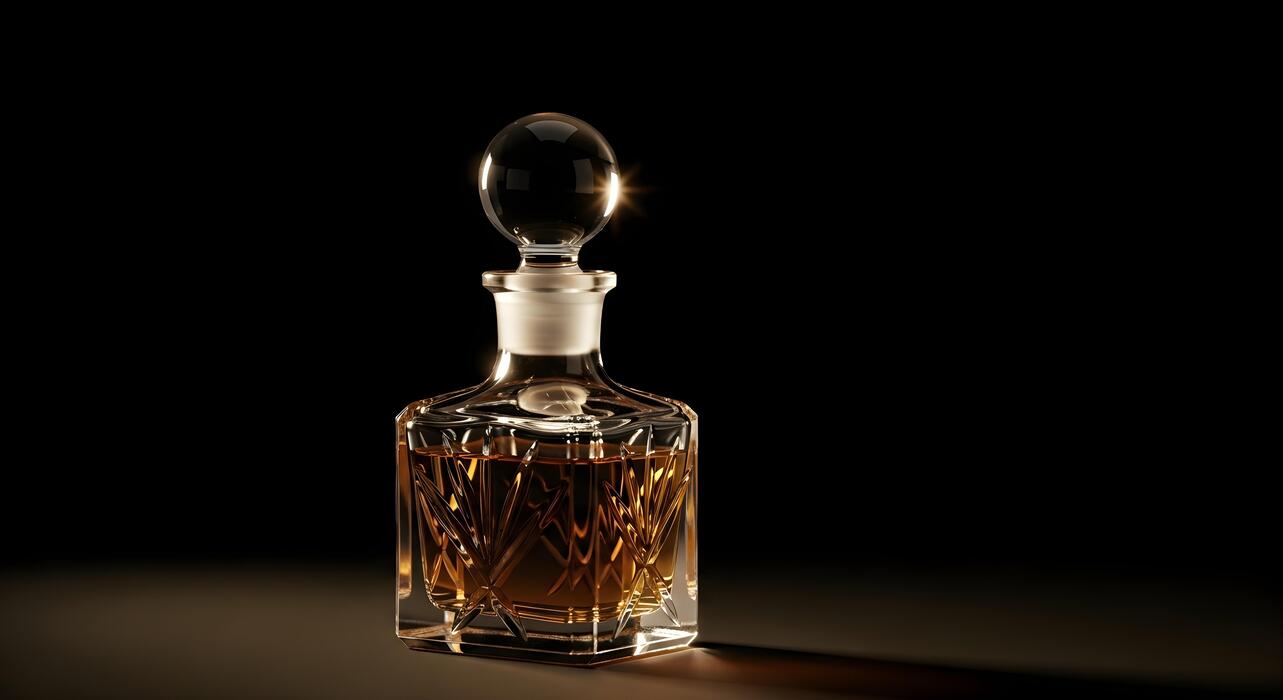
By selecting a wide-base decanter, you provide the maximum surface area possible, allowing the liquid to spread out and interact with the air. This process, known as aeration, triggers the oxidation of harsh polyphenols, transforming a tight or astringent profile into a smooth, velvety texture.
Furthermore, full-bodied reds often develop sediment as they age in the cellar. The expansive volume of a wide-bottomed vessel makes it significantly easier to pour the wine slowly, ensuring that any bitter dregs remain trapped at the bottom of the bottle rather than ending up in your glass.
Using this specific shape is the most efficient way to unlock deep aromatic layers of dark fruit and spice that would otherwise remain muted and inaccessible.
Medium-sized vessels for Merlot and Sangiovese
Medium-bodied wines like Merlot, Sangiovese, or Tempranillo occupy a unique middle ground where they require air to breathe but can easily become over-oxidized if exposed to too much oxygen too quickly. For these styles, a medium-sized decanter with a standard neck and moderate base is the ideal solution.
You need a decanter for these varieties primarily to release trapped aromas and dissipate any volatile acidity that may have built up during the bottling process. A moderate vessel ensures a controlled rate of aeration, allowing the delicate floral and red-fruit notes to emerge without losing the wine’s structural integrity.
When you pour these wines into a medium decanter, you are essentially accelerating the aging process by a few hours, bringing the wine to its peak drinking window immediately.
This targeted approach prevents the subtle nuances of earthy spice or herbal undertones from being overwhelmed by excessive air exposure, providing a perfectly balanced tasting experience that highlights the true character of the grape while maintaining a refreshing, vibrant acidity.
Small chilled decanters for white wines and rosés
While many enthusiasts believe decanting is strictly for reds, a small, narrow decanter is an essential tool for high-quality white wines and rosés. You need a decanter for these styles to help express complex aromatics in aged Chardonnays or mineral-heavy Rieslings that may initially seem ‘closed’ or reductive.
Unlike their red counterparts, white wines are highly sensitive to temperature fluctuations, which is why a smaller, vertical vessel is preferred to minimize the surface area exposed to warm air.
This compact design allows the decanter to fit easily into an ice bucket, ensuring the wine remains at a crisp, optimal serving temperature throughout your meal. Using a decanter for whites also helps to blow off any sulfur-based compounds used during production, revealing a cleaner and more focused bouquet.
By choosing a slender model, you provide just enough oxygen to awaken the fruit and floral profiles while preserving the delicate acidity and effervescence that define these lighter styles. It is a sophisticated way to enhance clarity and flavor without risking the loss of freshness.
Step-by-step guide to decanting wine correctly
Preparing the bottle before pouring
To ensure a successful decanting process, you must first prepare the bottle to manage sediment effectively. If you are handling an aged red wine, place the bottle in an upright position for at least 24 hours before opening.
This allows all solid particles and tartrates to settle at the bottom, preventing them from clouding the wine during the transfer.
When you are ready to begin, remove the entire foil capsule rather than just the top; this provides a clear view of the bottleneck so you can monitor the liquid’s clarity as it flows. Carefully extract the cork using a reliable wine key, ensuring no fragments fall into the neck.
Once opened, wipe the rim with a clean cloth to remove any dust or mold. Having a stable, vibration-free environment is essential during this stage to keep the sediment undisturbed.
By following these preparation steps, you maximize the decanter’s ability to provide a clean, sediment-free pour that highlights the wine’s true character.
The light method for spotting sediment
The primary reason why you need a decanter for older vintages is to separate the clear wine from bitter sediment. To do this correctly, use a consistent light source such as a candle or a bright flashlight positioned directly under the neck of the bottle as you pour.
Tilt the bottle slowly, allowing the wine to flow into the decanter in a steady, thin stream. Keep your eyes fixed on the shoulder of the bottle where the light shines through the glass.
As soon as you see the liquid become cloudy or notice small specks of sediment reaching the neck, stop pouring immediately. The remaining liquid in the bottle, which contains the solids, should be discarded or filtered separately.
This precise technique ensures that only the purest, most flavorful wine enters the decanter. Using light as a visual guide is the most effective way to guarantee a smooth and grit-free tasting experience, which is a hallmark of professional wine service and proper cellar management.
How long to let different wines breathe
Understanding aeration times is vital because a decanter serves to soften harsh tannins and release complex aromas through oxygen exposure. For heavy, full-bodied reds like Cabernet Sauvignon or Syrah, aim to let the wine breathe for 60 to 120 minutes to fully open up its bouquet.
In contrast, lighter red wines like Pinot Noir usually require much less time, often needing only 20 to 30 minutes before they reach their peak. Some full-bodied white wines, such as aged Chardonnay, can also benefit from a brief 15-minute decant to express their secondary flavors.
Be cautious with extremely old vintage wines, as excessive oxygen can cause their delicate structures to fade rapidly; these should often be served immediately after decanting for sediment. Always taste the wine at intervals to monitor its progress.
By matching the decanting duration to the specific varietal and age, you ensure the optimal balance of flavors, preventing the wine from becoming flat or over-oxidized before it even hits the glass.
Which types of wine actually need decanting?
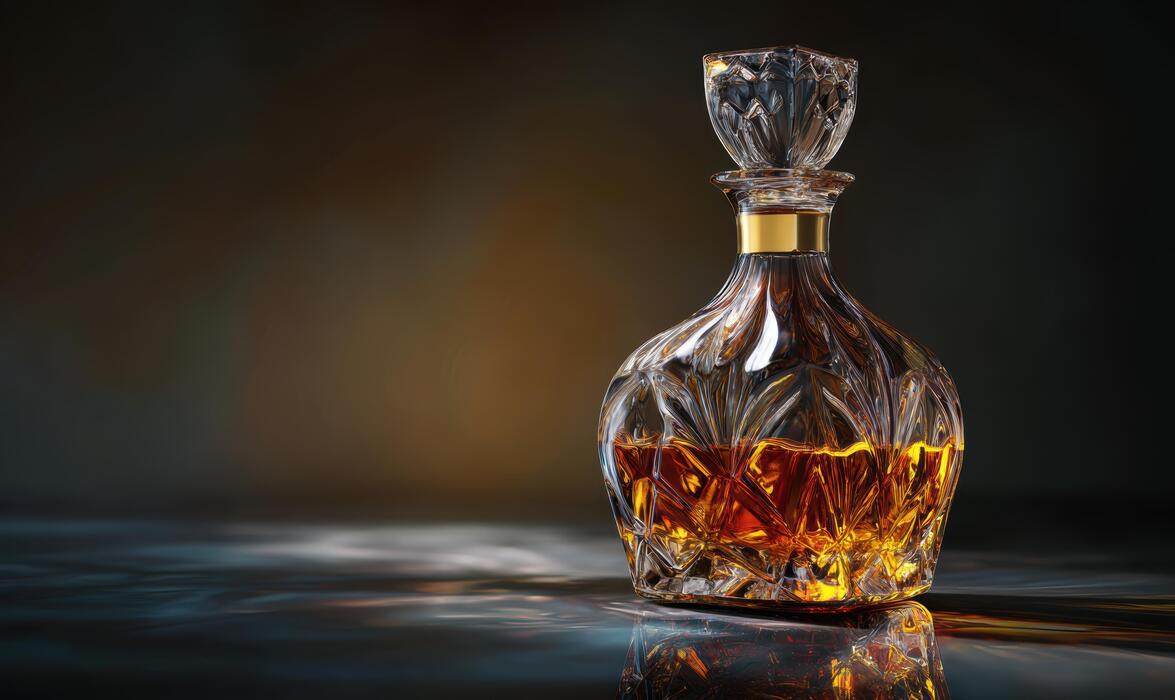
Vintage ports and older red wines
For aged bottles, the primary reason to use a decanter is to separate the liquid from accumulated sediment. Over several years, tannins and coloring matter fall out of solution, creating a bitter, gritty sludge at the bottom of the bottle.
By slowly pouring the wine into a decanter under a steady light source, you can stop once the sediment reaches the neck, ensuring a crystal-clear pour in every glass.
Beyond clarity, older wines are often in a fragile state; they have been trapped in an anaerobic environment for decades and require a gentle introduction to oxygen to awaken dormant aromas. However, be cautious with very old vintages, as excessive aeration can cause delicate floral notes to dissipate too quickly.
The decanter serves as a vital tool to refine the texture and reveal the complex bouquet of dried fruits, leather, and spice that characterizes a mature vintage port or a classic aged Bordeaux, ultimately providing a much smoother drinking experience.
Bold young wines like Cabernet and Syrah
Young, full-bodied reds are often described as ‘tight’ or ‘closed,’ meaning their flavors are masked by intense tannins and high acidity. Using a wide-bottomed decanter provides a large surface area that accelerates the oxidation process, which softens the harsh tannic structure and rounds out the mouthfeel.
This intentional exposure to air mimics the natural aging process in a fraction of the time, allowing vibrant fruit notes like blackberry and plum to emerge from behind the oak and alcohol.
Additionally, decanting helps to evaporate volatile compounds such as sulfur dioxide, which can sometimes create a matchstick or ‘funky’ aroma upon opening a fresh bottle.
For a powerful Cabernet Sauvignon or a peppery Syrah, an hour in the decanter can transform a sharp, aggressive wine into a balanced and expressive masterpiece.
This process ensures that the wine is approachable and enjoyable immediately, rather than requiring several more years of cellar aging to reach its peak flavor profile.
Surprising reasons to decant certain white wines
While most people associate decanting exclusively with red wine, many high-end white wines benefit significantly from a brief period of aeration.
Full-bodied whites, such as an oak-aged Chardonnay or a complex Rhone blend, often possess a density that requires oxygen to unlock layered secondary aromas like toasted brioche, vanilla, and honeycomb.
If a white wine smells slightly reductive—reminiscent of struck matches or rubber—a quick swirl in a decanter will neutralize these off-odors and restore the intended fruit profile.
Furthermore, serving a white wine directly from a refrigerator can sometimes be too cold, masking its delicate nuances; a decanter allows the wine to rise to an ideal temperature more gradually than a glass would.
Even orange wines or natural whites with heavy lees contact can benefit from decanting to clarify the liquid and soften any phenolic bitterness. By treating these select whites with the same care as reds, you ensure that their vibrant acidity and structural complexity are fully showcased for your guests.
Tips for cleaning and maintaining your glassware
Best tools for reaching deep curves
To maintain a decanter effectively, you must utilize tools specifically designed for its unique geometry. Because decanters are used to aerate wine and separate sediment, their wide bases and narrow necks make standard sponges useless.
The most effective solution involves stainless steel cleaning beads, which are small pellets that you swirl with warm water to physically scrub the interior without scratching the glass.
For the elongated necks typical of swan-style vessels, a flexible foam brush is essential as it can bend around tight angles to reach every surface. These specialized tools ensure that no residue remains to spoil the flavor of your next bottle.
By investing in a dedicated decanter drying stand, you allow gravity to pull moisture out of the bulbous base, preventing the stagnant water buildup that often leads to unsightly cloudiness. Consistent use of these specific instruments keeps your glassware in pristine condition for optimal wine enjoyment and presentation.
Removing stubborn wine stains and drying marks
Over time, the tannins in red wine can leave a dark film, while hard water creates cloudy spots that diminish the visual appeal of your service. To restore clarity, create a solution of distilled white vinegar and warm water, soaking the vessel for several hours to break down mineral deposits.
If you encounter a particularly stubborn ring at the bottom, a mixture of coarse salt and lemon juice acts as a gentle abrasive that dissolves organic matter without the need for harsh chemicals.
It is crucial to avoid using standard dish soap, as it can leave behind a microscopic chemical film that alters the bouquet and taste of the wine during the aeration process. Always finish the cleaning cycle with a thorough rinse using distilled water to ensure no mineral streaks remain.
This meticulous approach guarantees that your decanter remains a transparent centerpiece, allowing the true color and clarity of the vintage to be fully appreciated by your guests.
Safe storage practices to prevent chips
Proper storage is the final step in maintaining the structural integrity of high-quality crystal glassware. Because the rims of decanters are often delicate, you should store them upright in a dedicated cabinet away from high-traffic kitchen areas where accidental bumps occur.
Avoid stacking other items near the glass, as even minor vibrations can cause micro-fractures over time. If you prefer to store your decanter on a shelf, placing a silicone mat or soft linen liner underneath provides a cushioned base that prevents the glass from grinding against hard surfaces.
For those who use their decanters infrequently, placing a breathable cloth over the opening prevents dust from settling inside while still allowing air circulation to prevent musty odors. Ensuring that the storage environment is temperature-controlled and vibration-free will prolong the life of the glass significantly.
By following these protective measures, you preserve the functional beauty of the vessel, ensuring it is always ready to perform its vital role in your wine service.
Common mistakes to avoid when using a decanter
Over-oxygenating delicate old vintages
While the primary reason why you need a decanter is to introduce air to younger wines, applying this same logic to fragile, aged vintages can be a critical error. Older wines have already undergone a slow oxidation process over decades, meaning their structural integrity is much more sensitive.
If you leave an aged Pinot Noir or a vintage Port in a wide-based decanter for several hours, you risk losing the subtle tertiary aromas of dried leaves, leather, and truffle that make these bottles special.
Instead of a long aeration period, you should decant old wines immediately before serving to separate them from sediment while minimizing air exposure. The goal for these bottles is not transformation but preservation of their fleeting aromatic profile.
To avoid a flat and lifeless glass, use a narrow-necked decanter and pour gently. This ensures the wine breathes just enough to awaken without causing the delicate chemical compounds to dissipate entirely before the first sip is even taken.
Using soap that leaves chemical residue
A common mistake that undermines why you need a decanter is cleaning the vessel with standard dish detergents. Because of the unique curves and narrow necks of most decanters, traditional soaps are notoriously difficult to rinse out completely.
This leaves behind a microscopic chemical film and synthetic fragrances that will instantly alter the flavor profile and bouquet of your next bottle. When wine hits these residues, it can develop a soapy or metallic aftertaste that masks the fruit notes you were trying to enhance.
To maintain a neutral environment, you should clean your decanter with hot water and stainless steel cleaning beads rather than liquid soap. If deep cleaning is necessary, use specialized fragrance-free tablets or a mixture of coarse salt and crushed ice to scrub the interior walls without leaving odors.
Ensuring your glass is chemically inert allows the wine to express its true terroir and complexity, ensuring your investment in a quality decanter actually improves your overall tasting experience.
Ignoring the temperature of the wine
Many enthusiasts forget that the decanting process naturally causes wine to reach room temperature much faster than a bottle would. This is a significant issue because excessive heat can make the alcohol profile seem harsh and muddle the delicate flavors you are trying to aerate.
If you leave a full-bodied red in a decanter on a warm kitchen counter for an hour, it may climb to 75 degrees Fahrenheit, which is far above the ideal serving range.
To prevent this, you should monitor the ambient temperature and consider placing the decanter in a chilled water bath or a cool cellar during the aeration period. The surface area of a decanter increases thermal exchange, so being proactive is key to success.
A properly temperature-controlled decanting session ensures that the oxygen softens the tannins without the heat stripping away the wine’s freshness. By keeping the liquid at its optimal thermal point, you ensure that every glass poured from the vessel remains balanced, vibrant, and structurally sound from start to finish.
Frequently Asked Questions
What is the primary purpose of using a wine decanter?
A decanter serves two main functions: aerating the wine to enhance its flavor profile and separating the liquid from any solid sediment. By increasing the surface area of the wine exposed to air, it softens harsh tannins and releases complex aromas.
Does decanting actually improve the taste of wine?
Yes, decanting can significantly improve the taste, especially for young, bold red wines that may feel ‘closed’ or overly acidic. The introduction of oxygen helps mellow the flavors, making the wine smoother and more balanced on the palate.
Why do older wines need to be decanted?
Older wines are decanted primarily to remove sediment that naturally forms as the wine ages in the bottle. Carefully pouring the wine into a decanter allows you to stop once the sediment reaches the neck, ensuring a clear and grit-free glass.
How long should I let wine sit in a decanter before drinking?
Most red wines benefit from 30 to 60 minutes of decanting, though heavy, high-tannin wines like Cabernet Sauvignon may need up to two hours. Very old, delicate wines should be served shortly after decanting to prevent over-oxidation.
Can you decant white wines or Rosé?
While less common, you can decant white wines that are ‘reduced’ or have sulfur-like aromas to help them open up. It is also useful for full-bodied whites like aged Chardonnay to help reveal hidden aromatic complexities.
How does a decanter help with ‘tight’ or ‘closed’ wines?
A ‘tight’ wine is one where the aromas are suppressed; the wide base of a decanter encourages rapid evaporation of volatile compounds. This process ‘stretches’ the wine’s molecules, allowing the fruit and floral notes to become more prominent.
What is the difference between a decanter and an aerator?
A decanter is a vessel used for slow, gradual aeration and sediment removal over time, whereas an aerator is a small device that oxidizes wine instantly as it is poured. Decanters are generally preferred for older wines to handle sediment delicately.
Conclusion
Ultimately, a decanter is an essential tool for any wine lover looking to elevate their tasting experience. By allowing your wine to breathe and effectively removing sediment from older vintages, you unlock the full spectrum of aromas and flavors hidden within every bottle. Beyond the functional benefits, decanting adds a touch of elegance to any gathering. Invest in a quality decanter today to ensure that every glass you pour is served at its absolute best.