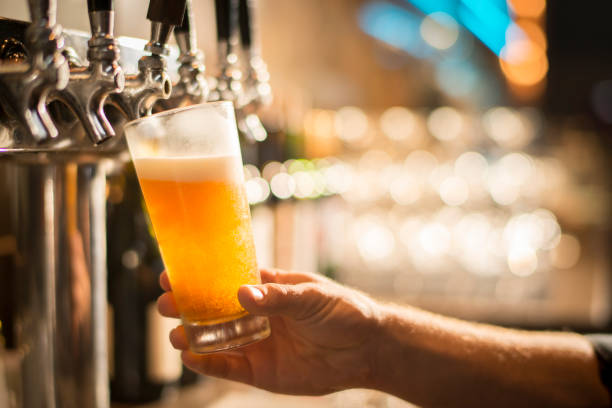
Tap Craft Beer Bar
Finding the perfect tap craft beer bar can feel like a quest for liquid gold, but we have you covered. In this guide, we will quickly break down what makes a great taproom stand out and help you locate the top-rated spots nearby so you can enjoy a fresh pour today.
What defines a tap craft beer bar?
The difference between draft and bottled beer
Understanding the distinction between draft and bottled options is essential for any craft beer enthusiast. Draft beer is served directly from a pressurized keg, which ensures the liquid remains shielded from light and oxygen, the two primary enemies of flavor stability.
When you visit a tap craft beer bar, you are experiencing the beverage exactly as the brewer intended, often with a superior mouthfeel and carbonation level that bottles struggle to replicate. Bottled beers, while convenient, are subject to potential light-strike or oxidation during long-term storage and transport.
In contrast, a well-maintained draft system utilizes CO2 or nitrogen blends to push the beer through chilled lines, preserving the delicate hop aromatics and malt profiles.
For the best experience, always look for bars that prioritize frequent line cleaning and temperature control, as these technical factors directly influence the crispness and clarity of every pour. Choosing draft allows you to sample fresher batches that haven’t spent weeks sitting on a warm retail shelf.
Why local breweries matter
Local breweries serve as the lifeblood of a high-quality tap craft beer bar, providing a rotating selection of unique, small-batch releases that you won’t find in national distribution. By prioritizing local taps, a bar supports the regional economy and reduces the carbon footprint associated with long-distance shipping.
Freshness is the most significant advantage here; beer brewed just a few miles away reaches your glass much faster than imports, ensuring that volatile hop oils and subtle yeast esters remain vibrant and pungent.
Furthermore, local breweries often experiment with seasonal ingredients or community collaborations, offering a sense of place and storytelling that enriches the drinking experience. To find the best local options, ask your bartender about limited-release kegs or community-focused brews that highlight regional flavors.
Supporting these independent producers fosters a diverse marketplace and encourages innovation within the craft industry, ensuring that the tap list remains dynamic, fresh, and deeply connected to the surrounding culture and tastes of the neighborhood.
Key features of a great taproom experience
A premier taproom experience is defined by more than just the liquid in the glass; it is an intentional environment designed for discovery and education.
The hallmark of a great establishment is a knowledgeable staff and a curated tap list that offers a balanced variety of styles, from light pilsners to complex barrel-aged stouts.
Look for bars that provide detailed descriptions, including ABV (alcohol by volume) and IBU (International Bitterness Units), to help guide your selection process. Proper glassware is another critical feature, as the shape of the vessel can significantly enhance the aroma and head retention of specific beer styles.
Additionally, a top-tier taproom maintains a clean and inviting atmosphere where patrons feel comfortable asking questions or ordering a flight to sample multiple offerings. High-quality draft systems, visible tap handles, and a commitment to serving beer at the correct cellar temperature ensure that every visit is consistent.
Ultimately, the best bars focus on hospitality and beer education, making the complex world of craft beer accessible to everyone.
How to find the best tap craft beer bar near you
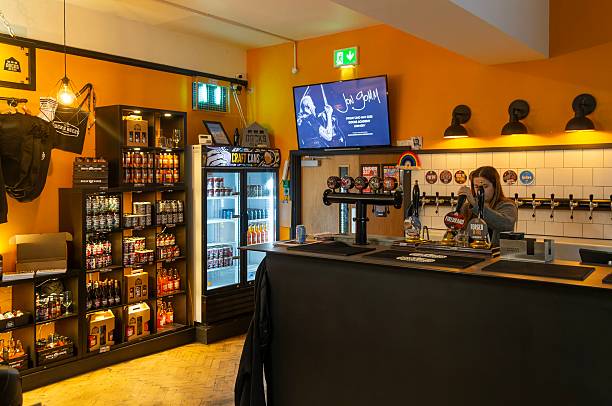
Using mobile apps for real-time tap lists
To locate the best tap craft beer bar in your immediate vicinity, leveraging technology is the most efficient strategy. Dedicated mobile applications like Untappd or TapHunter allow you to search by specific beer styles or breweries, providing a live look at what is currently flowing from the faucets.
These platforms are essential because craft beer inventories rotate rapidly, often changing daily. By using the GPS-based discovery features, you can filter results to find venues that prioritize high-quality maintenance and frequent rotation.
Many of these apps also feature user-generated ratings and tasting notes, helping you decide if a particular keg is worth the trip before you even leave your house.
For the most accurate results, look for bars that have a ‘Verified Venue’ badge, which indicates that the business manually updates their digital menu in real-time. This ensures that the rare double IPA or limited-run imperial stout you are craving is actually available when you arrive at the bar.
Checking social media for new releases
Social media platforms like Instagram and Facebook are invaluable tools for identifying top-tier craft beer destinations that value freshness and variety. Most premium taprooms post daily updates of their chalkboard menus or highlight specific ‘tap takeovers’ and seasonal launch events.
To find the best local spots, follow the accounts of reputable breweries in your area and see which bars they tag in their distribution announcements. This allows you to track limited-edition keg drops that might not be listed on standard websites.
Pay close attention to the visual quality of the pours shown in posts; a bar that takes pride in its proper glassware and head retention is likely maintaining its draft lines correctly. Engaging with these communities also provides insight into the bar’s culture and expertise.
By monitoring stories and posts, you can identify which establishments are truly passionate about the craft beer movement, ensuring you spend your time at a venue that offers a curated and expertly handled selection of brews.
Reading customer reviews for atmosphere and service
While the beer selection is paramount, the overall experience of a tap craft beer bar is defined by its environment and the knowledge of its staff.
When browsing reviews on Google or Yelp, look for specific mentions of knowledgeable bartenders and Cicerone certifications, as these professionals can provide personalized recommendations based on your palate. A great craft beer bar should offer a welcoming atmosphere where patrons feel comfortable asking for samples or discussing flavor profiles.
Pay attention to feedback regarding cleanliness and line maintenance, as these technical factors directly impact the taste of the beer. Reviews that highlight a diverse crowd and a lack of pretension often point to the most enjoyable local hangouts.
Additionally, check for comments about the availability of flights or small pours, which allow you to sample multiple unique styles in one sitting.
By analyzing the experiences of other enthusiasts, you can find a location that balances a sophisticated tap list with a relaxing, high-quality service environment that enhances your appreciation of craft brewing.
Common styles of beer found on tap
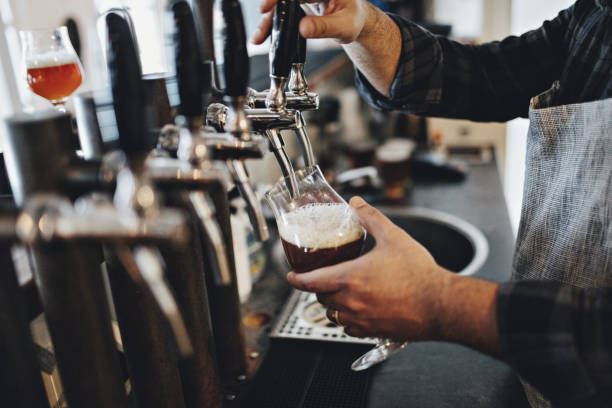
IPAs and pale ales
When visiting a tap craft beer bar, you will almost certainly encounter a wide variety of India Pale Ales (IPAs) and American Pale Ales.
These styles are defined by their hop-forward profiles, ranging from the citrusy and piney notes of a West Coast IPA to the juicy, tropical flavors of a New England Hazy IPA. If you prefer a more balanced experience with lower bitterness, look for a Pale Ale on the draft list.
These beers offer a solid malt backbone that supports the floral hop aromas without overwhelming the palate. To get the best experience, ask the bartender about the dry-hopping techniques used, as this often dictates the intensity of the aroma.
Whether you crave a sharp, bitter finish or a smooth, fruit-forward profile, these hop-centric options remain the most popular choices for craft enthusiasts seeking bold, refreshing flavors.
Stouts, porters, and dark lagers
For those who enjoy deeper, more complex flavors, the dark side of the tap list offers Stouts and Porters known for their roasted malt characteristics. You can expect notes of dark chocolate, coffee, and toasted caramel in these heavier pours.
Many modern craft bars also feature Pastry Stouts, which incorporate sweet adjuncts like vanilla or cacao nibs, and Imperial Stouts that boast higher alcohol content and a velvety mouthfeel. If you want something dark but lighter on the palate, look for a Schwarzbier or dark lager.
These provide the aesthetic of a stout but with the crisp, clean finish of a bottom-fermented beer. These styles are perfect for sipping slowly, allowing the temperature to rise slightly to unlock the full spectrum of malty sweetness and smoky undertones inherent in the roasted grains.
Sours, wild ales, and farmhouse styles
If you are looking for something unconventional, explore the world of Sours and Farmhouse Ales. These beers often utilize wild yeast strains like Brettanomyces or lactic acid-producing bacteria to create a distinct tartness and funky complexity.
On tap, you might find a Gose, which offers a refreshing saltiness and coriander hint, or a Berliner Weisse often infused with seasonal fruits like raspberry or peach. Saison and Farmhouse styles are equally intriguing, providing peppery phenols and earthy notes that pair exceptionally well with food.
These styles are ideal for drinkers who find traditional bitterness unappealing and prefer a bright, acidic profile. Always check if the bar offers a tasting flight, as the diverse range of sourness—from mildly tangy to puckeringly sharp—is best explored in smaller, curated pours to find your specific preference.
Crisp pilsners and wheat beers
Even the most experimental craft beer bars maintain a selection of sessionable, easy-drinking classics like Pilsners and Wheat beers. A well-crafted German or Czech Pilsner is a testament to a brewer’s skill, offering a snappy bitterness and clean malt profile that cleanses the palate.
These are the ultimate ‘palate cleansers’ between heavier pours. Meanwhile, Wheat beers, including Hefeweizens and Witbiers, provide a softer texture with signature aromas of banana, clove, or orange peel. These styles are typically unfiltered and hazy, maintaining a refreshing effervescence that makes them a staple for daytime drinking.
When ordering, look for local lagers on tap to ensure maximum freshness. These crisp options are perfect for those who appreciate subtle nuances and high carbonation, providing a reliable and refreshing foundation for any craft beer tasting journey at the bar.
Benefits of drinking draft beer over cans
Superior freshness and flavor profiles
When you visit a local tap craft beer bar, the most immediate advantage is the unmatched freshness of the product. Unlike canned beers that may sit on warm retail shelves for months, draft beer is stored in temperature-controlled stainless steel kegs that act as a vacuum-sealed vault.
This environment protects the liquid from light degradation and oxidation, two primary enemies that cause skunky off-flavors in aluminum or glass containers. By choosing the tap, you ensure that the delicate hop aromatics and complex malt profiles intended by the brewmaster remain intact.
Furthermore, high-volume bars rotate their inventory rapidly, meaning the pour in your glass is often only days old. This proximity to the source allows for a vibrant sensory experience where the nuanced notes of citrus, pine, or chocolate are far more pronounced than in static canned versions.
Prioritizing draft options ensures you are consuming the beverage at its absolute peak of quality and flavor complexity.
The role of proper carbonation levels
The mechanical precision of a professional draft system offers a level of carbonation control that individual cans simply cannot replicate. At a dedicated craft beer bar, bartenders utilize specific gas blends, often a mix of CO2 and nitrogen, to tailor the mouthfeel to the specific style of beer being served.
This results in a consistent, creamy head that traps aromatic compounds and enhances the overall drinking experience. Canned beers often suffer from inconsistent internal pressures or can become overly carbonated during the filling process, leading to a harsh, prickly sensation on the tongue.
In contrast, a well-maintained tap system allows for a smooth, velvety texture that highlights the beer’s body without overwhelming the palate with excessive bubbles.
This precise regulation of gas levels also aids in digestion, as the beer is poured at the optimal turbulence to release excess gas before it reaches your stomach. Choosing draft ensures every sip is balanced, refreshing, and structurally perfect for its specific style.
Eco-friendly advantages of reusable kegs
Opting for a pint at a tap craft beer bar is a powerful choice for environmental sustainability. While aluminum cans are recyclable, the energy required for their manufacturing, labeling, and transport creates a significant carbon footprint.
In contrast, a single stainless steel keg can last for over thirty years and replace thousands of individual cans or bottles during its functional lifespan. This closed-loop distribution system drastically reduces the amount of packaging waste that ends up in landfills or recycling facilities.
Furthermore, shipping beer in bulk via kegs is far more space-efficient than transporting pallets of small containers, which leads to reduced fuel consumption and lower greenhouse gas emissions during logistics. By supporting the draft industry, consumers encourage a circular economy where heavy-duty equipment is sanitized and reused indefinitely.
Selecting the tap is not just a win for your taste buds, but a proactive step toward reducing your personal waste and supporting breweries that prioritize green operational standards and long-term ecological responsibility.
Tips for ordering at a busy craft beer bar
How to ask for samples effectively
When you find yourself at a crowded tap craft beer bar, efficiency is key to maintaining a good flow for everyone. To ask for samples effectively, first narrow your choices down to two options before the bartender approaches you.
Avoid asking for a sample of every tap, as this slows down service during peak hours. When it is your turn, clearly state which specific beer you would like to try and keep your feedback brief to respect the time of other patrons waiting in line.
Remember that samples are meant to confirm a choice, not to provide a free flight of drinks. If the bar is exceptionally busy, consider skipping the sample altogether if you are already familiar with the style or brewery.
Being decisive and polite ensures you get the right pour without causing a bottleneck at the service station. By showing respect for the staff’s time and the volume of customers, you contribute to a better atmosphere for all beer enthusiasts.
Ordering a flight to try multiple styles
Ordering a flight is the best way to explore the diverse range of a tap craft beer bar without committing to a full pint.
To make this process seamless, write down your selections on the provided flight sheet or have your list ready on your phone before reaching the front of the queue.
Most bars offer four to five small pours, so try to balance your flight with a mix of light, hoppy, and dark styles to keep your palate engaged. If you are unsure of the order, ask the server to arrange them from the lowest to highest alcohol content or intensity.
Be mindful that pouring a flight takes significantly more time than a single pint, so avoid ordering multiple flights during a heavy rush if the staff looks overwhelmed. Once you receive your tray, move to a table or a less crowded area of the rail to free up space.
This approach allows you to enjoy a curated tasting experience while remaining a considerate and savvy craft beer customer.
Talking to the bartender for recommendations
Engaging with a knowledgeable bartender can lead you to your next favorite brew, but timing is everything at a busy tap craft beer bar.
To get the best recommendations, provide specific flavor profiles you enjoy, such as citrusy, malty, or sour, rather than asking a vague question like what is good. Mention a few commercial beers you like to give the bartender a baseline for your palate.
If the bar is slammed, keep your questions concise and look for visual cues like the tap list’s descriptions to do some of the heavy lifting yourself.
A great tip is to ask for the freshest keg on tap or a local hidden gem that might be overlooked by the casual crowd. Always be prepared to make a quick decision based on their expert advice to keep the line moving.
Building a quick rapport through clear communication not only helps you find a high-quality beer but also makes the bartender’s job much easier during a high-pressure shift at a popular local establishment.
The importance of glassware and serving temperature
Why different styles need specific glasses
When visiting a tap craft beer bar, you will notice that the vessel is just as important as the liquid inside. Glassware is engineered to enhance the specific sensory profile of different beer styles by controlling the release of volatiles and the formation of the head.
For instance, a tulip glass is essential for Belgian ales and IPAs because its flared rim traps complex aromas while supporting a thick foam. Conversely, a tall pilsner glass highlights clarity and maintains carbonation through its slender profile.
Using the correct glass ensures that the drinker experiences the intended bouquet and flavor balance. By matching the geometry of the glass to the beer style, bars can significantly improve the perceived quality of the pour.
This attention to detail allows delicate floral notes or heavy roasted malts to reach the nose effectively. Ultimately, the right glassware transforms a simple drink into a curated tasting experience that honors the brewer’s original intent and technical craftsmanship.
Ideal temperatures for various beer types
Serving temperature is a critical factor that can either mask or reveal the intricate flavors of a craft brew. Most high-end tap houses utilize multi-zone cooling systems to ensure each style is served at its optimal thermal range.
Lighter lagers and pilsners are best enjoyed crisp and cold, typically between 38 and 45 degrees Fahrenheit, to emphasize their refreshing nature. However, complex stouts, porters, and strong ales should be served warmer, often between 50 and 55 degrees Fahrenheit, to allow the malt sugars and esters to fully bloom.
If a beer is served too cold, the taste buds become numbed, and the volatile aromatic compounds remain trapped in the liquid. Conversely, beer that is too warm may lose its carbonation too quickly and taste overly boozy.
Professional bars prioritize these temperature gradients to ensure that every pint delivers a balanced profile of bitterness, sweetness, and mouthfeel, providing a superior drinking experience compared to standard domestic serving practices.
The impact of a clean glass on head retention
A truly professional craft beer experience relies heavily on the concept of a beer-clean glass, which is free from any residual oils, detergents, or dust.
Even the smallest amount of grease or soap film can act as a surfactant, causing the carbon dioxide bubbles to collapse prematurely and destroying the head. Proper head retention is vital because the foam acts as a cap that preserves the beer’s effervescence and traps aromatic compounds.
You can identify a clean glass by the presence of consistent lacing, where rings of foam stick to the sides of the glass as you drink. To achieve this, bars use specialized low-suds cleaners and air-drying racks rather than towels, which can leave behind lint.
A clean glass ensures that the texture remains creamy and the visual presentation stays appealing from the first sip to the last. This technical standard is a hallmark of quality that distinguishes a dedicated craft beer establishment from a casual pub, ensuring every pour is perfect.
How to host a private event at a taproom
Booking space for groups and parties
When planning an event at a tap craft beer bar, the first step is determining the scale of your gathering to secure the right space. Most taprooms offer flexible options ranging from reserved communal tables for casual mixers to full venue buyouts for large corporate functions or wedding receptions.
To ensure availability, it is highly recommended to reach out at least four to six weeks in advance, especially during peak weekend hours. When you contact the events manager, be prepared to provide an estimated guest count and your preferred timeframe.
Many venues operate on a food and beverage minimum rather than a flat rental fee, which can be a cost-effective way to host if your group is particularly thirsty. Always clarify if the space is semi-private or fully partitioned to manage noise expectations.
Securing your date typically requires a signed rental agreement and a deposit to lock in the calendar, ensuring your party has a dedicated home base amidst the bustling brewery atmosphere.
Food options and outside catering policies
A successful event at a craft beer bar requires a solid plan for sustenance to balance the high-ABV offerings. Since many taprooms do not operate full-service kitchens, they often have established partnerships with local food trucks or nearby restaurants.
You should inquire whether the venue allows outside catering or if you are restricted to their preferred vendor list. If you are bringing in your own food, ask about logistical details such as access to prep space, electrical outlets for warming trays, and trash disposal responsibilities.
Some bars provide basic disposable wares, while others require you to bring everything from napkins to serving utensils. For a more seamless experience, consider a buffet-style setup that allows guests to graze throughout the event. Always confirm if there are additional cleaning fees associated with external food.
Providing a mix of salty snacks and hearty proteins ensures your guests remain comfortable and engaged while they explore the diverse tap list available at the bar.
Customizing a tap list for your guests
The highlight of hosting at a craft beer bar is the opportunity to curate a unique drinking experience through a customized tap list. Work closely with the head brewer or bar manager to select a balanced variety of styles that cater to both connoisseurs and casual drinkers.
A well-rounded selection usually includes a crisp lager or pilsner, a crowd-pleasing hazy IPA, and perhaps a unique seasonal sour or stout for variety. If your group has specific preferences, ask about dedicated tap handles or personalized flight boards that showcase the best of the house brews.
It is also essential to provide non-alcoholic alternatives, such as craft sodas or kombucha, to ensure all guests feel included. Discuss the possibility of a pre-paid drink ticket system or a hosted tab to streamline service and manage your budget effectively.
By tailoring the beverage menu to your specific audience, you transform a standard outing into a memorable tasting journey that highlights the artisanal quality of the craft beer scene.
Frequently Asked Questions
What is a tap craft beer bar?
A tap craft beer bar is a specialized establishment that focuses on serving a wide selection of independent, small-batch beers directly from pressurized kegs. Unlike traditional bars, these venues often rotate their selection frequently to showcase diverse styles and seasonal releases from local and international microbreweries.
How do I choose the right beer from a large tap list?
Start by identifying flavors you already enjoy, such as citrus, chocolate, or pine, and ask the bartender for a recommendation based on those profiles. Most craft beer bars also offer ‘flights,’ which allow you to sample 4-5 small pours of different beers before committing to a full pint.
What does ‘on tap’ mean in a craft beer bar?
When a beer is ‘on tap,’ it means the beverage is stored in a keg and dispensed through a faucet using carbon dioxide or nitrogen pressure. This method is often preferred by enthusiasts because it maintains the beer’s freshness and optimal carbonation levels compared to bottled alternatives.
Are food options usually available at tap craft beer bars?
While some taprooms focus exclusively on beverages, many offer curated menus featuring ‘pub grub’ like pretzels, sliders, or artisanal pizzas designed to complement specific beer styles. In some regions, tap bars without kitchens may partner with local food trucks to provide dining options for guests.
What is the difference between a draft beer and a craft beer?
Draft beer refers specifically to the delivery method of serving beer from a keg rather than a bottle or can. Craft beer refers to the production origin, signifying that the beer was made by a small, independent brewery using traditional or innovative brewing techniques.
Can I take craft beer home from a tap bar?
Yes, many tap bars offer ‘growlers’ (64oz glass jugs) or ‘crowlers’ (32oz oversized cans) that can be filled directly from the tap and sealed for off-site consumption. This allows customers to enjoy fresh, draft-only releases in the comfort of their own homes.
Conclusion
A visit to a tap craft beer bar offers more than just a drink; it provides an immersive journey through local flavors and artisanal mastery. By exploring diverse styles and engaging with knowledgeable staff, you gain a deeper appreciation for the brewing process. Whether you are a seasoned connoisseur or a curious newcomer, the ever-changing selection ensures there is always something new to discover. Head to your local taproom today and toast to the vibrant world of craft beer.
